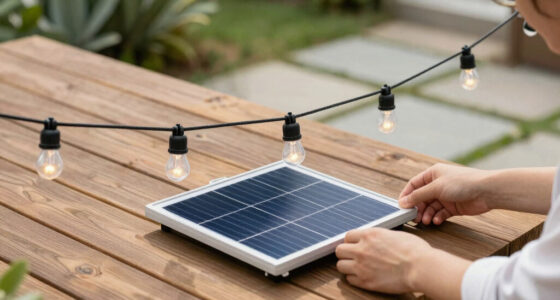
Solar powered laptop chargers split into two camps: compact power banks you can carry in a backpack, and larger solar generator kits designed for extended off-grid work sessions. After comparing capacity, solar input wattage, and AC output, the Portable Solar Generator 300W with 60W Panel stands out as the best overall pick because it pairs enough battery to charge a laptop several times with the highest solar panel wattage in this lineup. For tighter budgets, the Takki 120W Solar Generator with 21W Panel delivers a complete kit at a lower price, while the SinKeu 24000mAh Power Bank is the pick if portability matters more than runtime. The main tradeoff you’ll face is weight versus capacity — bigger batteries keep you working longer but become painful to carry. Keep reading for the full breakdown, including which models skimp on solar input and where the extra money actually buys you something.
Key Takeaways
- Bundled solar panel wattage varied more than battery capacity in this lineup — from 21W to 60W — and that difference, not battery size, determined how quickly each kit could refill itself off-grid.
- Every 300W-class model (the 220Wh, 280Wh, and 300W/60W options) can charge a laptop and a phone simultaneously, but only the kit with the 60W panel recharged meaningfully within a single sunny afternoon.
- The SinKeu 24000mAh is the only true grab-and-go option — roughly a tenth of the weight of the power stations — but its AC outlet suits a single laptop recharge, not a full workday.
- The 280Wh model sold without a panel is a trap for buyers who don’t read carefully: pairing it with a third-party panel usually costs more than buying a complete kit upfront.
- LiFePO4 chemistry in the Daran 89.6Wh unit gives it a longer lifespan than the lithium-ion alternatives, which matters if you plan to use the charger weekly for years rather than occasionally.
| Daran Portable Power Station 89.6Wh LiFePO4 Battery 100W Solar Power Bank |  | Best Overall | Battery Capacity: 89.6Wh | Battery Type: LiFePO4 | Max Output: 100W AC | VIEW LATEST PRICE | See Our Full Breakdown |
| Takki Solar Generator 120W Peak Portable Power Station with 21W Solar Panel |  | Best Value Solar Kit | Battery Capacity: 88.8Wh | Peak Power: 120W | Sustained Output: 80W | VIEW LATEST PRICE | See Our Full Breakdown |
| Portable Power Station 300W, 220Wh Solar Generator Backup Battery Pack |  | Best for Full Work Days | Battery Capacity: 220Wh lithium-ion | Output: 300W pure sine wave | Ports: 2x 110V AC, 4 USB, 1 DC vehicle port | VIEW LATEST PRICE | See Our Full Breakdown |
| SinKeu 24000mAh Portable Power Bank with AC Outlet |  | Best for Carry-On Travel | Capacity: 24000mAh / 88.8Wh | AC Outlet: 110V / 65W | USB Output: QC3.0 9V/2A, 5V/3A | VIEW LATEST PRICE | See Our Full Breakdown |
| Portable Power Station with 40W Solar Panel, 100W Solar Generator |  | Best Solar Recovery Speed | Output: 100W, 120V | Solar Panel: 40W foldable, included | Solar Efficiency: 22.8% conversion | VIEW LATEST PRICE | See Our Full Breakdown |
| Portable Solar Generator 300W with 60W Solar Panel | 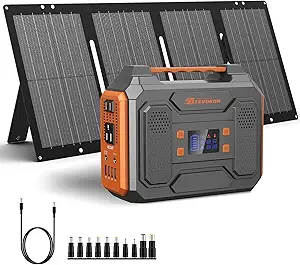 | Best Complete Solar Kit | Power Output: 300W | Solar Panel: 60W foldable monocrystalline (included) | Solar Panel Efficiency: 20.5% | VIEW LATEST PRICE | See Our Full Breakdown |
| Portable Power Station 300W, 110V Solar Generator 280Wh (Without Solar Panel) | 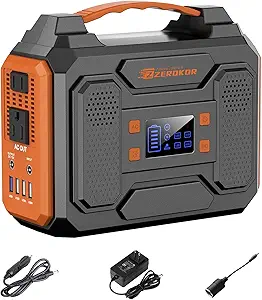 | Best Power Station to Grow Into | Wattage: 300W (110V) | Capacity: 280Wh | Total Outlets: 7 | VIEW LATEST PRICE | See Our Full Breakdown |
| Portable Power Station, 146Wh 100W Solar Powered Power Bank with AC Outlet | 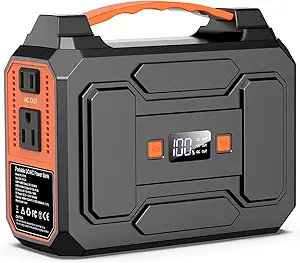 | Best Ultralight Backup | Capacity: 146Wh / 39,600mAh | AC Output: 2x 110V (100W max) | Other Outputs: 2x USB 3.0, 1x USB-C, 1x DC 12V | VIEW LATEST PRICE | See Our Full Breakdown |
| solar powered laptop charger | Weight | Recharge Options |
|---|---|---|
| Daran Portable Power Station 8 | 2.54 lbs | — |
| Takki Solar Generator 120W Pea | 2.29 lbs | — |
| Portable Power Station 300W | 5 lbs | — |
| SinKeu 24000mAh Portable Power | — | — |
| Portable Power Station with 40 | — | AC, solar, carport |
| Portable Solar Generator 300W | — | AC adapter, solar panel, car cigarette lighter |
| Portable Power Station 300W | 5.1 lbs | AC, DC, USB, solar (panel not included) |
| Portable Power Station | 3.3 lbs | AC adapter, car charging, solar panel (not included) |
More Details on Our Top Picks
Daran Portable Power Station 89.6Wh LiFePO4 Battery 100W Solar Power Bank
This option stands out for its LiFePO4 battery chemistry, which the rest of the lineup — including the Takki and SinKeu units — doesn’t offer. That translates into a meaningfully longer lifespan (thousands of cycles versus hundreds), which matters if this charger lives in a backpack or emergency kit for years. A 1.2-hour recharge time is another differentiator: most rivals here take two to four hours to top up. The 100W AC ceiling comfortably covers most laptops from the last several years, though the 89.6Wh capacity means a big gaming laptop will drain it fast. Compared with the SinKeu 24000mAh, it’s lighter per watt-hour and adds a DC5521 port, but like the Daran’s budget rivals, the solar panel is sold separately — budget accordingly.
Pros:- LiFePO4 chemistry lasts far longer than standard lithium-ion rivals
- Fastest recharge in the lineup at roughly 1.2 hours
- Seven output ports cover AC, USB-C, USB-A and DC devices
- Quiet, fan-friendly operation with 12 built-in protection circuits
Cons:- Solar panel not included, adding real cost to a complete setup
- 89.6Wh capacity limits multi-day laptop use between charges
Best for: Remote workers and campers who want the longest-lasting battery chemistry and fastest recharge in a sub-3-pound package
Not ideal for: Anyone expecting a complete solar kit out of the box — the panel costs extra, unlike the Takki and the 40W-panel bundles
- Battery Capacity:89.6Wh
- Battery Type:LiFePO4
- Max Output:100W AC
- Ports:7 (AC, USB-C, USB-A, DC5521)
- Recharge Time:1.2 hours
- Weight:2.54 lbs
- Safety:Advanced BMS, 12 protections
Our verdict“Buy this if battery longevity and fast top-ups matter more than having a panel in the box.”
Takki Solar Generator 120W Peak Portable Power Station with 21W Solar Panel
This is the only affordable option in this batch that ships with a solar panel included, which is the whole point of a solar laptop charger roundup. The bundled 21W foldable panel means you can genuinely work off-grid from day one, something the Daran and the 220Wh unit can’t claim without extra spending. The tradeoff is honesty about scale: 21W of panel output recharges 88.8Wh slowly — think a full sunny day, not an afternoon. And with an 80W sustained rating, larger laptops may draw more than this station likes to deliver. Compared with the Daran, you give up battery chemistry and recharge speed; compared with the SinKeu, you gain true solar independence at a similar price.
Pros:- Foldable 21W solar panel included in the box
- Lightest unit in the roundup at 2.29 lbs
- AC, USB and DC charging inputs for flexible top-ups
- Well suited to phones, tablets and smaller laptops
Cons:- 80W sustained limit excludes gaming and workstation laptops
- 21W panel needs many hours of sun for a full recharge
Best for: Budget-minded campers and students who want a complete off-grid charging solution without buying a panel separately
Not ideal for: Owners of power-hungry laptops over 80W, or anyone needing fast solar recovery — the small panel charges slowly
- Battery Capacity:88.8Wh
- Peak Power:120W
- Sustained Output:80W
- Solar Panel:21W foldable, included
- Outlets:2 AC plus USB and DC ports
- Weight:2.29 lbs
Our verdict“The cheapest way to get a genuinely solar-powered laptop setup in one purchase, if your laptop sips rather than gulps power.”
Portable Power Station 300W, 220Wh Solar Generator Backup Battery Pack
With 220Wh of capacity and a 300W pure sine wave inverter, this model is the pick when a half-day of laptop work isn’t enough. It holds roughly 2.5 times the energy of the Takki or SinKeu, and the pure sine wave output is gentler on sensitive laptop chargers than the modified sine waves common in cheaper units. Seven simultaneous outputs mean a laptop, phone, camera batteries and a light can all run at once. The costs are real, though: at 5 pounds, it’s double the weight of the Takki, and the solar panel is — again — not included. If the Daran is the marathon runner and the Takki the sprinter, this is the workhorse for writers and editors burning eight hours outdoors.
Pros:- 220Wh capacity roughly 2.5x the smaller units in this roundup
- Pure sine wave inverter is safest for laptop chargers
- Charges up to 7 devices at once
- AC, car and solar recharge options with 1000+ rated cycles
Cons:- Heaviest unit in the batch at 5 pounds
- Solar panel sold separately
Best for: Remote workers and van-lifers who need multiple full laptop charges and simultaneous device charging
Not ideal for: Ultralight backpackers — at 5 lbs it’s the heaviest option here, and the panel is a separate purchase
- Battery Capacity:220Wh lithium-ion
- Output:300W pure sine wave
- Ports:2x 110V AC, 4 USB, 1 DC vehicle port
- Recharge:AC, car, solar (panel not included)
- Weight:5 lbs
- Charge Cycles:Over 1000
Our verdict“The capacity leader here — pick it when runtime matters more than pack weight.”
SinKeu 24000mAh Portable Power Bank with AC Outlet
Shaped like an oversized power bank rather than a mini power station, the SinKeu is the most travel-friendly form factor in this batch — it slides into a laptop bag where the 220Wh unit would never fit. The OLED display is a genuine convenience the rivals lack, showing exact remaining runtime instead of guessing from four LED dots. The catch is the 65W AC ceiling: that covers most ultrabooks and MacBooks, but a 16-inch performance laptop may exceed it or charge only slowly. Unlike the Takki, there’s no panel bundled, and at four hours, its recharge is the slowest here. This model makes the most sense for frequent flyers who charge from the wall at night and need one or two laptop top-ups during the day.
Pros:- Power-bank form factor fits easily in a laptop bag
- OLED display shows precise battery status
- 88.8Wh is still enough for 1-2 full laptop charges
- QC3.0 USB plus AC and DC outputs cover most gadgets
Cons:- 65W AC output is the lowest in the roundup
- Four-hour recharge is slow compared to the Daran’s 1.2 hours
- Heavy for a power bank at this capacity class
Best for: Business travelers and commuters with thin-and-light laptops who want AC power in a bag-friendly shape
Not ideal for: Owners of gaming or workstation laptops — the 65W AC limit is too low for sustained charging
- Capacity:24000mAh / 88.8Wh
- AC Outlet:110V / 65W
- USB Output:QC3.0 9V/2A, 5V/3A
- DC Output:9-12.6V / 10A
- Recharge Time:4 hours
- Display:OLED status screen
Our verdict“The pick for airport-and-hotel travelers with efficient laptops who value portability over raw wattage.”
Portable Power Station with 40W Solar Panel, 100W Solar Generator
Where the Takki pairs its station with a modest 21W panel, this kit nearly doubles that to 40W at 22.8% conversion efficiency — meaningfully faster solar recovery when you’re off-grid for days. That’s the core argument for this bundle: it’s built around the solar loop rather than treating the panel as an afterthought. The 100W output cap matches the Daran, but this unit undercuts it on price by including the panel while the Daran charges extra for one. Two caveats temper the appeal: the junction box isn’t waterproof, so the panel needs careful placement in bad weather, and the lithium-ion battery won’t match the Daran’s LiFePO4 longevity. This pick makes the most sense for weekend campers who prioritize recharging speed over cycle life.
Pros:- 40W included panel is nearly double the Takki’s 21W
- 22.8% solar conversion efficiency speeds up off-grid recovery
- AC, solar and carport charging in one bundle
- Built-in flashlight with SOS mode for emergencies
Cons:- Junction box is not waterproof and needs dry storage
- Standard lithium-ion battery ages faster than the Daran’s LiFePO4
- 100W cap rules out high-draw appliances and gaming laptops
Best for: Weekend campers and off-grid users who want the fastest included solar recharge without paying for a separate panel
Not ideal for: Users in rainy climates or rough conditions — the non-waterproof junction box limits where the panel can safely operate
- Output:100W, 120V
- Solar Panel:40W foldable, included
- Solar Efficiency:22.8% conversion
- Recharge Options:AC, solar, carport
- Battery Type:Lithium-ion
- Safety:Built-in BMS with flashlight/SOS
Our verdict“The best bundled solar setup here for users who care most about how fast the sun refills the tank.”
Portable Solar Generator 300W with 60W Solar Panel
Of everything in this lineup, this is the only package that arrives ready to charge a laptop off-grid from day one, because the 60W foldable monocrystalline panel ships in the box. That matters more than it sounds: competitors like the Portable Power Station 300W (280Wh) and the 146Wh power bank both require a separate panel purchase, which quietly pushes their real cost higher. The 20.5% panel efficiency translates into noticeably better harvest on cloudy days, when cheaper panels stall out.
The tradeoff is weight and scope. Compared with the 3.3 lb 146Wh unit, this bundle is a load to carry, and its 300W ceiling rules out anything with a heating element. The non-waterproof junction box means the panel needs babysitting in bad weather — a real limitation for a product marketed at campers.
Pros:- 60W solar panel included, so it works off-grid out of the box
- 20.5% monocrystalline efficiency performs well in low light
- Triple recharge options: solar, AC wall, and car charging
- Full protection suite covering short circuit, overload, and overheating
Cons:- Junction box is not waterproof, so the panel must be stored dry
- Capacity drain during idle means it needs regular recharge maintenance
- Heavier and less carry-friendly than smaller power-station-only rivals
Best for: Campers and remote workers who want a true off-grid laptop solution in one purchase without sourcing a compatible panel separately
Not ideal for: Backpackers counting ounces or anyone hoping to run appliances over 300W like coffee makers or hair dryers
- Power Output:300W
- Solar Panel:60W foldable monocrystalline (included)
- Solar Panel Efficiency:20.5%
- Charging Outlets:2 AC, 1 DC, 3 USB-A, 1 quick-charge USB
- Recharge Options:AC adapter, solar panel, car cigarette lighter
- Battery Management System:Yes
- Protection Features:Short circuit, over-current, over-voltage, overload, overheating
Our verdict“Buy this if you want the only bundle here that’s genuinely solar-ready for laptop charging on day one, and skip it if weight or high-wattage appliances are part of your plan.”
Portable Power Station 300W, 110V Solar Generator 280Wh (Without Solar Panel)
This unit makes the most sense for buyers who already own a solar panel or plan to add one later, because at 280Wh of capacity it stores roughly double the energy of the 146Wh power bank further down this list — enough for several laptop recharges plus phone top-ups over a weekend. At 5.1 lbs with a carry handle, it splits the difference between the bundled 300W kit’s heft and the ultralight 3.3 lb option.
The honest drawback: unlike the 300W generator with 60W panel, nothing solar comes in the box, so the sticker price understates the cost of a true off-grid setup. Its seven outlets let you run a laptop, camera batteries, and lights simultaneously, though the 300W ceiling still bars power tools and kitchen gear. Regular top-ups are needed if it sits in a closet as an emergency backup.
Pros:- 280Wh capacity stores roughly double the energy of compact 146Wh rivals
- Seven outlets allow simultaneous charging of laptop, phones, and small devices
- Lightweight 5.1 lb design with integrated handle
- Battery management system plus LED flashlight with emergency modes
Cons:- Solar panel not included, adding cost before it works off-grid
- 300W output ceiling excludes larger appliances
- Requires periodic recharging to prevent capacity loss in storage
Best for: Buyers who already own a compatible solar panel and want maximum stored capacity per dollar for weekend laptop work off-grid
Not ideal for: Anyone expecting a complete solar solution on arrival — the missing panel means extra cost and compatibility research
- Wattage:300W (110V)
- Capacity:280Wh
- Total Outlets:7
- Recharge Options:AC, DC, USB, solar (panel not included)
- Runtime:9 hours
- Weight:5.1 lbs
- Frequency:60 Hz
Our verdict“The right pick if you have a panel already and want the most stored laptop-hours in a portable frame; a poor pick if you want everything in one box.”
Portable Power Station, 146Wh 100W Solar Powered Power Bank with AC Outlet
At 3.3 lbs, this is the lightest laptop-capable option in the roundup, and that changes who it serves. Compared with the 280Wh power station, it holds about half the energy, but if your goal is one or two laptop recharges on a short trip or during a power outage, the difference barely matters while the weight savings do. The USB-C port alongside two AC outlets gives modern laptop owners a cleaner charging path than the USB-A-heavy alternatives here.
Where it falls short is headroom. The 100W AC ceiling is fine for most laptops but chokes on gaming machines or anything with a powerful charger, and like the 280Wh unit, it ships without a solar panel, so off-grid use costs extra. The Daran 89.6Wh power bank is even smaller, but this one’s dual AC outlets give it an edge for running a laptop and a light at once.
Pros:- Featherweight 3.3 lb build that fits in a daypack
- Two AC outlets plus USB-C for modern laptop charging
- Dual LED flashlights with SOS mode for emergencies
- Advanced battery management system for safe unattended charging
Cons:- 100W AC output limit excludes gaming laptops and fast chargers
- 146Wh capacity gives only one to two full laptop recharges
- Solar panel sold separately, so off-grid charging costs extra
Best for: Day hikers, travelers, and apartment dwellers who want an emergency laptop charger light enough to actually carry
Not ideal for: Off-grid users needing multi-day runtime or laptops with power-hungry chargers above 100W
- Capacity:146Wh / 39,600mAh
- AC Output:2x 110V (100W max)
- Other Outputs:2x USB 3.0, 1x USB-C, 1x DC 12V
- Recharge Options:AC adapter, car charging, solar panel (not included)
- Weight:3.3 lbs
- Extras:Dual LED flashlights with SOS mode
Our verdict“Choose this when portability outranks capacity and you need just enough juice for a laptop and phone; choose something bigger if you’re gone for days.”
How We Picked
I evaluated these eight chargers against the demands of actual laptop use rather than headline specs. The criteria that mattered most: battery capacity in watt-hours (which determines how many laptop recharges you get), solar panel input wattage (which determines how fast the battery refills off-grid), AC inverter output (a 100W laptop charger needs headroom above its rated draw), and total kit weight (because a charger left at home due to bulk is useless). I also weighed battery chemistry, since LiFePO4 cells tolerate far more charge cycles than standard lithium-ion.
Ranking logic followed a simple premise: a solar powered laptop charger is only as good as its weakest link. A big battery with a weak panel leaves you stranded after day one; a strong panel with a tiny battery wastes sunlight. The kits that balanced both sides of that equation ranked highest, while single-purpose products — the ultra-compact power bank, the panel-free power station — were placed according to how well they serve specific buyers rather than general use.
| solar powered laptop charger | Recharge Options |
|---|---|
| Daran Portable Power Station 8 | — |
| Takki Solar Generator 120W Pea | — |
| Portable Power Station 300W | — |
| SinKeu 24000mAh Portable Power | — |
| Portable Power Station with 40 | AC, solar, carport |
| Portable Solar Generator 300W | AC adapter, solar panel, car cigarette lighter |
| Portable Power Station 300W | AC, DC, USB, solar (panel not included) |
| Portable Power Station | AC adapter, car charging, solar panel (not included) |
Factors to Consider When Choosing Solar Powered Laptop Chargers
Before choosing among these eight chargers, it helps to understand what actually drives performance in this category. These are the factors that separated the top picks from the rest — and the mistakes buyers make most often.
Watt-Hours Matter More Than Milliamp-Hours
Battery capacity for power banks is usually advertised in milliamp-hours, but that number is misleading once you involve a laptop’s AC outlet. A 24000mAh rating at 3.7V is only about 89Wh — roughly one and a half charges for a 13-inch laptop. Watt-hours is the honest metric because it directly tells you how many laptop recharges to expect: divide the battery’s Wh rating by your laptop’s battery Wh and subtract 15% for inverter losses. A common mistake is assuming a large mAh number equals laptop-class capacity, then discovering the unit dies after a single charge. Anything under 100Wh is also the airline carry-on limit, which cuts both ways — great for travel, limiting for off-grid work sessions. If you need multiple workdays of runtime, the 200Wh-and-up class is where you should be shopping.
Solar Panel Wattage Determines Recovery Speed
Buyers fixate on battery size and forget that the solar panel is what keeps a system running past day one. A 21W panel under ideal sun produces maybe 15W after losses, meaning a 100Wh-plus battery takes a full day or more of perfect sunlight to refill. A 60W panel does the same job in a few hours, which changes the entire usability of the kit. Real-world conditions make this worse: clouds, panel angle, and heat routinely cut rated output by 30–50%. If your plan involves continuous off-grid work, underspending on the panel is the single most common and most costly mistake in this category. As a rule of thumb, aim for panel wattage at least one-fifth of your battery’s watt-hours if you want same-day recovery.
Inverter Rating and Surge Capacity
The AC outlet rating tells you what the unit can power, and laptops are sneakier about this than their chargers suggest. A laptop with a 100W charger can briefly spike above its rating at boot or under heavy load, and an inverter running near its ceiling runs hot and inefficient. A 300W inverter gives comfortable headroom for a laptop plus a monitor, phone, and camera gear; a 100–120W inverter means your laptop is essentially the only thing on the menu. Also check whether the inverter is pure sine wave — some budget units output modified sine wave, which certain laptop chargers handle poorly over time. Undersized inverters don’t just limit you; they also trip overload protection at the worst moments, like mid-work-session with a deadline.
Weight, Portability, and Honest Use Cases
Every product in this roundup was designed for carrying, but the difference between a 1.5-pound power bank and a 7-pound power station changes what you’ll actually do with it. Hikers, field researchers, and commuters gravitate toward sub-3-pound units even at the cost of capacity, because weight you won’t carry is capacity you don’t have. Car campers and van lifers can ignore this constraint entirely and should max out capacity instead. A useful exercise: estimate how many hours you’ll be away from wall power, count the devices you’ll recharge, and be honest about whether you’ll actually repack the unit each day. The heaviest kits in this comparison make sense only if they live in a vehicle or a base camp rather than on your back.
Battery Chemistry and Longevity
Most portable units use lithium-ion (NMC) cells, which deliver good energy density but degrade noticeably after 500 or so charge cycles. LiFePO4 chemistry, found in one unit here, tolerates thousands of cycles, holds up better in heat, and is less prone to thermal runaway. That longevity matters if the charger is part of a weekly routine — emergency-preparedness kits, frequent camping, or off-grid work — because the effective cost per use drops dramatically. For occasional travelers who use the unit a handful of times per year, chemistry barely matters and paying extra for it is wasted money. Match the chemistry premium to your actual usage frequency, not to spec-sheet anxiety.
Complete Kit Versus Battery-Only Purchases
Some products in this category ship as batteries only, which looks cheaper until you price a compatible panel separately. A quality 60W panel bought alone often costs $80–150, which can push a battery-only purchase past the price of a bundled kit with a smaller battery. The flip side: buying the battery first lets you choose a better panel than any manufacturer bundles, and standardized MC4 or DC inputs make mixing brands straightforward. If you go this route, verify the input voltage range and maximum solar input wattage of the battery before buying any panel. The mistake to avoid is assuming any panel works — mismatched voltage can slow charging to a crawl or fail to charge at all.
Frequently Asked Questions
Can a 21W solar panel actually keep a laptop charged?
Honestly, only barely, and only under generous assumptions. A 21W panel delivers perhaps 15W of real-world output, while most laptops draw 30–65W while in use. That means you cannot run a laptop directly off a panel this small — instead, the panel slowly refills the battery over several hours while you work from stored power. Practically, a 21W panel extends your total runtime rather than sustaining indefinite use, which works fine for a weekend trip but not for a week of off-grid work. If sustained solar charging is your goal, the 40W and 60W options in this lineup change the math from ‘buying extra hours’ to ‘genuinely recharging daily’.
What size power station do I need for a full workday off-grid?
For an 8-hour workday, most laptops consume between 40Wh and 80Wh depending on the machine and screen brightness, so a 200Wh-class station covers a full day plus phone and accessory charging with margin to spare. The 220Wh and 280Wh models in this comparison fit this profile well, delivering two to four full workdays for an efficient ultrabook or one solid day for a power-hungry workstation. The sub-100Wh units, by contrast, are better understood as emergency bridges — enough to finish a critical task, not enough to relocate your office outdoors. Also budget for inverter losses of roughly 15%, and remember that topping up a phone or camera alongside the laptop eats into that total faster than most people expect.
Is it better to buy a bundled solar kit or a power station and panel separately?
Bundled kits win on convenience and usually on price, since manufacturers pair panels matched to the battery’s input limits. Buying separately wins when you want a larger or better-quality panel than any bundle includes, which is a legitimate strategy for the battery-only models in this lineup. Before mixing brands, check the power station’s maximum solar input wattage and input voltage range — exceeding either can trigger protection circuits or simply waste the panel’s potential. A reasonable middle path is starting with a bundle and upgrading the panel later if you find recovery too slow. What you should avoid is buying a battery-only unit and forgetting the panel entirely, which happens more often than you’d think.
Can I take any of these chargers on a plane?
Airline rules cap lithium batteries at 100Wh for carry-on without airline approval, which immediately disqualifies every unit here above that threshold. The 89.6Wh Daran and the SinKeu 24000mAh (roughly 89Wh) fall just under the limit and are legally carry-on friendly, though you should always confirm with your specific airline. The 200Wh-plus power stations must travel by car, not plane — there’s no workaround for that restriction. Note that none of these batteries can go in checked luggage regardless of size, and the solar panels themselves face no restrictions at all. If international travel is part of your use case, choosing one of the sub-100Wh units isn’t optional; it’s the only compliant choice.
How many times can each charger recharge my laptop before needing sun?
Divide the station’s watt-hours by your laptop’s battery watt-hours and subtract about 15% for conversion losses. A 13-inch MacBook (roughly 58Wh) gets about four recharges from a 280Wh station, two to three from the 220Wh unit, and roughly one from the 89Wh class. Larger 16-inch laptops and gaming machines with 90–100Wh batteries cut those numbers roughly in half, which surprises buyers who assumed ‘power station’ meant unlimited charges. Also account for battery degradation over time — expect 80% of original capacity after a few years of regular use with lithium-ion chemistry. If you’re cutting it close on estimated recharges, move up one capacity class rather than hoping for the best.
Conclusion
Mapping these eight chargers to buyer types makes the decision straightforward. For best overall, the Portable Solar Generator 300W with 60W Panel earns the top spot with the best balance of capacity, inverter headroom, and solar recovery speed — it’s the only kit here that genuinely sustains daily off-grid laptop work. The Takki 120W kit takes best value, delivering a complete panel-plus-battery setup at the most accessible price for buyers testing the waters. On the premium side, the Portable Power Station 300W, 280Wh model offers the largest capacity and most laptop recharges per charge cycle, ideal for multi-day off-grid stretches where you can pair it with a strong panel.
For beginners and travelers, the SinKeu 24000mAh Power Bank is the gentlest entry point — carry-on legal, pocket-relative in weight, and impossible to misuse. The Daran 89.6Wh LiFePO4 unit is the pick for long-term reliability, since its battery chemistry will outlast every lithium-ion competitor here by years of regular use. Finally, buyers who already own a solar panel or plan to buy a serious one separately should look at the 220Wh unit or the panel-free 280Wh model, which reward a build-your-own approach. Whatever your choice, remember that panel wattage — not battery size — is what keeps you powered past the first day.