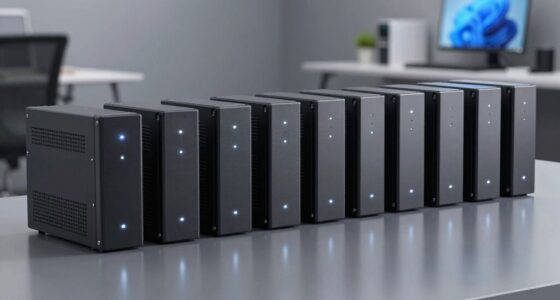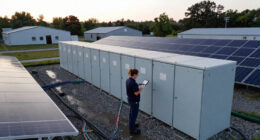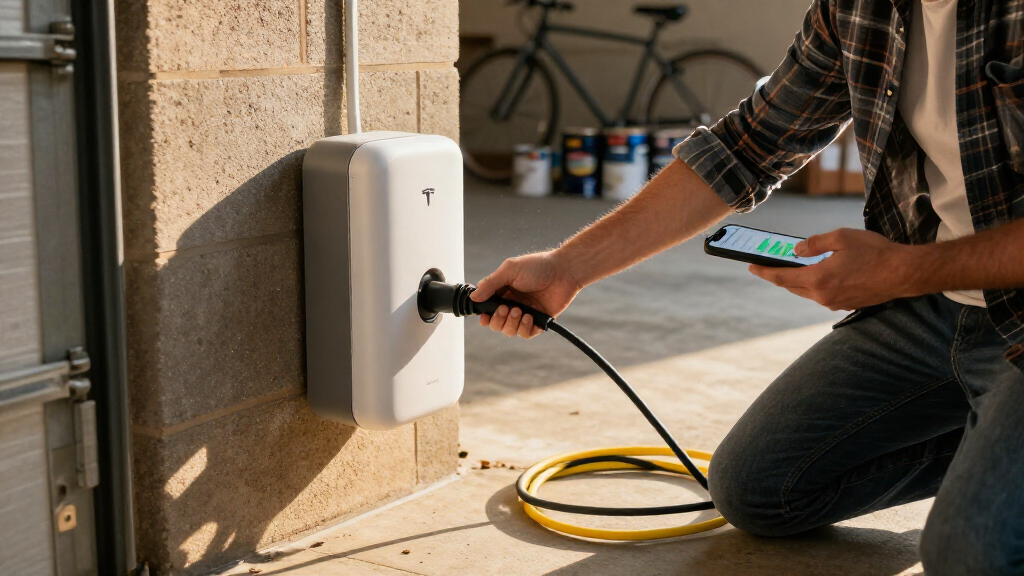
Choosing the best residential energy storage systems means balancing raw capacity with ease of installation and grid compatibility. My top overall pick is the ECO-WORTHY 10,240Wh LiFePO4 Home Backup Power System because it offers a rare combination of high wattage output and modular scalability without requiring complex custom wiring. For those prioritizing smart home integration and user-friendly interfaces, the Anker SOLIX E10 Home Backup System stands out with its seamless smart inlet box, while the EF ECOFLOW TITAN remains the go-to for portable versatility that can double as stationary backup. The primary tradeoff in this category is between pre-configured convenience and the cost savings of assembling raw battery banks, which often demands more technical know-how. Continue reading to see how these thirteen options stack up against each other for specific household needs.

Get backup power and energy gear delivered free with Prime
- Fast, free delivery on millions of items
- Prime Video, Amazon Music and more included
- Member-only deals all year
Key Takeaways
- The ECO-WORTHY brand dominates the value segment, offering multiple configurations that allow buyers to scale capacity from 10kWh to over 16kWh with varying inverter setups.
- Anker SOLIX and EF ECOFLOW lead in smart integration, providing app-controlled load management that raw battery kits like KEEPNOWN or AOUSK lack.
- Raw LiFePO4 battery banks (like VPauexii and AOUSK) offer the lowest cost per kWh but require separate inverters and significant installation expertise.
- SUNGOLDPOWER provides the most compact wall-mounted solution, ideal for garages or basements where floor space is limited, unlike the floor-standing rack systems.
- Off-grid kits like the ECO-WORTHY 10,000W Solar Power Kit bundle panels and batteries, reducing compatibility headaches but limiting component flexibility compared to à la carte purchases.
| ECO-WORTHY 10,240Wh LiFePO4 Home Backup Power System with 5,000W Inverter |  | Best Expandable Starter Kit | Battery chemistry: LiFePO4 | Battery configuration: Two 51.2V, 100Ah batteries | Total battery capacity: 10,240Wh | VIEW LATEST PRICE | See Our Full Breakdown |
| EF ECOFLOW TITAN 5017Wh Portable Power Station with Smart Home Panel 10 |  | Best for Whole-Home Circuit Backup | Battery chemistry: Lithium iron phosphate (LFP) | Included capacity: 5,017Wh | Expandable capacity: 5kWh–30kWh | VIEW LATEST PRICE | See Our Full Breakdown |
| ECO-WORTHY PowerMega 48V 314Ah LiFePO4 Energy Storage System with 10kW Hybrid Inverter |  | Best High-Capacity Integrated System | Battery chemistry: LiFePO4 | Battery voltage and capacity: 51.2V, 314Ah | Usable energy: 16.1kWh | VIEW LATEST PRICE | See Our Full Breakdown |
| ECO-WORTHY Powermega 51.2V 314Ah LiFePO4 Battery, 16.07kWh |  | Best Expandable Battery for an Existing Inverter | Battery chemistry: LiFePO4 | Nominal voltage: 51.2V | Capacity: 314Ah | VIEW LATEST PRICE | See Our Full Breakdown |
| Anker SOLIX E10 Home Backup System with Smart Inlet Box and Two B6000 Batteries |  | Best for Solar-Forward Outdoor Backup | Battery chemistry: LFP | Included battery capacity: 12kWh with two B6000 modules | Expandable capacity: Up to 30kWh | VIEW LATEST PRICE | See Our Full Breakdown |
| ECO-WORTHY Cubix100 48V 600Ah LiFePO4 Battery System with RACK6 V3 Cabinet |  | Best Integrated High-Capacity System | Total Energy Capacity: 30.72 kWh | Battery Configuration: 6 x 100Ah LiFePO4 modules | System Voltage: 51.2 V DC | VIEW LATEST PRICE | See Our Full Breakdown |
| ECO-WORTHY Cubix100 48V 600Ah LiFePO4 Server Rack Battery System, 6-Pack |  | Best for Existing Rack Infrastructure | Total Energy Capacity: 30.72 kWh | Battery Quantity: 6 Units | Voltage: 51.2V per battery | VIEW LATEST PRICE | See Our Full Breakdown |
| KEEPNOWN PowerUltra 48V 314Ah LiFePO4 Battery with 16.08 kWh Capacity |  | Best Premium Standalone Battery | Energy Capacity: 16.07 kWh | Safety Features: Aerosol fire suppression, IP65 enclosure | Monitoring: 7-inch HD touchscreen, Bluetooth, Wi-Fi | VIEW LATEST PRICE | See Our Full Breakdown |
| AOUSK 48V 314Ah LiFePO4 Battery, 16.08 kWh |  | Best Value High-Capacity Unit | Energy Capacity: 16.07 kWh | Voltage: 51.2 V | Protection: Six-layer BMS, dual breakers | VIEW LATEST PRICE | See Our Full Breakdown |
| ECO-WORTHY 10,000W Off-Grid Solar Power Kit with 2,950W Panels and 16.1kWh Battery |  | Best All-in-One Off-Grid Starter Kit | System Type: Off-Grid Solar Power Kit | Inverter Output: 10,000W Continuous / 20,000W Peak | Battery Capacity: 16.076 kWh | VIEW LATEST PRICE | See Our Full Breakdown |
| Dawnice 51.2V 410Ah LiFePO4 Battery and 10kW Hybrid Solar Inverter |  | Best Integrated All-in-One Solution | Energy Capacity: 21kWh | Inverter Power: 10kW | Battery Chemistry: LiFePO4 | VIEW LATEST PRICE | See Our Full Breakdown |
| SUNGOLDPOWER CoreX 5 Elite 51.2V 100Ah Wall-Mounted Lithium Battery |  | Best for Scalable Expansion | Energy Capacity: 5.12kWh | Max Parallel Units: 15 | Warranty: 10 Years | VIEW LATEST PRICE | See Our Full Breakdown |
| VPauexii 51.2V 314Ah LiFePO4 Battery, 16.07kWh with 200A BMS and 250A Breaker |  | Best for High-Cycle Longevity | Energy Capacity: 16.07kWh | Cycle Life: >10,000 cycles | Fire Suppression: Automatic Aerosol | VIEW LATEST PRICE | See Our Full Breakdown |
| residential energy storage system | Warranty | Battery chemistry |
|---|---|---|
| ECO-WORTHY 10,240Wh LiFePO4 Ho | — | LiFePO4 |
| EF ECOFLOW TITAN 5017Wh Portab | — | Lithium iron phosphate (LFP) |
| ECO-WORTHY PowerMega 48V 314Ah | 10 years | LiFePO4 |
| ECO-WORTHY Powermega 51.2V 314 | — | LiFePO4 |
| Anker SOLIX E10 Home Backup Sy | 5 years for E10; 10 years for Smart Inlet Box | LFP |
| ECO-WORTHY Cubix100 48V 600Ah | 10 Years | — |
| ECO-WORTHY Cubix100 48V 600Ah | 10-Year Limited Warranty | — |
| KEEPNOWN PowerUltra 48V 314Ah | 10 Years | — |
| AOUSK 48V 314Ah LiFePO4 Batter | 5 Years | — |
| ECO-WORTHY 10,000W Off-Grid So | — | LiFePO₄ with 200A BMS |
| Dawnice 51.2V 410Ah LiFePO4 Ba | — | LiFePO4 |
| SUNGOLDPOWER CoreX 5 Elite 51. | 10 Years | — |
| VPauexii 51.2V 314Ah LiFePO4 B | 5 Years | — |
More Details on Our Top Picks
ECO-WORTHY 10,240Wh LiFePO4 Home Backup Power System with 5,000W Inverter
This kit pairs 10.24kWh of LiFePO4 storage with a 5,000W inverter and built-in 100A MPPT controller, making it a more complete starting point than the battery-only ECO-WORTHY Powermega 51.2V 314Ah. Bluetooth and Wi-Fi monitoring help track the two batteries, while the listed expansion limits leave room to add compatible batteries and inverters as backup needs grow. The main limitation is the inverter’s 120V output: unlike the PowerMega 48V system, which supports 120V and 240V from its included inverter, this kit needs multiple inverters in parallel for 208V or 240V. Its 236.9-pound weight also makes placement a planned installation task rather than a casual move. I’d choose it for modular growth, not for simple portability or split-phase power out of the box.
Pros:- Two LiFePO4 batteries provide 10,240Wh of stated total capacity.
- The 5,000W pure sine wave inverter includes a 100A MPPT charge controller.
- Bluetooth and Wi-Fi support battery monitoring through the ECO-WORTHY app.
- Supports expansion to as many as six inverters and 32 batteries.
Cons:- At 236.9 lb, the system is difficult to reposition once installed.
- One inverter provides 120V output; 208V or 240V requires multiple inverters in parallel.
Best for: Homeowners who want a battery-and-inverter kit with app monitoring and a path to expand storage over time.
Not ideal for: Buyers who need 120V/240V split-phase output from a single inverter or need to move the system frequently.
- Battery chemistry:LiFePO4
- Battery configuration:Two 51.2V, 100Ah batteries
- Total battery capacity:10,240Wh
- Inverter output:5,000W; 120V
- Peak output power:10,000W
- MPPT controller:100A
- Monitoring:Bluetooth and Wi-Fi via ECO-WORTHY app
- Maximum parallel expansion:6 inverters and 32 batteries
- Weight:236.9 lb
Our verdict“Choose this kit if you want expandable LiFePO4 storage and can work within its single-inverter 120V output.”
EF ECOFLOW TITAN 5017Wh Portable Power Station with Smart Home Panel 10
The TITAN’s standout advantage is its Smart Home Panel 10, which connects backup power to as many as 10 selected household circuits. Its 7,200W continuous 120V/240V split-phase output also avoids the multi-inverter setup needed to get higher-voltage output from the ECO-WORTHY 10,240Wh kit. The tradeoff is that the included power station starts with 5,017Wh, less stored energy than that ECO-WORTHY kit’s 10,240Wh; reaching the listed 30kWh maximum means adding capacity. AC, solar, and generator charging give households more ways to replenish it, and app-based management adds control. At 119 lb, it is not a grab-and-go backup unit, and panel installation and circuit integration call for a dedicated setup. I’d rank it for integrated home-circuit backup rather than maximum included storage.
Pros:- Smart Home Panel 10 supports backup for up to 10 circuits.
- Provides 7,200W continuous 120V/240V split-phase output.
- Capacity can expand from 5,017Wh up to 30kWh.
- Supports AC, solar, and generator charging.
Cons:- The included 5,017Wh capacity is lower than the ECO-WORTHY 10,240Wh kit’s included storage.
- The 119 lb unit is difficult to move, and panel integration requires a dedicated installation.
Best for: Homeowners who want selected household circuits backed up through a dedicated panel and need 120V/240V output.
Not ideal for: Buyers who want more than 5kWh of included storage without expansion or a system they can easily carry.
- Battery chemistry:Lithium iron phosphate (LFP)
- Included capacity:5,017Wh
- Expandable capacity:5kWh–30kWh
- Continuous output:7,200W
- Output voltage:120V/240V split-phase
- Solar input:Up to 4kW
- Backup circuits:Up to 10
- Connectivity:Wi-Fi, Bluetooth 5.0, and app control
- Weight:119 lb
Our verdict“Pick the TITAN if circuit-level home backup and split-phase output matter more than having the largest included battery capacity.”
ECO-WORTHY PowerMega 48V 314Ah LiFePO4 Energy Storage System with 10kW Hybrid Inverter
The PowerMega combines 16.1kWh of usable energy with a 10kW hybrid inverter, giving it a stronger single-package fit for substantial backup loads than the 10.24kWh ECO-WORTHY kit. It also supplies 120V and 240V from its included inverter, avoiding that kit’s need for multiple inverters to reach higher-voltage output. A 9,000-plus-cycle rating at 80% depth of discharge and safety hardware including an active-balancing BMS, breaker, and aerosol fire suppression make the system more specified for long-term stationary use. The tradeoff is logistics: this is a large battery delivered by truck freight, and the single-battery package does not include parallel connection cables. The separate Powermega 51.2V battery offers a similar capacity-focused path for buyers who already have an inverter, but this bundle is the clearer fit for those who want both core components together.
Pros:- Provides 16.1kWh usable energy with a 10,000W inverter.
- The included inverter supports both 120V and 240V output.
- Battery includes active balancing, a circuit breaker, and aerosol fire suppression.
- Offers LCD, Wi-Fi, Bluetooth, RS485, CAN, and RS232 monitoring or communication options.
Cons:- Parallel connection cables are not included with the single-battery package.
- The large battery ships by truck freight, requiring a suitable delivery address.
Best for: Homeowners seeking a high-capacity battery and 10kW hybrid inverter together for backup, solar storage, or off-grid use.
Not ideal for: Buyers who need an easy parcel delivery, want a lightweight system, or plan immediate parallel expansion without sourcing cables.
- Battery chemistry:LiFePO4
- Battery voltage and capacity:51.2V, 314Ah
- Usable energy:16.1kWh
- Inverter output:10,000W
- Output voltage:120V and 240V
- Cycle life:9,000+ cycles at 80% DoD
- Safety features:Active-balancing BMS, circuit breaker, aerosol fire suppression, and buzzer alarm
- Monitoring:LCD, Wi-Fi, and Bluetooth
- Warranty:10 years
Our verdict“Choose the PowerMega bundle if you want substantial usable storage and 120V/240V inverter output in one package.”
ECO-WORTHY Powermega 51.2V 314Ah LiFePO4 Battery, 16.07kWh
This battery is the component-first pick in the group: its 16.07kWh capacity and support for up to 15 units in parallel suit homeowners who already have a compatible inverter and want to build storage around it. Compared with the bundled ECO-WORTHY PowerMega 48V 314Ah system, it leaves inverter selection to the buyer, which can be an advantage for an existing installation but means there is no ready-to-run inverter in the package. Its 200A active-balancing BMS, external breaker, and aerosol fire-suppression modules add layers of protection, while the touchscreen and wireless monitoring make battery status easier to check. Integrated wheels help with positioning, but they do not change the delivery challenge: the large unit ships by palletized truck. I’d choose this battery for flexible expansion, not for buyers seeking a complete backup system in one box.
Pros:- Provides 16.07kWh of energy and supports parallel expansion to 15 units.
- 200A active-balancing BMS, external breaker, and aerosol fire-suppression modules are included.
- Seven-inch touchscreen plus Wi-Fi, Bluetooth, RS485, and CAN support monitoring and integration.
- Integrated wheels assist with positioning after delivery.
Cons:- This is a battery only; a compatible inverter is required for a complete storage system.
- Large size and palletized truck delivery require suitable access and handling.
Best for: Homeowners with a compatible inverter who want a high-capacity battery that can expand into a multi-unit storage bank.
Not ideal for: Buyers starting without an inverter or those unable to receive a large battery by palletized truck delivery.
- Battery chemistry:LiFePO4
- Nominal voltage:51.2V
- Capacity:314Ah
- Energy capacity:16.07kWh
- Maximum parallel units:15
- Battery management system:200A smart BMS with active cell balancing
- Display:7-inch HD touchscreen
- Connectivity:Wi-Fi, Bluetooth, RS485, and CAN
- Safety certification:UL 1973
Our verdict“Buy this battery if you already have a compatible inverter and want capacity that can grow across multiple units.”
Anker SOLIX E10 Home Backup System with Smart Inlet Box and Two B6000 Batteries
The Anker SOLIX E10 combines 12kWh of included LFP storage with 7.6kW continuous output and support for up to 9kW of solar input per unit. That makes it a strong match for households planning to recharge from solar, while its expansion ceiling of 30kWh gives the system room to grow. Compared with the EF ECOFLOW TITAN, which includes a Smart Home Panel for up to 10 circuits and specifies 120V/240V split-phase output, the E10’s listed package centers on its Smart Inlet Box and does not specify circuit count or output voltage. Its stated outdoor-use range from -4°F to 131°F adds placement flexibility, but the five-year E10 warranty is shorter than the 10-year warranty listed for the ECO-WORTHY PowerMega battery. Professional installation may still be needed, so the stack-and-plug design does not make every home setup hands-off.
Pros:- Two B6000 modules provide 12kWh of included LFP storage, expandable up to 30kWh.
- Delivers 7.6kW continuous output and up to 10kW peak output.
- Supports up to 9kW of solar input per unit and is compatible with existing solar systems and a Smart Generator.
- Stated operating range of -4°F to 131°F supports a broad range of installation conditions.
Cons:- Professional installation may be needed despite the described stack-and-plug setup.
- The included two-battery configuration provides 12kWh before expansion.
- The E10 has a five-year stated warranty, shorter than the 10-year warranty listed for the ECO-WORTHY PowerMega battery.
Best for: Solar-equipped homeowners who want expandable battery backup and a system specified for indoor or outdoor installation.
Not ideal for: Buyers who need a clearly specified split-phase output or circuit-backup count, or who prioritize a longer stated warranty for the power module.
- Battery chemistry:LFP
- Included battery capacity:12kWh with two B6000 modules
- Expandable capacity:Up to 30kWh
- Continuous output:7.6kW
- Peak output:10kW
- Solar input:9kW per unit
- Operating temperature:-4°F to 131°F
- Included components:E10 Power Module, two B6000 Battery Modules, Smart Inlet Box, and Metal Pad
- Warranty:5 years for E10; 10 years for Smart Inlet Box
Our verdict“Choose the E10 if solar input and expandable storage are priorities and your installation requirements match its listed connections and output details.”
ECO-WORTHY Cubix100 48V 600Ah LiFePO4 Battery System with RACK6 V3 Cabinet
This system stands out because it arrives as a complete, enclosed cabinet, eliminating the need to source and assemble a separate rack. With 30.72 kWh of capacity, it offers nearly double the storage of the standard 16 kWh units like the KEEPNOWN PowerUltra, making it ideal for homes with higher energy demands. The inclusion of a 600A busbar and pre-installed cabling simplifies the electrical integration process significantly. However, the 636 lb weight is a major logistical hurdle, requiring reinforced flooring and professional handling. While the ECO-WORTHY Cubix100 6-Pack offers similar capacity, this cabinet version provides superior protection and a cleaner aesthetic for visible installations. It is a turnkey solution for those who want to avoid the complexity of DIY rack assembly.
Pros:- Includes a dedicated RACK6 V3 cabinet for secure, organized storage.
- Provides 30.72 kWh of capacity, suitable for whole-home backup.
- Comes with a 600A busbar and all necessary installation accessories.
- Supports Bluetooth and Wi-Fi monitoring for remote status checks.
Cons:- Extremely heavy at 636 lb, complicating delivery and installation.
- Requires specific compatible inverters for full CAN/RS485 functionality.
Best for: Homeowners with dedicated utility rooms who want a high-capacity, pre-assembled battery bank without sourcing racks or busbars separately.
Not ideal for: Renters or those with limited floor space, as the heavy cabinet requires significant structural support and permanent placement.
- Total Energy Capacity:30.72 kWh
- Battery Configuration:6 x 100Ah LiFePO4 modules
- System Voltage:51.2 V DC
- Certifications:UL9540 DC, UL1973, CEC Listed
- Communication:CAN, RS485, Bluetooth, Wi-Fi
- Warranty:10 Years
- Weight:636 lb
Our verdict“This is the best choice for buyers who prioritize a ready-to-install, high-capacity battery bank with integrated safety enclosure.”
ECO-WORTHY Cubix100 48V 600Ah LiFePO4 Server Rack Battery System, 6-Pack
This bundle delivers the same 30.72 kWh capacity as its cabinet-equipped sibling but excludes the rack, making it perfect for those who already own a server rack or prefer a custom mounting solution. Compared to the ECO-WORTHY Cubix100 Cabinet Version, this option offers greater flexibility in placement, allowing you to integrate the batteries into an existing home lab or utility setup. The inclusion of an RSD button and parallel cables ensures safety and ease of connection. However, the lack of an enclosure means the batteries are exposed, requiring a secure, dry environment. It also supports expansion up to 32 units, surpassing the parallel limits of many competitors. This is a value-driven choice for DIY enthusiasts who have the infrastructure but need high-capacity cells.
Pros:- Provides 30.72 kWh of storage without the bulk of a cabinet.
- Includes an RSD button for enhanced safety during maintenance.
- Supports parallel expansion of up to 32 units for scalability.
- Offers CAN/RS485 communication for advanced inverter integration.
Cons:- Server rack is not included, adding to the total project cost.
- Batteries may arrive in separate packages, causing installation delays.
Best for: DIY solar installers and homeowners who already possess a compatible server rack and want to maximize storage density.
Not ideal for: First-time buyers who need a plug-and-play solution, as mounting and securing the batteries requires technical know-how.
- Total Energy Capacity:30.72 kWh
- Battery Quantity:6 Units
- Voltage:51.2V per battery
- Rack Included:No
- Communication:CAN/RS485, Bluetooth, Wi-Fi
- Warranty:10-Year Limited Warranty
- Certifications:UL9540, UL1973, CEC Listed
Our verdict“This pack is the most cost-effective way to achieve high-capacity storage if you already have a rack system in place.”
KEEPNOWN PowerUltra 48V 314Ah LiFePO4 Battery with 16.08 kWh Capacity
The KEEPNOWN PowerUltra distinguishes itself with a robust IP65 enclosure and integrated aerosol fire suppression, offering a level of safety rarely seen in standard residential batteries. While the AOUSK 48V 314Ah offers similar capacity, the PowerUltra’s built-in suppression system provides peace of mind for indoor installations. The 7-inch HD touchscreen allows for detailed local monitoring without relying solely on an app, a feature missing in many competitors. However, at 288.81 lbs, it is heavy and requires careful positioning using its handles and casters. The 16.08 kWh capacity is substantial but less than the 30 kWh offered by the ECO-WORTHY Cubix100 systems. This battery is best for users who prioritize advanced safety features and local data visibility over raw capacity per dollar.
Pros:- Includes aerosol fire suppression and IP65 rating for enhanced safety.
- Features a 7-inch HD color touchscreen for local status monitoring.
- Supports parallel expansion of up to 15 units for future scaling.
- Includes handles and casters for easier maneuvering during installation.
Cons:- Heavier than many comparable 16 kWh units at 288.81 lbs.
- Requires compatible inverter equipment to utilize full communication protocols.
Best for: Safety-conscious buyers who want a self-contained, fire-suppressed battery with a local display for monitoring.
Not ideal for: Those seeking the highest capacity per unit, as competitors like the ECO-WORTHY Cubix100 offer double the storage in a similar footprint.
- Energy Capacity:16.07 kWh
- Safety Features:Aerosol fire suppression, IP65 enclosure
- Monitoring:7-inch HD touchscreen, Bluetooth, Wi-Fi
- Parallel Expansion:Up to 15 units
- Cycle Life:8000+ cycles at 80% DOD
- Weight:288.81 lbs
- Warranty:10 Years
Our verdict“This is the top pick for homeowners who want maximum built-in safety features and a user-friendly local interface.”
AOUSK 48V 314Ah LiFePO4 Battery, 16.08 kWh
This battery offers a compelling balance of capacity and cost, providing 16.08 kWh with a 200A BMS and dual breakers for robust protection. It competes directly with the KEEPNOWN PowerUltra but lacks the integrated fire suppression and touchscreen, making it a more streamlined and likely more affordable option. The six-layer BMS protection ensures reliability, while the built-in wheels and handles aid in positioning despite its 291 lb weight. With a 5-year warranty, it falls short of the 10-year coverage offered by ECO-WORTHY and KEEPNOWN models, which is a significant consideration for long-term value. However, for buyers who prioritize immediate capacity and basic connectivity via RS232/RS485 over premium safety tech, this unit delivers solid performance without unnecessary extras.
Pros:- Provides 16.08 kWh of storage with a space-saving form factor.
- Includes dual breakers and a 200A BMS for overload protection.
- Supports multiple monitoring methods including display, app, and PC.
- Equipped with heavy-duty wheels and handles for easier placement.
Cons:- Shorter 5-year warranty compared to 10-year industry standards.
- Heavy at 291 lb, requiring assistance for safe installation.
Best for: Budget-conscious homeowners who need reliable 16 kWh storage with basic monitoring and protection features.
Not ideal for: Buyers seeking long-term warranty coverage or advanced safety systems like fire suppression, as this model has a shorter warranty.
- Energy Capacity:16.07 kWh
- Voltage:51.2 V
- Protection:Six-layer BMS, dual breakers
- Communication:RS485, CAN, RS232, Bluetooth, Wi-Fi
- Cycle Life:Up to 6,000 cycles
- Warranty:5 Years
- Weight:291 lb
Our verdict“This is a practical choice for those who want substantial storage capacity without paying for premium safety integrations.”
ECO-WORTHY 10,000W Off-Grid Solar Power Kit with 2,950W Panels and 16.1kWh Battery
Unlike the standalone batteries reviewed above, this kit bundles solar panels, an inverter, and a battery into a single package, simplifying the sourcing process for off-grid projects. The 10,000W split-phase inverter handles heavy loads, while the 2,950W panel array provides renewable charging capability. However, the solar capacity is modest relative to the inverter’s output, meaning you may need additional panels for full daytime autonomy. Compared to buying components separately, this kit ensures compatibility between the 48V 314Ah battery and the inverter’s dual MPPT controllers. The main drawback is the recommendation for professional installation, as improper setup can lead to safety issues. This is an excellent entry point for those new to off-grid systems who want a verified, compatible set of core components.
Pros:- Includes panels, battery, inverter, and cables for a complete system.
- Inverter supports 120V/240V split-phase output for standard home appliances.
- Battery features a display, wheels, and multiple connectivity options.
- System is scalable with parallel battery and inverter connections.
Cons:- Solar panel capacity (2,950W) is lower than the inverter’s continuous output.
- Requires professional installation to ensure safety and performance.
Best for: Beginners or small off-grid cabin owners who want a pre-matched solar, battery, and inverter system in one purchase.
Not ideal for: Experienced installers who prefer to select specific high-performance components individually for optimized efficiency.
- System Type:Off-Grid Solar Power Kit
- Inverter Output:10,000W Continuous / 20,000W Peak
- Battery Capacity:16.076 kWh
- Solar Panel Capacity:2,950W (5 x 590W Panels)
- Battery Chemistry:LiFePO₄ with 200A BMS
- Connectivity:Bluetooth, Wi-Fi, PC, RS485, CAN
- Output Voltage:120V / 240V Split-Phase
Our verdict“This kit is the most convenient way to start an off-grid system if you value component compatibility over custom configuration.”
Dawnice 51.2V 410Ah LiFePO4 Battery and 10kW Hybrid Solar Inverter
This system stands out because it solves the integration headache by bundling a massive 21kWh battery with a 10kW hybrid inverter. Unlike the SUNGOLDPOWER CoreX 5 Elite, which requires you to source a compatible inverter separately, the Dawnice unit arrives ready to connect to solar panels, the grid, or a generator. The built-in 200A BMS and dual MPPT charge controllers simplify wiring, making it a strong choice for homeowners who want a turnkey backup system without negotiating compatibility between brands. The tradeoff is the sheer physical footprint; this is a large installation that demands dedicated space and careful planning. While the app monitoring is convenient, relying on an external Wi-Fi module for remote control adds a layer of complexity that some users might find unnecessary compared to more streamlined competitors.
Pros:- Bundled 10kW hybrid inverter simplifies system integration and reduces sourcing complexity.
- High 21kWh capacity provides extended backup for critical household loads.
- Dual MPPT charge controllers allow for efficient solar input management.
Cons:- Large physical footprint requires significant installation planning.
- Remote inverter control depends on an external Wi-Fi module.
- Limited scalability beyond 3 parallel units compared to rack-mounted alternatives.
Best for: Homeowners seeking a single-source backup system with high capacity and hybrid grid/solar capabilities.
Not ideal for: DIY enthusiasts who already own a preferred inverter brand or those with limited utility room space.
- Energy Capacity:21kWh
- Inverter Power:10kW
- Battery Chemistry:LiFePO4
- Parallel Capability:Up to 3 units
- Input Sources:PV, Grid, Generator, Battery
- Monitoring:App and Wi-Fi
Our verdict“This is the ideal choice for those who prioritize ease of integration and high capacity in a single package.”
SUNGOLDPOWER CoreX 5 Elite 51.2V 100Ah Wall-Mounted Lithium Battery
The SUNGOLDPOWER CoreX 5 Elite is designed for users who want to start small and grow their system over time. With the ability to connect up to 15 units in parallel, this battery offers a level of scalability that the Dawnice 21kWh System simply cannot match, as the Dawnice is limited to three units. Its 10-year warranty and EVE lithium-ion cells provide long-term reliability, while the aluminum enclosure ensures durability in various mounting environments. However, the 105.8 lb weight makes installation physically demanding, often requiring two people or mechanical aids. Additionally, this is a battery-only solution, meaning you must ensure your existing inverter supports CAN or RS485 communication, which adds a compatibility check that integrated systems avoid.
Pros:- Supports up to 15 parallel units for massive system scalability.
- 10-year warranty provides long-term peace of mind.
- Aluminum enclosure offers robust protection and heat dissipation.
Cons:- Heavy weight (105.8 lb) complicates wall mounting.
- Requires specific inverter compatibility (CAN/RS485) for full functionality.
- Lower per-unit capacity compared to larger rack-mounted batteries.
Best for: Users with existing compatible inverters who plan to expand their energy storage capacity incrementally.
Not ideal for: Those without a compatible inverter or anyone unable to handle the heavy 105.8 lb unit during installation.
- Energy Capacity:5.12kWh
- Max Parallel Units:15
- Warranty:10 Years
- Weight:105.8 lb
- Communication:CAN, RS485
- Cycle Life:5,000 cycles
- Cell Type:EVE Lithium-ion
Our verdict“Choose this if you value modular expansion and have a compatible inverter setup ready for integration.”
VPauexii 51.2V 314Ah LiFePO4 Battery, 16.07kWh with 200A BMS and 250A Breaker
This battery targets users who prioritize lifespan and safety over immediate all-in-one convenience. With a manufacturer-stated 10,000+ cycle life, the VPauexii outlasts many competitors, including the SUNGOLDPOWER CoreX 5 Elite, which is rated for 5,000 cycles. The inclusion of an automatic aerosol fire suppression system is a standout safety feature rarely found in this price bracket, offering peace of mind for indoor installations. It delivers a substantial 16.07kWh of storage in a single unit, bridging the gap between small modular batteries and massive custom racks. The tradeoff is the dependency on specific operating conditions to achieve that high cycle count, and like other standalone batteries, it requires a compatible inverter to function, adding to the initial setup complexity.
Pros:- Manufacturer states over 10,000 cycles, suggesting exceptional longevity.
- Built-in automatic aerosol fire suppression enhances safety.
- High 16.07kWh capacity per unit reduces the number of batteries needed.
Cons:- Standalone unit requires a separate compatible inverter.
- Stated cycle life depends on strict adherence to recommended operating conditions.
- Large physical size may not fit tight utility spaces.
Best for: Long-term homeowners who want maximum lifespan and enhanced fire safety features in a standalone battery.
Not ideal for: Users looking for a plug-and-play system with an included inverter or those with strict budget constraints.
- Energy Capacity:16.07kWh
- Cycle Life:>10,000 cycles
- Fire Suppression:Automatic Aerosol
- BMS Current:200A
- Breaker:250A
- Parallel Capability:Up to 15 units
- Warranty:5 Years
Our verdict“This is the best option for users who value long-term durability and advanced safety features over integrated convenience.”
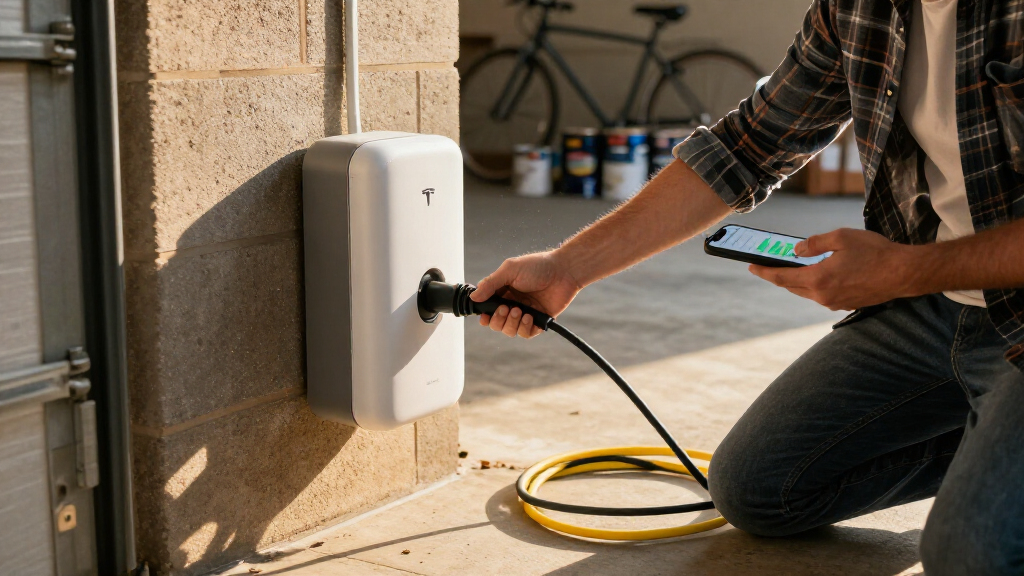
How We Picked
I evaluated these systems based on three core pillars: usability, scalability, and integration. First, I looked at how easily a homeowner could install and operate the system. Pre-configured units with built-in inverters and smart panels scored higher than raw battery racks that require separate power electronics and complex wiring diagrams. Second, scalability was judged by the ability to expand capacity. Systems that allow adding more battery modules or upgrading the inverter without replacing the entire setup received priority. Third, integration with existing home infrastructure was key. I favored systems with clear pathways for connecting to the main electrical panel or solar arrays, rather than those that function primarily as portable generators. The ranking logic also weighed the cost-per-kWh efficiency against the hidden labor costs. While a raw 16kWh battery bank might appear cheaper on paper, the requirement for a separate hybrid inverter, proper disconnects, and professional installation often erodes that advantage. Therefore, all-in-one systems or kits with matched components were ranked higher for general residential use, while raw banks were reserved for DIY enthusiasts and off-grid specialists who already possess the necessary electrical knowledge and tools.
| residential energy storage system | Battery chemistry |
|---|---|
| ECO-WORTHY 10,240Wh LiFePO4 Ho | LiFePO4 |
| EF ECOFLOW TITAN 5017Wh Portab | Lithium iron phosphate (LFP) |
| ECO-WORTHY PowerMega 48V 314Ah | LiFePO4 |
| ECO-WORTHY Powermega 51.2V 314 | LiFePO4 |
| Anker SOLIX E10 Home Backup Sy | LFP |
| ECO-WORTHY Cubix100 48V 600Ah | — |
| ECO-WORTHY Cubix100 48V 600Ah | — |
| KEEPNOWN PowerUltra 48V 314Ah | — |
| AOUSK 48V 314Ah LiFePO4 Batter | — |
| ECO-WORTHY 10,000W Off-Grid So | LiFePO₄ with 200A BMS |
| Dawnice 51.2V 410Ah LiFePO4 Ba | LiFePO4 |
| SUNGOLDPOWER CoreX 5 Elite 51. | — |
| VPauexii 51.2V 314Ah LiFePO4 B | — |
Factors to Consider When Choosing Best Residential Energy Storage Systems
Selecting a residential energy storage system is not just about picking the biggest number on the spec sheet. It involves matching the technology to your home’s electrical architecture, your specific backup goals, and your willingness to engage in maintenance or installation tasks.Defining Your Backup Scope: Whole-Home vs. Essential Loads
Before looking at capacity, determine what you actually need to keep running. Whole-home backup requires a system capable of powering HVAC, electric stoves, and water pumps, demanding at least 20-30kWh of capacity and a 10kW+ continuous output. If you only need to keep lights, refrigerators, and Wi-Fi on during outages, a 5-10kWh system with a 3-5kW inverter is sufficient and significantly more affordable. Many buyers overbuy capacity because they confuse peak surge power with continuous running power. Always check the continuous wattage rating of the inverter, as this is the limit for simultaneous appliance use, not the peak number used for motor startups.
The Integration Factor: Smart Panels vs. Manual Transfer Switches
How the system connects to your home dictates its daily usability. Systems like the Anker SOLIX E10 or EcoFlow Smart Home Panel use smart transfer switches that automatically detect outages and switch loads, often allowing for app-based prioritization of which circuits stay on. In contrast, traditional setups rely on manual transfer switches or automatic transfer switches (ATS) that are less granular and require physical interaction during an outage. If you value automation and remote monitoring, prioritize systems with native smart panel integration. If you are comfortable with manual intervention and want to save on upfront hardware costs, a system paired with a standard ATS is a viable, lower-cost path.
Battery Chemistry and Lifespan Expectations
Virtually all modern residential storage systems now use Lithium Iron Phosphate (LiFePO4) chemistry. This is superior to older Lead-Acid or Nickel-Cadmium options due to its longer cycle life (often 4,000-6,000 cycles) and higher depth of discharge (80-90% usable). When comparing products, look for the warranty terms related to capacity retention. A 10-year warranty that guarantees 70% capacity at year 10 is standard. Be wary of systems that do not specify cycle life or depth of discharge clearly, as these metrics determine the long-term value proposition. Avoid systems that use proprietary battery management systems (BMS) that cannot be updated or serviced independently, as this can strand your investment if the manufacturer ceases support.
Installation Complexity and Professional Requirements
DIY capability varies wildly between products. Portable power stations like the EF ECOFLOW TITAN are plug-and-play for essential loads via extension cords, requiring no electrician for basic use. However, permanent home backup systems, especially those connecting to the main breaker panel, almost always require a licensed electrician for code compliance and safety. Raw battery racks like the ECO-WORTHY Cubix100 or KEEPNOWN PowerUltra are designed for rack mounting and require separate inverters, disconnects, and conduit work. Factor in the labor cost of hiring an electrician, which can range from $1,500 to $5,000 depending on local codes and the complexity of the integration, when calculating the true total cost of ownership.
Scalability and Future-Proofing Your Setup
Energy needs change. You might buy a system today for essential backup but add solar panels or an electric vehicle charger in two years. Hybrid inverters that support both solar input and battery discharge are a safer bet than pure battery-only systems. Check if the manufacturer offers stackable battery modules that allow you to increase capacity by adding more units to the same inverter. Some systems, like the ECO-WORTHY PowerMega, are designed to be expanded in parallel, while others are fixed capacity. Buying a system that cannot be expanded may force you to replace the entire unit sooner if your household energy demands grow.
Frequently Asked Questions
Can I connect these residential energy storage systems to my existing solar panels?
Most modern residential energy storage systems, particularly those with hybrid inverters like the ECO-WORTHY PowerMega or Dawnice kits, are designed to integrate with existing solar arrays. You will typically need to check the voltage compatibility between your solar panels and the inverter’s MPPT controllers. If your current system uses microinverters, you may need a specific AC-coupled battery solution or a transformer to step down the voltage, which adds complexity. Always verify the input voltage range and maximum solar input power of the new storage system against your existing panel specifications to avoid over-voltage damage or underutilization.
What is the difference between continuous and peak power output in these systems?
Continuous power is the amount of energy the system can deliver indefinitely without overheating or shutting down, while peak power is a short burst (usually a few seconds) used to start motor-driven appliances like refrigerators, well pumps, or air conditioners. For example, a system might have a 5,000W continuous rating but a 10,000W peak rating. You must ensure the continuous rating exceeds the total running wattage of all devices you plan to use simultaneously. If you try to run a 3,000W AC unit and a 1,500W heater on a 4,000W continuous system, it will trip, even if the peak rating is higher.
Do I need a permit to install a residential energy storage system?
In most jurisdictions, yes, you will need a permit for permanent installations that connect to your home’s electrical panel. This is to ensure compliance with the National Electrical Code (NEC) and local fire safety regulations, especially regarding battery placement and ventilation. Portable units that plug into wall outlets generally do not require permits for the unit itself, but if you install a permanent transfer switch to connect them to your home circuits, a permit is often required. Always check with your local building department before starting any permanent wiring modifications to avoid fines or insurance coverage issues.
How long do LiFePO4 batteries last in a residential setting?
LiFePO4 batteries typically last between 10 to 15 years or 4,000 to 6,000 full charge-discharge cycles, depending on usage patterns and environmental conditions. Factors that degrade lifespan include frequent deep discharges (going below 20%), extreme temperatures (especially charging below freezing), and high charge rates. Systems with advanced Battery Management Systems (BMS), such as the ECO-WORTHY or Anker models, help prolong life by balancing cells and preventing overcharging. Regular maintenance checks and keeping the system in a climate-controlled environment will maximize the useful life of the investment.
Is it cheaper to buy a raw battery bank and separate inverter or an all-in-one system?
Buying a raw battery bank (like the AOUSK or VPauexii 16kWh units) and a separate hybrid inverter can reduce the upfront hardware cost by 15-20% compared to branded all-in-one systems. However, this approach requires you to source compatible components, design the wiring, and often hire an electrician for installation, which can negate the savings. All-in-one systems offer better warranty support, integrated software, and easier troubleshooting. If you have electrical expertise and time to manage the assembly, the DIY route is cost-effective. For most homeowners, the convenience and safety of a pre-configured system are worth the premium.
Conclusion
The landscape of residential energy storage systems is diverse, but the right choice depends on your technical comfort level and backup goals. For the best overall balance of power, capacity, and ease of use, I recommend the ECO-WORTHY 10,240Wh LiFePO4 Home Backup Power System. It provides substantial capacity and a robust inverter without the steep learning curve of fully custom setups. Best for Beginners is the Anker SOLIX E10 Home Backup System, thanks to its intuitive smart inlet box and app integration that simplifies load management. If you are a DIY Enthusiast or Off-Grid Specialist, the ECO-WORTHY PowerMega or raw KEEPNOWN battery banks offer the best cost-per-kWh ratio, provided you have the skills to handle the integration. For those prioritizing Portability and Versatility, the EF ECOFLOW TITAN remains unmatched, allowing you to move from home backup to camping trips seamlessly. Ultimately, match the system’s complexity to your willingness to install and maintain it, and prioritize continuous power ratings over peak specs to ensure your critical loads stay on when it matters most.