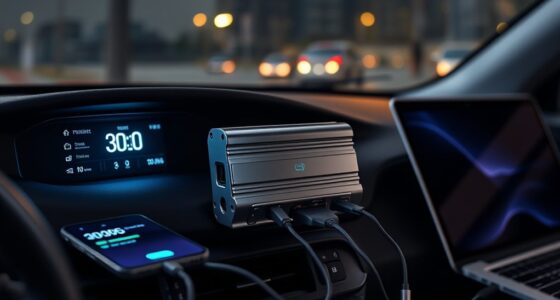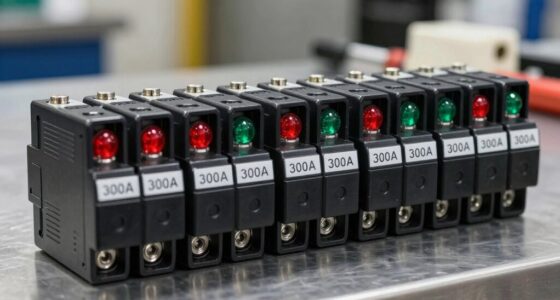
Shopping for the best home battery inverters means sorting through two very different products that often get lumped together: all-in-one hybrid energy storage systems and standalone DC-to-AC power inverters. The ECO-WORTHY Powermega 48V system earns the top spot because it bundles a 314Ah LiFePO4 battery, a 10kW hybrid inverter, and solar charging into one expandable package — everything a whole-home backup actually needs. For smaller budgets, the SUMRY 4000W hybrid inverter stands out with built-in MPPT solar control, while the BELTTT 3000W pure sine wave inverter is the strongest pick if you already own batteries. The main tradeoff in this category is cost and complexity versus simplicity and expandability, and pure sine wave output matters more than most buyers realize. Read on for the full breakdown, including which cheap inverters are worth it and which will frustrate you.

Get backup power and energy gear delivered free with Prime
- Fast, free delivery on millions of items
- Prime Video, Amazon Music and more included
- Member-only deals all year
Key Takeaways
- Only one product in this lineup — the ECO-WORTHY Powermega — is a true whole-home solution; the other six are power inverters that require you to supply and wire your own battery bank.
- Pure sine wave output (BELTTT, SUMRY, and the 2000W ETL-listed model) is the dividing line for safely running sensitive electronics like refrigerators, furnaces, and medical devices.
- 3000W inverters on a 12V input draw enormous current — several of the budget 3000W units are better matched to 24V or 48V systems in practice, despite what the label suggests.
- Certifications separated the safe picks from the risky ones: the ETL-listed 2000W model and the Powermega meet recognized standards, while several budget units carry none.
- Peak/surge ratings varied wildly in usefulness — 6000W peak is fine for motor startup, but sustained output and cooling quality determine whether an inverter survives real loads.
| ECO-WORTHY Powermega 48V 314Ah LiFePO4 Energy Storage System with 10kW Hybrid Inverter |  | Best Overall Whole-Home System | Usable Energy: 16.1kWh | Inverter Wattage: 10000W hybrid | Battery Chemistry: LiFePO4 (51.2V, 314Ah) | VIEW LATEST PRICE | See Our Full Breakdown |
| 3000W Power Inverter, 12V DC to 110V/120V AC Converter with 6000W Peak Power |  | Best Budget Workhorse | Continuous Power: 3000W | Peak Power: 6000W | Input / Output: 12V DC to 110V/120V AC | VIEW LATEST PRICE | See Our Full Breakdown |
| BELTTT 3000W Pure Sine Wave Power Inverter, 12V DC to 120V AC, 6000W Peak |  | Best for Sensitive Electronics on a 12V System | Continuous Power: 3000W | Peak Surge Power: 6000W | Waveform: Pure sine wave | VIEW LATEST PRICE | See Our Full Breakdown |
| SUMRY 4000W Hybrid Solar Inverter, DC 24V to AC 120V Pure Sine Wave with MPPT Controller |  | Best for Off-Grid Solar Builds | DC Input: 24V system | Waveform: Pure sine wave, 120V AC | MPPT Controller: 140A, up to 5600W / 350VDC PV input | VIEW LATEST PRICE | See Our Full Breakdown |
| 2000W Pure Sine Wave Power Inverter, 12V DC to 120V AC, ETL Listed to UL 458 |  | Best Portable Backup for Beginners | Continuous Output: 2000W | Peak/Surge Output: 4000W | Input / Output: 12V DC to 120V AC pure sine wave, 60Hz | VIEW LATEST PRICE | See Our Full Breakdown |
| Cantonape 3000W Power Inverter 12V to 110V/120V DC to AC with LCD Display |  | Best for Monitoring and Multi-Device Use | Continuous Power: 3000W | Surge Power: 6000W | Input Voltage: 12V DC | VIEW LATEST PRICE | See Our Full Breakdown |
| TOPBULL 3000W Power Inverter, 12V DC to 110V/120V AC Car Converter with Remote Control & LED Display |  | Best Value for Heavy-Duty RV and Off-Grid Power | Continuous Output: 3000W | Peak Output: 6000W | Input Voltage: 12V DC (all 12V and 12.8V batteries) | VIEW LATEST PRICE | See Our Full Breakdown |
| home battery inverter | Conversion Efficiency | Cooling |
|---|---|---|
| ECO-WORTHY Powermega 48V 314Ah | — | — |
| 3000W Power Inverter | Over 90% | Dual smart fans |
| BELTTT 3000W Pure Sine Wave Po | >93% | — |
| SUMRY 4000W Hybrid Solar Inver | — | 3 built-in fans |
| 2000W Pure Sine Wave Power Inv | — | — |
| Cantonape 3000W Power Inverter | >90% | Temperature-controlled fan |
| TOPBULL 3000W Power Inverter | 93%+ | Dual silent smart fans |
More Details on Our Top Picks
ECO-WORTHY Powermega 48V 314Ah LiFePO4 Energy Storage System with 10kW Hybrid Inverter
This option stands out as the only true whole-home energy storage system in the lineup — everything else here is a standalone inverter that still needs a battery, solar input, and charge controller sourced separately. Pairing a UL 1973-certified 16.1kWh battery with a 10kW hybrid inverter in one package eliminates the compatibility guesswork that plagues pieced-together builds like the SUMRY paired with third-party batteries. The 9,000+ cycle rating and 10-year warranty mean this is a decade-scale investment rather than a short-term backup gadget. Compared with the BELTTT or the 3000W 12V converters, the split-phase 240V output is what makes running well pumps, HVAC, and other heavy loads realistic. The tradeoffs are real: at 293 lbs it ships via freight, reports of inconsistent inverter versions mean appearance may vary, and split deliveries are common.
Pros:- Complete matched system removes battery-inverter compatibility guesswork
- 16.1kWh usable capacity with 9,000+ cycles and a 10-year warranty
- Split-phase 240V output handles heavy appliances most inverters here can’t touch
- Multi-layer safety including active balancing BMS, breaker, and fire suppression module
Cons:- 293-lb freight shipment with possible split deliveries
- Random inverter version shipping means appearance may vary
- Overkill in cost and complexity for small backup or RV needs
Best for: Homeowners who want a matched, warrantied battery-plus-inverter system capable of backing up an entire house including 240V appliances
Not ideal for: RV owners, campers, or anyone needing portable 12V power — it’s a permanently installed 293-lb system, not a mobile solution
- Usable Energy:16.1kWh
- Inverter Wattage:10000W hybrid
- Battery Chemistry:LiFePO4 (51.2V, 314Ah)
- Output:Split-phase 240V / 120V pure sine wave, 60Hz
- Cycle Life:9,000+ cycles at 80% DoD
- Certifications:UL 1973, FCC
- Warranty:10 years
Our verdict“If whole-home backup is the goal and you want one purchase instead of a DIY build, this is the clear pick — everyone with lighter needs should look further down the list.”
3000W Power Inverter, 12V DC to 110V/120V AC Converter with 6000W Peak Power
This model makes sense when the priority is raw wattage per dollar for running power tools, appliances, or campsite loads from a 12V bank. With 3000W continuous and 6000W peak output, it matches the BELTTT on paper for far less complexity, though buyers should note it’s a modified-sine-adjacent value option rather than a pure sine wave unit like the ETL-listed 2000W pick — fine for drills and resistive loads, riskier for TVs and laptops. The LCD showing voltage and battery level, plus a 14.8-ft wired remote, are genuinely useful at this price where the TOPBULL offers only an LED display. Real tradeoffs: just two AC outlets and one USB port constrains how you distribute that 3000W, and the remote is wired rather than wireless, so mounting flexibility is limited.
Pros:- 3000W continuous / 6000W peak power at a budget-friendly position
- LCD display shows real-time voltage, battery level, and protection status
- Long 14.8-ft wired remote allows mounting the unit out of the way
- Works with LiFePO4, AGM, GEL, and lead-acid batteries
Cons:- Only 2 AC outlets and 1 USB port limits device connectivity
- Wired remote is less flexible than wireless options
- Short 12-month support period compared with the ECO-WORTHY’s 10-year warranty
Best for: Budget-minded RV owners and off-grid tinkerers who need serious wattage for tools and resistive appliances from a 12V battery bank
Not ideal for: Anyone running sensitive electronics — without pure sine wave output, TVs, laptops, and audio gear are at risk of buzz, heat, or damage
- Continuous Power:3000W
- Peak Power:6000W
- Input / Output:12V DC to 110V/120V AC
- Conversion Efficiency:Over 90%
- Outlets:2 AC outlets, 1 USB port
- Cooling:Dual smart fans
- Warranty:12 months
Our verdict“A solid wattage-per-dollar choice for rugged, non-sensitive loads if you can live with limited outlets and modest support terms.”
BELTTT 3000W Pure Sine Wave Power Inverter, 12V DC to 120V AC, 6000W Peak
Where this unit earns its spot is the combination of 3000W of pure sine wave output and connection flexibility the cheaper 3000W converter lacks. The hardwire port and 20A outlet mean you can feed a subpanel or permanently wired loads instead of juggling plugs through two sockets — a genuine advantage for van builds and cabin setups. Compared with the SUMRY, the BELTTT skips solar entirely, but in exchange you get a cleaner 12V-native design with a 23-ft remote that beats the 3000W budget model’s 14.8-ft cable for installation flexibility. Efficiency above 93% slightly edges the other 3000W option too. The constraints: it’s 12V only, and at full 3000W draw on a 12V system you’re pulling around 250 amps, which demands very heavy cabling and substantial battery capacity — under-sizing the bank is the most common failure mode here.
Pros:- Pure sine wave output safe for home theaters, TVs, and other sensitive gear
- Hardwire port plus 20A outlet enables subpanel and permanent wiring
- 23-ft remote cable offers the most installation flexibility in this batch
- Comprehensive protections including reverse-connection and short-circuit safety
Cons:- 12V-only design excludes 24V and 48V systems
- Full-load 3000W draw requires heavy cabling and large battery capacity
Best for: Van lifers and cabin owners running clean power for TVs, laptops, and appliances who need hardwired outputs from a 12V battery bank
Not ideal for: Anyone on a 24V or 48V system, or users unwilling to size battery capacity and cabling for 250A draws at full load
- Continuous Power:3000W
- Peak Surge Power:6000W
- Waveform:Pure sine wave
- Conversion Efficiency:>93%
- Outputs:Dual AC sockets, 20A outlet, USB, hardwire port
- Remote Cable:23 ft wired
- Input:12V DC only
Our verdict“The strongest choice for clean, hardwireable power on a 12V system — just make sure your battery bank and wiring can keep up.”
SUMRY 4000W Hybrid Solar Inverter, DC 24V to AC 120V Pure Sine Wave with MPPT Controller
This is the pick for buyers whose real goal is solar-first off-grid power, because the built-in 140A MPPT controller accepting up to 5600W of panel input removes the need for a separate charge controller — something no other inverter here offers. The 98% solar conversion efficiency and ability to run with or without a battery make it uniquely suited to daytime-heavy loads like workshops or irrigation. With 4000W continuous and 8000W peak, it out-muscles the BELTTT’s 3000W rating, though its 120V-only output can’t touch the ECO-WORTHY’s split-phase 240V capability. Two quirks deserve attention: it draws grid power when PV voltage drops below 120V without a battery attached, and it’s strictly a 24V system — 12V and 48V banks are out. Careful load math is also needed since the 4000W ceiling fills up faster than buyers expect.
Pros:- Integrated 140A MPPT controller accepts up to 5600W of solar input
- 4000W continuous / 8000W peak output leads this lineup
- Works with or without a battery across AGM, Gel, lead-acid, lithium-ion, and LiFePO4
- 6.25-inch LCD touchscreen with tempered glass cover
Cons:- Draws grid power when PV voltage falls below 120V without a battery connected
- 24V-only — incompatible with 12V and 48V systems
- Requires careful load calculation to stay within output limits
Best for: Off-grid builders and workshop owners who want solar charging integrated into one unit and run most loads during daylight hours
Not ideal for: 12V or 48V battery system owners, and anyone without solar panels — its main advantages over simpler inverters go unused
- DC Input:24V system
- Waveform:Pure sine wave, 120V AC
- MPPT Controller:140A, up to 5600W / 350VDC PV input
- Max Conversion Efficiency:98%
- Cooling:3 built-in fans
- Compatible Batteries:AGM, Gel, Lead-acid, Lithium-ion, LiFePO4 (24V)
Our verdict“The smartest choice when solar panels are part of the plan and you want one box instead of an inverter plus charge controller — skip it if you’re purely battery-powered.”
2000W Pure Sine Wave Power Inverter, 12V DC to 120V AC, ETL Listed to UL 458
For first-time inverter buyers, this model makes the most sense because it prioritizes the things that actually matter in casual use: certified safety and low parasitic drain. The ETL listing to UL 458 is a real differentiator — none of the other standalone inverters here carry an equivalent mark — which matters for insurance and peace of mind when powering a refrigerator or medical-adjacent devices during an outage. The 7.5W idle draw means it won’t quietly drain a battery bank the way hungrier units can when left connected for weeks. Compared with the BELTTT, you give up 1000W of continuous capacity and the hardwire-friendly 20A output remains, but you gain a lighter, simpler package. Two annoyances: startup is defaulted to off and requires holding the power button about three seconds, and buyers must verify appliance startup surges stay under 4000W.
Pros:- ETL Listed to UL 458 with 8 built-in safety protections
- Low 7.5W idle draw preserves battery charge during standby
- Pure sine wave output safe for sensitive electronics
- Includes 10-ft wired remote and 20A hardwire output
Cons:- Default-off startup requires holding the power button ~3 seconds each time
- 2000W ceiling requires checking appliance startup wattage against the 4000W surge limit
Best for: First-time buyers and emergency-prep households who want certified-safe, efficient backup power for fridges, laptops, and essentials
Not ideal for: Users running power tools or multiple large appliances simultaneously — 2000W continuous fills up fast once a fridge and freezer both cycle on
- Continuous Output:2000W
- Peak/Surge Output:4000W
- Input / Output:12V DC to 120V AC pure sine wave, 60Hz
- Idle Draw:7.5W (0.55A at 13.6V)
- Outputs:2 AC outlets + 20A hardwire output
- Certification:ETL Listed to UL 458, RoHS
- Weight:6.7 lbs
Our verdict“The safest, simplest entry point for occasional home backup — choose a bigger unit if your load list includes power tools or simultaneous large appliances.”
Cantonape 3000W Power Inverter 12V to 110V/120V DC to AC with LCD Display
This option stands out for its four AC outlets and four USB ports, which is unusually generous at the 3000W level — the TOPBULL 3000W offers only two outlets despite similar power output. If you’re running several smaller devices at once during a camping trip or a power outage, that layout saves you from hunting for a power strip. The LCD display goes beyond a basic readout, showing voltage, battery capacity, and load along with fault codes, so diagnosing a problem mid-trip is far less frustrating than with the generic 3000W converter in this roundup, which gives you little feedback. Six layers of protection cover the common failure modes. The main tradeoff is the modified sine wave output: compared with the BELTTT pure sine wave model, it’s a poor match for sensitive electronics like CPAP machines or audio gear. The remote’s battery is also not included.
Pros:- Four AC outlets plus four USB ports let you run multiple devices without a power strip
- LCD display shows real-time voltage, battery capacity, and load with fault codes
- 6000W surge capacity handles motor and compressor startup loads
- Six protection systems guard against overload, short circuit, overheat, and reverse polarity
Cons:- Modified sine wave output can cause humming, heat, or malfunction in sensitive electronics
- Remote control requires a 12V 23A battery that isn’t included
- Aluminum body adds weight compared with plastic-housed alternatives
Best for: Campers and emergency-prep households who want to power several devices at once and monitor battery status at a glance
Not ideal for: Anyone running sensitive electronics like medical devices, stereos, or variable-speed tools that need clean pure sine wave power
- Continuous Power:3000W
- Surge Power:6000W
- Input Voltage:12V DC
- Output:110V/120V AC, 60Hz modified sine wave
- Outlets:4 AC, 4 USB
- Conversion Efficiency:>90%
- Cooling:Temperature-controlled fan
- Warranty:12 months
Our verdict“A solid pick for buyers who prioritize outlet count and real-time monitoring over waveform quality, provided their devices tolerate modified sine wave power.”
TOPBULL 3000W Power Inverter, 12V DC to 110V/120V AC Car Converter with Remote Control & LED Display
Where the Cantonape spreads its output across four outlets, the TOPBULL concentrates the same 3000W into two 20A AC outlets, making it better suited to feeding a couple of heavy-duty appliances — think RV air conditioners, microwaves, or jobsite tools — rather than a spread of small devices. Its 93%+ conversion efficiency edges out the Cantonape’s rating, which translates to slightly less battery drain over a long off-grid weekend. The 200ft wireless remote range and dual silent fans make it practical for fixed installations where the inverter lives in a battery compartment and you control it from inside the rig. Ten protection layers exceed the Cantonape’s six, and a full accessory set is included. The tradeoff is that pulling 3000W from 12V demands very heavy cabling and serious battery capacity, and like the Cantonape, the modified sine wave output can’t match the BELTTT pure sine model for delicate electronics.
Pros:- 93%+ conversion efficiency squeezes more runtime from the same battery bank
- 200ft wireless remote and graphical LED display suit fixed installations
- Ten-layer safety protection with pure copper internal components
- Dual silent smart fans keep it quiet enough for bedrooms and offices
Cons:- Only two AC outlets limits multi-device flexibility despite the high power rating
- 12V input at 3000W requires very heavy gauge cabling and substantial battery capacity
- Modified sine wave output is unsuitable for some sensitive electronics
Best for: RV owners and off-grid DIYers who need to run one or two large appliances from a 12V battery bank and want quiet, remotely controlled operation
Not ideal for: Buyers with modest battery banks or thin cabling — 3000W at 12V draws enormous current — or those needing more than two AC outlets
- Continuous Output:3000W
- Peak Output:6000W
- Input Voltage:12V DC (all 12V and 12.8V batteries)
- Output:110V/120V AC modified sine wave
- AC Outlets:2 x 20A
- USB Charging:3.4A USB, 30W USB-C fast charge
- Conversion Efficiency:93%+
- Cooling:Dual silent smart fans
- Remote Range:200 ft wireless
Our verdict“The strongest choice in this batch for big single-appliance loads in an RV or off-grid setup, as long as your battery bank and wiring can keep up with the current draw.”

How We Picked
I judged every product here against four buyer-relevant criteria: output quality (pure sine wave versus modified sine wave), capacity and scalability (whether the system can grow with your energy needs), safety and certification (UL/ETL listing, low-voltage protection, thermal management), and ease of installation (plug-and-play versus requiring a licensed electrician). Because this category mixes complete storage systems with bare inverters, I also weighed how much of a working setup each product actually delivers out of the box.
The ranking reflects that logic. The Powermega sits at the top because it solves the whole problem — battery, inverter, and solar charging in one unit. Hybrid inverters with MPPT controllers fill the middle tier for DIY solar builders. Standalone inverters are ranked by waveform quality, build, and monitoring features, with the ETL-listed 2000W unit punching above its weight on safety despite its smaller output.
Factors to Consider When Choosing Best Home Battery Inverters
Before you click buy on any of these inverters, step back and think about what you’re actually powering. The most common mistake in this category isn’t picking a bad product — it’s picking the wrong type of product entirely.Inverter or Full Energy System? Know Which You’re Buying
The single biggest confusion in this market is that “home battery inverter” describes two different purchases. A standalone inverter like the BELTTT or TOPBULL models converts DC power from batteries you already own into household AC power — it does nothing on its own. A system like the ECO-WORTHY Powermega ships with the battery, charging logic, and inverter integrated, which is why it costs and weighs so much more. If you don’t already have a battery bank and a charging plan, a bare inverter will leave you with a useless box. Conversely, if you have deep-cycle batteries from an RV or solar project, paying for an integrated system wastes serious money. Write down what you already own before comparing wattage numbers.
Why Pure Sine Wave Output Is Non-Negotiable for Home Use
Modified sine wave inverters are cheaper because they approximate AC power with choppy, stair-stepped voltage. Resistive loads like space heaters and incandescent bulbs don’t care, but anything with a motor or circuit board does. Refrigerator compressors run hotter and die sooner, furnace blower motors buzz and stall, and TVs, laptops, and CPAP machines can behave erratically or fail outright. Pure sine wave units — the BELTTT, SUMRY, and ETL-listed 2000W model in this roundup — produce the same smooth waveform as grid power. For whole-home backup, treat pure sine as a requirement, not an upgrade. Modified sine wave only makes sense for job sites running power tools.
Sizing: Continuous Watts, Surge Watts, and Honest Math
Buyers fixate on the big number on the box and ignore the two that matter. Continuous wattage is what the inverter sustains indefinitely; surge (or peak) wattage covers the few seconds a refrigerator or well pump needs to start. Add up the running watts of everything you’d power simultaneously, then confirm your surge rating covers your largest motor’s startup draw, which can be three to five times its running watts. Also do the voltage math: a 3000W inverter on a 12V battery pulls around 250 amps at full load, which demands massive cables and a battery bank most homeowners don’t have. That’s why 24V and 48V systems like the Powermega exist — halving or quartering the current makes everything safer and more efficient.
Battery Chemistry and Capacity Decide How Long You Last
The inverter is only half the equation — runtime comes from your battery, and chemistry determines how usable that battery is. LiFePO4 (lithium iron phosphate) batteries, like the Powermega’s 314Ah pack, deliver deep discharge without damage, handle thousands of cycles, and include battery management systems that prevent overcharging. Lead-acid banks cost less upfront but shouldn’t be discharged past 50%, effectively halving your capacity. A common mistake is pairing a big inverter with an undersized battery: a 3000W inverter can drain a single 100Ah battery in under 30 minutes at full load. Match your storage capacity to your realistic outage duration, not your best-case scenario.
Safety Certifications and Wiring Reality
An inverter pushing thousands of watts through your home is a fire risk if it’s poorly built or badly installed. Look for ETL or UL listings — the 2000W ETL-listed model in this lineup earned its spot partly on that basis — and treat unverified budget units with caution, especially for permanent installations. Wiring matters just as much as the hardware: undersized cables, loose terminals, and missing fuses cause more inverter failures than the electronics themselves. If you’re connecting to your home’s electrical panel rather than running extension cords, you need a transfer switch and, in most jurisdictions, a licensed electrician and permit. The money you save on a cheap uncertified inverter disappears fast after one avoidable incident.
Monitoring, Displays, and Remote Control
Once a system is running, you’ll want visibility into what it’s doing. LCD and LED displays showing input voltage, output load, and battery status — like those on the Cantonape and TOPBULL units — turn guesswork into data and help you catch problems like a sagging battery before it triggers a shutdown. Remote controls sound gimmicky until your inverter is mounted in a garage or utility closet and you’re tripping a breaker switch by flashlight at 2 a.m. Higher-end systems add app-based monitoring and programmable charging priorities, which matter if you’re blending solar, grid, and battery sources. Don’t pay a premium for connectivity you won’t use, but don’t buy a completely blind system for daily-use backup either.
Frequently Asked Questions
Can a 3000W inverter really run my whole house during an outage?
Probably not, and it’s worth being honest about that before buying. A 3000W inverter can run a refrigerator, some lights, a TV, and a few outlets simultaneously — but not an electric water heater, central AC, an electric dryer, or an electric range, which each demand 3,000 to 5,000+ watts on their own. Whole-home backup is why the 10kW ECO-WORTHY Powermega exists and why it costs so much more than a bare 3000W unit. The practical approach for smaller inverters is making an outage load list: identify the circuits you genuinely need (fridge, furnace blower, internet, medical devices) and total their running and startup watts. If that number creeps over 2,500 watts or your largest motor surges hard, step up in capacity or accept running things in shifts.
Is a 12V inverter a bad idea for home backup compared to 24V or 48V?
For anything beyond light duty, yes — 12V becomes a genuine limitation at the 3000W level. At full load, a 12V inverter draws roughly 250 amps from the battery, which requires extremely thick (and expensive) cabling, creates heat at every connection, and drains small battery banks dangerously fast. Four of the budget units in this roundup are 12V designs, and they work fine at 1000 to 1500 watts, but pushing them to their rated maximum strains both the inverter and the wiring. A 48V system like the Powermega moves the same power at one-quarter the current, which means cooler operation, thinner wiring, and better efficiency. If you’re building a permanent installation above roughly 2000W, choose 24V or 48V from the start rather than upgrading later.
Do I need an electrician to install one of these?
It depends entirely on how you plan to use the power. Running extension cords from the inverter to individual appliances — the way most people use a portable unit like the TOPBULL or Cantonape — requires no electrician at all, just careful attention to cable gauge and ventilation. The moment you want your home’s outlets and switches powered normally, you need a transfer switch wired into your electrical panel, and that’s licensed-electrician territory in most areas, with a permit. This isn’t bureaucracy for its own sake: backfeeding a panel without a transfer switch can electrocute utility workers during an outage. The ECO-WORTHY Powermega, as a permanent hybrid system, should always be professionally installed. Budget a few hundred dollars for installation on top of any integrated system purchase.
What’s the actual difference between hybrid inverters and regular inverters?
A regular inverter does one job: converting battery DC power into AC power. A hybrid inverter like the SUMRY 4000W or the Powermega’s built-in unit does that plus managing power sources — it can charge batteries from solar panels through an MPPT controller, blend solar and battery power, and in some cases pass through grid power when available. The practical benefit is that a hybrid unit is the brain of a self-managing system rather than just a converter you switch on manually. For solar users, the built-in MPPT controller alone replaces a separate charge controller purchase and optimizes panel output continuously. If you never plan to add solar panels, the hybrid features are wasted money and a quality pure sine wave inverter is the smarter buy. If solar is even a possibility in the next few years, starting hybrid saves you from buying twice.
How much battery capacity do I need behind the inverter?
Work backwards from runtime rather than picking a battery size by feel. Multiply the wattage of your essential loads by the hours you need them: a fridge averaging 150 watts for 12 hours is about 1.8 kilowatt-hours, and a 12V 100Ah battery holds roughly 1.2 kWh. That means one typical battery runs one fridge for less than a full day — a reality check for anyone pairing a 3000W inverter with a single battery. The Powermega’s 314Ah at 48V stores around 15 kWh, which is genuinely whole-day-plus territory for essential circuits. Remember that lead-acid chemistry only gives you half its rated capacity if you want it to last, while LiFePO4 gives you nearly all of it for thousands of cycles. A good rule: whatever capacity you calculate, add 30 percent for cold weather, battery aging, and the loads you forgot to count.
Conclusion
After comparing all seven, the decision comes down to one question: are you building a system or just converting power? For the best overall, the ECO-WORTHY Powermega 48V system is the only option here that delivers whole-home-capable backup out of the box, with 10kW of hybrid output and 15 kWh of LiFePO4 storage. The SUMRY 4000W hybrid inverter takes best value for solar builders — its MPPT controller and pure sine output cover what most DIY setups need at a fraction of an integrated system’s price. For best value on a plain inverter, the BELTTT 3000W pure sine wave edges out the crowded 3000W field on output quality and build.
If you’re a beginner or just want occasional backup power, the 2000W ETL-listed pure sine inverter is the safest entry point — certified, simple, and sized for realistic first-time loads. The Cantonape 3000W suits buyers who want load data at a glance thanks to its LCD display, and the TOPBULL 3000W with remote control fits mounted installations where you can’t reach the unit easily. Whatever you choose, size honestly, insist on pure sine wave for household electronics, and remember that the battery behind the inverter determines your runtime just as much as the inverter itself.
Halloween Picks
halloween
As an affiliate, we earn on qualifying purchases.