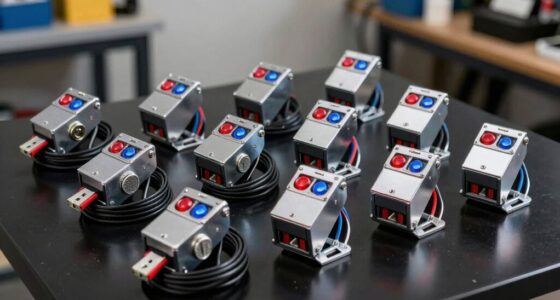
The best electric truck charging systems balance charging speed, electrical capacity, cable reach, and compatibility with your truck. My best overall pick is the Emporia Level 2 EV Charger, which combines a 48-amp rating with Wi-Fi features; the Autel MaxiCharger 50A stands out for connected home charging, while the Grizzl-E 40A offers a simpler plug-in setup. The main tradeoffs are hardwired versus outlet-based installation, higher charging rates versus household circuit capacity, and fixed stations versus portable flexibility. Truck owners also need to check connector fit and whether an adapter is required. Read on for the full breakdown and guidance on matching a charger to your electrical service and driving routine.

Get backup power and energy gear delivered free with Prime
- Fast, free delivery on millions of items
- Prime Video, Amazon Music and more included
- Member-only deals all year
Key Takeaways
- Emporia and the 48A Autel and ChargePoint options suit buyers seeking a permanent home station, but their higher output depends on compatible wiring and installation.
- Plug-in 40A chargers such as the Grizzl-E and EVDANCE give buyers more flexibility than hardwired stations, though a suitable 240V outlet is still required.
- Portable models trade charging power and convenience for flexibility: the EVDANCE Level 1 & 2 and Toptoo models can serve as backup or travel options, but their lower current is less suited to fast daily replenishment.
- The EVEMS240-100 addresses a different problem from a charger: it can manage limited electrical service capacity, so it matters most when a home panel cannot support a simple high-amperage installation.
- Connector and cable details separate compatible choices: J1772 models may need an adapter for some trucks, while the ApexCharger MACH 2 listing includes a NACS adapter and a 30-foot cable.


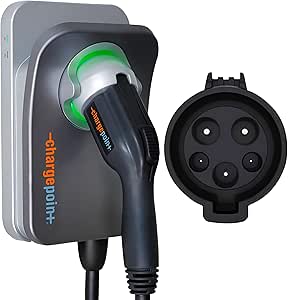
| electric truck charging system | Cable length | Maximum power | Connector | Warranty |
|---|---|---|---|---|
| Autel MaxiCharger Home Level 2 | 25 ft | 12,000W | J1772 | — |
| Autel MaxiCharger AC Home Leve | 25 ft | 12kW | J1772 | 3 years |
| EVEMS240-100 240V EV Energy Ma | — | — | — | — |
| Level 2 Fast EV Charger 50A 24 | 25 ft | — | SAE J1772 | 3 years |
| Autel MaxiCharger Level 2 Elec | 25 ft | 19.2kW | SAE J1772 | 5 years |
| BETUMODA Level 2 EV Charger | 25 ft | — | — | — |
| EVDANCE Level 1 & 2 Portable E | 25 ft | 3.84 kW | — | — |
| Toptoo Level 1+2 Portable EV C | — | 3.5 kW | J1772 | — |
| Grizzl-E Level 2 EV Charger | 24 ft | 10 kW | — | — |
| EVDANCE Level 2 EV Charger | 25 ft | 9.6 kW | J1772 | — |
| ApexCharger MACH 2 48-Amp Hard | 30 ft | — | — | 5 years |
| ELEGRP 40A Level 2 Portable EV | 25 ft | 9.6 kW | — | 2 years |
| Junsun Portable Level 1 and Le | 20 ft | 7 kW | SAE J1772 | 1 year |
| Emporia Level 2 EV Charger | 25 ft | — | SAE J1772 | 3 years |
| ChargePoint HomeFlex Level 2 E | 23 ft, cold-resistant | — | J1772 | 3 years |
More Details on Our Top Picks
Autel MaxiCharger Home Level 2 EV Charger, 50A J1772 Hardwired Station with WiFi & Bluetooth
The Autel MaxiCharger Home earns my best-overall spot for truck owners who want a capable hardwired system without committing to the 80A electrical demands of the premium Autel model. Its adjustable 16–50A output lets an electrician match charging to the home circuit, which can make it a more practical fit when a full service upgrade is not part of the plan. Wi-Fi, Bluetooth, and Ethernet add scheduling and remote monitoring, while the NEMA 4X enclosure suits exposed garage or outdoor installations. The 25-foot cable offers useful reach, though it may not cover every parking layout. Compared with the plug-in ENERGYGENIE charger, this Autel requires permanent wiring, but adds broader connectivity and RFID access control. Buyers still need a dedicated 240V circuit and professional installation.
Pros:- Adjustable 16–50A output can be matched to the home’s electrical capacity.
- Wi-Fi, Bluetooth, and Ethernet support app monitoring, scheduling, and firmware updates.
- NEMA 4X rating supports indoor and outdoor placement.
- Optional RFID access control can restrict who uses the station.
Cons:- Hardwired installation calls for professional electrical work.
- Requires a dedicated 240V circuit, which may mean additional electrical work.
- The 25-foot cable may not reach every truck parking position.
Best for: Electric-truck owners who want adjustable charging, app scheduling, and a weather-resistant hardwired station for a home garage or driveway.
Not ideal for: Renters or drivers who need a portable charger, and households whose parking setup needs more than 25 feet of cable.
- Charging level:Level 2
- Voltage:240V
- Maximum amperage:50A
- Adjustable amperage:16–50A
- Maximum power:12,000W
- Connector:J1772
- Cable length:25 ft
- Connectivity:Wi-Fi, Bluetooth, Ethernet
Our verdict“Choose this Autel for a flexible, connected home setup; choose the ENERGYGENIE if a plug-in portable unit matters more than hardwired features.”
Autel MaxiCharger AC Home Level 2 EV Charger, 50A, J1772, Hardwired, 25ft Cable
The Autel MaxiCharger AC Home suits truck owners who want a straightforward 50A hardwired station with app controls for setting charge times around their utility schedule. Its stated output of up to 12kW is suited to overnight home charging, and the 25-foot cable gives more parking flexibility than a short-reach installation. Wi-Fi, Bluetooth, and Ethernet support remote scheduling and firmware updates; the NEMA Type 4 housing is rated for indoor or outdoor use. Compared with the adjustable-amperage Autel MaxiCharger Home, the supplied details for this model do not specify an adjustable output range, so it offers less documented flexibility for matching a constrained circuit. It also shares the hardwired installation burden and J1772 connector limitation: check vehicle compatibility before buying, especially if the truck uses a different inlet.
Pros:- Up to 50A and 12kW output supports faster home charging than Level 1 equipment.
- Wi-Fi, Bluetooth, and Ethernet enable app scheduling and remote firmware updates.
- NEMA Type 4 rating supports indoor and outdoor installation.
- A 25-foot cable accommodates a range of home parking layouts.
Cons:- Hardwired installation requires professional electrical work.
- The supplied product details do not state an adjustable amperage range.
- J1772 compatibility may require an adapter for vehicles with a different connector.
Best for: Electric-truck drivers with a J1772 vehicle and a suitable 240V circuit who want connected scheduling for regular overnight charging.
Not ideal for: Drivers who need a portable plug-in unit, need a documented adjustable amperage range, or have a vehicle that cannot connect to J1772 without an adapter.
- Model:MaxiCharger AC Home
- Output voltage:240V AC
- Maximum amperage:50A
- Maximum power:12kW
- Connector:J1772
- Cable length:25 ft
- Connectivity:Wi-Fi, Bluetooth, Ethernet
- Warranty:3 years
Our verdict“Pick this model for connected overnight charging on a suitable J1772 setup, but favor the adjustable MaxiCharger Home if circuit flexibility is a priority.”
EVEMS240-100 240V EV Energy Management System for 60–100A Services
The EVEMS240-100 is not a charger; it is a load-management system for homes where adding a high-powered truck charger could strain a 60–100A electrical service. It monitors available capacity and can pause charging when household demand rises, making a compatible charger more workable without assuming the home can supply full output continuously. Its supported charging rates reach 48A, and the compact unit uses clip-on current monitors. That makes it a different kind of solution from either Autel MaxiCharger: those are complete charging stations, while this product must be paired with a separate EVSE. The fail-safe design is intended to prevent the controlled device remaining powered after a system failure. A qualified electrician is recommended, so this is best for buyers planning a coordinated electrical installation, not anyone seeking a ready-to-use charger.
Pros:- Monitors electrical capacity and pauses charging when needed.
- Supports compatible charging rates up to 48A.
- Compact enclosure with clip-on current monitors.
- Fail-safe design is intended to prevent uncontrolled charging after a system failure.
Cons:- EV charger is sold separately.
- A qualified electrician is recommended for installation.
- Charging availability can be interrupted when other household loads use capacity.
Best for: Homeowners with a 60–100A service who want to add truck charging while managing competing household electrical loads.
Not ideal for: Buyers looking for a complete charger in one purchase, or households without a compatible EVSE and access to a qualified electrician.
- Input voltage:240V
- Output voltage:240V
- Supported service size:60–100A
- Supported charge rates:16A, 20/24A, 30/32A, 40A, 48A
- Maximum supported charge rate:48A
- Dimensions:4 × 6 × 8 in (D × W × H)
- Installation:Qualified electrician recommended
- Listed compatibility:Autel, Grizzl-E, Tesla, ChargePoint, and other compatible EV chargers
Our verdict“Choose this system when service capacity is the barrier to adding a compatible charger; choose an Autel MaxiCharger if you need the charging station itself.”
Level 2 Fast EV Charger 50A 240V NEMA 14-50P with 25ft J1772 Cable
The ENERGYGENIE Level 2 is the most practical choice here for truck owners who want a charger they can unplug rather than a permanently hardwired station. Its NEMA 14-50 plug works with a compatible 240V outlet, and five current settings offer some flexibility when the outlet or vehicle setup calls for a lower charge rate. The 25-foot J1772 cable and IP54 housing support garage or sheltered outdoor use, while the delay timer can help schedule charging for off-peak hours. Compared with the Autel MaxiCharger Home, it gives up the listed Wi-Fi, Ethernet, and broader app functions in exchange for a plug-in format. Its 11.5kW output is substantial, but the outlet must be installed and rated for the load; this is not a way around electrical work if the home lacks a suitable circuit.
Pros:- Plug-in NEMA 14-50 format makes the unit removable and portable.
- Five current settings let users select a lower charging rate when appropriate.
- 25-foot J1772 cable provides useful reach around a parking space.
- IP54 housing and a delay timer suit home and travel charging routines.
Cons:- Requires a compatible NEMA 14-50 circuit, which may need professional installation.
- Its 11.5kW output is below the 12kW Autel 50A models and well below the 80A Autel.
- The listed features do not include the Wi-Fi, Bluetooth, or Ethernet control found on Autel models.
Best for: Truck owners with an existing compatible NEMA 14-50 outlet who want a portable Level 2 charger with adjustable current and a delay timer.
Not ideal for: Drivers without a suitable 240V outlet, or buyers seeking Ethernet-connected monitoring, hardwired installation, or a higher-output 80A system.
- Maximum current:50A
- Voltage:240V
- Power output:11.5kW
- Connector:SAE J1772
- Plug type:NEMA 14-50
- Cable length:25 ft
- Current settings:5
- Warranty:3 years
Our verdict“Choose ENERGYGENIE if you have a suitable NEMA 14-50 outlet and value portability over the hardwired smart features of the Autel stations.”
Autel MaxiCharger Level 2 Electric Vehicle (EV) Charger, up to 80 Amp Fast Charging, Integrated Cloud with AI, Indoor/Outdoor J1772 Hardwired
For truck owners who want the highest stated output in this group, the 80A Autel MaxiCharger is the premium hardwired pick. Its 19.2kW maximum output is aimed at vehicles capable of accepting high AC power and homes with electrical capacity to match; the stated range addition is roughly 70 miles per hour, though actual charging depends on the vehicle and conditions. AI-enabled app controls, dual-network connectivity, and a 25-foot J1772 cable add convenience, while the five-year warranty is longer than the three-year coverage listed for the other Autel units. This extra capacity comes with a major installation commitment: full performance calls for a dedicated 100A circuit and a professional electrician. Compared with the adjustable 50A MaxiCharger Home, it offers substantially more headroom but less suitability for a constrained panel or a truck that cannot use its higher output.
Pros:- Up to 80A and 19.2kW output provide the highest stated charging capacity in this group.
- AI-enabled app controls support scheduling and remote start or stop.
- Dual Wi-Fi and Wi-SUN connectivity are specified.
- Five-year warranty exceeds the three-year terms listed for the other Autel models.
Cons:- Full output requires a dedicated 100A circuit and professional installation.
- Higher capacity may not benefit trucks that accept less AC power.
- Hardwired J1772 setup is less flexible than a portable NEMA 14-50 charger.
Best for: Owners of high-capacity electric trucks with a compatible J1772 inlet and a home electrical system able to support a dedicated 100A circuit.
Not ideal for: Households with limited panel capacity, buyers who do not need high AC charging rates, or drivers who want a plug-in or lower-commitment installation.
- Output voltage:240V AC
- Maximum amperage:80A
- Maximum power:19.2kW
- Connector:SAE J1772
- Ports:1
- Cable length:25 ft
- Connectivity:Wi-Fi, Wi-SUN
- Dimensions:16 × 5 × 7 in (D × W × H)
- Warranty:5 years
Our verdict“Choose this Autel only if your truck and electrical service can make use of 80A charging; otherwise, the adjustable 50A MaxiCharger Home is a more flexible fit.”
BETUMODA Level 2 EV Charger, 40A, 240V, 9.6 kW, 25 ft Cable
The BETUMODA stands out for drivers who want a portable 40A charger with more control over charging current than a basic plug-in unit. Its five settings, from 8A to 40A, can help match charging to the circuit and reduce the need to run at full power every time. The 25-foot cable also gives more placement flexibility than the Grizzl-E’s 24-foot lead, while its 1–12-hour delay timer supports scheduled starts.
The tradeoff is that this is a NEMA 14-50-only setup, so it is less adaptable to ordinary household outlets than the EVDANCE Level 1 & 2 model. It is specified for dry environments and properly grounded outlets, which limits where I’d plan to use it. Tesla owners also need a separately sold adapter.
Pros:- Five current settings from 8A to 40A accommodate different charging needs.
- 25-foot cable offers useful reach in a garage or driveway.
- 1–12-hour delay timer supports scheduled charging.
- Includes over-voltage, over-current, overheating, and short-circuit protection.
Cons:- Requires a NEMA 14-50 outlet and a properly grounded electrical setup.
- Recommended for dry environments, limiting outdoor placement.
- Tesla adapter is sold separately.
Best for: J1772 truck and car owners with a grounded NEMA 14-50 outlet who want several current settings and a long cable.
Not ideal for: Drivers who need weather-resistant outdoor charging, household-outlet fallback, or Tesla compatibility without buying an adapter.
- Charging level:Level 2
- Maximum output:40A, 9.6 kW
- Voltage:240V AC
- Current settings:8A, 16A, 24A, 32A, 40A
- Plug:NEMA 14-50
- Vehicle connector:SAE J1772
- Cable length:25 ft
- Delay timer:1–12 hours
Our verdict“Choose the BETUMODA if you have a suitable NEMA 14-50 outlet and value adjustable current more than all-weather flexibility.”
EVDANCE Level 1 & 2 Portable EV Charger, J1772 EVSE with 25ft Cable, 16A/12A, NEMA 5-15 & 6-20 Plugs, ETL Listed
The EVDANCE EV-ACS1601U is the most flexible pick here for drivers who cannot count on finding a 240V outlet everywhere. It supports 120V Level 1 and 240V Level 2 charging, with NEMA 5-15 and 6-20 adapters, so a household outlet can serve as a slower fallback. Its 25-foot cable, 7-pound weight, and carrying bag also suit truck owners who travel between home, work, and other J1772 charging locations.
That flexibility comes with a lower ceiling: at 3.84 kW and 16A, it charges much more slowly than the 40A BETUMODA or Grizzl-E. The IP66 rating and ETL listing are useful distinctions for portable use, but this model does not support NEMA 14-50 directly, and the listed compatibility excludes some specific vehicles. Tesla drivers need an adapter.
Pros:- Supports both 120V and 240V charging.
- Includes NEMA 5-15 and 6-20 plugs for more outlet options.
- 25-foot cable, carrying bag, and 7-pound weight suit travel use.
- IP66 rated and ETL listed.
Cons:- Maximum output of 3.84 kW and 16A is slower than the 40A chargers in this group.
- Does not directly support NEMA 14-50, 14-30, 10-30, or 6-50 outlets.
- Tesla vehicles need a separate adapter, and some listed vehicle models are incompatible.
Best for: J1772 vehicle owners who travel or need both household-outlet fallback and a modest 240V charging option.
Not ideal for: Truck owners prioritizing the fastest home charging, or anyone whose available outlet is NEMA 14-50 without an appropriate separate adapter.
- Model:EV-ACS1601U
- Charging levels:Level 1 and Level 2
- Voltage:120V / 240V
- Amperage:12A / 16A
- Maximum power:3.84 kW
- Plug types:NEMA 5-15 and NEMA 6-20
- Cable length:25 ft
- Weight:7 lb
Our verdict“Pick this EVDANCE model when outlet flexibility and portability matter more than charging speed.”
Toptoo Level 1+2 Portable EV Charger, 16A 3.5KW, J1772 Compatible with 1.8-Inch LCD Display
The Toptoo’s strongest case is its 1.8-inch LCD, which shows current, voltage, power, and temperature at the charger. For a truck owner who wants to check what a circuit is delivering without relying on a phone app, that direct readout is more informative than the LED status display on the EVDANCE Level 1 & 2 charger. It also supports 110V–240V input and offers scheduling, making it a compact portable option for mixed charging situations.
Its output is capped at 16A and 3.5 kW, so it is not a match for buyers seeking the faster charging of the 40A Grizzl-E or BETUMODA. Level 2 use depends on a compatible 6-20P outlet; the included adapter is for Level 1 use. The product data also cautions against improper or non-compliant wiring, so I’d treat a suitable circuit as a prerequisite, not an afterthought.
Pros:- LCD displays current, voltage, power, and temperature.
- Supports 110V–240V input for Level 1 and Level 2 use.
- Customizable scheduling includes delayed start and duration limits.
- Includes overvoltage, overheating, and overload protection.
Cons:- 16A and 3.5 kW output is slower than the 40A chargers in this lineup.
- Level 2 charging requires a compatible 6-20P outlet.
- Improper wiring or non-compliant electrical setups pose a stated safety concern.
Best for: J1772 owners who want visible charging and temperature data on the unit and have access to compatible outlets.
Not ideal for: Drivers who need high-output truck charging, a broad range of outlet connections, or Level 2 use without a 6-20P outlet.
- Connector:J1772
- Charging levels:Level 1 and Level 2
- Input voltage:110V–240V
- Amperage:16A
- Maximum power:3.5 kW
- Display:1.8-inch LCD
- Plug type:6-20P, with US standard adapter included
- Safety features:Overvoltage, overheating, and overload protection
Our verdict“Choose the Toptoo if on-unit charging information matters more to you than the higher output offered by the Grizzl-E and BETUMODA.”
Grizzl-E Level 2 EV Charger, 240V/40A, NEMA 14-50 Plug, Avalanche Edition
The Grizzl-E is the strongest fit in this group for buyers who want a durable, outdoor-capable Level 2 unit rather than a charger primarily chosen for travel. Its metal case, IP67 rating, and UL and Energy Star certifications distinguish it from the BETUMODA, which is recommended for dry environments. Adjustable settings of 16A, 24A, 32A, and 40A also let owners match output to their circuit instead of always charging at maximum current.
At up to 40A and 10 kW, it has the output for faster home charging, while the 24-foot cable is just a foot shorter than the EVDANCE 40A model. The tradeoff is its 16.79-pound weight and dependence on a 240V NEMA 14-50 outlet; it is less convenient to carry between locations than the lighter portable options. Maximum output also requires a suitable dedicated circuit.
Pros:- Durable metal case with an IP67 rating for indoor or outdoor use.
- Adjustable 16A, 24A, 32A, and 40A settings suit different circuit capacities.
- UL and Energy Star certified.
- Built-in GFCI and over-current and over-temperature protections.
Cons:- Requires a suitable 240V circuit and NEMA 14-50 outlet for maximum output.
- At 16.79 pounds, it is heavier and less convenient to move than portable alternatives.
- Its 24-foot cable is shorter than the 25-foot leads on several other picks.
Best for: Truck owners seeking a robust indoor or outdoor home charger with adjustable output and a compatible 240V circuit.
Not ideal for: Drivers who need a lightweight travel charger, Level 1 fallback, or installation flexibility without a NEMA 14-50 outlet.
- Model:GR1, Avalanche Edition
- Voltage:240V
- Maximum current:40A
- Maximum power:10 kW
- Current settings:16A, 24A, 32A, 40A
- Plug type:NEMA 14-50
- Cable length:24 ft
- Weight:16.79 lb
Our verdict“Choose the Grizzl-E for a sturdy outdoor-capable home setup, not for lightweight portability or household-outlet fallback.”
EVDANCE Level 2 EV Charger, 40A 9.6kW Portable Electric Vehicle Charging Station with NEMA 14-50 Plug, 25ft Cable, Adjustable Current, and Delay Timer
This EVDANCE is a compelling choice for truck owners who want 40A Level 2 output in a portable package. It combines a 25-foot cable, adjustable current from 10A to 40A, and a delay-start function, so buyers can place the unit farther from the outlet and schedule charging around their routine. Its IP66 rating and stated operating range of -22°F to +122°F also give it a more weather-ready profile than the dry-environment BETUMODA.
The 2.4-inch TFT display adds live charging information, while the 11.59-pound weight is considerably below the Grizzl-E’s 16.79 pounds. Still, the EVDANCE is limited by its fixed NEMA 14-50 plug, and it needs a separate adapter for Tesla vehicles. It also offers 9.6 kW rather than the Grizzl-E’s stated 10 kW, so buyers choosing between them are trading a little listed output and rugged metal construction for a lighter, longer-cabled portable unit.
Pros:- Adjustable 10A–40A current supports different charging needs.
- 25-foot cable and 11.59-pound weight favor portable placement.
- IP66 rating and stated -22°F to +122°F operating range support varied weather conditions.
- 2.4-inch TFT display, delay start, and multiple safety protections.
Cons:- Fixed NEMA 14-50 plug limits use where that outlet is unavailable.
- Tesla vehicles require a separate J1772-to-Tesla adapter.
- Listed maximum output of 9.6 kW is below the Grizzl-E’s stated 10 kW.
Best for: J1772 truck owners with a NEMA 14-50 outlet who want a portable 40A charger with a long cable, display, and outdoor-rated housing.
Not ideal for: Drivers without a NEMA 14-50 outlet, Tesla owners unwilling to buy an adapter, or buyers seeking a metal-cased unit like the Grizzl-E.
- Model:EV-ACS4002U
- Connector:J1772
- Voltage:240V
- Maximum current:40A
- Maximum power:9.6 kW
- Plug type:NEMA 14-50P
- Cable length:25 ft
- Display:2.4-inch TFT screen
- Weight and operating range:11.59 lb; -22°F to +122°F
Our verdict“Pick this EVDANCE for portable 40A charging and a longer cable, provided you have a NEMA 14-50 outlet.”
ApexCharger MACH 2 48-Amp Hardwired Level 2 EV Charger with 30-Foot Cable and NACS Adapter
The ApexCharger MACH 2 is the most connector-flexible hardwired pick here: it pairs a J1772 cable with an included NACS adapter, useful when a household has compatible vehicles with different charge ports. Its 48-amp, 11.5-kW output and 30-foot cable give it an advantage over the Emporia’s 25-foot lead when the parking position is farther from the wall. Wi-Fi, Bluetooth, app control, RFID access, and a display also make access and charging status easier to manage. The tradeoff is installation: this is a hardwired, single-port station, not a portable option like the ELEGRP. Buyers should also confirm that the included adapter suits their vehicle; the J1772 connection remains the charger’s primary connector.
Pros:- 48 A and 11.5 kW output support high-power home Level 2 charging.
- Includes a NACS adapter alongside its J1772 connector.
- 30-foot cable offers more reach than the Emporia’s 25-foot cable.
- Wi-Fi, Bluetooth, app control, RFID cards, and a display offer several ways to manage charging.
Cons:- Hardwired installation calls for a suitable electrical circuit and installer.
- One charging port cannot serve two vehicles simultaneously.
- NACS use depends on vehicle and adapter compatibility.
Best for: Households with compatible J1772 and NACS vehicles that want one permanently mounted charger with extra cable reach and access controls.
Not ideal for: Drivers who need a portable charger, a plug-in installation, or two vehicles charging at once.
- Charging level:Level 2
- Installation:Hardwired, wall-mounted
- Output:240 V, up to 48 A and 11.5 kW
- Connectors:J1772 with included NACS adapter
- Cable length:30 ft
- Connectivity:Wi-Fi and Bluetooth
- Display:4.75-inch LED
- Certifications:ETL, Energy Star, FCC, RoHS, SAE J1772, UL 2594:2022 Ed. 3
- Warranty:5 years
Our verdict“Choose the ApexCharger if you want a hardwired 48 A station with a long cable and included NACS adapter, and skip it if you need portability or dual charging.”
ELEGRP 40A Level 2 Portable EV Charger with J1772 Connector and 25 ft Cable
The ELEGRP 40A suits truck owners who already have a 240 V NEMA 14-50 outlet and want a portable charger that can adapt to different circuit limits. Five current settings, from 16 A to 40 A, let the driver lower the draw when sharing a circuit or using a less capable setup; its 1–12-hour delay timer adds scheduling without requiring the fixed installation used by the Emporia. The 25-foot cable and IP67 rating help when the outlet or parking spot is exposed or inconveniently placed. The compromise is a lower maximum output than the 48 A ApexCharger and Emporia, and Tesla owners need a separate NACS adapter. It also depends on a suitable 14-50 outlet, so portability does not mean it can plug in anywhere.
Pros:- Five selectable current levels let drivers match charging draw to the available circuit.
- Delay timer supports scheduled charging.
- 25-foot cable offers useful reach at home or on the road.
- IP67 rating and stated operating range of -21°F to 121°F support outdoor use.
Cons:- Requires a 240 V NEMA 14-50 outlet.
- Maximum 40 A output is below the 48 A ApexCharger and Emporia.
- Tesla vehicles require a separately sold NACS adapter.
Best for: Truck owners with a NEMA 14-50 outlet who want adjustable charging current and the option to move the charger between locations.
Not ideal for: Drivers without a 240 V NEMA 14-50 outlet, or buyers seeking a hardwired 48 A station or included NACS adapter.
- Charging level:Level 2
- Maximum current:40 A
- Current settings:16 A, 20 A, 24 A, 32 A, 40 A
- Maximum power:9.6 kW
- Plug:240 V NEMA 14-50
- Cable length:25 ft
- Delay timer:1–12 hours
- Ingress protection:IP67
- Warranty:2 years
Our verdict“Pick the ELEGRP for flexible portable charging from an existing 14-50 outlet, but choose a hardwired 48 A model if higher output is your priority.”
Junsun Portable Level 1 and Level 2 EV Charger, 32 A, 20 ft Cable
The Junsun portable charger is the flexible choice for truck owners who may charge from a standard household outlet on one trip and a 240 V outlet at home. Its included NEMA 5-15 and NEMA 14-50 plugs support Level 1 and Level 2 use, while adjustable current and scheduled charging add basic control. That makes it more adaptable to changing outlets than the ELEGRP, which is built around a 14-50 connection. On the other hand, the Junsun tops out at 32 A and 7 kW, below the ELEGRP’s 40 A and the hardwired 48 A Emporia. Its 20-foot cable is also shorter than both of those options’ leads. The one-year warranty and J1772 connector are further limits for buyers seeking longer-term coverage or direct NACS compatibility.
Pros:- Included NEMA 5-15 and NEMA 14-50 plugs support Level 1 and Level 2 charging.
- Adjustable current and scheduled charging provide basic charging control.
- LCD screen displays charging information.
- Portable design includes a 20-foot cable and storage bag.
Cons:- Maximum 32 A and 7 kW output trail the ELEGRP and 48 A hardwired options.
- 20-foot cable is shorter than the 25-foot ELEGRP cable and 30-foot ApexCharger cable.
- One-year warranty is shorter than the coverage listed for the other chargers in this batch.
Best for: Truck owners who want one portable charger for standard 120 V charging and Level 2 charging from a NEMA 14-50 outlet.
Not ideal for: Drivers who need the fastest listed charging output, a longer cable, or direct NACS compatibility without an adapter.
- Charging levels:Level 1 and Level 2
- Connector:SAE J1772
- Input voltage:110–240 V
- Maximum current:Up to 16 A at Level 1 and 32 A at Level 2
- Maximum power:7 kW
- Plugs:NEMA 14-50 and NEMA 5-15
- Cable length:20 ft
- Display:LCD screen
- Warranty:1 year
Our verdict“Choose the Junsun if access to both household and 14-50 outlets matters more than maximum charging speed or a long warranty.”
Emporia Level 2 EV Charger, 48 A, J1772, Wi-Fi, 25 ft Cable
The Emporia Level 2 is a straightforward hardwired pick for owners who want a high-output home charger with Wi-Fi energy monitoring and scheduled charging. Its 48 A output puts it in the same current class as the ApexCharger MACH 2, but the ApexCharger includes a longer 30-foot cable, Bluetooth, an LED display, and a NACS adapter. Emporia’s appeal is a simpler J1772-focused setup with a 25-foot cable, mounting hardware, and a handle holster included. Its Wi-Fi operates on 2.4 GHz, so buyers should check that their home network supports that band. This unit is hardwired and professional installation is recommended; unlike the ELEGRP, it cannot be unplugged and moved between compatible outlets. Tesla and other NACS-port vehicles need an adapter.
Pros:- 48 A output supports high-power Level 2 home charging.
- Wi-Fi supports energy monitoring and scheduled charging.
- UL listed and ENERGY STAR certified.
- Includes wall mount, handle holster, and mounting hardware.
Cons:- Hardwired installation calls for suitable electrical work, with professional installation recommended.
- J1772 connector is not a direct fit for NACS charge ports.
- 25-foot cable is shorter than the ApexCharger’s 30-foot cable.
Best for: Owners with a compatible J1772 truck who want a fixed 48 A charger with Wi-Fi energy monitoring and scheduled charging.
Not ideal for: Drivers who need a portable charger, a longer cable, Bluetooth controls, or an included NACS adapter.
- Charger type:Level 2
- Installation:Hardwired with whip
- Output:240 V, up to 48 A
- Connector:SAE J1772
- Cable length:25 ft
- Connectivity:2.4 GHz Wi-Fi
- Certifications:UL listed; ENERGY STAR certified
- Warranty:3 years
Our verdict“Choose Emporia for a fixed, Wi-Fi-connected 48 A J1772 setup, and favor the ApexCharger if you need more reach or an included NACS adapter.”
ChargePoint HomeFlex Level 2 EV Charger, J1772, Hardwired, 50A
The ChargePoint HomeFlex offers the broadest stated current adjustment in this group, from 16 A to 50 A. That range gives an electrician room to configure the station for the home circuit while keeping higher-output charging available on a suitable installation. Its app and Wi-Fi controls add charging information and reminders, and the 23-foot cold-resistant cable is a practical fit for outdoor or colder-climate parking. Compared with the 48 A Emporia, HomeFlex reaches a higher listed maximum current, though its cable is shorter than Emporia’s 25 feet and the ApexCharger’s 30 feet. It is hardwired, requires an electrician, and supports one vehicle at a time. The J1772 connector also means Tesla drivers need a separate adapter, unlike the adapter included with the ApexCharger.
Pros:- Adjustable 16–50 A charging supports a range of installation capacities.
- 23-foot cable is described as cold-resistant.
- Wi-Fi and the ChargePoint app support controls, reminders, and charging information.
- Indoor/outdoor rating and UL certification suit permanent installation in varied locations.
Cons:- Hardwired installation requires an electrician.
- J1772 connector requires an adapter for Tesla vehicles with NACS ports.
- 23-foot cable is shorter than the 25-foot Emporia and 30-foot ApexCharger cables.
Best for: Truck owners planning a hardwired installation who want adjustable current up to 50 A, app controls, and a cable suited to cold-weather use.
Not ideal for: Buyers who want a plug-in portable charger, an included NACS adapter, or more than 23 feet of cable reach.
- Installation:Hardwired; electrician required
- Output:240 V AC
- Amperage:Adjustable 16–50 A
- Connector:J1772
- Cable length:23 ft, cold-resistant
- Circuit requirement:20 A or 80 A circuit
- Connectivity:Wi-Fi; ChargePoint mobile app
- Certification:UL certified; Energy Star
- Warranty:3 years
Our verdict“Choose HomeFlex if you want adjustable charging up to 50 A and app controls, but favor the ApexCharger for a longer cable and an included NACS adapter.”

How We Picked
I ranked these systems by how well their stated features address electric-truck charging at home or on the road: output, installation style, connector compatibility, cable length, adjustability, and useful controls. A higher amp rating can support faster home charging, but only when the circuit, wiring, and vehicle can accommodate it, so I did not treat maximum output as an automatic advantage. I also separated fixed hardwired stations from plug-in and portable EVSEs because they solve different buyer needs.
The order favors systems that offer a useful balance of output, usability, and flexibility for typical home charging, then gives distinct placements to specialized choices. Models with network features can help owners monitor charging, while simpler portable units may suit backup use without the same power or connected controls. The EVEMS240-100 is included for electrical load management, not ranked as a charger replacement. Product names and listings do not establish installation conditions or truck compatibility by themselves; buyers should verify those details with the manufacturer and a qualified electrician.
Factors to Consider When Choosing Best Electric Truck Charging Systems
Choosing a truck charger starts with your electrical setup and routine, not the largest amp number on a product page. I would first confirm what the vehicle accepts, what the home circuit can supply, and whether the charger will stay in one place or travel with the truck.
Match Charger Output to the Truck and Circuit
A charger’s amp rating is only one part of the charging rate: the vehicle’s onboard charging limit and the home circuit also set the ceiling. A 48A or 50A unit cannot deliver its full rated current if the circuit or truck supports less. Ask an electrician to confirm the circuit rating, wire size, and any continuous-load requirements before buying. Avoid choosing a high-output charger on the assumption that the panel can support it; upgrades or load management may be needed. A 40A model may be a more practical fit when it meets the truck’s overnight needs without major electrical work. The EVEMS240-100 is relevant when service capacity is constrained, but it is a separate energy-management device rather than a charging station.
Choose Hardwired, Plug-In, or Portable Around Your Routine
Hardwired stations are intended for a fixed installation and can be a clean fit for a dedicated home parking space. Plug-in models can be easier to remove or relocate, but only if the outlet and circuit match the charger’s requirements. Portable EVSEs offer more flexibility for travel or backup, yet models with lower current may replenish a truck more slowly than a dedicated home unit. Do not assume a portable charger can safely use any outlet that happens to fit; check the required receptacle and circuit. Think about whether the charger will be exposed to weather, stored in the truck, or used by more than one vehicle. Paying for a fixed high-output unit makes less sense if your parking arrangements change often.
Check the Connector Before Comparing Features
Connector compatibility can decide whether a charger is ready to use or needs an adapter. Many products in this lineup use J1772 connectors, while truck models and charging standards can vary by make and model year. Confirm the truck’s inlet and the charger’s connector, then check whether any adapter is approved for the intended charging use. An included adapter, such as the one listed with the ApexCharger MACH 2, may simplify compatibility, but buyers should still verify fit for their specific vehicle. Also check whether an adapter affects cable reach or storage. Avoid relying on the phrase “compatible with EVs” as a substitute for checking the exact connector combination.
Measure Cable Reach and Parking Access
Cable length matters most when the charge port is far from the wall, the truck parks nose-in, or more than one parking position shares a charger. The lineup includes cables from 20 to 30 feet, so measure the route from the planned mounting point to the truck’s inlet rather than estimating from the driveway edge. Include room for bends and for opening doors without pulling the cable tight. A longer cable can make daily use easier, but it also needs a practical storage plan and should not cross a walkway or vehicle path. If you plan to charge different vehicles, measure for the least convenient port location. This small check can prevent a purchase that meets the electrical requirements but is awkward to use.
Decide Whether Smart Controls Matter
Wi-Fi, Bluetooth, scheduling, and current adjustment can help owners manage charging times and household electrical demand. Those features matter more if you want to coordinate charging with a time-of-use plan or monitor multiple vehicles. They add little value if the station will be used with a simple overnight routine and you do not need remote controls. Before paying for connected features, check which functions work without an internet connection and whether the app supports your preferred setup. Adjustable current can also be useful when a circuit has a lower safe limit than the charger’s maximum rating, provided the installation is configured correctly. Treat software features as a convenience layer, not a replacement for correct wiring and load planning.
Plan Installation and Future Electrical Needs
The purchase is only one part of a home charging system; installation can require a dedicated circuit, a suitable outlet, or hardwiring by a qualified electrician. Get the panel and parking location checked before choosing between a 40A plug-in unit and a higher-output hardwired station. A lower-rated charger may be enough for current driving, while a higher-capacity installation can make sense if you expect longer daily trips or another EV. At the same time, do not pay for capacity that the truck cannot use or the home cannot supply. Ask about permits and local electrical rules, since requirements vary by location. Planning around the actual household load is more useful than buying the highest rating available.
Frequently Asked Questions
Can I use a J1772 charger with an electric truck that has a different inlet?
Possibly, but the answer depends on the truck’s inlet, model year, and approved adapter options. Several systems in this roundup use J1772, so check the vehicle manual and charger documentation before ordering an adapter. Confirm that the adapter is intended for AC charging and that it is suitable for the specific vehicle and charger pairing. An adapter may solve connector fit, but it does not raise the truck’s charging limit. If compatibility remains unclear, ask the vehicle maker or charger manufacturer to confirm the exact combination.
Should I choose a 48A or 50A charger over a 40A model?
Only if the truck, circuit, and home electrical service can support the higher output and the extra charging capacity helps your routine. A higher-rated station may shorten charging time for a compatible vehicle, but it can require a more substantial circuit or installation. If you charge overnight and the truck is ready by morning with a 40A unit, the additional output may not improve daily convenience. Compare installation requirements before comparing amp ratings. An electrician can identify whether the panel and wiring support the intended setup.
Is a portable charger a good primary system for an electric truck?
It can work as a primary charger if its output suits your daily driving, it matches a reliable outlet or circuit, and you have a safe place to use and store it. Portable models in this roundup range from lower-current Level 1 and Level 2 options to 40A plug-in units, so their charging capability varies widely. A lower-power portable EVSE may be better as a travel backup than as the only way to replenish a truck with heavy daily use. Check the required receptacle rather than assuming a plug adapter makes an outlet suitable. For regular home charging, a fixed station may be more convenient if parking and electrical service are stable.
What should I do if my home panel cannot support a high-output charger?
Have an electrician assess the panel, household loads, and available service before selecting a station. Options may include a lower-current charger, an electrical service upgrade, or a load-management device such as the EVEMS240-100, depending on the installation. Load management can help control charging demand, but it must be properly matched and installed; it does not create extra capacity beyond the service’s limits. Do not solve a panel constraint with an extension cord or an unsuitable outlet. Compare the cost and scope of each installation option against how quickly you need the truck charged.
How long should the charging cable be for a truck parked at home?
Measure from the planned charger location to the truck’s charge port in the parking position you use most often, then allow some slack for routing. A truck’s size and port location can make the same cable feel shorter than it would for a small car. This roundup includes cable lengths from 20 to 30 feet, giving buyers several reach options. Avoid stretching the cable across a walkway or where a vehicle could drive over it. If more than one vehicle will use the station, measure for the farthest or least convenient port before deciding.
Conclusion
For a balanced permanent home setup, I would start with the Emporia Level 2 EV Charger as my best overall choice, provided its 48A capacity fits the truck and electrical installation. For best value in practical flexibility, the Grizzl-E 40A is the straightforward plug-in pick for buyers with a compatible 240V outlet. My best premium choice is the Autel MaxiCharger up to 80A for buyers whose truck and home service can make use of its higher capacity; the Autel MaxiCharger 50A is the best for beginners who want a connected home station without starting at the lineup’s highest output. For specific needs, choose the EVEMS240-100 when service capacity needs management, the EVDANCE Level 1 & 2 or Toptoo for portable backup, or the ApexCharger MACH 2 when its longer cable and included NACS adapter match your truck. Before choosing any of them, confirm connector fit, circuit requirements, and cable reach for your parking layout.