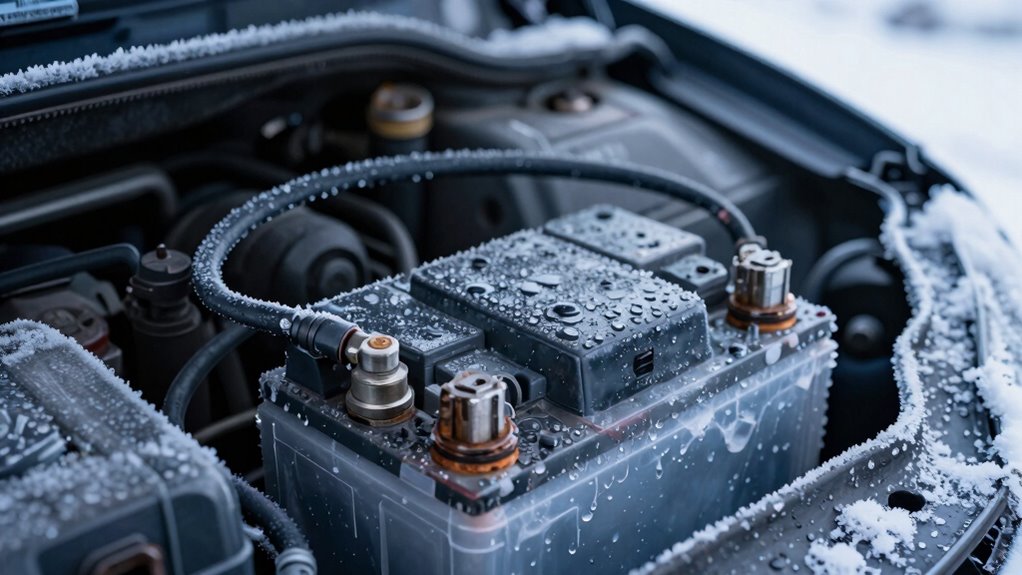

Climate affects your battery’s performance and lifespan, so your maintenance routines need to change with the seasons. Hot weather speeds up chemical reactions, increasing wear and risking electrolyte evaporation, while cold temperatures slow reactions and make starting harder. In summer, you should check electrolyte levels and store your battery in a cool place, while winter care involves insulating, charging fully, and using warmers. Understanding these climate effects helps you prevent damage; keep exploring to learn more about safeguarding your battery year-round.

Get backup power and energy gear delivered free — and shop member deals
- Fast, free delivery on millions of items
- Access to Prime Big Deal Days deals on October 6–7
- Prime Video, Amazon Music and more included
Key Takeaways
- Temperature fluctuations alter chemical reactions inside batteries, impacting capacity and efficiency.
- Hot weather accelerates electrolyte evaporation and corrosion, requiring more frequent inspections.
- Cold temperatures reduce battery performance and increase the risk of freezing, necessitating insulation and warming devices.
- Seasonal changes demand adaptive maintenance routines to address specific climate-related stress factors.
- Proper storage and monitoring help extend battery lifespan across varying climate conditions.
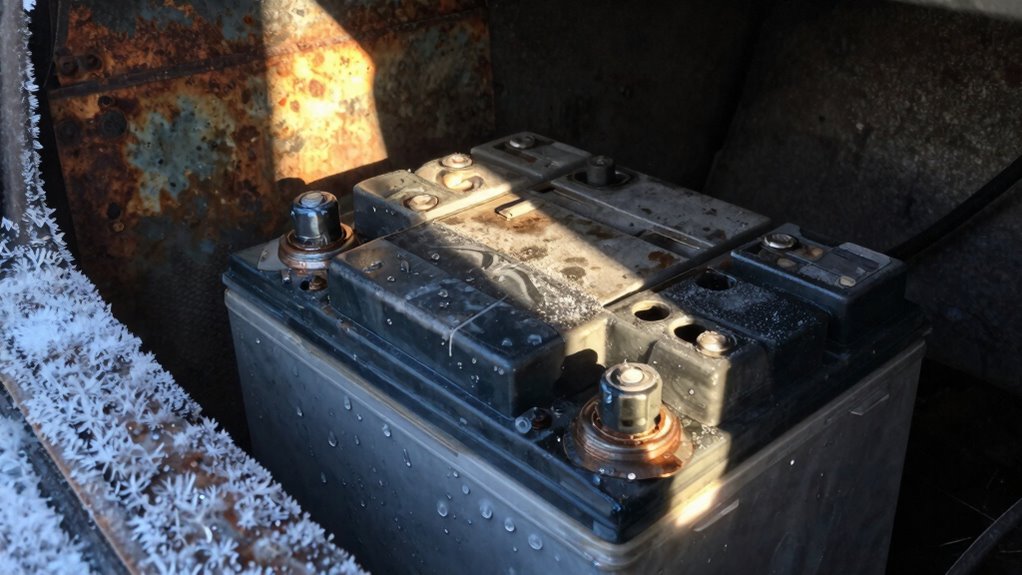
Climate plays a significant role in how well your battery performs and lasts. The environmental impacts of your surroundings can either extend its lifespan or accelerate its deterioration. When temperatures fluctuate, your battery experiences stress that affects its capacity and efficiency. Hot weather, for example, speeds up chemical reactions inside the battery, which can lead to faster wear and tear. Conversely, cold conditions slow down these reactions, making it harder for your battery to deliver power when you need it most. These seasonal changes mean that your maintenance routine should adapt accordingly to keep your battery in ideal condition.
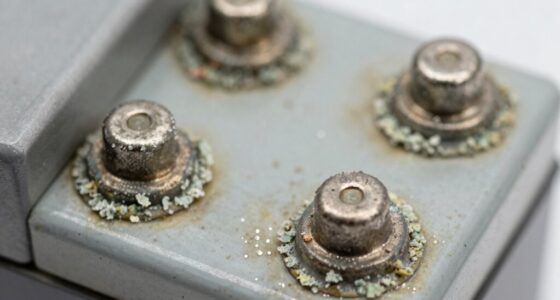
During the summer months, high temperatures cause the electrolyte inside your battery to evaporate more quickly and can lead to leakage or swelling. You might notice your battery draining faster or struggling to hold a charge. To combat this, you should check your battery’s electrolyte levels more frequently and ensure it’s stored in a cool, dry place if possible. Cleaning the terminals and applying protective coatings can also prevent corrosion caused by heat-related moisture. Seasonal adjustments in your maintenance routine are essential here because neglecting these steps can result in decreased performance and even permanent damage. Additionally, using smart monitoring devices can help track your battery’s health more accurately throughout the year. Being aware of climate-related stress factors can further improve your maintenance strategies and prolong your battery’s lifespan. Recognizing seasonal temperature fluctuations can help you plan preventative measures more effectively and avoid costly repairs.
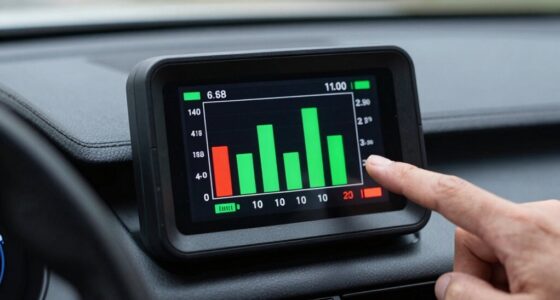
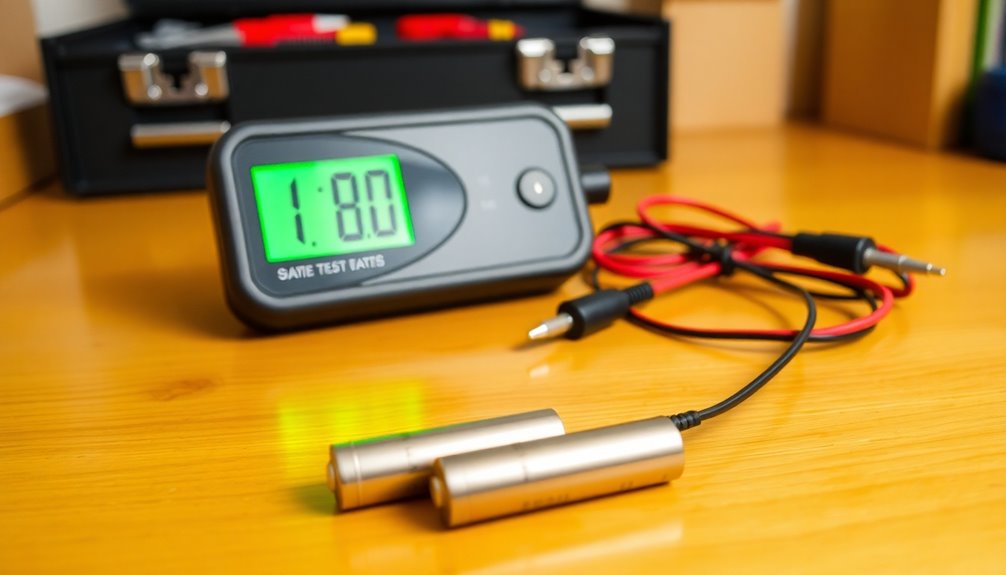
In contrast, winter presents its own set of challenges. Cold temperatures diminish a battery’s ability to produce and store energy efficiently, which means you might find your vehicle sluggish or even unable to start. Here, you need to take proactive steps like keeping your battery fully charged and insulated to prevent freezing. If your battery is older or weaker, consider investing in a battery warmer or a block heater to maintain prime temperature. Regularly testing your battery’s voltage and health during the colder months will help you identify issues early and avoid unexpected breakdowns. Furthermore, understanding climate effects on batteries can help you develop more effective strategies for each season.
car battery electrolyte level checker
As an affiliate, we earn on qualifying purchases.
As an affiliate, we earn on qualifying purchases.
Frequently Asked Questions
How Often Should I Check My Battery in Different Climates?
You should check your battery more frequently in extreme climates—about once a month in hot or cold weather. Hot climates can cause faster battery degradation, while cold weather might reduce its efficiency, so monitor your Battery storage and Charging habits closely. In moderate climates, checking every three to six months usually suffices. Regular inspections help catch issues early, extending your battery’s lifespan regardless of climate.
Do Climate Changes Affect Battery Lifespan Significantly?
Climate changes do considerably affect battery lifespan because environmental aging impacts your battery’s performance. Extreme temperatures can cause your battery’s composition to degrade faster, leading to reduced efficiency and shorter lifespan. Hot weather accelerates chemical reactions inside, damaging the battery, while cold weather can diminish its capacity. You should regularly monitor and maintain your battery, especially during climate shifts, to prevent premature failure caused by environmental aging.
Are There Specific Maintenance Tips for Humid Environments?
In humid environments, you should focus on corrosion prevention by regularly inspecting your battery for signs of corrosion and cleaning terminals with a mixture of baking soda and water. Moisture control is essential; make certain your battery is kept in a dry, well-ventilated area. Consider using protective covers or terminal protectors to shield against humidity. These steps will help extend your battery’s lifespan despite the challenging climate.
How Does Cold Weather Impact Battery Charging Capacity?
Ever wondered how cold weather impacts your battery’s performance? Cold temperatures slow down chemical reactions in the battery chemistry, reducing its charging capacity. This means your battery can’t hold as much charge, making your vehicle harder to start. Proper thermal management becomes essential in winter, helping to keep your battery within ideal temperature ranges. So, in cold climates, expect shorter driving ranges and be sure to keep your battery warm for better efficiency.
Can Climate Change Cause Long-Term Damage to Batteries?
Climate change can cause long-term damage to your batteries by accelerating battery degradation. As temperatures fluctuate and become more extreme, chemical reactions inside the battery speed up, leading to faster wear and tear. Over time, this results in reduced capacity and lifespan. You might notice your batteries lose efficiency sooner, requiring more frequent replacements. To protect your batteries, make certain of proper maintenance and consider climate conditions when storing or using them.
Conclusion
In different climates, your battery’s health is like a delicate flower that needs special care. Whether it’s scorching heat or freezing cold, neglecting these conditions can turn your trusty battery into a useless hunk of metal faster than you can say “dead battery.” Stay vigilant, adapt your maintenance routines, and protect your power source like it’s the crown jewel of your vehicle. Your car—and your peace of mind—depend on it.
Halloween Picks
halloween
As an affiliate, we earn on qualifying purchases.