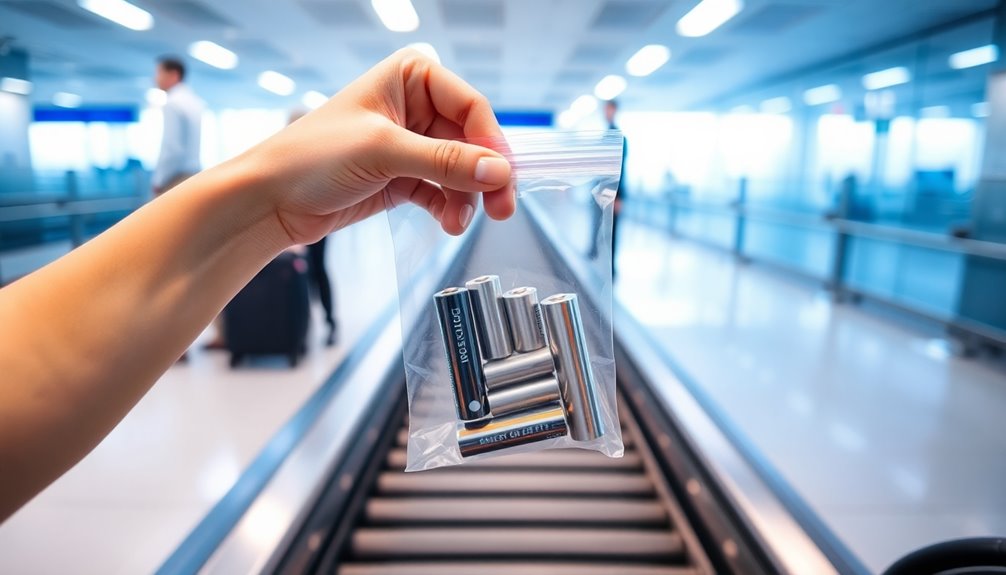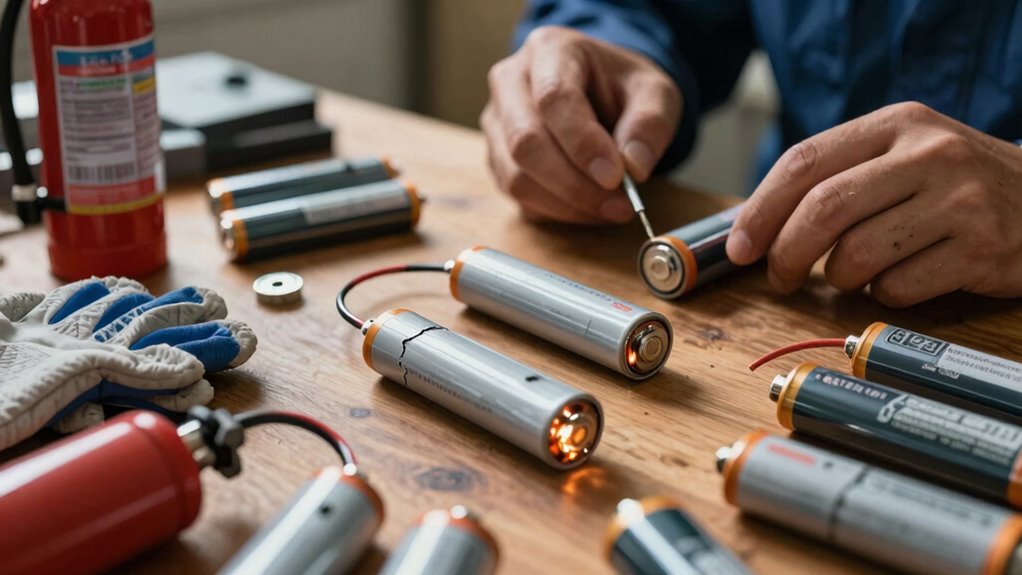
You should ask if you’re using the right charger and unplugging devices once fully charged to avoid overheating and battery damage. Check for signs of swelling, leaks, or unusual odors to identify damaged batteries that pose fire risks. Understand your battery’s safety features like overcurrent protection, and always recycle or dispose of batteries properly. Staying aware of these questions helps prevent accidents and extends your device’s lifespan. If you’re curious about more safety tips, keep exploring these essential topics.

Get backup power and energy gear delivered free with Prime
- Fast, free delivery on millions of items
- Prime Video, Amazon Music and more included
- Member-only deals all year
Key Takeaways
- Are I using the correct charger and avoiding overcharging to prevent overheating and battery damage?
- Do I recognize the signs of damaged batteries, like swelling or leaks, and know proper disposal methods?
- Am I aware of the safety features built into modern batteries and how they protect against hazards?
- Do I follow proper recycling practices to minimize environmental impact and reduce fire risks?
- Have I adopted safe habits, such as avoiding extended charging and handling batteries responsibly?
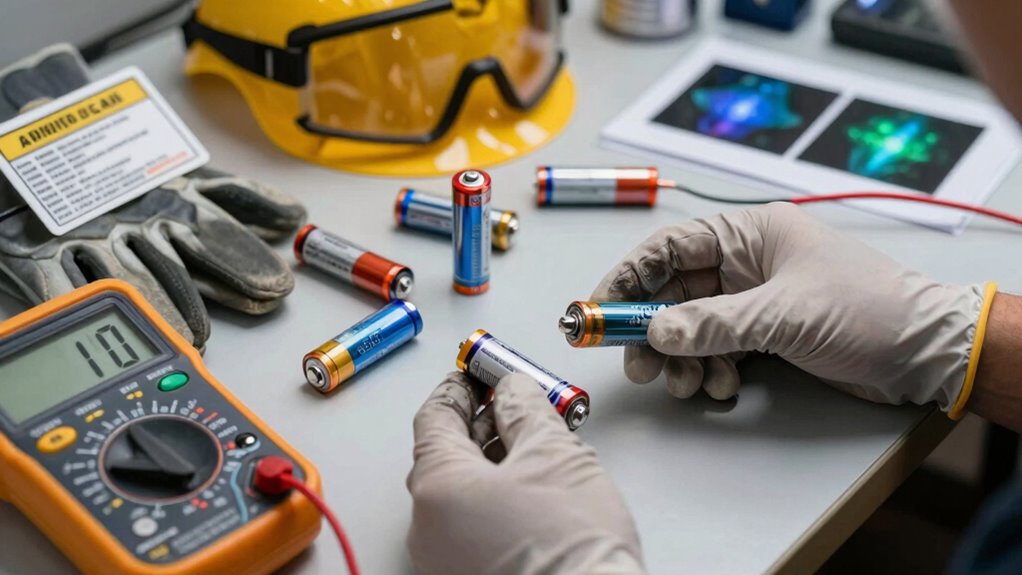
Have you ever wondered what it takes to keep your batteries safe? It’s a question more people should be asking, especially with the growing reliance on rechargeable batteries in our daily lives. Proper battery safety isn’t just about avoiding burns or leaks; it’s about understanding how your habits can impact both your safety and the environment. For instance, your charging habits play a key role. Overcharging your device or using incompatible chargers can cause overheating, which might lead to battery failure or even fires. To stay safe, always use the charger recommended by the manufacturer and unplug your device once it reaches full charge. Don’t leave batteries plugged in for extended periods, as this can stress the battery and reduce its lifespan.
Proper charging habits prevent overheating and extend your battery’s lifespan.
Another essential question is what happens after a battery’s life is over. Many people overlook the importance of battery recycling. Instead of tossing old batteries in the trash, you should recycle them properly. Batteries contain hazardous materials that can harm the environment if not disposed of correctly. Recycling helps recover valuable materials and reduces the demand for new raw resources. It’s a simple step that makes a significant difference in preventing pollution and conserving natural resources. By being proactive about battery recycling, you’re not only protecting yourself from potential chemical exposure but also contributing to the sustainability of our planet. Proper battery disposal ensures that hazardous chemicals are managed safely, preventing environmental contamination. An additional benefit of understanding battery recycling is reducing the risk of fire hazards associated with improper disposal. Knowing the hazardous materials in batteries can help you identify the best disposal methods and avoid accidental exposure. Additionally, being aware of battery safety features**** can help you make informed choices to prevent accidents and extend the life of your batteries.
Understanding the signs of a damaged or faulty battery is equally important. Swelling, leaks, strange odors, or excessive heat are clear indicators that a battery needs immediate attention. If you notice any of these signs, it’s best to stop using the device and handle the battery with care. Proper disposal becomes crucial here, as damaged batteries pose a fire risk if mishandled. Many communities have designated drop-off points for hazardous waste, including batteries, so make sure you know where these are located in your area.
Finally, it’s worth asking yourself whether you’re aware of the safety features built into your batteries. Modern batteries often include safeguards like overcurrent, overvoltage, and short-circuit protection. Understanding these features helps you better appreciate the importance of using quality products and following safety guidelines. Being informed about battery safety questions empowers you to make smarter choices, protecting yourself, your loved ones, and the environment from potential hazards. In the end, small habits like practicing proper charging routines and recycling responsibly can make a big difference in keeping everyone safe. Recognizing the importance of battery safety can significantly reduce the risks associated with improper handling and disposal.
smartphone charger with overcurrent protection
As an affiliate, we earn on qualifying purchases.
As an affiliate, we earn on qualifying purchases.
Frequently Asked Questions
How Long Do Lithium-Ion Batteries Typically Last Before Needing Replacement?
Lithium-ion batteries typically last about 2 to 3 years or 300 to 500 charge cycles before needing replacement. You can expect some battery degradation over time, which reduces capacity and performance. To estimate lifespan, consider factors like usage habits and charging practices. Proper care extends your battery’s lifespan, but eventually, capacity loss makes replacement necessary to guarantee ideal device performance.
Are There Specific Storage Conditions to Maximize Battery Lifespan?
You should store your lithium-ion batteries in a cool, dry place with stable temperature and humidity. Avoid extreme heat or cold, which can degrade the battery’s health quickly. Keep humidity levels low to prevent corrosion. Even if it seems inconvenient, these conditions considerably extend your battery’s lifespan. Proper storage isn’t just about convenience — it’s about protecting your investment and ensuring reliable performance when you need it most.
What Are the Signs of a Damaged or Failing Battery?
You’ll notice battery indicators like swelling, leaks, or corrosion, which signal a failing or damaged battery. If your device heats up unexpectedly or loses charge quickly, it’s a warning sign too. Always follow safety precautions, such as avoiding exposure to extreme temperatures and not forcing connections, to prevent hazards. Recognizing these signs early helps you avoid potential damage or safety risks, ensuring your battery remains safe and functional.
How Do I Safely Dispose of or Recycle Old Batteries?
Imagine batteries as tiny time bombs if mishandled—so always recycle or dispose of them properly. To do this safely, take your old batteries to a certified battery recycling center. Never throw them in the trash, as disposal hazards can cause fires or environmental harm. Proper battery recycling prevents dangerous leaks and pollution, ensuring you protect both your community and the planet from potential hazards.
Can Using Third-Party Chargers Harm My Battery’s Safety?
Using third-party chargers can harm your battery’s safety if they lack proper charger compatibility and safety certification. These chargers might not meet safety standards, leading to risks like overheating or short circuits. Always check that a third-party charger is compatible with your device and has appropriate safety certification. This guarantees your battery remains safe, prolongs its lifespan, and reduces the risk of accidents or damage caused by incompatible or uncertified chargers.
Conclusion
So, next time you pick up a device or charge that battery, ask yourself: are you truly aware of its safety? Don’t let complacency be the ignition for disaster—ignite your curiosity instead. Remember, a simple question can be the spark that prevents a catastrophe. Stay vigilant, stay informed, and keep safety at the forefront. After all, isn’t it better to be safe than to be sorry? The power is in your hands—literally.
Halloween Picks
halloween
As an affiliate, we earn on qualifying purchases.