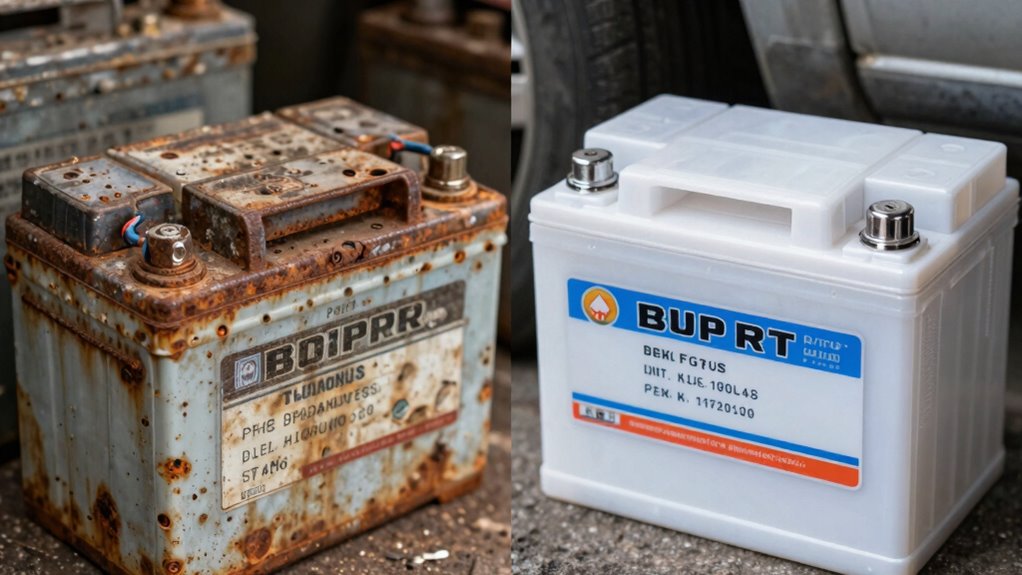

Battery restoration aims to fix minor issues and recalibrate capacity, helping extend your battery’s lifespan when it still has some usable life left. Recovery, on the other hand, targets severely degraded or dead batteries, attempting to revive functionality temporarily or repair extensive damage. Restoration focuses on maintenance, while recovery addresses more significant problems. If you want to understand how to best manage your batteries and their issues, keep exploring these processes further.
Key Takeaways
- Restoration repairs minor issues and recalibrates capacity, while recovery aims to revive severely degraded or dead batteries.
- Restoration uses software adjustments and minor fixes; recovery may involve deep discharging or electrolyte replacement.
- Restoration extends battery life when issues are minor; recovery provides a temporary fix for heavily damaged batteries.
- Restoration cannot reverse all wear; recovery attempts to bypass chemical degradation effects.
- Proper charging cycles support both, but recovery is used when the battery is completely dead or severely compromised.
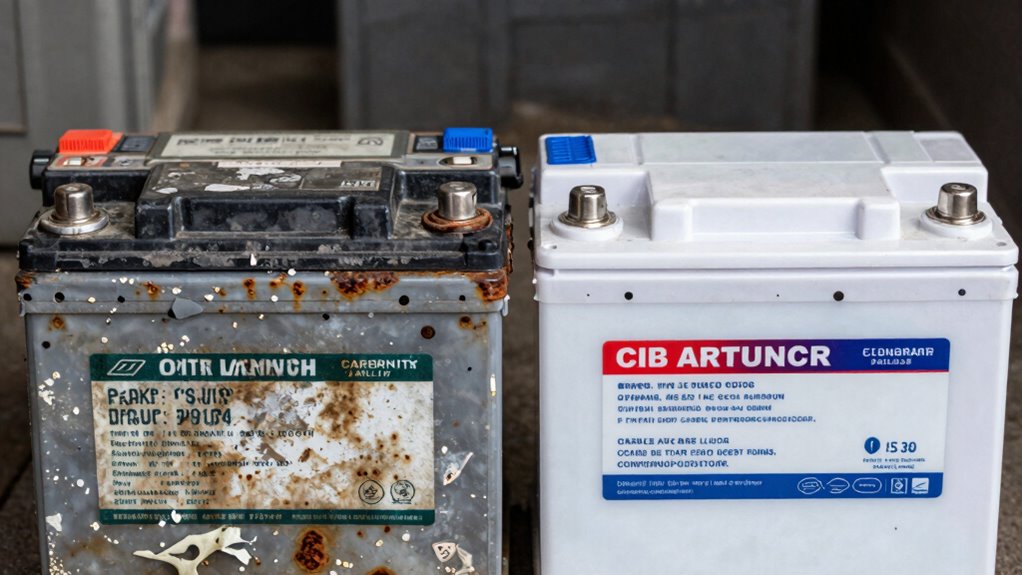
When your battery starts to lose its performance, you might wonder whether to restore or recover it. Understanding the differences can help you make a smarter decision about maintaining your device’s power source. Battery restoration generally involves techniques aimed at reversing some of the aging effects caused by the natural wear of the battery. Over time, battery chemistry changes due to repeated charging cycles, which gradually diminish the battery’s ability to hold a full charge. Restoration attempts to repair these changes by recalibrating the battery’s capacity or fixing minor issues in the battery chemistry, often through specialized equipment or software adjustments. This process doesn’t reverse all wear but can extend the battery’s useful life, especially if the decline results from minor imbalances in the chemistry or calibration errors. Recognizing the importance of proper maintenance can significantly improve your device’s longevity. Additionally, understanding the limits of restoration is essential because it may not be effective for batteries with severe chemical damage. Proper maintenance practices, such as avoiding extreme temperatures and overcharging, can also support the effectiveness of restoration efforts.
Battery restoration helps recalibrate and extend battery life by fixing minor chemistry and calibration issues.
Battery recovery, on the other hand, typically refers to a more drastic approach: trying to bring a dead or severely degraded battery back to life. It might involve deep discharging, reconditioning, or replacing electrolyte substances to temporarily restore functionality. Recovery is usually considered when a battery has lost most of its capacity or refuses to hold a charge at all. Unlike restoration, recovery often aims to bypass the effects of accumulated damage caused by extensive charging cycles or irreversible chemical changes. While recovery techniques can sometimes revive a battery temporarily, they often don’t address the root causes of aging, such as the permanent breakdown of battery chemistry.
Charging cycles play a crucial role in both processes. Every time you charge and discharge the battery, it undergoes a cycle that gradually wears down its chemistry and reduces capacity. The more cycles your battery goes through, the more likely it is to need some form of restoration or recovery. A key difference is that restoration works within the limits of the existing chemistry, trying to optimize or recalibrate it, while recovery aims to overcome the effects of extensive cycles and chemical degradation. Properly managing charging habits can also help slow down the aging process and prolong the lifespan of your battery.
In essence, restoration is about maintenance—keeping your battery working at its best for as long as possible—whereas recovery is about repair—trying to fix a battery that’s already significantly degraded. Knowing which approach to take depends on the severity of the battery’s decline and the underlying cause. If your battery still retains some capacity, restoration might be enough. But if it’s completely dead or severely compromised, recovery may be the only option, even if it’s only temporary. Both methods revolve around understanding how battery chemistry and charging cycles influence performance, helping you decide the best course of action for your device’s power needs. Being aware of the chemical changes that occur over time can help you better assess whether restoration or recovery is appropriate for your situation.

Battery Renew Solution for Golf Cart Batteries – 64 oz Desulfator Refill – Refurbish, Repair & Restore Any 6 Volt, 8 Volt or 12 Volt Lead Acid Batteries – Made in USA – Non-Toxic Safe Refill Solutions
- Extends Battery Life: Restores capacity, reduces need for replacement
- Deep Cleans Battery Cells: Breaks down sulfation for improved performance
- Universal Compatibility: Suitable for all lead acid batteries
As an affiliate, we earn on qualifying purchases.
As an affiliate, we earn on qualifying purchases.
Frequently Asked Questions
Can Battery Restoration Permanently Fix All Battery Issues?
Battery restoration can markedly improve your battery’s lifespan and performance, but it doesn’t permanently fix all issues. Over time, charging cycles cause wear and tear that may lead to permanent damage. Restoration temporarily repairs battery capacity and efficiency, but if the battery is too old or damaged, it might need replacement. To maximize lifespan, avoid excessive charging cycles and follow proper charging practices.
How Long Does a Typical Battery Recovery Process Take?
Think of a battery recovery as a gentle tune-up for your device’s power source. It usually takes a few hours to a day, depending on the battery’s age and condition. During this process, your battery’s lifespan and charging cycles are carefully restored, helping it perform better. Keep in mind, though, continued use and charging cycles will eventually wear it out again, but recovery can extend its useful life considerably.
Are There Specific Battery Types That Benefit More From Restoration?
Certain battery types, like lead-acid and NiMH, benefit more from restoration techniques because they often develop sulfation or memory effects that can be reversed. You’ll see better results with these batteries when you use specific restoration techniques, such as desulfation for lead-acid or reconditioning for NiMH. Lithium-ion batteries, however, are more delicate, and restoration isn’t usually effective or recommended. Focus on the battery type to guarantee the best restoration outcome.
Is Professional Help Necessary for Battery Recovery?
You don’t necessarily need professional help for battery recovery if you’re comfortable with DIY techniques. Many methods can extend your battery’s lifespan at home, like cleaning terminals or using a restoration kit. However, if your battery is severely damaged or you’re unsure about the process, seeking professional assistance is wise. Proper recovery can save money and improve performance, but safety always comes first—don’t hesitate to get expert help if needed.
What Are the Costs Associated With Restoration Versus Recovery?
You’ll find that restoration costs are generally higher, reflecting the more extensive service required, while recovery tends to be more affordable, focusing on quick fixes. A detailed cost analysis shows that service pricing varies based on battery type and condition. Restoration might involve replacing parts or advanced treatments, whereas recovery often involves simple reconditioning. Budget accordingly, but remember, investing in restoration could save you money long-term by extending battery life.
Conclusion
So, next time you’re faced with a dying battery, remember that restoration and recovery aren’t just technical terms—they’re chances to breathe new life into your devices. Sometimes, a simple restoration might just be enough, while recovery could save a battery that seems beyond hope. It’s funny how, in a blink, what seems lost can be revived, almost like finding a forgotten photo in an old drawer—reminding you that hope, like batteries, can always be renewed.