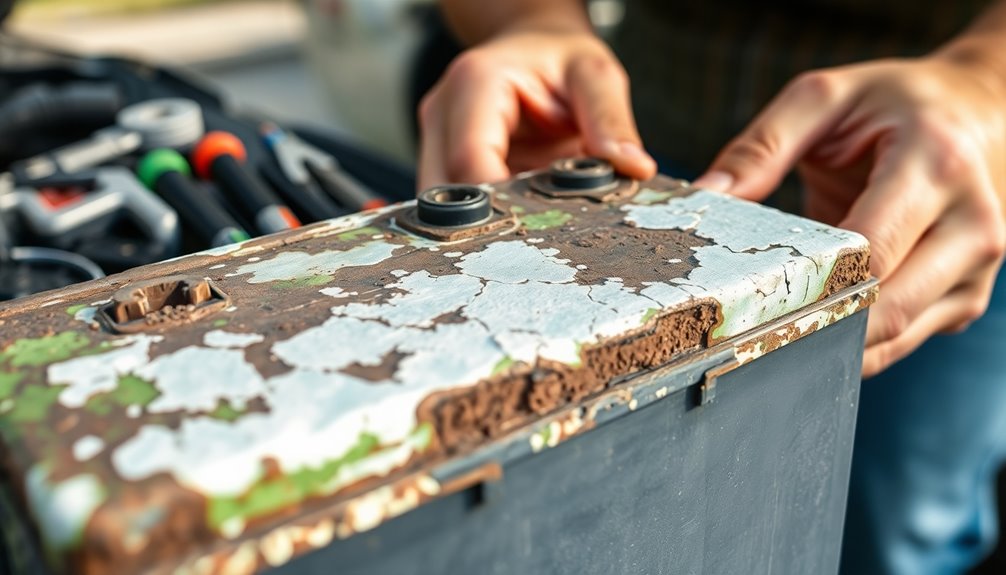
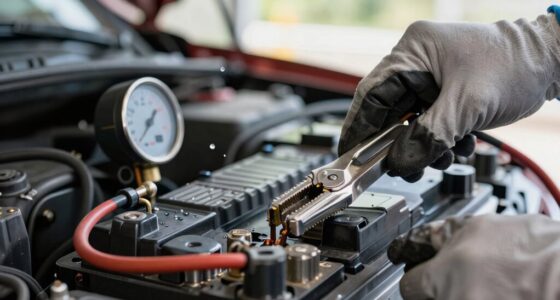
Terminal corrosion indicates underlying issues with your battery and electrical system, often caused by moisture, dirt, or chemical leaks. It acts as an insulator, reducing electrical flow and leading to starting problems or equipment failures. Ignoring corrosion can hide deeper damage and shorten your system’s lifespan. Addressing it promptly helps maintain performance and prevents costly repairs. To fully understand what corrosion signals about your system’s health, see what you’ll discover next.

Get backup power and energy gear delivered free with Prime
- Fast, free delivery on millions of items
- Prime Video, Amazon Music and more included
- Member-only deals all year
Key Takeaways
- Terminal corrosion indicates underlying issues with battery health, such as acid leaks or overcharging, affecting electrical performance.
- It signals compromised connections, leading to reduced efficiency, starting problems, and potential equipment failure.
- Corrosion is a visual cue that maintenance is needed to prevent further damage and ensure reliable electrical flow.
- Ignoring corrosion can cause deeper system damage, increased wear, and costly repairs over time.
- Addressing terminal corrosion promptly helps maintain battery longevity and overall electrical system integrity.
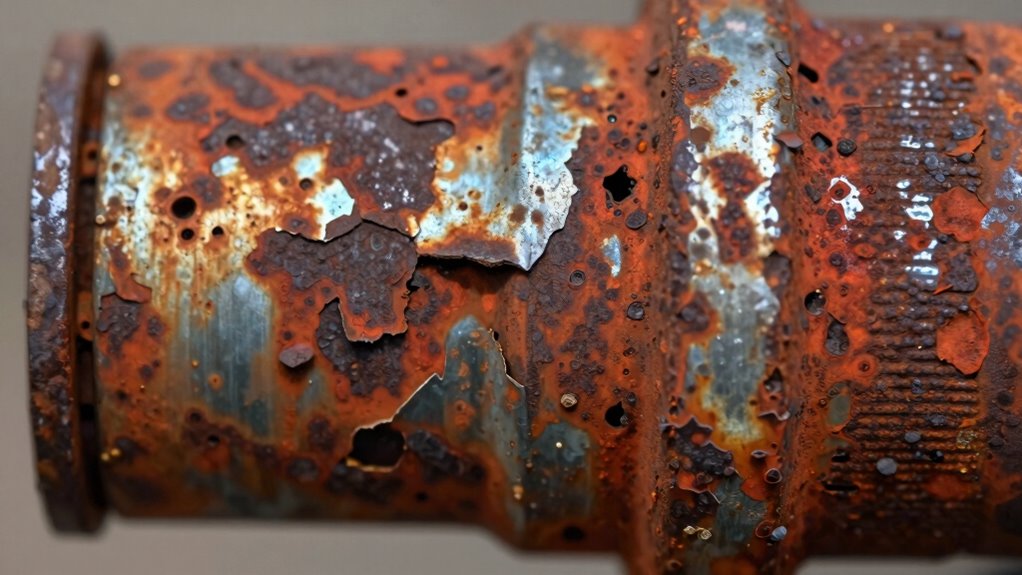
When you notice terminal corrosion on your equipment, it’s easy to see it as just a surface problem. But in reality, that corrosion is a warning sign, revealing underlying issues with your battery health and electrical connections. Terminal corrosion forms when moisture, dirt, and chemicals interact with the metal parts, creating a layer of corrosion that can hinder the flow of electricity. While it might seem minor at first, this buildup can considerably impact your equipment’s performance if left unchecked. It’s a visual cue that your system isn’t operating at its best and that something needs your immediate attention.
Corrosion on terminals doesn’t just spoil the appearance; it interferes directly with the electrical connection. When corrosion develops, it acts as an insulator, preventing the efficient transfer of power between the battery and the device it powers. This can lead to starting problems, reduced efficiency, or even complete failure of your equipment. More importantly, corrosion indicates that your battery isn’t in peak condition. It may be losing its ability to hold a charge or deliver consistent power, which is a clear sign that the battery’s health is deteriorating. Ignoring these symptoms can accelerate wear and damage to other components, compounding the problem and increasing repair costs.
Corrosion impairs electrical flow and signals declining battery health, risking equipment failure and costly repairs.
The key to addressing terminal corrosion is understanding that it’s a symptom, not the root cause. Corrosion often results from a combination of factors such as acid leaks, overcharging, or exposure to harsh environmental conditions. These factors can compromise your electrical connections, making them less reliable and more prone to corrosion. When your electrical connections aren’t secure and clean, your equipment has to work harder to perform, which strains the battery and accelerates corrosion. This vicious cycle can cause the corrosion to spread, further degrading your battery health and risking more severe failures down the line. Additionally, understanding the importance of proper maintenance schedules can help prevent corrosion from developing in the first place.
To prevent this, regular maintenance is essential. Cleaning the terminals and ensuring tight, corrosion-free connections will help keep your electrical system healthy. Using protective sprays or terminal preservatives can also shield your connections from moisture and chemicals. Remember, addressing terminal corrosion promptly isn’t just about fixing a surface issue; it’s about safeguarding your entire electrical system. When you take the time to maintain clean and secure connections, you prolong your battery’s life and ensure your equipment runs smoothly. Ultimately, terminal corrosion is a symptom that’s telling you something’s off—pay attention to it, and you’ll prevent bigger problems from developing.
battery terminal corrosion cleaner
As an affiliate, we earn on qualifying purchases.
As an affiliate, we earn on qualifying purchases.
Frequently Asked Questions
Can Terminal Corrosion Affect Vehicle Safety?
Yes, terminal corrosion can affect your vehicle’s safety. When corrosion builds up on the battery terminal, it can cause poor electrical connections, leading to starting issues or even unexpected shutdowns. Regular corrosion prevention, like cleaning the battery terminal and applying protective coatings, helps maintain a reliable connection. Ignoring corrosion risks not only vehicle performance but also safety, especially if your car fails to start in critical moments.
How Often Should I Inspect Battery Terminals?
You should inspect your battery terminals at least once every three to six months as part of regular battery maintenance. During these inspections, look for signs of corrosion, such as white or greenish deposits, and clean them promptly to prevent further damage. Regular inspections help with corrosion prevention, ensuring your vehicle’s electrical system stays reliable and safe. Don’t wait until starting issues occur—stay proactive with your battery care.
Are There Preventative Measures for Terminal Corrosion?
Yes, you can prevent terminal corrosion with simple methods. Regularly perform battery terminal cleaning to remove buildup early. Apply corrosion prevention methods like a protective coating or dielectric grease to block moisture. Keep terminals tight and check for leaks that could cause corrosion. Taking these proactive steps not only preserves your battery’s health but also saves you time and money by avoiding unexpected failures. Stay vigilant, and your battery will thank you.
Does Corrosion Indicate a Failing Battery?
Corrosion often signals that your battery’s health is declining, but it doesn’t always mean failure is imminent. Look for corrosion indicators like green or white deposits around terminals, which suggest chemical reactions affecting performance. If you notice these signs, check your battery’s voltage and overall condition. Addressing corrosion early can extend your battery’s life, but persistent issues might mean it’s time for a replacement to avoid unexpected failures.
Can Terminal Corrosion Cause Electrical System Failure?
Think of terminal corrosion like a slow leak in a pipe—eventually, it can cause system failure. Yes, corrosion can disrupt electrical flow, leading to starting issues or other failures. Regular battery maintenance and corrosion prevention are key to avoiding this. Keeping terminals clean and applying protective coatings help guarantee your electrical system runs smoothly, preventing minor issues from becoming major problems. Don’t wait—address corrosion early to keep everything running reliably.
Conclusion
Remember, terminal corrosion isn’t just a consequence—it’s a cue. When corrosion creeps in, it’s telling you there’s trouble beneath the surface. Pay attention, prevent problems, and protect your equipment before it’s too late. By spotting symptoms early, you can stop serious setbacks, save your systems, and stay several steps ahead. So, stay vigilant, scrutinize signs, and safeguard your investments—because corrosion’s a signal, not a silent sentinel.
Halloween Picks
halloween
As an affiliate, we earn on qualifying purchases.