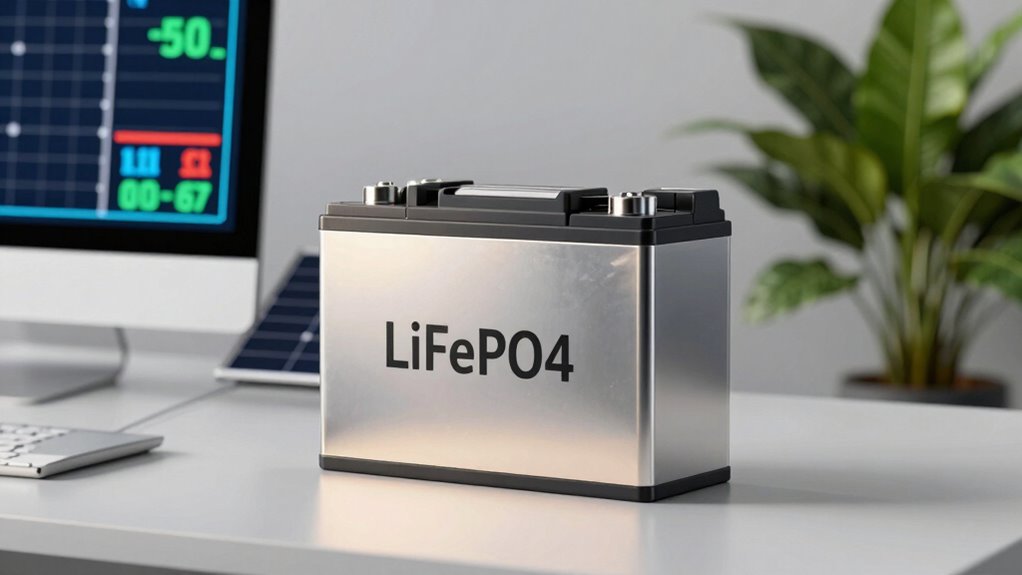

LiFePO4 batteries are changing how you store energy because they’re safer, longer-lasting, and more environmentally friendly than traditional options. They handle more charge cycles without degrading, reducing replacement costs, and their stable chemistry lowers fire risks. Plus, their easier recycling and greener materials support sustainable practices. As costs decrease and safety improves, they’re becoming a smarter choice for homes, vehicles, and energy systems. Keep exploring to discover even more about their growing impact.

Get backup power and energy gear delivered free with Prime
- Fast, free delivery on millions of items
- Prime Video, Amazon Music and more included
- Member-only deals all year
Key Takeaways
- Their enhanced safety profile reduces risks of fires and accidents, encouraging wider adoption in residential and commercial energy storage.
- Longer lifespan and higher cycle durability lower replacement frequency, promoting sustainable and cost-effective energy management.
- Easier, eco-friendly recycling processes support environmental sustainability and circular economy initiatives.
- Decreasing manufacturing costs and improved performance make LiFePO4 batteries more affordable and accessible.
- Growing awareness of safety and environmental benefits accelerates the shift towards cleaner, more responsible energy storage solutions.

LiFePO4 batteries are transforming how we store and use energy, offering a safer, more durable alternative to traditional lithium-ion options. Their rise is changing the way individuals and companies approach energy management, driven by advantages like longer lifespan, improved safety, and environmental benefits. As you consider adopting these batteries, understanding their impact on battery recycling and cost analysis becomes essential. LiFePO4 batteries are less prone to thermal runaway, making them safer for homes, electric vehicles, and large-scale energy storage systems. This safety aspect not only protects users but also reduces the risk of costly accidents or fires, encouraging broader adoption.
LiFePO4 batteries are safer, more durable, and environmentally friendly, revolutionizing energy storage for homes, vehicles, and large systems.
From an environmental perspective, battery recycling plays a *vital* role in sustainable energy storage. LiFePO4 batteries contain fewer toxic and rare materials compared to other lithium-ion chemistries, making recycling processes simpler and less harmful. When you recycle these batteries properly, you help prevent hazardous waste and recover valuable materials, contributing to a circular economy. This recycling process becomes more efficient due to the stability and composition of LiFePO4 cells, which can withstand multiple charge cycles without significant degradation. As a result, the long-term environmental footprint diminishes, aligning with eco-conscious energy habits. Additionally, the recyclability of LiFePO4 batteries supports the development of sustainable energy systems, further promoting environmentally responsible practices. Incorporating recycling-friendly designs into manufacturing can enhance the sustainability of these batteries even more. Moreover, ongoing research into battery recycling technologies aims to improve efficiency and reduce costs, making sustainable practices more accessible. Increasing awareness about recycling methods can also motivate more users to participate in environmentally friendly disposal practices. As the demand for eco-friendly energy solutions grows, the importance of recycling infrastructure becomes increasingly clear.
Cost analysis is another *pivotal* factor influencing your decision to switch to LiFePO4 batteries. While the initial investment may be higher than traditional lead-acid or other lithium-ion batteries, their longer lifespan and superior performance tend to lower overall costs over time. You save money on replacements and maintenance because LiFePO4 batteries typically last 2,000 to 3,000 cycles — far more than many alternatives. Additionally, their stable chemistry reduces the need for complex cooling systems or safety measures, further trimming expenses. When you factor in the reduced need for frequent replacements and lower maintenance costs, the total cost of ownership becomes increasingly favorable.
Furthermore, the decreasing costs of lithium and advancements in manufacturing are making LiFePO4 batteries more affordable. As you look ahead, these trends suggest that the gap between initial investment and long-term savings will continue to narrow. This affordability, combined with their safety and environmental advantages, is reshaping energy storage habits by making high-quality, durable batteries accessible to a broader audience. Ultimately, embracing LiFePO4 technology means you’re participating in a shift toward smarter, safer, and more sustainable energy use, with positive impacts on your wallet and the planet alike.
As an affiliate, we earn on qualifying purchases.
Frequently Asked Questions
Are Lifepo4 Batteries Suitable for Portable Electronic Devices?
Yes, LiFePO4 batteries are suitable for portable electronic devices. You’ll benefit from their long battery lifespan, which means fewer replacements, and improved charging efficiency, so you spend less time waiting for your device to recharge. These batteries are safe, stable, and capable of handling frequent charging cycles, making them an excellent choice for portable electronics that demand reliable, durable power sources.
How Do Lifepo4 Batteries Perform in Extreme Cold Temperatures?
LiFePO4 batteries perform well in cold weather when properly managed. Their cold weather performance remains reliable, but you should guarantee good thermal management to prevent capacity loss. Using insulation or keeping them in warmer environments helps maintain efficiency. While they handle low temperatures better than some batteries, taking steps to manage thermal conditions will extend their lifespan and ensure consistent power delivery in extreme cold.
What Are the Environmental Impacts of Manufacturing Lifepo4 Batteries?
Coincidentally, manufacturing LiFePO4 batteries impacts the environment through resource extraction and manufacturing emissions. You should know that mining for materials like lithium, iron, and phosphorus can cause habitat disruption and pollution. Additionally, energy-intensive manufacturing processes release greenhouse gases. While these batteries are more eco-friendly during use, their production still leaves a footprint. Being aware helps you make more sustainable choices when adopting this advanced energy storage technology.
Can Lifepo4 Batteries Be Recycled Effectively?
Yes, LiFePO4 batteries can be recycled effectively. You should participate in battery recycling programs to guarantee proper disposal. Recycling helps recover valuable materials, reduces environmental impact, and promotes environmental sustainability. Proper battery recycling minimizes harmful waste and conserves resources, making it a vital step toward eco-friendly energy storage solutions. By recycling your LiFePO4 batteries, you’re actively contributing to a more sustainable future.
How Do Lifepo4 Batteries Compare in Cost to Traditional Lead-Acid Batteries?
You’ll find that LiFePO4 batteries are initially pricier than traditional lead-acid ones, but they’re worth every penny. The cost comparison shows LiFePO4 batteries cost more upfront, yet their longer lifespan and better performance make them a smarter investment. As market adoption increases, prices are gradually dropping. So, in the long run, you’ll save money and enjoy more reliable energy storage without breaking the bank.
Conclusion
You might think LiFePO4 batteries are too expensive or complex to switch to, but their long-term savings and safety make it worth considering. They last much longer, require less maintenance, and are environmentally friendlier, so you won’t have to replace them often. Embracing this technology means you’ll enjoy reliable energy storage without the hassle of frequent replacements or safety worries. Making the switch now helps you stay ahead in smarter, safer energy habits.
Fall Picks
fall essentials
As an affiliate, we earn on qualifying purchases.