Sodium-ion batteries store energy using sodium ions that move between electrodes during charging and discharging, similar to lithium-ion batteries but with more common, cheaper sodium. These batteries are environmentally friendlier, easier to recycle, and great for large-scale energy storage like powering the grid. Although sodium ions are bigger and harder to fit, ongoing research aims to improve battery performance and durability. If you’re curious, there’s more to discover about how these batteries work and their potential.

Get backup power and energy gear delivered free — and shop member deals
- Fast, free delivery on millions of items
- Access to Prime Big Deal Days deals on October 6–7
- Prime Video, Amazon Music and more included
Key Takeaways
- Sodium-ion batteries store energy using sodium ions moving between electrodes, similar to lithium-ion batteries but with different materials.
- They are cheaper and more abundant than lithium, making them a sustainable alternative for large-scale energy storage.
- During charging, sodium ions move from the cathode to the anode; during discharging, they return, powering devices.
- Challenges include fitting larger sodium ions into electrode materials, affecting capacity and efficiency.
- They are environmentally friendly and easier to recycle, suitable for grid storage and large-scale applications.
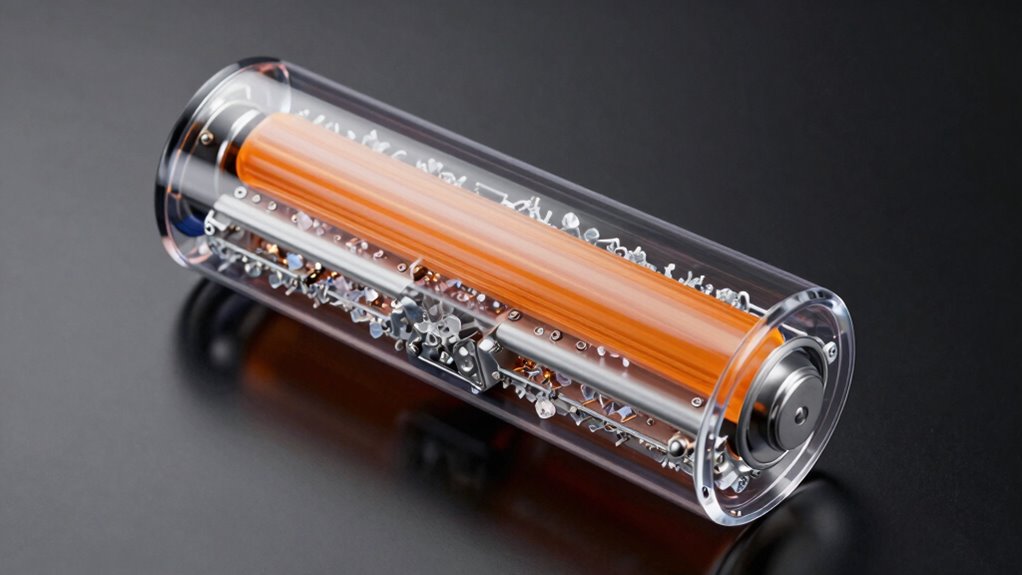
Sodium-ion batteries are emerging as a promising alternative to lithium-ion technology, especially for large-scale energy storage applications. They work in a similar way to lithium-ion batteries, but instead of using lithium, they rely on sodium, which is far more abundant and cheaper. When you charge a sodium-ion battery, sodium ions move from the cathode to the anode through an electrolyte. During discharge, these ions travel back, releasing energy that powers your devices. The key to making these batteries effective lies in the electrode materials, which are essential for storing and releasing sodium ions efficiently. Researchers focus heavily on developing electrode materials that can withstand repeated charge and discharge cycles without degrading. Common materials include layered oxides, hard carbons, and some novel compounds designed to improve capacity and lifespan.
One of the main advantages of sodium-ion batteries is their potential for easier recycling. As sodium is more abundant and less toxic than lithium, recycling processes are often simpler and more environmentally friendly. When a sodium-ion battery reaches the end of its life, you can recover many of its components, including electrode materials, for reuse. Recycling processes typically involve disassembling the battery, separating the electrode materials, and cleaning them for reapplication. Since sodium is less reactive and more plentiful, the recycling process doesn’t require the same complex procedures that lithium batteries often need to prevent hazardous reactions. This makes sodium-ion batteries more sustainable overall, especially when large quantities are produced for grid storage or other large-scale applications. Additionally, ongoing research aims to improve the electrode materials used in sodium-ion batteries to enhance their performance and longevity. Improving the understanding of electrode chemistry can lead to more durable and efficient battery designs. Moreover, advancements in recycling techniques are vital for increasing the overall sustainability of sodium-ion technology.
However, challenges remain in optimizing electrode materials for sodium-ion batteries. Sodium ions are larger than lithium ions, which can make it harder for them to fit into certain electrode structures, limiting capacity and efficiency. Researchers are exploring new electrode materials that can better accommodate these ions and withstand the rigors of repeated cycling. Improving material design and understanding how different compounds interact with sodium ions is crucial for overcoming these limitations. Additionally, improving recycling processes is essential for making sodium-ion technology truly sustainable. Developing standardized methods for recovering electrode materials and ensuring they can be reused without losing performance will be crucial as this technology matures.
As an affiliate, we earn on qualifying purchases.
Frequently Asked Questions
How Do Sodium-Ion Batteries Compare in Lifespan to Lithium-Ion Batteries?
Sodium-ion batteries generally have a shorter lifespan than lithium-ion ones, but they’re improving. You might find that their cycle life is around 1,000 to 2,000 cycles, compared to lithium-ion’s 2,000 to 5,000. Since sodium is more abundant and easier to recycle, these batteries could become more sustainable long-term. Material availability and efficient battery recycling methods will be vital in enhancing their lifespan and widespread adoption.
Are Sodium-Ion Batteries Environmentally Friendly to Produce?
Sodium-ion batteries are generally more environmentally friendly to produce than lithium-ion ones. Their manufacturing processes tend to have a lower environmental impact, mainly because sodium is abundant and easier to extract. This reduces the energy and resources needed during production. Additionally, using sodium helps minimize ecological damage, making sodium-ion batteries a greener alternative, especially as demand for sustainable energy storage solutions grows.
What Are the Main Challenges in Commercializing Sodium-Ion Technology?
You’ll face several challenges when commercializing sodium-ion technology. Manufacturing costs are still high due to limited scalable production methods, making it expensive to bring to market. Material scarcity, especially of suitable electrode materials, also hampers progress since sodium resources are less abundant and harder to process than lithium. Overcoming these issues requires advancements in manufacturing techniques and sustainable material sourcing to make sodium-ion batteries a viable alternative.
Can Sodium-Ion Batteries Be Used in Electric Vehicles?
You can absolutely use sodium-ion batteries in electric vehicles, and they’re an exciting alternative to lithium-ion. While they currently face hurdles like higher manufacturing costs and limited energy density, ongoing research aims to make sodium-ion technology more practical. By exploring alternative materials, manufacturers hope to lower costs and improve performance, making sodium-ion batteries a game-changer on the road soon. Imagine EVs that are more affordable and environmentally friendly—it’s not just a dream anymore!
How Does the Energy Density of Sodium-Ion Batteries Compare to Lithium-Ion?
You’ll find that sodium-ion batteries generally have lower energy density than lithium-ion batteries, mainly due to differences in electrochemical stability and material availability. Sodium’s larger size makes it harder to pack into compact electrodes, reducing energy capacity. However, sodium is more abundant and cheaper, making these batteries attractive for large-scale applications despite their lower energy density. As technology advances, improvements could narrow this gap.
Conclusion
Sodium-ion batteries could revolutionize how you power your world, offering a promising alternative to traditional lithium options. But there’s still much to uncover about their true potential and long-term durability. Will they become the game-changer everyone hopes for, or will challenges hold them back? As research continues, one thing’s certain: the future of energy storage is about to get a lot more exciting—and you won’t want to miss what’s coming next.
Fall Picks
fall essentials
As an affiliate, we earn on qualifying purchases.