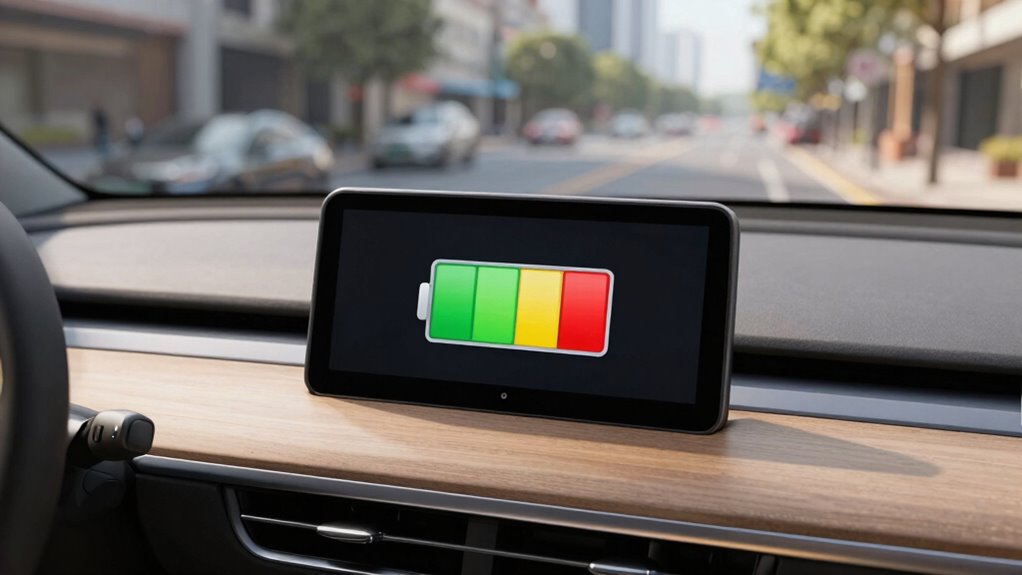

Your EV’s range estimates can fluctuate due to external factors like weather, driving style, or charging habits, but these don’t reflect the battery’s actual health. Battery aging is a slow, long-term process where capacity decreases over time from charge cycles and environmental exposure. Knowing the difference helps you set realistic expectations and optimize your vehicle’s performance. If you want to understand how to better manage your EV’s battery, there’s more to explore below.

Get backup power and energy gear delivered free with Prime
- Fast, free delivery on millions of items
- Prime Video, Amazon Music and more included
- Member-only deals all year
Key Takeaways
- Battery aging reduces overall capacity, leading to permanent long-term range loss, while range estimates fluctuate temporarily with external factors.
- External conditions like cold weather or driving style can lower range estimates but do not affect the battery’s actual long-term health.
- Range estimates are dynamic and influenced by current conditions; battery aging is a gradual process that decreases maximum capacity over time.
- Monitoring tools track actual battery capacity, helping differentiate between temporary range drops and long-term degradation.
- Understanding this distinction helps EV owners optimize driving and charging habits to extend battery lifespan and set realistic expectations.
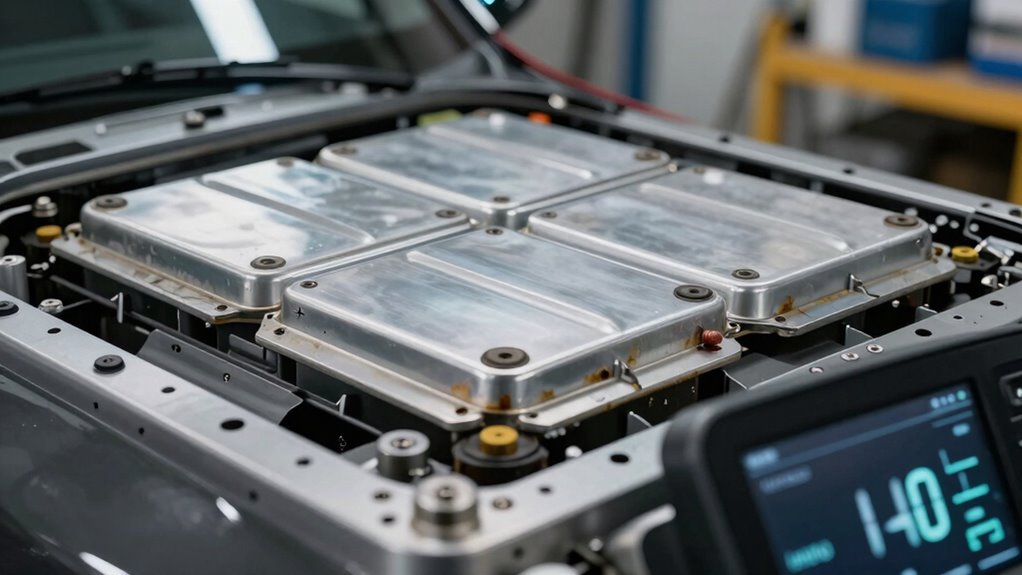
Understanding the difference between EV battery aging and range estimates is essential for anyone considering or already owning an electric vehicle. While they’re related, these concepts serve different purposes and can sometimes be misunderstood. Battery degradation refers to the gradual decline in your battery’s ability to hold a charge over time. This process occurs naturally as the battery undergoes charge and discharge cycles, exposure to temperature variations, and general wear and tear. As your battery ages, it loses some of its original capacity, meaning it can’t store as much energy as it did when new. This decline can lead to a decrease in overall vehicle performance, but it doesn’t directly translate to the range prediction you see on your dashboard. External factors like cold weather or aggressive driving can temporarily reduce range, even if the battery’s capacity remains relatively stable. Conversely, if you’re consistently charging your vehicle to its maximum and using fast chargers frequently, you could accelerate battery degradation. Recognizing this distinction helps you set realistic expectations and avoid unnecessary concerns when your range estimate drops temporarily. Monitoring battery health over the long term requires more than just observing range predictions. Many manufacturers now provide tools to track Battery degradation and give you a clearer picture of your battery’s actual capacity. Additionally, understanding how driving habits influence battery health can help prolong its lifespan. Regularly assessing your battery capacity with available tools can help you detect early signs of degradation and plan maintenance accordingly. Being aware of external environmental factors like temperature and humidity conditions can also aid in maintaining optimal battery performance. By understanding that battery degradation is a gradual process and that range estimates are dynamic and situational, you can better manage your EV ownership experience. Knowing the difference allows you to differentiate between normal aging and temporary factors affecting range, helping you make more informed decisions about charging habits, driving styles, and vehicle maintenance. A comprehensive understanding of battery health monitoring can further assist in maintaining optimal vehicle performance over time.
EV battery capacity monitoring tool
As an affiliate, we earn on qualifying purchases.
As an affiliate, we earn on qualifying purchases.
Frequently Asked Questions
How Often Should I Check My EV Battery’s Health?
You should check your EV battery’s health every 6 to 12 months, especially if your driving habits or charging routines change. Regular battery calibration helps guarantee accurate range estimates, so keep an eye on performance. By monitoring your charging habits—like avoiding frequent fast charging—you can extend battery life. Periodic checks allow you to spot potential issues early and maintain ideal battery health for better overall EV performance.
Do Different EV Brands Age Their Batteries Differently?
Yes, different EV brands age their batteries differently due to variations in battery chemistry and manufacturing quality. Some brands use advanced chemistries that resist degradation better, while others might have manufacturing processes that improve long-term durability. You should consider these factors when choosing an EV, as they influence how well your battery will age over time. Regular maintenance and understanding your vehicle’s specific battery chemistry can help optimize its lifespan.
Can Aftermarket Modifications Improve EV Battery Longevity?
Yes, aftermarket upgrades like enhanced battery cooling can help improve your EV battery’s longevity. Upgrading the cooling system keeps the battery at ideal temperatures, reducing wear caused by overheating. You can also consider other aftermarket modifications, such as thermal management systems, which help maintain consistent battery performance. These upgrades can extend your battery’s lifespan, guarantee better range over time, and help you get more value from your EV investment.
How Do Climate Changes Affect Battery Aging?
Climate impact markedly accelerates battery degradation, especially in extreme temperatures. Hot weather speeds up chemical reactions inside the battery, causing faster aging, while cold temperatures reduce performance temporarily. You might notice reduced range and efficiency in such conditions. To minimize climate impact, park your EV in shaded or sheltered areas and consider preconditioning the battery before drives. Proper care can help slow battery aging caused by varying climate conditions.
What Are Signs of Imminent Battery Failure?
If you notice your EV’s battery suddenly losing range or taking longer to charge, it could be a sign of imminent battery failure. Battery degradation from frequent fast charging or poor charging habits accelerates this process. Watch for unexpected power drops or difficulty maintaining charge, indicating the battery’s health is declining. Addressing these signs early can help you prevent complete failure and extend your vehicle’s lifespan.
Conclusion
So, next time your EV’s range drops, remember—it’s not just aging batteries playing tricks on you. The real mystery lies in how often we trust those optimistic range estimates, even as the battery quietly ages. Ironically, your car’s supposed “predictor” might be the very thing that misleads you most. In the end, understanding the subtle difference probably won’t stop range anxiety, but at least you’ll know whose fault it really is.
Columbus Day / Indigenous Peoples' Day Picks
long weekend sales
As an affiliate, we earn on qualifying purchases.