
TL;DR

Get backup power and energy gear delivered free with Prime
- Fast, free delivery on millions of items
- Prime Video, Amazon Music and more included
- Member-only deals all year
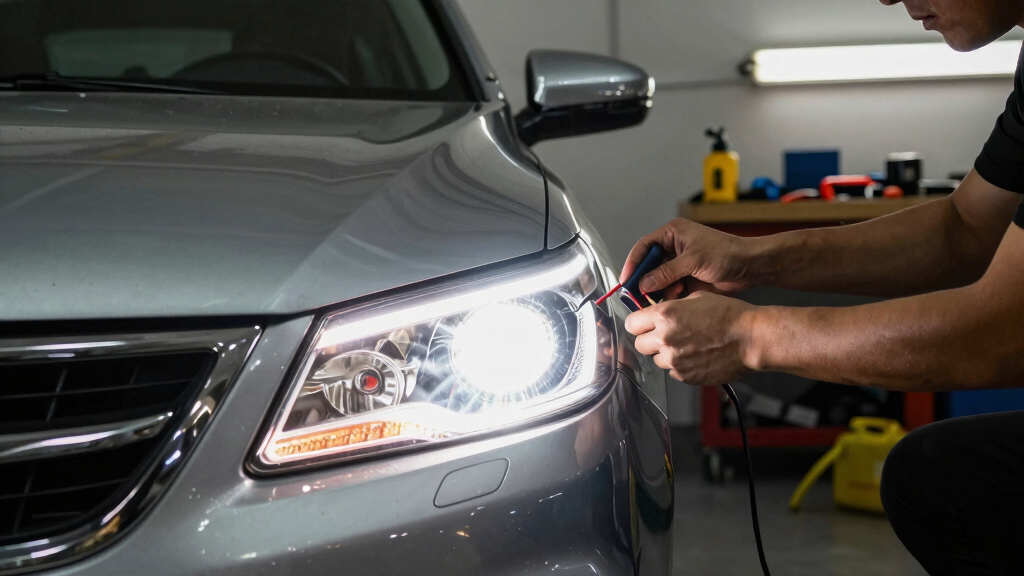
Recent increases in LED headlight brightness have raised safety concerns among drivers and regulators. While brighter headlights improve visibility, they may also cause glare, potentially impairing other drivers. Authorities are investigating the issue, but definitive safety standards are still under development.
Regulators, automotive manufacturers, and safety experts are currently examining whether the increased brightness of modern LED headlights compromises road safety by causing glare for other drivers.
Recent years have seen a significant rise in the brightness levels of LED headlights, driven by advances in lighting technology and consumer demand for better visibility. According to the Society of Automotive Engineers, some LED headlights now exceed 3,000 lumens, compared to traditional halogen lights averaging around 700 lumens.
Drivers and safety advocates have reported instances where overly bright headlights cause glare, impairing the vision of oncoming vehicles and increasing the risk of accidents. The National Highway Traffic Safety Administration (NHTSA) has acknowledged receiving complaints and is conducting studies to assess whether current brightness standards are adequate.
Automakers claim that increased brightness enhances nighttime visibility and reduces accidents, but safety groups warn that excessive glare could negate these benefits by creating new hazards on the road.
Impact of Bright LED Headlights on Road Safety
This issue is significant because it directly affects driver visibility and safety. If headlights are too bright, they can cause glare that temporarily blinds other drivers, increasing the risk of crashes, especially on poorly lit roads or in adverse weather conditions. The outcome of ongoing research and potential regulatory changes could lead to stricter standards for headlight brightness, influencing industry practices and vehicle design.
As an affiliate, we earn on qualifying purchases.
Rise of LED Headlights and Safety Concerns
LED headlights have become increasingly popular over the past decade due to their energy efficiency, longevity, and ability to produce brighter, whiter light. Automakers have adopted these lights to meet evolving safety and aesthetic standards, with many new vehicles equipped with high-intensity LED systems.
However, as brightness levels have increased, so have reports of glare and visibility issues. Some countries, including Germany and Japan, have introduced regulations limiting headlight intensity, but these vary widely across regions. The debate over optimal brightness levels is ongoing, with no global consensus yet established.
Research institutions and safety organizations are examining whether current standards adequately balance visibility benefits with glare risks, but definitive conclusions are still pending.
“While brighter headlights improve visibility, excessive brightness can cause glare that impairs other drivers’ vision, posing safety risks.”
— Dr. Lisa Chen, automotive safety researcher
Unclear Standards and Future Regulations
It is not yet clear whether current regulatory standards are sufficient or if new limits will be imposed. Ongoing studies aim to determine the safe upper limits of headlight brightness, but no definitive guidelines have been established as of now. Further research is needed to balance improved visibility with glare mitigation.
Next Steps in Headlight Brightness Regulation
Regulatory agencies, including the NHTSA and international counterparts, are expected to release updated guidelines within the next 12 to 24 months. Meanwhile, automakers may voluntarily adjust headlight designs to reduce glare, and consumers are advised to be aware of potential glare issues when purchasing vehicles with high-intensity LED headlights.
Key Questions
Are LED headlights generally safer than traditional halogen lights?
LED headlights can improve visibility due to their brightness and clarity, but if excessively bright, they may cause glare that impairs other drivers’ vision, potentially offsetting safety benefits.
What are current regulations on headlight brightness worldwide?
Regulations vary by country, with some regions setting limits around 2,000–3,000 lumens, while others lack specific caps. International standards are still under development.
Can drivers adjust their headlights to reduce glare?
Yes, many vehicles have manual or automatic headlight leveling systems that can help reduce glare for oncoming drivers. Proper adjustment is recommended for safety.
Will future regulations limit LED headlight brightness?
It is likely, as ongoing research aims to establish safe brightness thresholds, which could lead to stricter standards in the coming years.
Source: rss
Columbus Day / Indigenous Peoples' Day Picks
long weekend sales
As an affiliate, we earn on qualifying purchases.