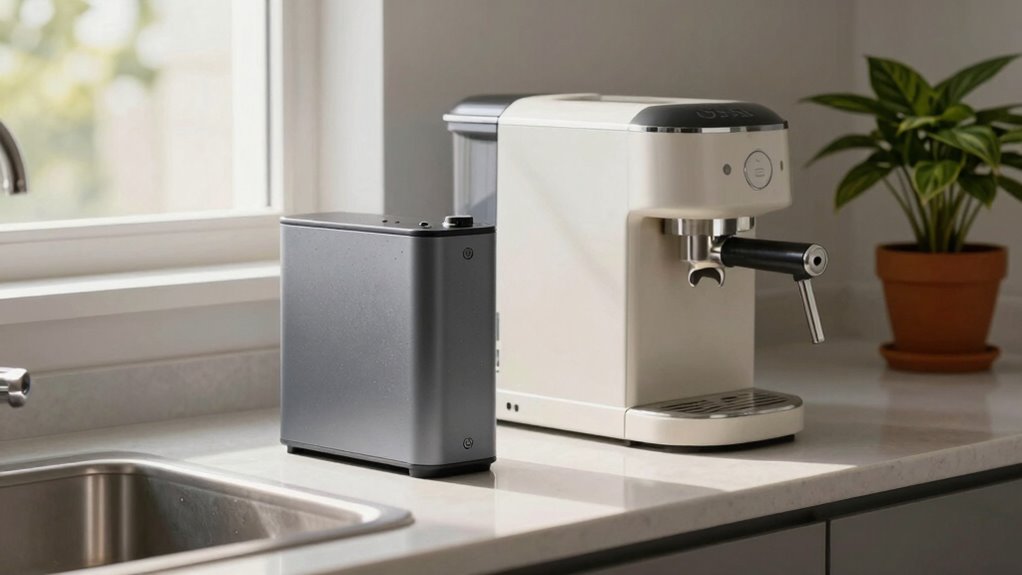

Sodium-ion packs could fit better than you’d expect in energy storage, especially for renewable sources like solar and wind. Their lower production costs and abundant materials make them a sustainable choice. They’re increasingly competitive in energy density, which means you can count on them for applications like electric vehicles and grid stabilization. Plus, their reduced environmental impact appeals to eco-conscious users. Stick around to explore how this tech might reshape the future of energy storage.

Get backup power and energy gear delivered free with Prime
- Fast, free delivery on millions of items
- Prime Video, Amazon Music and more included
- Member-only deals all year
Key Takeaways
- Sodium-ion technology offers a sustainable alternative for energy storage in electric vehicles, appealing to eco-conscious consumers and reducing reliance on lithium.
- Its lower production costs and abundant materials make sodium-ion batteries an attractive option for large-scale renewable energy storage systems.
- Sodium-ion packs can effectively store excess energy from solar and wind sources, ensuring a consistent power supply during low generation periods.
- Ongoing research is closing the performance gap with lithium-ion batteries, making sodium-ion technology viable for a wider range of applications.
- The potential for reshaping energy storage landscapes encourages further investment and innovation in sodium-ion technology across multiple sectors.
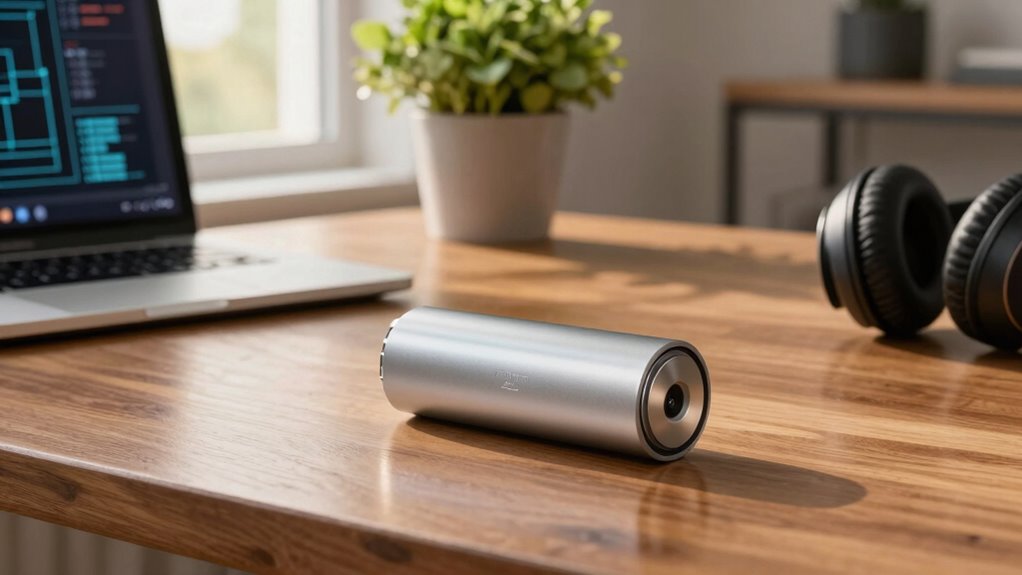
Sodium-ion packs are emerging as a promising alternative to traditional lithium-ion batteries, offering a sustainable solution for energy storage. With the growing demand for renewable energy and the need for efficient energy storage, sodium-ion technology is gaining traction. You’ll find that sodium-ion advantages, such as abundance and cost-effectiveness, make it a compelling option for various applications.
One of the biggest benefits you’ll notice with sodium-ion packs is their reliance on sodium, an element that’s widely available and inexpensive. Unlike lithium, which is often mined in limited regions, sodium can be sourced from seawater and other abundant materials. This accessibility translates to lower production costs, making sodium-ion batteries a potentially more affordable option for large-scale energy storage solutions. You won’t have to worry about the volatile prices tied to lithium, which can fluctuate considerably. Additionally, sodium-ion batteries tend to have a lower environmental impact during manufacturing compared to lithium-ion batteries, further supporting their sustainability benefits.
Sodium-ion packs offer a cost-effective, abundant alternative to lithium, ensuring stable energy storage without price volatility.
In terms of performance, sodium-ion batteries have shown impressive advancements. They offer competitive energy density and efficiency compared to lithium-ion batteries. While they may not yet match lithium in every aspect, ongoing research is closing that gap quickly. You might find that sodium-ion packs can effectively power electric vehicles, grid storage systems, and even consumer electronics, making them versatile for various uses. Performance improvements are continuously being made, increasing their viability in mainstream applications. Furthermore, the development of new electrode materials is helping to improve their cycle life and stability over time.
The applications of sodium-ion technology are exciting, too. For instance, in renewable energy sectors, sodium-ion batteries can store excess energy generated by solar panels or wind turbines, ensuring a steady supply even when the sun isn’t shining or the wind isn’t blowing. This capability is vital for stabilizing power grids and promoting energy independence. If you’re involved in renewable energy, you’ll appreciate how sodium-ion applications can enhance efficiency and reliability. Renewable energy storage is one of the key areas where these batteries could make a significant difference.
Moreover, sodium-ion technology is making waves in the domain of electric vehicles (EVs). As automakers seek sustainable alternatives to lithium-ion batteries, sodium-ion packs can offer a viable solution. They can reduce dependency on lithium, easing the environmental impact associated with mining. You might see more EVs featuring sodium-ion technology in the near future, catering to eco-conscious consumers. Sodium availability and cost are important factors that could influence their wider adoption, especially as supply chains adapt to new sourcing methods.
As an affiliate, we earn on qualifying purchases.
Frequently Asked Questions
What Are the Environmental Impacts of Sodium-Ion Batteries?
Sodium-ion batteries have some environmental impacts you should consider. The extraction of sodium can lead to habitat disruption and increased carbon emissions, though it’s generally less harmful than lithium mining. When it comes to battery disposal, improper handling can release toxic materials, harming ecosystems. However, sodium-ion batteries are often more recyclable, potentially reducing waste. By understanding these factors, you can make informed choices about their use and sustainability.
How Do Sodium-Ion Packs Compare to Lithium-Ion in Safety?
Sodium-ion packs generally have a good safety profile compared to lithium-ion batteries. They tend to be less prone to overheating and thermal runaway, which enhances safety standards. However, sodium-ion packs typically offer lower energy density, meaning they can store less energy for the same weight. While they’re safer in some respects, you should consider energy density when choosing the right battery for your needs. Overall, sodium-ion packs could be a reliable alternative.
Can Sodium-Ion Technology Be Scaled for Electric Vehicles?
Yes, sodium-ion technology can be scaled for electric vehicles, but it faces scalability challenges. You’ll find that sodium-ion advantages, like lower cost and abundant materials, make it an appealing alternative to lithium-ion. However, optimizing energy density and performance for large-scale applications remains a hurdle. As research progresses, you might see improvements that could help sodium-ion batteries meet the demands of the electric vehicle market more effectively.
What Are the Charging Times for Sodium-Ion Batteries?
Charging times for sodium-ion batteries typically range from 1 to 3 hours, depending on the system’s design. While they may not be lightning-fast, their charging efficiency guarantees you’ll spend less time tethered to an outlet. Plus, with a focus on battery longevity, these packs can endure numerous cycles, giving you peace of mind. So, even if you’ve got to wait a bit, you’re investing in a durable and reliable power source.
Are There Any Existing Products Using Sodium-Ion Technology?
Yes, there are existing products using sodium-ion technology. Companies are exploring sodium ion innovations, particularly in energy storage solutions. You might find them in certain electric vehicles and grid storage systems, showcasing their market potential. As manufacturers continue to develop these batteries, you’ll likely see more applications emerging, especially in areas where cost and sustainability are essential. Keep an eye out; this technology could revolutionize how we think about energy storage.
Conclusion
In a world where you can grab a selfie with a dinosaur, sodium-ion packs might just surprise you. They’re not just a backup option; they could revolutionize how you power everything from electric vehicles to renewable energy storage. As you explore their potential, keep an open mind—these packs might fit into more places than you ever imagined. Embracing this technology could lead to a greener future, one that’s ready to embrace the unexpected.
Halloween Picks
halloween
As an affiliate, we earn on qualifying purchases.