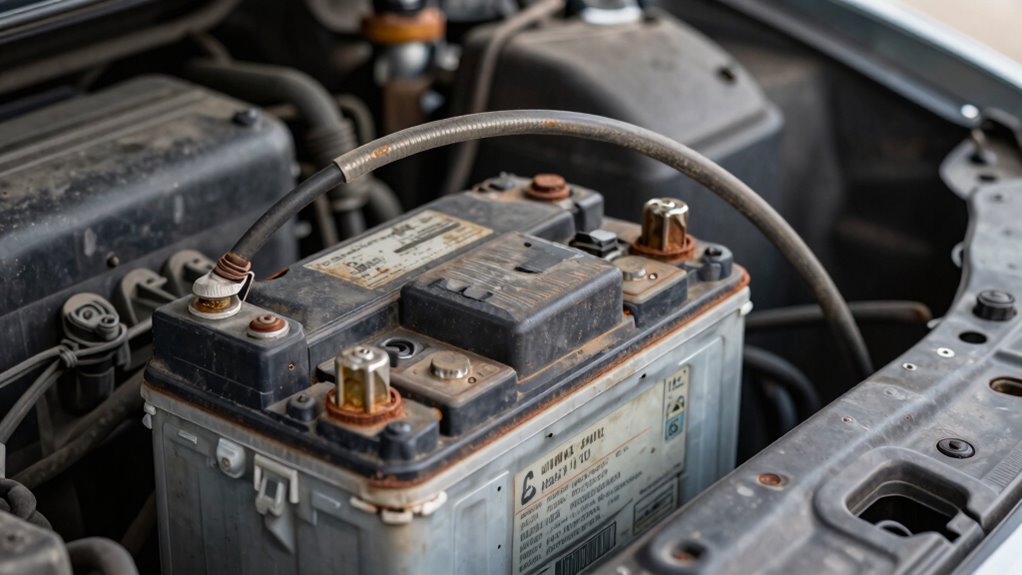

When your car struggles to start or the engine hesitates, it can be tricky to tell if the problem is the battery or the starter. Both issues cause slow cranking and can make the engine seem like it’s not turning over properly. Sometimes, a dead battery can mimic a faulty starter because they share similar symptoms. If you want a clearer picture, understanding how electrical problems affect your vehicle will help you figure out what’s really wrong.

Get backup power and energy gear delivered free with Prime
- Fast, free delivery on millions of items
- Prime Video, Amazon Music and more included
- Member-only deals all year
Key Takeaways
- A failing or dead battery can cause slow or no engine start, mimicking starter motor issues.
- Alternator problems drain the battery, leading to symptoms similar to a faulty starter.
- Blown fuses in the electrical system can prevent proper power flow, causing start-up difficulties.
- Reduced voltage from electrical issues can cause the starter solenoid or motor to malfunction.
- Similar symptoms like clicking or hesitation often result from electrical system failures, not the starter itself.
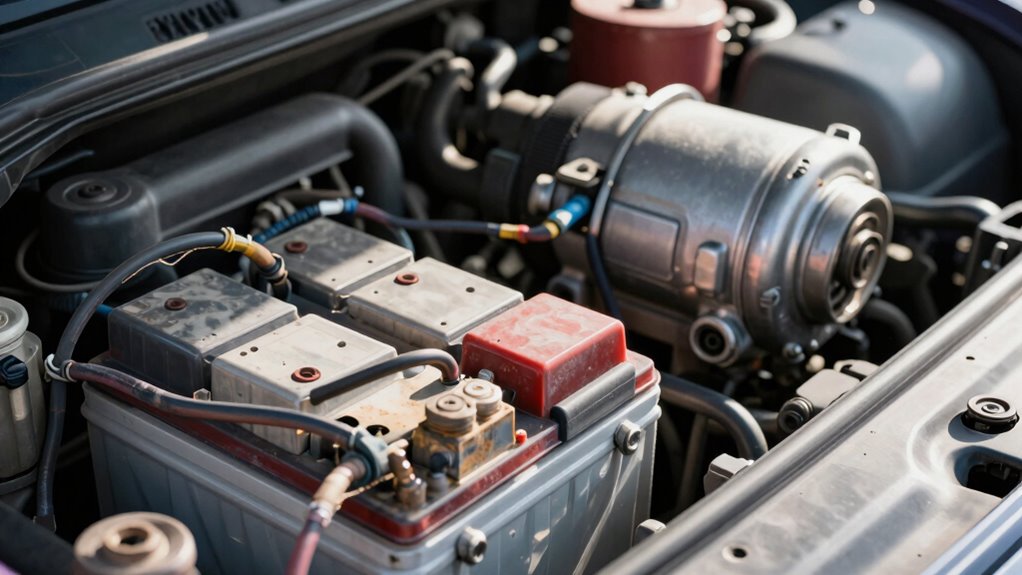
If your car struggles to start or hesitates before turning over, the problem often lies with the battery or starter. It’s understandable to think that a slow or non-starting engine points directly to a dead battery or a faulty starter motor. But sometimes, the issue isn’t as straightforward as it seems. Alternator issues can cause your battery to lose charge, making it appear dead when it’s actually not. When the alternator isn’t charging the battery properly, the battery’s voltage drops, and your engine stalls or won’t start at all. Similarly, fuse failures—particularly those linked to the charging or ignition systems—can mimic starter problems. A blown fuse might cut off power to essential components, causing your engine to hesitate or not start at all.
You might notice that your headlights are dimmer than usual or that electrical accessories flicker before attempting to start the engine. These signs often point to alternator issues, which affect the battery’s ability to hold a charge. If the alternator isn’t functioning correctly, the battery doesn’t get recharged after long drives, leading to a situation where your vehicle struggles to start, even if the battery itself is relatively new. In this case, replacing the battery won’t fix the problem; you need to check the alternator’s performance. On the other hand, fuse failures can cause sudden starting issues without warning. For instance, if a fuse related to the ignition or starter circuit blows, the starter won’t receive the power it needs to turn the engine over, presenting symptoms similar to a bad starter.
It’s also worth noting that sometimes, what appears to be a starter problem is actually a sign of an underlying electrical issue. A failing alternator or a blown fuse can reduce voltage supply, causing the starter solenoid to malfunction or the starter motor to struggle. In such cases, the engine may click, hesitate, or fail to turn over entirely. Proper diagnosis involves checking these components to identify the true culprit behind your starting troubles. Additionally, understanding how electrical system components interact can help prevent misdiagnosis and ensure your vehicle runs smoothly. Recognizing the interconnected nature of these parts can save you from unnecessary repairs and expenses. It’s also helpful to remember that battery maintenance can extend the life of your electrical system and reduce the likelihood of these issues occurring unexpectedly. Moreover, regular inspections and testing can help detect potential electrical failures early on, avoiding unexpected breakdowns.
As an affiliate, we earn on qualifying purchases.
Frequently Asked Questions
How Can I Distinguish Between a Battery and Starter Issue?
To distinguish between a battery and starter issue, start with battery maintenance—check the terminals for corrosion and verify it’s fully charged. If the engine doesn’t turn over or makes clicking sounds, it might be the starter. Use electrical diagnostics to test the battery’s voltage and the starter’s function. If the battery tests fine but the starter still struggles, it’s likely a starter problem.
What Are Common Signs of a Failing Battery?
You’ll notice a failing battery if your car struggles to start or the engine cranks slowly. Look for signs like battery corrosion on terminals or a low-voltage reading. Also, frequent electrical drain issues, such as dimming lights or flickering dashboard displays, indicate a weakening battery. These signs suggest it’s time to test or replace your battery before it leaves you stranded.
Can a Faulty Alternator Cause Starter Problems?
Think of your car’s electrical system as a relay race. When the alternator fails, it’s like the baton drop — your battery drains quickly because it isn’t recharged, leading to starter problems. So yes, a faulty alternator can cause starter issues by causing battery drainage. If your car struggles to start, it’s worth checking the alternator to prevent further damage and keep the race running smoothly.
How Often Should I Replace My Car’s Battery?
You should replace your car’s battery every 3 to 5 years, depending on your driving habits and climate. Regular battery maintenance helps prevent unexpected failures. Keep an eye on your charging systems, like the alternator, to make certain they’re functioning properly, as they directly impact your battery’s health. If your car struggles to start or if you notice dimming lights, it might be time for a replacement.
Are Starter Problems More Common in Cold Weather?
Cold weather definitely makes starter problems more common because it affects battery performance. When it’s cold, your battery’s chemical reactions slow down, reducing its efficiency and ability to provide enough power to start the engine. As a result, you might notice slow cranking or difficulty starting your vehicle. To avoid issues, keep your battery well-maintained and consider replacing it if it’s old or weak, especially before winter hits.
Conclusion
Think of your car’s battery and starter as the heart and soul of your vehicle’s journey. When one falters, it often masks the true issue, like a shadow obscuring the light. Recognizing the signs early is like tending to a sprouting seed—nurturing it prevents a small problem from growing into a storm. Stay attentive and proactive; your car’s health is the beacon guiding you home, shining brighter when you understand its silent signals.
Halloween Picks
halloween
As an affiliate, we earn on qualifying purchases.