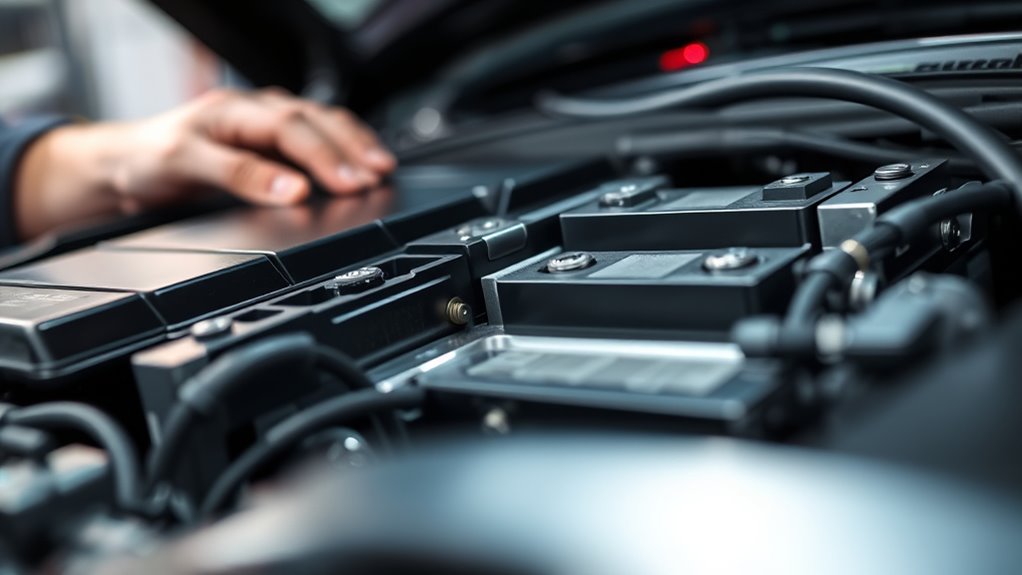

When considering insurance and warranties for your EV battery, it’s important to understand what’s covered in case of defects, capacity loss, or environmental damage. Standard car policies may not fully protect against battery repairs, so look for specialized EV coverage options. Warranties typically last 8 to 10 years, but exclusions for misuse or external impacts can apply. Knowing these details helps guarantee you’re prepared; explore more to maximize your protection and avoid unexpected costs.

Get backup power and energy gear delivered free with Prime
- Fast, free delivery on millions of items
- Prime Video, Amazon Music and more included
- Member-only deals all year
Key Takeaways
- Understand warranty coverage limits, exclusions, and fine print to avoid surprises during battery claims.
- Consider specialized EV battery insurance plans for comprehensive repair and replacement coverage.
- Be aware of warranty duration, mileage limits, and prorated terms that affect long-term battery protection.
- Recognize environmental and external damage exclusions to prevent unexpected repair costs.
- Know support options and claim procedures for timely service and minimal EV downtime.
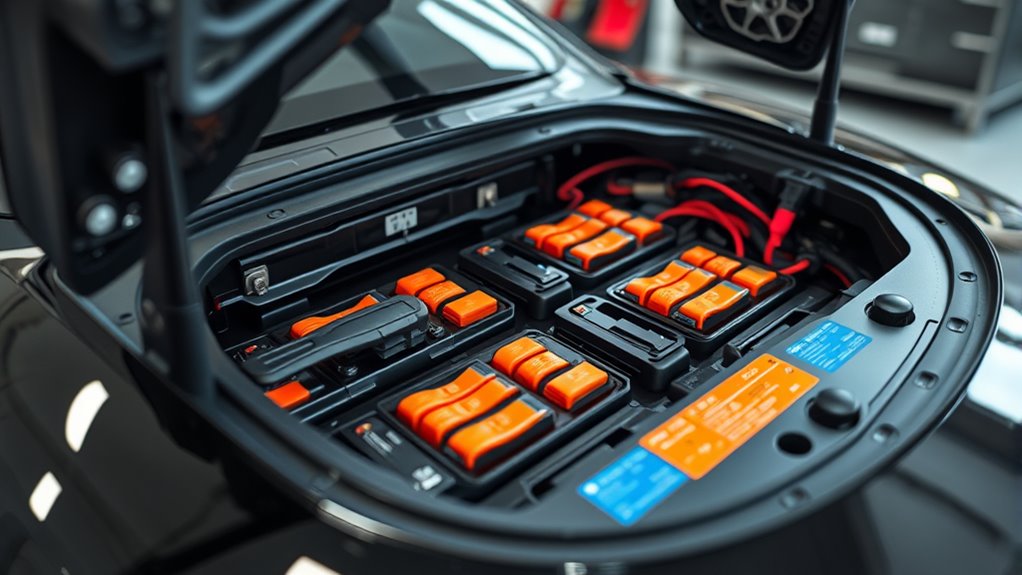
As electric vehicle (EV) adoption grows, understanding the insurance and warranty options for EV batteries becomes increasingly vital. Your battery is the core of your EV, and knowing how potential issues are covered can save you time and money. Most warranties offer coverage for battery defects or failures that occur within a certain timeframe or mileage limit. These warranties typically include free battery replacement if you experience significant capacity loss or a malfunction caused by manufacturing defects. However, it’s essential to read the fine print, as many warranties exclude coverage for damage resulting from accidents, misuse, or environmental factors. This is where coverage exclusions come into play—some policies might not cover issues arising from external impacts, corrosion, or improper maintenance. Understanding what is covered and what isn’t helps you avoid surprises when your battery needs attention.
When considering insurance, keep in mind that standard car policies may not fully cover battery replacement costs. Some insurers offer specialized EV battery coverage options, which can help protect against unexpected expenses if your battery fails outside the warranty period. These policies often cover both the repair and replacement costs, but they may have limitations, such as deductibles or caps on payouts. It’s wise to compare different plans to find one that aligns with your driving habits and the specific risks associated with EV batteries. For instance, if you frequently drive in extreme weather or rough conditions, look for coverage that accounts for environmental damage or accelerated battery degradation.
Another key aspect to think about is the longevity of your warranty. Most EV manufacturers provide warranties ranging from 8 to 10 years or a certain number of miles, but these vary by brand and model. Some warranties also include prorated coverage after a certain period, meaning you might pay a portion of the replacement cost if a failure occurs later in the warranty term. Be aware of any restrictions, such as proper maintenance requirements or annual inspections, which might influence your warranty’s validity. It’s also beneficial to inquire about the process for battery replacement—whether it involves a refurbished or new battery—and how quickly the manufacturer can provide service.
Additionally, understanding support hours and service options for warranty and insurance claims can help you plan accordingly and avoid delays in case of a battery issue. Ultimately, understanding the nuances of EV battery warranties and insurance options empowers you to make informed decisions. Knowing what is covered, what coverage exclusions exist, and how to safeguard against unexpected costs ensures you’re protected as you enjoy the benefits of electric driving. Proper research and clear communication with your insurer and dealer will give you peace of mind, knowing your investment is well-protected against future battery issues.
As an affiliate, we earn on qualifying purchases.
Frequently Asked Questions
How Does Battery Warranty Coverage Differ Between Brands?
You’ll find that battery warranties vary widely between brands, affecting your coverage for battery lifespan and warranty exclusions. Some brands offer longer warranties, often up to 8 years or more, while others have shorter periods. Be aware that certain warranty exclusions might limit coverage if your battery experiences issues from specific causes. Comparing these differences helps you choose a brand that provides the best protection for your EV’s battery lifespan.
Are There Specific Insurance Policies for EV Battery Damage?
Yes, there are specific insurance policies for EV battery damage that cover issues like battery degradation and repair costs. These policies often protect you from high expenses if your battery deteriorates or gets damaged, helping offset repair or replacement costs. It’s important to review policy details, as coverage can vary, ensuring you’re protected against unexpected battery-related expenses and that repair costs won’t burden you financially.
What Factors Influence EV Battery Insurance Premiums?
Think of your EV battery as a delicate garden that needs protection. Your premiums are influenced by factors like battery degradation, which affects its longevity, and theft risk, which threatens its safety. If your battery shows signs of wear or is in a high-theft area, insurers may see higher potential costs. Keeping your battery in good shape and choosing secure locations can help lower your premiums and keep your investment safe.
Can Warranty or Insurance Be Transferred if I Sell My EV?
Yes, warranty transfer is often possible when you sell your EV. Most manufacturers allow the new owner to benefit from the remaining battery life warranty, providing added value. You should check your specific warranty terms to confirm if it’s transferable, as policies vary. Transferring the warranty can reassure buyers about battery reliability, making your vehicle more attractive and potentially increasing its resale value.
How Do I File a Claim for Battery Replacement or Repair?
You might think filing a battery repair claim is complicated, but it’s simple. First, contact your warranty provider or insurance company to start the claim process. Provide detailed information about the issue and any supporting documents, like maintenance records. They’ll guide you through the steps for battery replacement or repair. Act quickly, and keep records of all communications to guarantee a smooth claim process.
Conclusion
While it’s tempting to assume EV batteries are invincible, insurance and warranties remind us that even the most advanced tech isn’t infallible. Ironically, the very protections designed to ease your worries can sometimes complicate claims or leave gaps in coverage. So, next time you trust your battery’s longevity, remember—sometimes, the best guarantee is knowing you’ve read the fine print. After all, even eco-friendly tech needs a little human oversight.
Halloween Picks
halloween
As an affiliate, we earn on qualifying purchases.