
You should replace your battery before it shows signs of failure, ideally around 3-5 years for car batteries and 2-3 years for electronics. Keep an eye out for slow starts, corrosion, or diagnostic alerts. Regular inspections and monitoring can help you spot deterioration early. By planning proactive replacements, you’ll avoid unexpected breakdowns and costly repairs. Want to learn more about signs and timing? Keep exploring for detailed tips and insights.

Get backup power and energy gear delivered free — and shop member deals
- Fast, free delivery on millions of items
- Access to Prime Big Deal Days deals on October 6–7
- Prime Video, Amazon Music and more included
Key Takeaways
- Replace the battery proactively based on age, typically every 3-5 years for cars and 2-3 years for electronics.
- Monitor for signs of wear such as slow starts, corrosion, or diagnostic alerts indicating capacity decline.
- Conduct regular inspections and use diagnostic tools to assess battery health and timing for replacement.
- Replace before complete failure to prevent unexpected breakdowns and costly repairs.
- Consider environmental factors like extreme temperatures that can accelerate battery aging and deterioration.
Knowing when to replace your battery can save you time, money, and inconvenience. Batteries don’t last forever, and waiting until they fail can leave you stranded or facing costly repairs. Understanding your battery’s lifespan and recognizing early warning signs can help you replace it proactively, ensuring your vehicle or device performs reliably. The typical battery lifespan varies depending on usage, environment, and maintenance, but most car batteries last about three to five years. For smartphones and other electronics, batteries often need replacement after about two to three years. Regular maintenance tips can extend this lifespan, but ultimately, every battery wears out over time.
Replacing your battery proactively saves time and money by preventing unexpected failures and ensuring reliable performance.
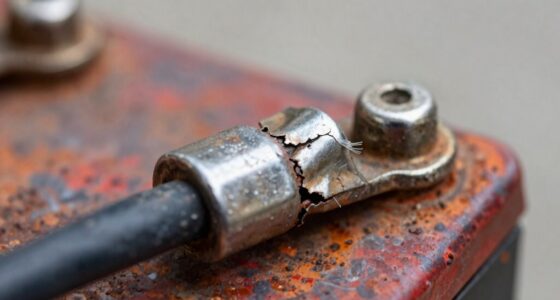
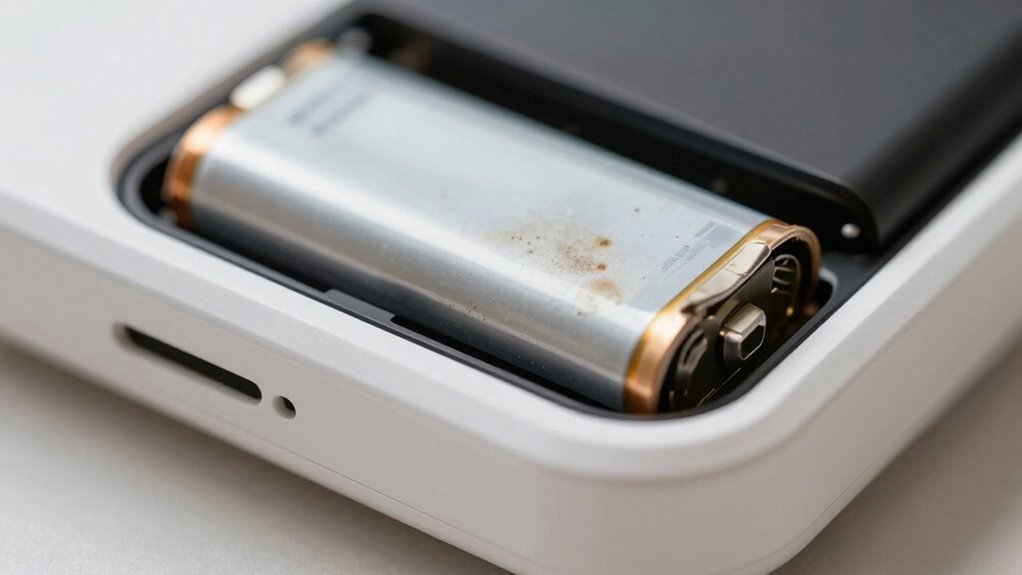
One of the most effective ways to determine when to replace your battery is to pay attention to its performance. If your vehicle’s engine struggles to start, or if your electronic device drains quickly despite a full charge, these are signs your battery may be nearing the end of its life. Keep an eye on the battery’s health by checking for corrosion on terminals, bloated or cracked casing, or any leaks. These visual cues often indicate that the battery is compromised and should be replaced soon. Many modern vehicles and devices come with built-in diagnostics that notify you when the battery’s capacity drops below an optimal level. Taking advantage of these alerts allows you to plan ahead rather than face sudden failure.
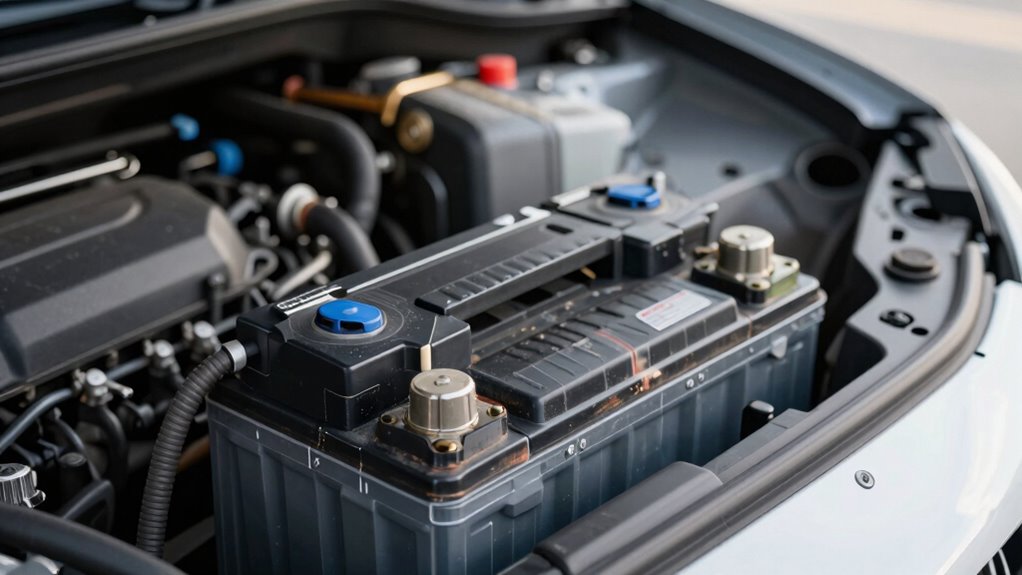
In addition to paying attention to performance and visual cues, adhering to maintenance tips can help you gauge your battery’s condition. For car batteries, regular inspections, cleaning terminals, and ensuring proper charging can extend their lifespan. For electronics, avoid exposing devices to extreme temperatures and don’t let batteries completely drain before recharging. Proper storage and cautious handling can prevent premature deterioration. Additionally, understanding the battery’s lifespan and how environmental factors impact it can help you make informed decisions about replacement timing. Recognizing the effects of temperature extremes and humidity on battery health can also aid in predicting when a replacement might be necessary. Regularly monitoring your battery’s condition using diagnostic tools can further help you stay ahead of potential failure. Being aware of battery deterioration signs, such as reduced capacity or slow charging, can also help you determine the right moment to replace it. However, regardless of how well you care for your batteries, they will eventually lose their ability to hold a charge effectively. Knowing the signs of aging and replacing your battery before it fails helps you avoid inconvenience and potential damage to other components.
Timing your replacement is about understanding these signals and following maintenance tips that extend the battery’s effective life. Don’t wait for the battery to die completely; instead, replace it when performance begins to decline noticeably or when inspections reveal signs of aging. By staying proactive, you ensure your vehicle or device remains reliable and safe, saving you time, money, and frustration in the long run. Ultimately, recognizing the right moment to replace your battery before failure is a smart way to maintain optimal functionality and prevent unexpected breakdowns.
As an affiliate, we earn on qualifying purchases.
Frequently Asked Questions
How Do Temperature Changes Affect Battery Lifespan?
Temperature fluctuations can substantially impact your battery’s durability. When exposed to extreme heat, your battery’s internal components degrade faster, shortening its lifespan. Conversely, cold temperatures can temporarily reduce performance and cause internal stress. To maximize battery durability, avoid frequent exposure to temperature swings, and store your device in a stable environment. Proper care helps prevent premature failure, ensuring your battery performs well over its intended lifespan.
Can Regular Maintenance Extend a Battery’s Useful Life?
Ever wondered if your efforts matter? Regular maintenance definitely extends your battery’s life by improving charging habits and preventing unnecessary strain. Properly recycling your old batteries also helps sustain their performance. By keeping terminals clean, avoiding overcharging, and storing batteries correctly, you reduce wear and tear. Isn’t it worth taking these simple steps today to save money and reduce environmental impact tomorrow? Proper care truly makes a difference.
What Signs Indicate a Battery Is Nearing Failure?
You’ll notice your battery shows signs like slow engine cranks, dim headlights, or electronic malfunctions, indicating it’s nearing failure. If your vehicle’s battery isn’t holding a charge, it’s time for replacement and proper battery recycling. Ignoring these signs risks breakdowns and environmental harm. Regularly checking your battery helps you catch issues early, ensuring safe driving. When replacing, always recycle your old battery responsibly to support battery recycling efforts.
How Does Usage Frequency Impact Battery Replacement Timing?
Your usage frequency acts like a ticking clock, speeding up or slowing down your battery’s lifespan. The more often you use it, the quicker it wears out, meaning you’ll need to replace it sooner. Regularly check for signs like reduced capacity and confirm your charger compatibility to maximize recycling efforts. Keeping an eye on usage helps you time replacements better, preventing surprises and supporting eco-friendly battery recycling.
Are There Specific Brands Known for Longer-Lasting Batteries?
Some brands are known for longer-lasting batteries, thanks to their strong reputation for quality and durability. Brands like Duracell, Energizer, and Sony often lead the market because of their reliable performance. Additionally, check their warranty coverage, which indicates confidence in their products. Selecting a reputable brand with solid warranty support guarantees you get a battery that lasts longer and provides peace of mind if issues arise.
Conclusion
Knowing when to replace your battery can save you from unexpected breakdowns and costly repairs. Did you know that most car batteries start to lose their ability to hold a charge after just three to five years? By monitoring your battery’s age and signs of decline, you can substitute it proactively. Don’t wait for a failure—timely replacement keeps you safe and ensures your vehicle runs smoothly longer. Stay ahead and avoid being stranded!
Fall Picks
fall essentials
As an affiliate, we earn on qualifying purchases.