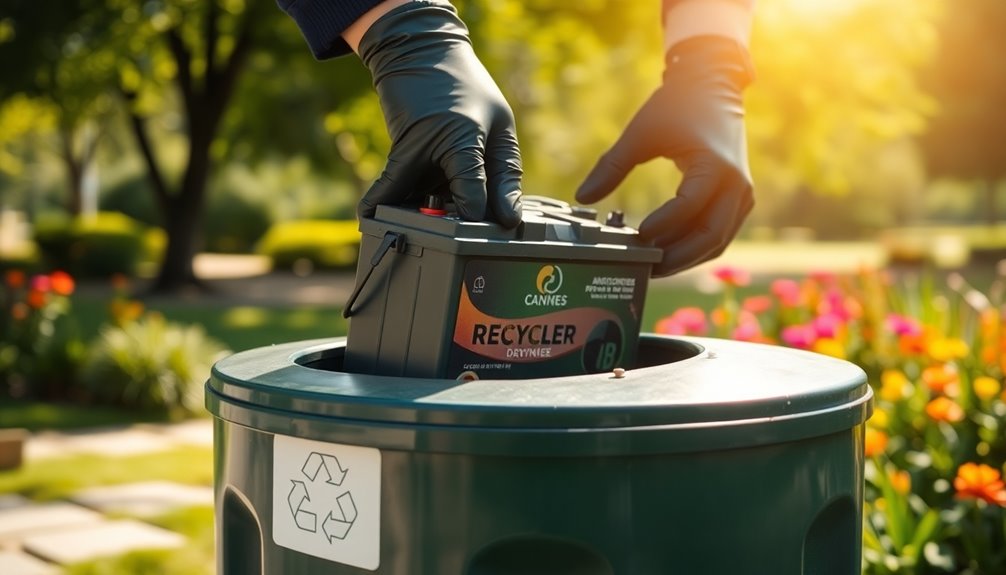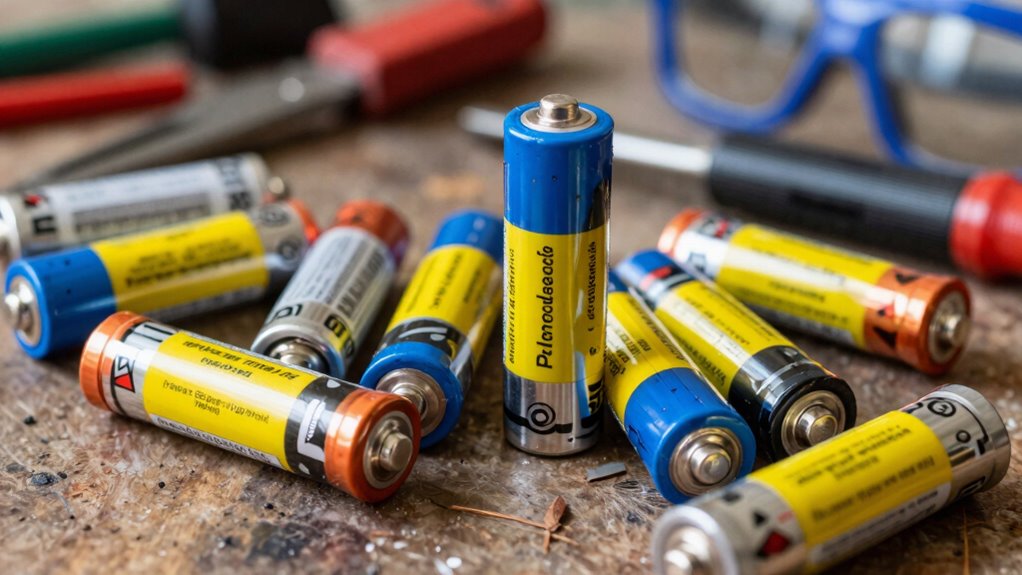

To spot a battery recommendation that ignores safety, look for suggestions that focus only on the lowest price without mentioning battery chemistry, safety standards, or certifications. Beware of brands that don’t highlight safety features like venting or protection circuits, and be cautious if safety credentials or manufacturer reputation are absent. If safety isn’t emphasized, chances are these recommendations overlook serious risks like fire or explosion. Continuing your search will reveal how to identify trustworthy options.

Get backup power and energy gear delivered free with Prime
- Fast, free delivery on millions of items
- Prime Video, Amazon Music and more included
- Member-only deals all year
Key Takeaways
- Prioritizes cost or performance over safety features and certifications like UL or CE.
- Recommends batteries without considering chemistry or safety risks associated with different types.
- Omits mention of safety features such as venting, protection circuits, or manufacturer safety standards.
- Promotes unknown brands lacking reputation, safety testing, and quality control.
- Uses promotional language that downplays safety concerns or ignores safety credentials.

When choosing a battery, it’s essential to prioritize safety, but sometimes recommendations overlook this aspect in favor of cost or convenience. One of the clearest signs of a safety-ignoring suggestion is when the focus shifts primarily to cheaper options without considering battery chemistry. Different types of batteries—such as lithium-ion, nickel-metal hydride, or lead-acid—have varied safety profiles. For instance, some lithium-ion batteries can pose fire risks if not designed or manufactured properly, especially if they use inferior battery chemistry. If a recommendation pushes a specific battery type solely for saving money, without mentioning the safety implications tied to its chemistry, it’s a red flag. Always ask yourself whether the suggested chemistry aligns with safety standards and the device’s requirements. Additionally, understanding the importance of battery safety standards can help you make more informed choices. Recognizing proper handling and storage practices is also crucial, as even a safe battery can become hazardous if misused. Being aware of the regulatory certifications that verify a battery’s safety features can further protect you from unsafe products. It’s also helpful to consider manufacturing quality, since consistent quality control is vital for safety. Reliable information about the manufacturing process can give you insights into the overall safety and durability of the product. Another key indicator is the reputation of the manufacturer. Reputable brands invest heavily in quality control, safety testing, and adhering to industry standards. When a recommendation comes from an unknown or untrusted manufacturer, you risk getting a product that might not meet safety regulations. These lesser-known brands often cut corners on safety features or use substandard materials, increasing the chance of malfunction or hazards. Always verify the manufacturer’s reputation by researching reviews, safety certifications, and compliance with safety standards like UL or CE marks. If a suggestion doesn’t specify a trusted manufacturer or glosses over their safety credentials, it’s wise to be cautious. You should also be wary if a recommendation emphasizes only performance aspects—such as longer lifespan or higher capacity—without addressing safety concerns. For example, some batteries might offer impressive specs but lack proper venting or protection circuits, which are crucial for preventing overheating or explosion. Be skeptical of suggestions that omit these safety features or don’t mention the importance of proper handling and storage. Lastly, pay attention to the language used in the recommendation. If it’s overly promotional or seems to downplay the risks associated with certain batteries, that’s a clear warning. Recommendations that highlight safety, manufacturer credentials, and correct battery chemistry show a responsible approach. Conversely, those that ignore these factors or prioritize cost above all else are likely to overlook safety considerations. Remember, a safe battery choice isn’t just about avoiding accidents—it’s about ensuring your device operates reliably without putting you at risk. Always dig deeper, prioritize trusted brands, and understand the chemistry behind the batteries you’re considering.
Frequently Asked Questions
Are There Specific Brands Known for Unsafe Battery Recommendations?
Yes, some brands have a reputation for unsafe battery recommendations, often due to poor certification standards or neglecting safety guidelines. You should look for brands known for strict adherence to certification standards like UL or CE, which guarantee safety. If a brand’s reputation is questionable or they recommend batteries without proper certifications, it’s best to steer clear of their suggestions. Prioritize brands with proven safety records to protect yourself and your devices.
How Can I Verify a Battery’s Safety Certifications?
You can verify a battery’s safety certifications by checking for labels from recognized authorities like UL, CE, or IEC. Look for certification standards that indicate thorough battery testing, ensuring it meets safety and quality benchmarks. Always review the product packaging or datasheet, and cross-reference the certification marks online to confirm legitimacy. If in doubt, consult the manufacturer’s safety documentation or contact their customer service for verification.
What Are Common Signs of Misleading Safety Advice?
Misleading safety advice can be a wolf in sheep’s clothing. Watch for warning signs like overly vague warnings, ignoring official safety standards, or recommending cheap, unverified brands. If advice promises quick fixes or downplays the importance of proper certifications, it’s likely unreliable. Trust your instincts and look for credible sources. Recognizing these warning signs helps you avoid dangerous recommendations and keeps your safety a priority.
Should I Trust Online Reviews for Battery Safety?
You should be cautious about trusting online reviews for battery safety because they often overlook important factors like battery lifespan and charging habits. Reviews can be biased or outdated, so it’s better to consult reputable sources or manufacturer guidelines. Pay attention to advice on proper charging habits to extend battery life and guarantee safety. Always verify information from multiple trusted sources before making a decision about battery safety.
How Often Should I Update My Knowledge on Battery Safety?
You should update your battery safety knowledge regularly, ideally every 6 to 12 months, to stay current with the latest safety standards and innovations. Doing a battery update guarantees you’re aware of new risks, safety protocols, and recommended practices. Staying informed helps you make smarter decisions, avoid unsafe recommendations, and protect yourself and your devices. Consistent updates empower you to identify safe, reliable battery options and prevent potential hazards.
Conclusion
By paying close attention to safety concerns in battery recommendations, you might just stumble upon a warning that’s been overlooked. Sometimes, the simplest details—like proper venting or certified labels—align unexpectedly, revealing the true safety standards behind the advice. It’s almost like a coincidence that highlights the importance of thorough research. Trust your instincts, stay vigilant, and remember: a cautious approach often uncovers the hidden truths that safety-conscious recommendations aim to protect you from.
Fall Picks
fall essentials
As an affiliate, we earn on qualifying purchases.