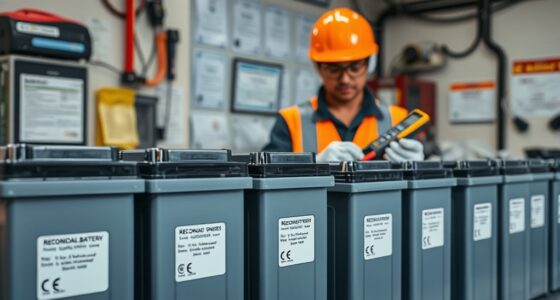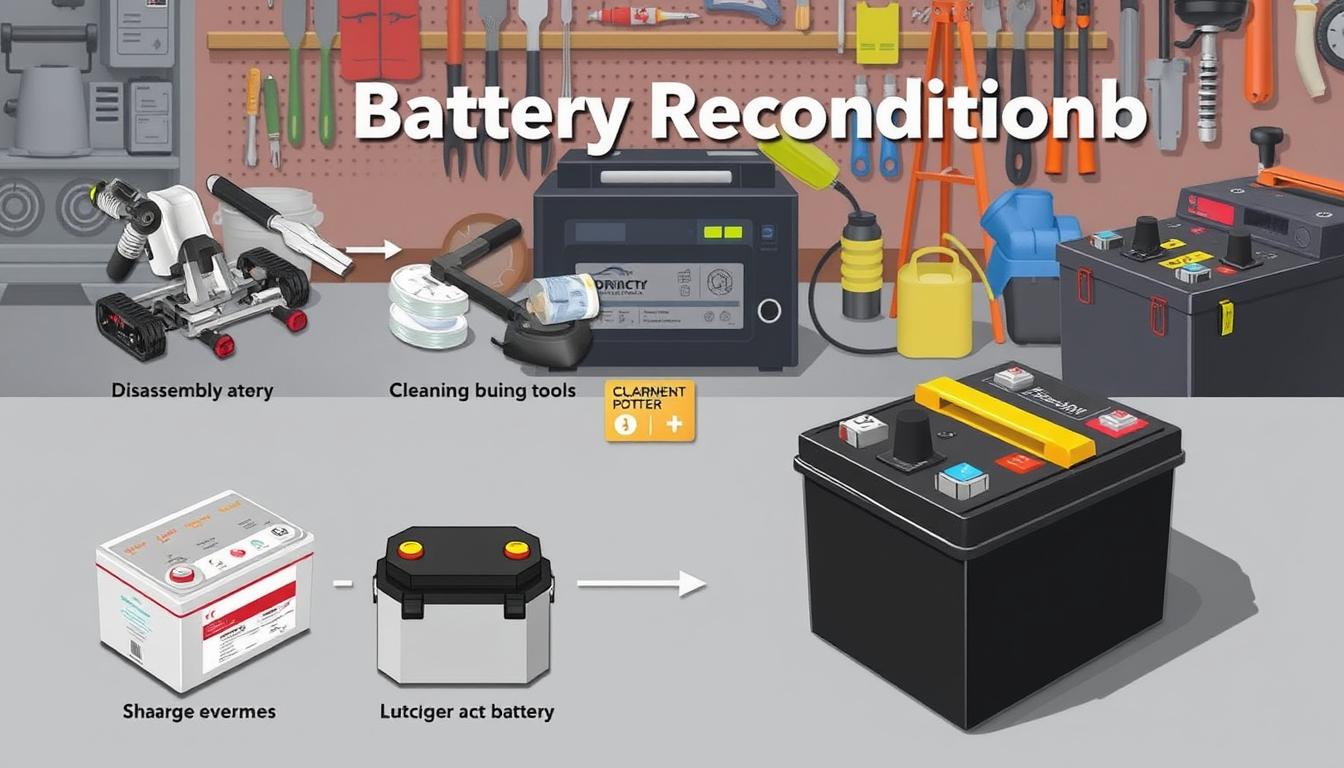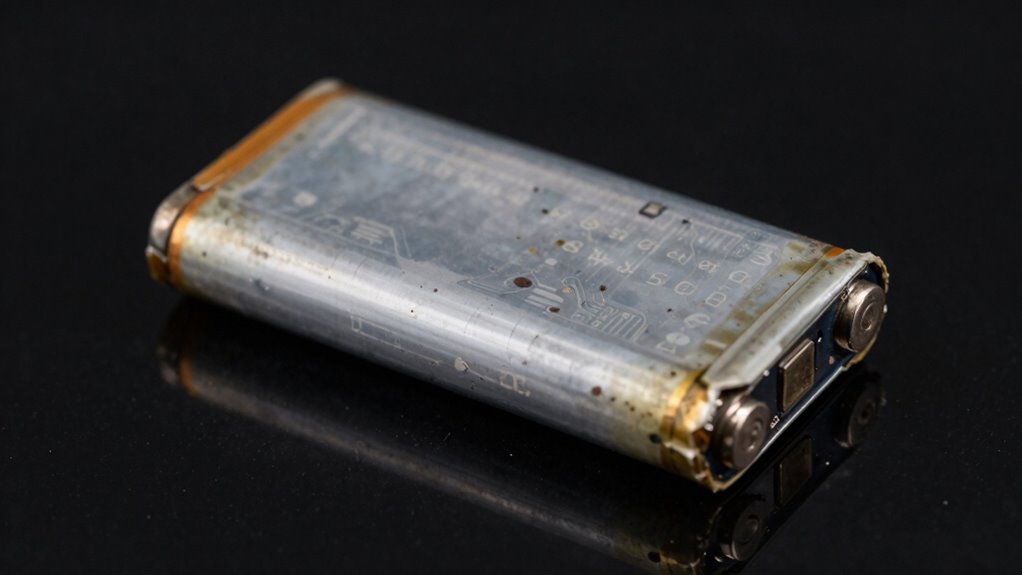

Many myths about battery degradation still circulate, such as the idea that overcharging instantly damages your battery or that it will completely fail after a certain time. Modern devices have smart systems to prevent harm, and storage in ideal conditions can extend battery life. Temperature, usage habits, and environmental factors matter more than the myths suggest. To truly understand how to care for your battery, keep exploring the facts behind these misconceptions.
Key Takeaways
- Modern batteries have protections that prevent damage from overcharging, making overnight charging generally safe.
- Battery aging is more influenced by temperature and environmental conditions than by time alone.
- Storing devices at around 50% charge in cool, dry places helps maintain battery health over time.
- Frequent full discharge cycles are less harmful than extreme heat or high voltage exposure.
- Advances in battery chemistry have increased durability, reducing the impact of age-related degradation.
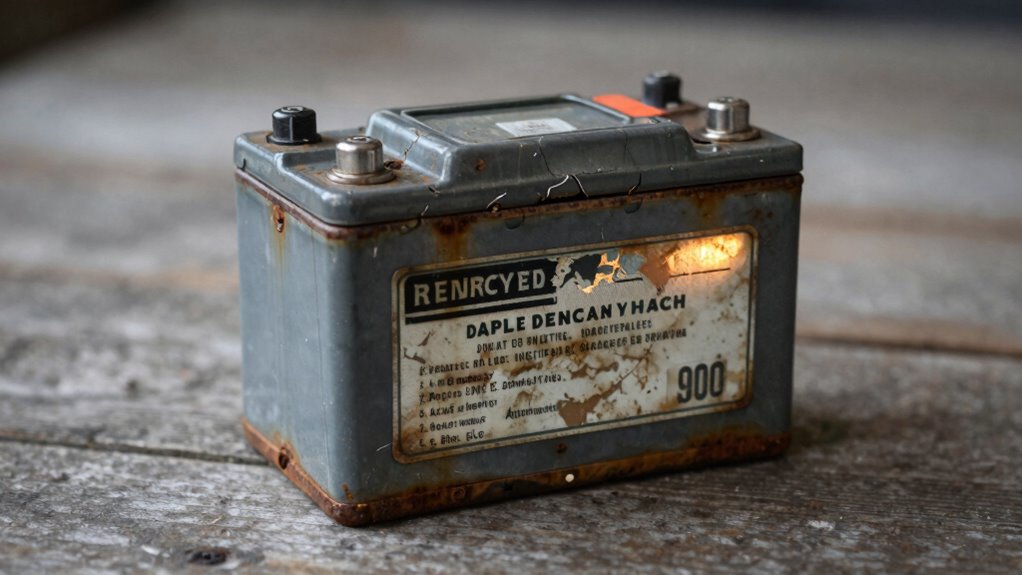
Have you ever wondered if the common beliefs about battery degradation are true? It’s a question that often pops up as people try to get the most out of their devices. Many of us have heard that overcharging or letting our batteries drain completely can ruin them, but the truth isn’t always so clear-cut. For instance, your charging habits play an important role, but not necessarily in the way many think. It’s a myth that keeping your device plugged in after reaching 100% will instantly damage the battery. Modern smartphones and laptops are equipped with smart charging systems that slow down or stop charging once they reach full capacity, helping to prevent overcharge damage. The real issue is prolonged exposure to high voltage levels over time, which can accelerate battery wear, but occasional overnight charging isn’t usually harmful. Instead, the more vital factor is how often and how long you keep your device at high charge levels, rather than the act of charging itself.
Storage conditions are another area shrouded in misconceptions. People often believe that leaving a device unused for long periods will inevitably ruin the battery, but that’s not entirely accurate. Proper storage involves keeping the battery at a moderate charge level—around 50%—and storing the device in a cool, dry place. Extreme temperatures, especially heat, are far more damaging than the mere passage of time. When you store a device in a hot environment, the chemical reactions inside the battery accelerate, leading to faster degradation. Conversely, storing a battery in a cold environment can temporarily slow down these reactions but might cause other issues like condensation or internal damage if not stored correctly. The myth that batteries will completely die after a certain period, regardless of storage conditions, overlooks the importance of how and where you store your device. Additionally, battery chemistry plays a crucial role in how well a battery withstands various environmental factors, and understanding this can help you better care for your device’s longevity. Furthermore, advancements in battery technology continue to improve overall durability and resilience against common storage-related issues, which is often overlooked.
In reality, battery life hinges on a combination of factors like charging habits and storage conditions, but not in the way many myths suggest. Avoiding extreme temperatures, not leaving your device at 0% for extended periods, and not overextending your charging sessions can greatly prolong your battery’s health. It’s also worth noting that battery cycles — the number of complete charge-discharge cycles a battery can endure — are often misunderstood; many people think these cycles are fixed, but they can vary based on battery quality and usage conditions. Don’t fall for the idea that small habits like unplugging at 80% or storing at 40% will drastically extend your battery’s lifespan, but do understand that sensible practices do matter. The bottom line is that battery degradation is a gradual process influenced by multiple factors, and myths often oversimplify or distort the truth. Being informed helps you take better care of your device’s battery and dispels the misconceptions that refuse to die.
EMAY Portable ECG Monitor | Record ECG and Heart Rate | Compatible with Smartphone and PC
- ECG Recording: Records and stores Lead I ECG signals
- Heart Rate Monitoring: Displays heart rate for health monitoring
- Device Connectivity: Connects to PC via USB and mobile via Bluetooth
As an affiliate, we earn on qualifying purchases.
As an affiliate, we earn on qualifying purchases.
Frequently Asked Questions
Do All Batteries Degrade at the Same Rate Over Time?
No, not all batteries degrade at the same rate over time. It depends on factors like battery chemistry and storage conditions. For example, lithium-ion batteries typically last longer than nickel-based ones, but poor storage conditions, like extreme temperatures or high humidity, can accelerate degradation regardless of chemistry. You should maintain ideal storage environments and understand your battery’s chemistry to maximize its lifespan and reduce degradation.
Can Battery Degradation Be Completely Reversed Through Charging Habits?
No, battery degradation can’t be completely reversed through charging habits. Your battery chemistry naturally causes capacity loss over time, and while proper charging cycles can slow down this process, they won’t restore lost capacity. You can extend your battery’s lifespan by avoiding overcharging or deep discharges, but eventual degradation is inevitable due to chemical wear. Focus on gentle charging habits to maximize performance, but remember, complete reversal isn’t possible.
How Does Climate Impact Battery Lifespan and Degradation?
Climate effects, especially temperature influence, thoroughly impact your battery’s lifespan and degradation. High temperatures accelerate chemical reactions inside the battery, speeding up capacity loss, while cold climates can temporarily reduce performance but may slow degradation. You should avoid exposing your device to extreme heat or cold, as these climate effects hasten battery aging. Maintaining ideal temperature ranges helps prolong your battery’s health and ensures better longevity over time.
Are Newer Battery Technologies Less Prone to Degradation?
Yes, newer battery technologies like solid-state batteries and lithium silicon anodes are designed to reduce degradation. Solid-state batteries use a stable electrolyte, enhancing lifespan and safety, while lithium silicon anodes offer higher capacity and better durability. You’ll find these advancements lead to longer-lasting batteries with improved performance. As technology progresses, these innovations are increasingly less prone to the degradation issues common in traditional lithium-ion batteries.
Does Frequent Fast Charging Accelerate Battery Degradation Significantly?
Like a speeding train, fast charging can speed up battery aging if done excessively. While occasional fast charging is convenient, frequent use can generate more heat and stress, leading to faster degradation over time. You should balance fast charging with regular slow charging to preserve battery health. Think of it as a marathon, not a sprint—moderation helps extend your battery’s lifespan and keeps it performing at its best longer.
Conclusion
Don’t let these old myths fool you. The idea that you must fully drain your battery or always keep it charged at 100% isn’t true anymore. Modern batteries are smarter and more resilient than ever. Instead, focus on gentle charging habits and avoid extreme temperatures. By understanding the facts, you can extend your battery’s life and get the most out of your device. Keep questioning old beliefs—your battery will thank you.