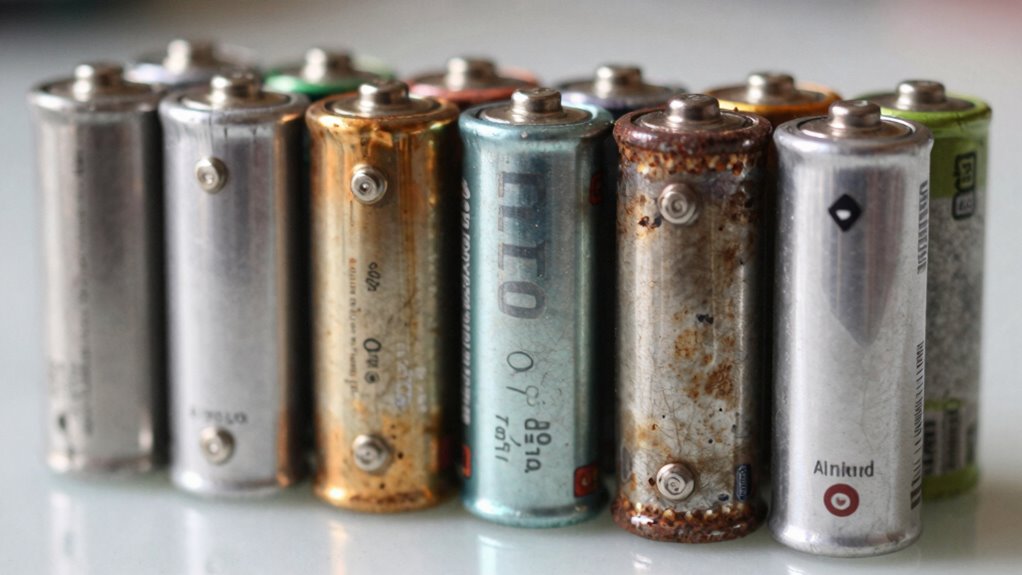

You may notice some batteries recover better after rest because their internal chemical reactions can stabilize and temporarily restore capacity. Batteries with fewer charge cycles and less wear tend to recover more effectively, as their chemistry is less degraded. Rest allows internal processes to rebalance, improving performance temporarily. The better your battery’s health and proper maintenance habits, the more noticeable this recovery becomes. Keep exploring to understand how internal chemistry impacts this phenomenon and how to maximize your battery’s lifespan.

Get backup power and energy gear delivered free with Prime
- Fast, free delivery on millions of items
- Prime Video, Amazon Music and more included
- Member-only deals all year
Key Takeaways
- Batteries with fewer charge cycles experience less degradation, allowing better recovery after rest.
- Lithium-ion batteries recover more effectively due to their chemical properties and internal chemistry stability.
- Better-maintained batteries with proper charging habits sustain higher recovery potential.
- Younger or healthier batteries have more capacity to regain performance through rest periods.
- The extent of internal chemical stabilization during rest varies, influencing recovery efficiency.
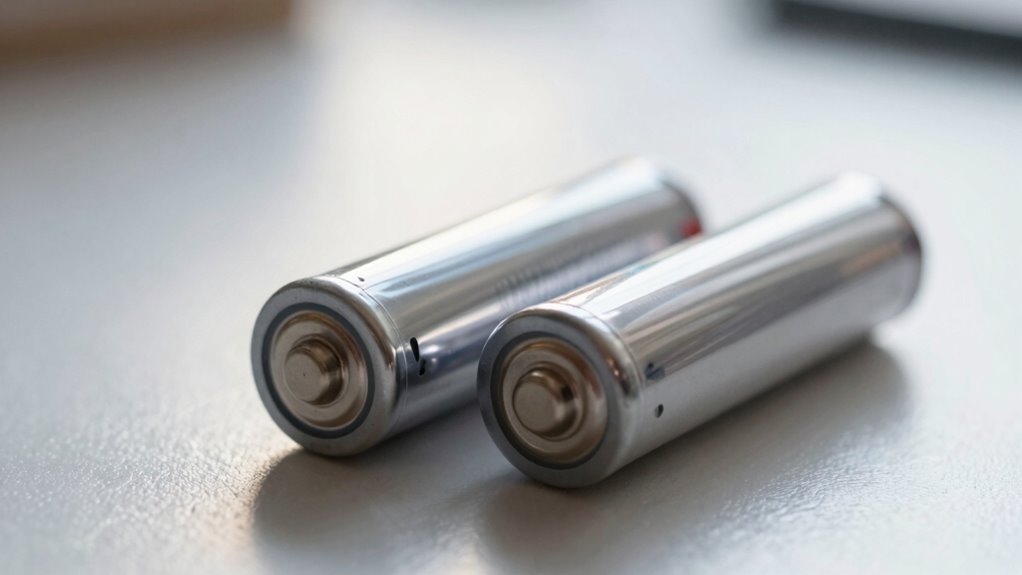
If you’ve noticed your batteries perform better after a period of rest, you’re not imagining it. This phenomenon happens because batteries often need time to recover from usage stress, which can temporarily diminish their capacity. When a battery rests, it allows internal chemical reactions to stabilize, helping restore some of its original power. This process is especially important for lithium-ion batteries, as their internal chemistry benefits from such rest periods. This recovery process is closely tied to the battery’s lifespan and the number of charging cycles it has endured. Batteries with fewer charging cycles typically recover more effectively because they haven’t experienced as much wear and tear. As you use a battery repeatedly, each cycle causes gradual degradation, reducing its ability to hold a charge. Rest periods give the battery a chance to balance its internal chemistry, especially in lithium-ion types, leading to improved performance temporarily. Understanding battery chemistry can help you optimize how you care for your devices. The overall battery health also plays a crucial role in how well a battery can recover after resting. Proper management of charging cycles can extend your battery’s lifespan. Avoiding deep discharges and not overcharging can slow capacity loss, helping the battery retain more of its original capacity over time. When you give your battery a break—whether by turning off your device or letting a rechargeable battery rest—you’re allowing it to recover some of its lost efficiency. Regularly monitoring battery capacity can help you identify when your device’s battery needs a break for better performance. Additionally, battery maintenance habits can influence how effectively the battery recovers from rest periods. Recognizing internal chemical reactions can also help you understand why batteries recover after rest. This recovery isn’t permanent but can improve your device’s performance temporarily, especially if the battery wasn’t used intensively beforehand.
As an affiliate, we earn on qualifying purchases.
Frequently Asked Questions
Do All Types of Batteries Recover Equally After Rest?
Not all batteries recover equally after rest because battery chemistry and storage conditions play vital roles. Lithium-ion batteries, for example, tend to recover better due to their chemistry, especially if stored properly in cool, dry places. Conversely, lead-acid batteries may not recover as well if stored improperly. Proper storage conditions help minimize self-discharge and maintain capacity, ensuring your batteries perform better during rest periods.
How Does Temperature Affect Battery Recovery?
Temperature plays a vital role in battery recovery because of thermal dynamics. When it’s too hot, heat dissipation slows down, causing the battery to struggle with self-healing processes and increasing degradation. Conversely, cooler temperatures help with heat dissipation, allowing chemical reactions to stabilize and recover more effectively. You’ll notice better recovery in moderate temperatures, where thermal dynamics promote efficient heat dissipation, optimizing the battery’s ability to regain charge after rest.
Can Battery Age Influence Recovery Effectiveness?
Yes, battery age influences recovery effectiveness. As batteries age, their chemistry degrades, leading to increased internal resistance. This higher resistance hampers the battery’s ability to recover after rest periods, as chemical reactions become less efficient. You’ll notice older batteries often struggle to regain full capacity, because the changes in chemistry and resistance reduce their ability to bounce back, unlike newer batteries that maintain ideal internal conditions for better recovery.
Does Charging Method Impact Battery Recovery After Rest?
You might be surprised, but your charging method can considerably impact your battery’s recovery after rest. Fast charging can strain the battery, hindering its ability to recover fully, while slower, calibrated charging allows the battery to stabilize. Proper battery calibration during charging helps reset the battery’s power measurement, promoting better recovery. So, choosing the right charging speed isn’t just about speed—it’s about giving your battery the best chance to bounce back.
Are There Signs Indicating a Battery’s Recovery Potential?
Yes, signs of a battery’s recovery potential include consistent voltage readings after rest and minimal capacity loss. Your battery’s chemistry influences how well it recovers, with some chemistries like lithium-ion bouncing back more effectively. Additionally, ideal storage conditions—cool, dry environments—help preserve recovery ability. If a battery shows quick voltage stabilization and retains power after resting, it likely has good recovery potential, especially when stored properly.
Conclusion
Think of your batteries like tired runners—some bounce back quickly after a rest, while others need more time to recover. Just like a runner who stretches and refuels, high-quality batteries often have better chemistry that allows them to regain power faster. For example, a friend’s new smartphone battery lasted longer after resting overnight, much like a car engine that cools down and performs better. Paying attention to your battery’s needs can keep your devices running smoothly, just like proper rest keeps athletes at their best.
Halloween Picks
halloween
As an affiliate, we earn on qualifying purchases.