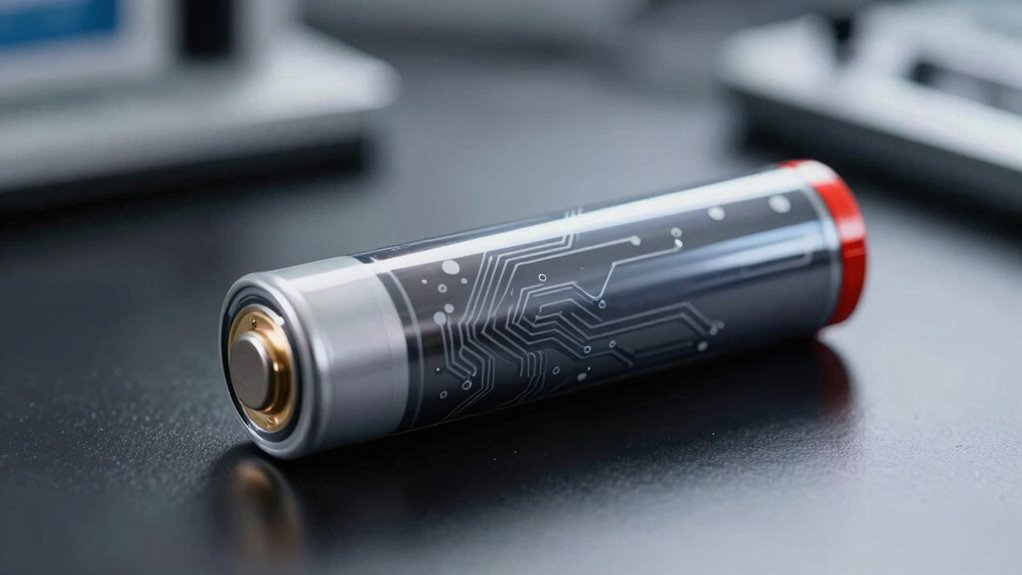

Internal resistance plays a vital hidden role in your battery’s performance by limiting how efficiently it delivers power. As resistance builds up over time due to material degradation and chemical changes, your battery can become less capacity and sluggish. Temperature extremes also impact resistance, accelerating wear or slowing down ion flow. By understanding these factors, you can better manage your battery’s health and lifespan. Keep exploring to uncover more about how internal resistance affects your device’s performance.

Get backup power and energy gear delivered free with Prime
- Fast, free delivery on millions of items
- Prime Video, Amazon Music and more included
- Member-only deals all year
Key Takeaways
- Internal resistance impacts battery efficiency by hindering current flow during charge and discharge cycles.
- Increasing internal resistance due to material degradation reduces overall battery capacity over time.
- Temperature fluctuations influence internal resistance, affecting performance and lifespan in extreme environments.
- Advances in electrode and electrolyte materials aim to minimize internal resistance and enhance battery longevity.
- Monitoring internal resistance provides early indicators of battery aging and helps optimize maintenance strategies.
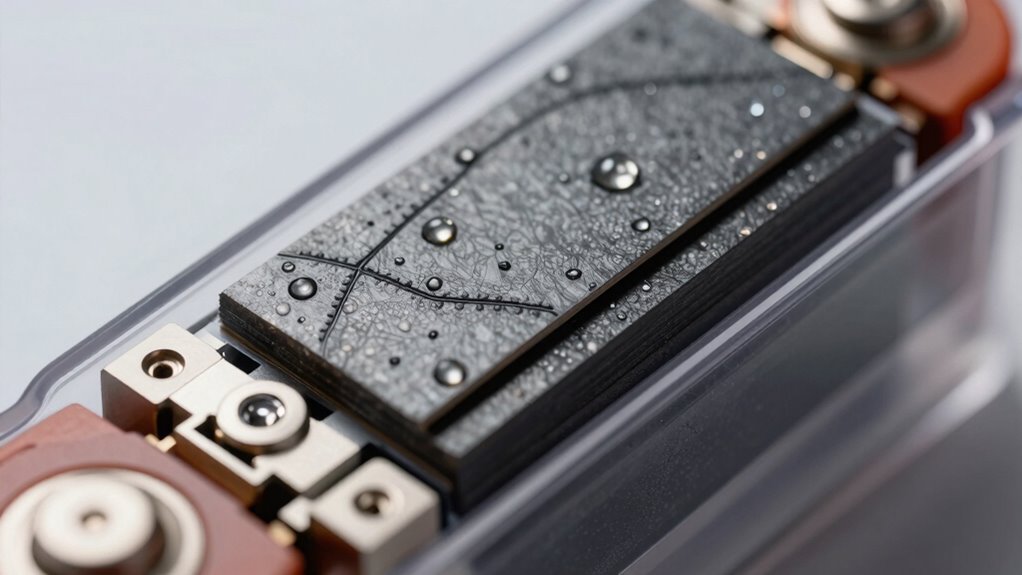
Have you ever wondered why a battery’s performance drops over time? The answer lies in the internal resistance that builds up within the cell. Internal resistance is a crucial factor that influences how efficiently a battery delivers power, yet it often goes unnoticed until performance noticeably diminishes. It stems from the complex electrochemical dynamics occurring inside, where ions move, electrons flow, and chemical reactions take place at microscopic levels. As these processes evolve, the resistance increases, making it harder for the battery to supply current.
Electrochemical dynamics play a essential role here. When a battery charges or discharges, ions migrate through the electrolyte, and electrons move via conductive pathways. Over time, materials degrade, forming internal barriers or increasing the distance ions and electrons must travel. This resistance hampers the flow of electricity, reducing the battery’s capacity and efficiency. The chemical reactions become less smooth, and the energy transfer becomes less effective, directly affecting the device’s performance. Understanding electrochemical processes is vital for developing better battery technologies. Additionally, innovations in electrode materials and electrolyte formulations aim to reduce internal resistance and improve overall battery longevity. Recognizing the impact of material degradation helps in designing batteries that resist performance loss over time.
Material degradation increases internal barriers, hindering ion and electron flow, reducing battery capacity and overall performance over time.
Temperature effects considerably influence internal resistance as well. When a battery operates at high temperatures, the electrolyte’s viscosity decreases, which initially might seem beneficial. However, excessive heat accelerates chemical degradation, damaging electrodes and separators, thereby increasing resistance. On the other hand, at low temperatures, ion mobility slows down, causing a rise in internal resistance. This slowdown results in reduced power output and slower charging times. You might notice your device struggling to turn on or operating sluggishly in cold environments, which is directly related to temperature-induced changes in internal resistance.
Proper understanding of these dynamics is crucial for maximizing battery life. Managing temperature within recommended ranges can help keep resistance low and prolong performance. For instance, avoiding extreme heat or cold helps maintain stable electrochemical reactions and limits material degradation. Additionally, advancements in battery design focus on minimizing internal resistance by improving electrode materials, electrolyte formulations, and separator technologies, ensuring better performance over time. Paying attention to internal resistance and how it evolves can help you identify early signs of battery aging and take preventative measures.
In essence, internal resistance isn’t just an obscure internal metric; it’s a key player in your battery’s life and efficiency. Recognizing how electrochemical dynamics and temperature effects influence this resistance helps you grasp why batteries perform poorly as they age and how to care for them better. When you understand these underlying mechanisms, you’re better equipped to extend your battery’s lifespan and ensure ideal operation, no matter the device or application.
internal resistance battery tester
As an affiliate, we earn on qualifying purchases.
As an affiliate, we earn on qualifying purchases.
Frequently Asked Questions
How Does Internal Resistance Change With Battery Age?
As your battery ages, internal resistance increases due to electrode degradation and electrolyte breakdown. These processes damage the electrodes and diminish ion flow, making it harder for electricity to pass through. Over time, this results in reduced efficiency and shorter battery life. You might notice it takes longer to charge or that your device’s performance drops, which are clear signs that internal resistance has grown from aging effects.
Can Internal Resistance Be Completely Eliminated?
Like Pandora’s box, internal resistance can’t be fully closed. You can reduce it with quality materials and proper maintenance, but some power loss and reduced charging efficiency remain inevitable. Aging, temperature, and usage constantly introduce resistance, making complete elimination impossible. Instead, focus on optimizing conditions to minimize its impact, ensuring your battery performs best for longer, even if a little internal resistance always lingers in the background.
How Does Temperature Affect Internal Resistance?
Temperature directly impacts internal resistance by affecting a battery’s thermal conductivity and electrochemical stability. As temperature rises, thermal conductivity improves, helping heat dissipate more efficiently, which lowers resistance. However, extreme heat can compromise electrochemical stability, increasing resistance and risking damage. Conversely, colder temperatures reduce thermal conductivity, making heat transfer less efficient and raising internal resistance. Maintaining ideal temperature ensures better performance and longevity for your battery.
What Materials Influence a Battery’s Internal Resistance?
You might not realize it, but the materials in your battery dramatically influence internal resistance. Electrode degradation causes resistance to skyrocket, while electrolyte conductivity can make or break efficiency. Using materials with poor conductivity or prone to degradation ramps up internal resistance, leading to faster battery wear and reduced performance. Choosing the right electrodes and electrolytes is essential—because the wrong materials turn your power source into a sluggish, less reliable energy drain.
Is Internal Resistance Different for Various Battery Chemistries?
Yes, internal resistance varies across different battery chemistries due to factors like electrode degradation and electrolyte conductivity. For example, lithium-ion batteries often have lower internal resistance because of stable electrode materials and high electrolyte conductivity. In contrast, lead-acid batteries may exhibit higher resistance because of electrode wear and less conductive electrolytes. These differences influence how efficiently each chemistry delivers power and their overall performance.
Conclusion
Think of internal resistance as the unseen maze inside your battery, quietly dictating how smoothly your device runs. When resistance is low, it’s like a clear, open highway, letting energy flow freely and your battery perform at its best. But when resistance climbs, it’s as if traffic jams slow everything to a crawl. By understanding and managing this hidden obstacle, you keep your battery’s engine humming, ensuring your devices stay energized and ready for action.
Halloween Picks
halloween
As an affiliate, we earn on qualifying purchases.