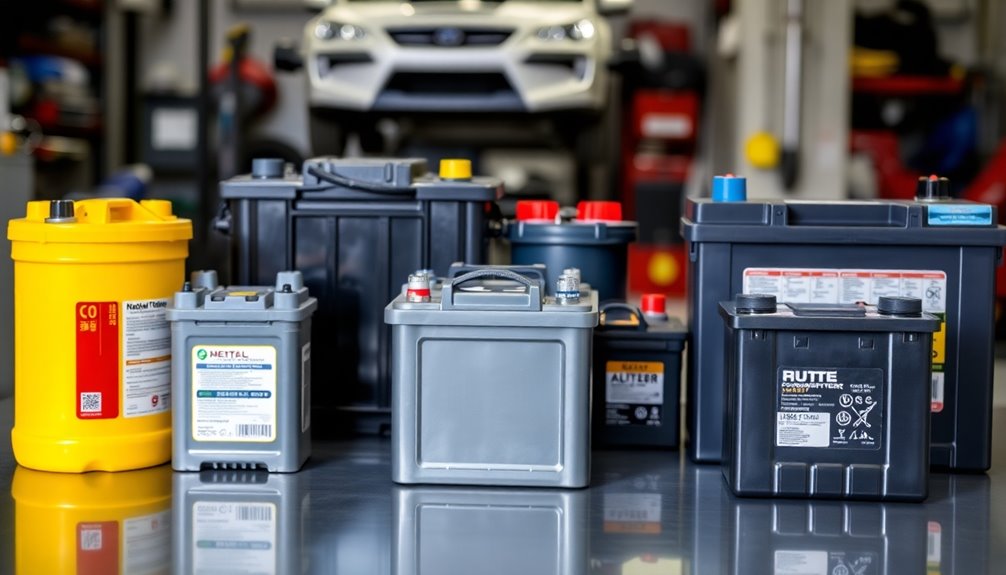
Marine battery needs are different from RV battery needs because they face harsher conditions. In water, batteries must resist corrosion and vibrations while delivering reliable power. Marine setups require batteries that can handle deep cycles and frequent recharges without losing capacity. RV batteries, on the other hand, focus on providing consistent power for appliances in stable environments, emphasizing reliability over ruggedness. Understanding these distinctions helps you choose the right battery, and there’s more to explore about each type.

Get backup power and energy gear delivered free with Prime
- Fast, free delivery on millions of items
- Prime Video, Amazon Music and more included
- Member-only deals all year
Key Takeaways
- Marine batteries must withstand harsh water conditions, while RV batteries focus on consistent power for appliances and lights during intermittent use.
- Marine environments demand corrosion resistance and vibration protection, whereas RV setups prioritize reliability and adaptability for varied power draws.
- Deep cycle functionality is essential for both, but marine batteries face more frequent and harsher discharge cycles due to constant use in aquatic settings.
- Lithium batteries offer significant advantages for both applications, but their lightweight and efficiency are particularly beneficial in RV setups.
- Understanding specific usage patterns and environmental conditions is crucial for selecting the best battery type for marine versus RV needs.

When you’re choosing a battery for your boat or RV, understanding the unique demands of each can make all the difference. Marine and RV batteries serve distinct purposes, and their requirements reflect the environments they operate in. You might think a battery is a battery, but the truth is, the right choice can enhance your experience and prolong the life of your equipment.
Marine batteries are designed to endure the harsh conditions of water, including vibrations, corrosion, and temperature fluctuations. They’re often exposed to elements that can quickly degrade a standard battery. If you’re using a deep cycle marine battery, you’ll appreciate its ability to discharge and recharge repeatedly without losing capacity. This durability is essential when you’re out on the water, where reliability is key. You need a battery that won’t quit when you’re miles away from the nearest shore. Additionally, marine batteries often feature specialized construction to resist corrosion, which is critical in aquatic environments. Proper maintenance and understanding of environmental conditions can further extend their longevity. Being aware of environmental conditions is crucial for optimal battery performance and longevity. Knowing how to protect your battery from harsh environmental factors can greatly impact its lifespan and performance.
Marine batteries must withstand harsh water conditions, ensuring reliability and durability for your adventures far from shore.
On the other hand, RV batteries typically have different requirements. While you also need a deep cycle battery for an RV, the focus is more on providing consistent power for appliances, lights, and other amenities. RV batteries are often used intermittently, not constantly like marine batteries. You might find yourself parked for days, enjoying the comforts of home. In this case, having a battery that can handle sustained power draws is important. Recognizing the power demands of your RV setup can help in selecting the most suitable battery type.
Now, let’s talk lithium advantages. If you’re considering lithium batteries for either your boat or RV, you’re looking at some serious benefits. Lithium batteries are lightweight, have a longer lifespan, and charge faster than traditional lead-acid options. They can handle deep discharges without the same risk of damage, making them a great fit for deep cycle needs. Whether you’re powering a trolling motor or running your fridge while camping, the efficiency of lithium can be a game changer.
Choosing the right battery ultimately comes down to understanding how you’ll use it. If you’re mainly on the water, a marine battery’s ruggedness is crucial. But if you’re hitting the road, you’ll want an RV battery that’s dependable yet adaptable. By knowing the unique demands of each, you’ll guarantee that your adventures—whether on land or sea—are powered by the right energy source. Make the informed choice, and you’ll enjoy a smoother ride and peace of mind. Understanding environmental conditions is key to selecting the best battery for your needs.
As an affiliate, we earn on qualifying purchases.
Frequently Asked Questions
What Is the Average Lifespan of Marine Batteries Compared to RV Batteries?
Marine batteries typically last 3 to 5 years, while RV batteries can last around 4 to 7 years, depending on the RV battery types you choose. Marine battery technology focuses on deep cycling and durability, which is essential for watercraft. In contrast, RV batteries might emphasize capacity for longer trips. By understanding these differences, you can select the right battery for your adventures, ensuring a reliable power source wherever you go.
How Do Temperature Extremes Affect Marine and RV Battery Performance?
Picture a battery struggling against the freezing winds or blistering sun. Temperature extremes greatly impact performance, causing a notable performance variance. In frigid conditions, both marine and RV batteries can lose capacity, but marine batteries often face harsher environments, leading to quicker degradation. Conversely, high heat can cause batteries to overheat and fail. You’ll want to monitor temperatures closely to guarantee your batteries function at their best, regardless of whether you’re on water or land.
Can I Use a Car Battery for Marine or RV Applications?
You can use a car battery for marine or RV applications, but it’s not ideal. Car batteries focus on short bursts of power, while marine and RV batteries offer deeper discharge capabilities, enhancing battery compatibility. This means performance differences can arise, especially during extended use. If you plan on using your vehicle for long trips or in harsh conditions, investing in a dedicated marine or RV battery is a smarter choice for reliability.
What Types of Chargers Are Best for Marine and RV Batteries?
For your marine and RV batteries, smart chargers and solar options shine. Smart chargers monitor the battery’s status, ensuring efficient charging and longevity. They automatically adjust to the battery’s needs, preventing overcharging. Solar options provide a sustainable solution, harnessing the sun’s energy for power, perfect for off-grid adventures. Combining these two types can keep your batteries healthy and fully charged, so you’re always ready for your next trip.
How Do I Properly Maintain Marine and RV Batteries?
To properly maintain your marine and RV batteries, start with regular battery cleaning; wipe down terminals to prevent corrosion. Use appropriate charging techniques, ensuring you’re using the right charger type for each battery. Always keep connections tight and check water levels if you have flooded batteries. Monitor your battery’s voltage and charge levels regularly. This’ll extend their life and keep your adventures powered up!
Conclusion
In the end, whether you’re steering through calm waters or winding roads, your battery choice can make all the difference. Just like the tides and terrain, each journey demands a unique power source. While both marine and RV batteries serve to energize your adventures, understanding their distinct needs guarantees you’re never left in the dark. Coincidentally, making the right choice not only enhances your experience but also keeps the spirit of exploration alive, wherever you may roam.
Halloween Picks
halloween
As an affiliate, we earn on qualifying purchases.