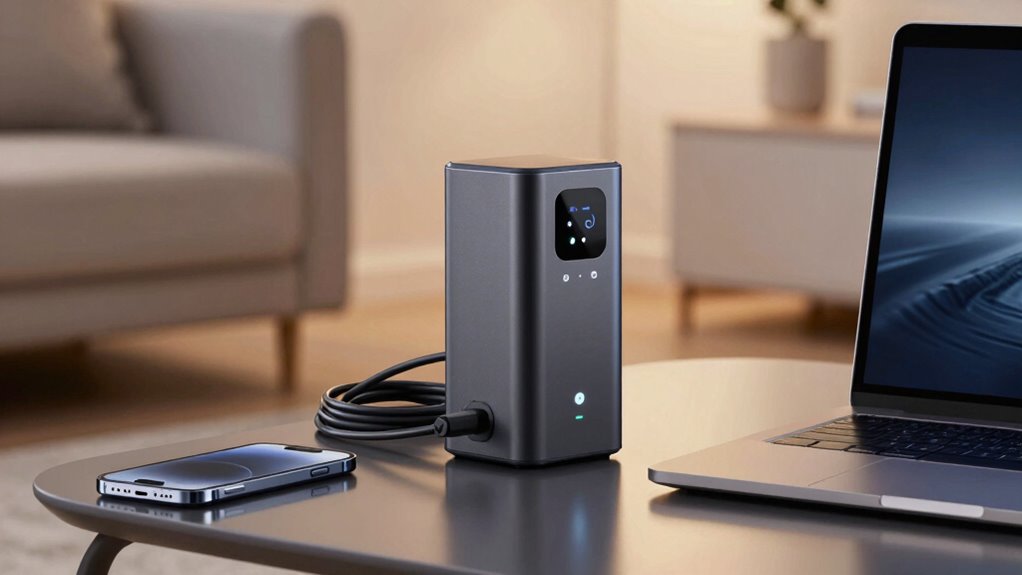

Smart charging features make battery systems easier to live with by adjusting charging speeds based on energy demand and peak rates. You can save money by using lower rates during off-peak hours and maximize renewable energy sources like solar. These systems also include health monitoring tools, providing alerts to help you avoid major issues. With customizable charging schedules, you can tailor energy use to fit your lifestyle. Stick around to discover even more ways these features enhance your experience.
Key Takeaways
- Smart charging adjusts charging speed to match energy demand, enhancing convenience and saving on costs.
- Customizable charging schedules allow users to program charging during off-peak hours, fitting their lifestyles.
- Battery health monitoring provides alerts for potential issues, preventing costly repairs and extending lifespan.
- User-friendly interfaces simplify management of battery settings, making it easier for users to optimize energy use.
- Incorporating advanced diagnostics improves reliability, ensuring smooth operation and reducing reliance on the grid.
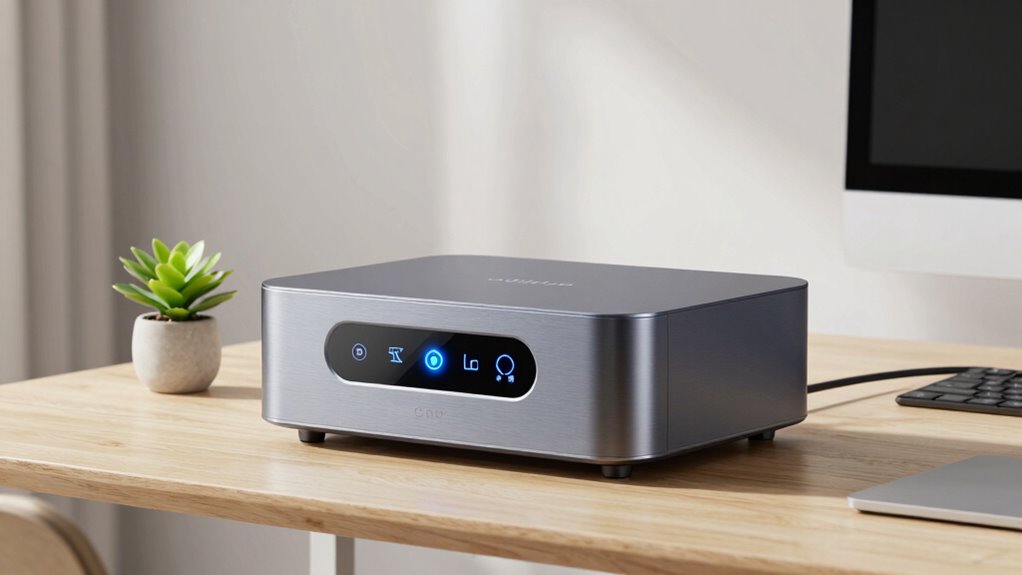
As technology advances, understanding battery systems becomes vital for anyone looking to optimize energy use. You might be surprised at how much smoother your daily life can be with the right battery management features. One standout aspect that makes some battery systems easier to live with is smart charging. This feature doesn’t just improve convenience; it also enhances the lifespan and efficiency of your batteries.
Imagine you’ve just installed a new battery system in your home. You want it to be as efficient as possible, right? Smart charging takes care of that by optimizing when and how your battery charges. Instead of charging at full blast regardless of the time, smart charging can adjust the charging speed based on various factors such as energy demand and peak electricity rates. This means you can take advantage of lower rates during off-peak hours, ultimately saving you money.
Smart charging optimizes battery efficiency by adjusting charging speed based on demand and peak rates, helping you save money and energy.
You may also appreciate how smart charging integrates seamlessly with renewable energy sources. If you have solar panels, for instance, your battery can charge when there’s an excess of solar energy. This not only maximizes the use of clean energy but also reduces your reliance on the grid, making your energy consumption more sustainable. It’s a win-win for both your wallet and the environment.
Another important aspect of battery management is its ability to monitor battery health. Smart charging systems often come equipped with diagnostic tools that keep tabs on battery performance. You’ll receive alerts if there’s an issue, enabling you to address it before it becomes a major problem. This proactive approach prevents unexpected downtime and guarantees your battery system runs smoothly. Recognizing the importance of battery health monitoring can help extend the lifespan of your system and prevent costly repairs. Incorporating advanced diagnostics into your system can further improve reliability and longevity.
Moreover, battery management systems often allow you to customize charging schedules according to your lifestyle. If you know you’ll be away during the day, you can set the system to charge during the night when electricity rates are lower. This kind of flexibility means you can tailor energy usage to fit your routine, making your life that much easier. Additionally, user-friendly interfaces can make managing these settings more accessible, even for those new to smart technology. Being aware of energy consumption patterns can also help you optimize your overall energy efficiency.
Finally, understanding battery system features can help you make more informed choices when selecting a system that suits your needs. In a world where energy efficiency is becoming increasingly important, embracing smart charging and effective battery management can greatly improve your experience with battery systems. You’ll not only enjoy the convenience of optimized energy use but also contribute to a more sustainable future. So, if you’re exploring battery options, look for systems that offer these smart features to make your life easier and energy-efficient.
As an affiliate, we earn on qualifying purchases.
Frequently Asked Questions
How Long Do Battery Systems Typically Last?
Battery systems typically last between 5 to 15 years, depending on various longevity factors. You’ll find that usage patterns, charging habits, and environmental conditions all play a role in determining battery lifespan. If you maintain your battery well and avoid extreme temperatures, you can maximize its longevity. Regular check-ups can also help identify potential issues early, ensuring you get the most out of your investment in battery technology.
Are Battery Systems Safe During Extreme Weather?
Yes, battery systems can be safe during extreme weather, but their effectiveness depends on temperature resilience and weather performance. You should choose systems specifically designed to handle temperature fluctuations. Many modern batteries come with protective features that help maintain peak operation in harsh conditions. Always check the manufacturer’s specifications to guarantee your chosen battery can withstand extreme temperatures, keeping your energy supply reliable no matter the weather outside.
Can I Install a Battery System Myself?
Yes, you can install a battery system yourself, but consider a few key factors. DIY installation can save you money, but safety considerations are essential—make certain you follow all guidelines. Check for system compatibility with your existing setup to avoid issues later. Factor in the cost of tools and materials, too. If you’re unsure, it might be worth consulting a professional to guarantee everything’s done right and safely.
What Maintenance Do Battery Systems Require?
Imagine the hum of your home, powered smoothly by a reliable battery system. To keep that harmony, you’ll need to follow some key maintenance tips. Regularly check the connections for corrosion, and verify the batteries are clean and dry. Monitor the battery lifespan by keeping an eye on performance; if it dips, consider a professional inspection. By staying proactive, you’ll enjoy uninterrupted energy and extend the life of your system.
How Do Battery Systems Affect Home Energy Bills?
Battery systems can greatly affect your home energy bills. By storing excess energy from your solar panels, you can reduce reliance on the grid, leading to energy savings. When you compare costs, you’ll notice that using stored energy during peak hours can lower your overall expenses. Additionally, some utility companies offer incentives for battery usage, making it even more financially beneficial. You’ll likely see a positive impact on your monthly energy costs.
Conclusion
In the world of battery systems, convenience is king. Embracing effortless energy options makes your life smoother and stress-free. With seamless charging and simple setups, you’ll savor the satisfaction of reliable power at your fingertips. Imagine the joy of jumping into a journey without worrying about your battery’s burden. So, when choosing your power partner, prioritize those features that promise peace of mind and performance. After all, life’s too short for sluggish systems!