
When deciding whether to repair or replace, service providers weigh costs, system age, and parts availability. They consider if repairs will be cost-effective long-term or if frequent repairs might cost more than a new system. Providers also assess energy efficiency and customer needs to recommend the best option. If your system is old or constantly breaking down, replacement might be smarter. Keep exploring to discover how these factors influence the final decision.
Key Takeaways
- They compare repair costs to the price of a new system and consider long-term expenses.
- They assess system age and availability of replacement parts to determine repair feasibility.
- They evaluate the system’s efficiency decline and technological advancements for potential replacement.
- They prioritize customer satisfaction by providing honest advice aligned with long-term benefits.
- They perform cost-benefit analyses focusing on energy savings and future performance outcomes.
When a essential appliance or system breaks down, deciding whether to repair or replace it can feel overwhelming. As a service provider, you know this dilemma all too well. The first step involves conducting a detailed cost analysis. You evaluate the expenses involved in repairing the current system versus replacing it with a new one. Repair costs might seem lower initially, but you need to consider potential future repairs, parts availability, and the lifespan remaining on the existing equipment. If the repair cost approaches or exceeds a substantial percentage of the replacement’s price, replacing often becomes the wiser choice. This analysis helps you avoid ongoing repair cycles that could end up costing more over time and guarantees you’re making financially sound recommendations. Additionally, assessing the parts availability can influence the decision, as difficult-to-source components may lead to prolonged downtimes and higher costs. Customer satisfaction plays an essential role in these decisions. You want your clients to feel confident and happy with their service experience. If a repair is minor and can restore the system efficiently, it might be the best route, especially if it minimizes inconvenience for the customer. However, if the system has aged significantly or shows signs of declining efficiency, suggesting replacement could lead to greater long-term satisfaction. Customers appreciate honest advice that prioritizes their needs and future comfort, rather than just quick fixes. Explaining your reasoning transparently—highlighting the benefits of a new, energy-efficient system versus repeatedly repairing an older one—builds trust and demonstrates your commitment to their best interests. Considering system age and how it impacts repair versus replacement decisions is crucial in providing comprehensive advice. Regular assessments of system condition can also help identify when a replacement might be more cost-effective over time. For example, if an appliance is over a decade old and has already required multiple repairs, it’s often more practical to recommend replacing it. In addition, staying informed about advancements in home automation and robotics can help you suggest modern solutions that enhance efficiency and customer satisfaction. Conducting a cost-benefit analysis that includes long-term energy savings can further support your recommendations. When you assess these elements, you’re not just making a decision based on immediate costs but on long-term savings and performance. This complete approach helps you make more informed recommendations that align with your clients’ budget and expectations. Ultimately, your goal is to balance the immediate financial implications with the long-term benefits. By carefully analyzing costs and focusing on customer satisfaction, you can guide your clients toward choices that serve them best. Whether repairing or replacing, your expertise ensures they’re making decisions rooted in practicality and value, fostering loyalty and trust in your service. This thoughtful approach not only resolves their current problem but also sets the stage for a positive ongoing relationship.
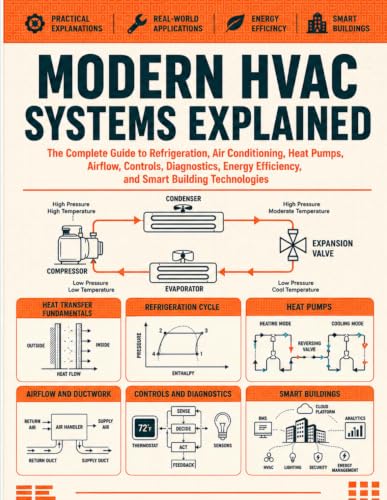
Modern HVAC Systems Explained: The Complete Guide to Refrigeration, Air Conditioning, Heat Pumps, Airflow, Controls, Diagnostics, Energy Efficiency, and Smart Building Technologies
As an affiliate, we earn on qualifying purchases.
As an affiliate, we earn on qualifying purchases.
Frequently Asked Questions
How Do Service Providers Determine the Cost Difference Between Repair and Replacement?
Service providers determine the cost difference through a thorough cost analysis, comparing repair costs against replacement expenses. They consider parts, labor, and potential future repairs. Customer preferences also play a key role; if you prefer a quick fix or a long-term solution, it influences the decision. Ultimately, they weigh immediate costs versus long-term savings, ensuring you get the best value based on your budget and needs.
What Factors Influence the Decision to Repair or Replace Specific Appliances?
Imagine your appliance telling you its story—will it be worth fixing or better replaced? You influence the decision through cost analysis and your preferences. Service providers weigh repair costs against replacement expenses and consider the appliance’s age, efficiency, and potential future issues. If repairs cost more or won’t restore *ideal* performance, they’ll suggest replacing it. Ultimately, your priorities and budget guide whether they fix it or recommend a new one.
How Does the Age of Equipment Impact Repair or Replacement Choices?
The age of your equipment greatly impacts repair or replacement decisions. As equipment nears its lifespan, the aging impact increases, making repairs less cost-effective. If your appliance is old, frequent repairs might add up, and replacement could be smarter. Service providers consider whether the equipment’s lifespan has been exceeded and weigh the potential for future issues against the benefits of a new, more reliable system.
Are There Warranty Considerations That Affect Repair or Replacement Decisions?
Did you know that warranty coverage influences about 60% of repair or replacement decisions? When considering warranty considerations, you should check if your equipment has warranty coverage or extended protection. These can considerably reduce costs and sway your choice. If a repair is covered or cost-effective within the warranty, it makes sense to repair. Otherwise, replacing might be more economical, especially if extended protection offers additional benefits.
What Environmental Factors Are Considered When Choosing to Repair or Replace?
You should consider environmental impact and energy efficiency when deciding to repair or replace. If a device is outdated and consumes excessive energy, replacing it can reduce your carbon footprint and save on utility costs. Conversely, repairing a still-efficient unit minimizes waste and environmental harm. Service providers evaluate these factors to guarantee your choice benefits both the environment and your long-term energy savings.
Conclusion
Ultimately, deciding whether to repair or replace isn’t just about costs—it’s about peace of mind and safety. You might worry about the expense of a new purchase, but delaying repairs can lead to bigger problems down the line. Trust that making the right choice now can save you stress, money, and heartache later. Don’t let fear hold you back from securing a reliable, long-term solution—you deserve comfort and confidence in your home.