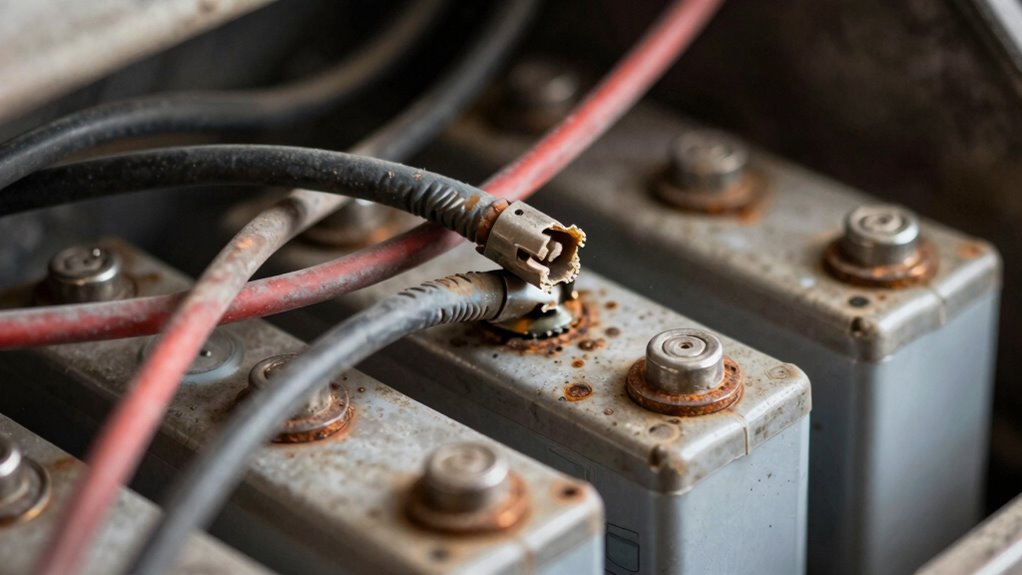

Undersized conductors in battery installations can silently drain your efficiency. You risk increased voltage drop, leading to wasted energy and higher operational costs. Plus, overheating wires pose serious safety hazards, compromising both performance and longevity. These issues can snowball into expensive labor and compliance headaches you didn’t anticipate. By ensuring proper conductor sizing, you can avoid these hidden costs and enhance system reliability. Discover the full impact of your choices and how to protect your investment.

Get backup power and energy gear delivered free with Prime
- Fast, free delivery on millions of items
- Prime Video, Amazon Music and more included
- Member-only deals all year
Key Takeaways
- Undersized conductors lead to significant voltage drops, reducing battery system efficiency and increasing operational costs over time.
- Installation of improperly sized conductors can require costly rework and additional labor, wasting both time and resources.
- Safety hazards arise from overheating wires, with undersized conductors posing fire risks and potential compliance issues.
- Reliability suffers due to performance issues and unexpected failures linked to incorrect conductor sizing in battery systems.
- Energy losses from insufficient conductor sizes contribute to higher operational expenses, undermining overall energy efficiency and system longevity.
Undersized conductors in battery installs can lead to significant voltage drop, which reduces the efficiency of your battery system. As the current flows through the conductors, the smaller gauge wire generates more heat, and that heat generation can seriously compromise both the performance and longevity of your system. You might think that using a smaller conductor will save you money upfront, but the hidden costs can be far greater in the long run. Proper conductor sizing ensures optimal system performance and safety. Installation challenges also arise when you don’t use the appropriate conductor size. If you run into issues with voltage drop, you may need to redo parts of your installation, leading to wasted time and additional labor costs. It’s frustrating to deal with these setbacks, especially when a simple decision on conductor size could’ve prevented them. Confirm your installation meets regulatory compliance, as many codes require specific conductor sizes based on the load and distance. Ignoring these regulations can lead to fines and even the need to redo your work entirely. Additionally, selecting the correct conductor size helps prevent fire hazards caused by overheating wires. Safety concerns are paramount when dealing with battery systems. Undersized conductors can overheat, posing a fire hazard. You wouldn’t want to put yourself or others at risk due to a preventable issue. Protecting your investment means understanding that the right conductor size is not just a recommendation; it’s a necessity. Proper system design also plays a crucial role in maintaining overall system efficiency and safety. When conductors are improperly sized, it can also impact the system’s reliability, leading to unexpected failures. The last thing you want is to face performance issues that could have been avoided with proper planning. Additionally, you’ll want to keep in mind how undersized conductors affect the overall efficiency of your system. Insufficient conductor sizes can lead to increased energy losses, which translates to higher operational costs. In an age where energy efficiency is more critical than ever, this is a factor you can’t afford to overlook. Ensuring proper installation practices can help mitigate these risks and extend the lifespan of your system.
As an affiliate, we earn on qualifying purchases.
Frequently Asked Questions
How Can I Identify Undersized Conductors in My Installation?
To identify undersized conductors in your installation, start with a thorough installation inspection. Check the conductor gauge against the required specifications for your system. Look for any signs of overheating, like discoloration or melting insulation, which can indicate inadequate sizing. Measure current load and verify it aligns with the conductor’s capacity. If you find discrepancies, consider upgrading to a larger gauge to enhance safety and efficiency.
What Are the Signs of Overheating in Battery Conductors?
You’ll notice several overheating indicators in battery conductors. Look for discoloration, especially if the conductor materials appear burnt or charred. You might also feel excessive heat when touching the wires; if they’re too hot to handle, it’s a sign of trouble. Additionally, check for any melted insulation or strange odors. Regularly inspecting these components can help you catch issues before they lead to more serious problems down the line.
Can Undetected Issues Cause Battery Lifespan Reduction?
Yes, undetected issues can drastically reduce your battery’s lifespan. Imagine you’re relying on your system for peak battery performance, but hidden problems creep in. These issues can lead to inefficiencies, cutting energy efficiency considerably. Over time, you might notice diminished capacity, shorter runtimes, and even premature failure. Regular checks are essential; don’t let unnoticed faults steal your battery’s potential. Keep an eye out, and you’ll guarantee it lasts longer and performs better.
What Is the Cost Difference Between Proper and Undersized Conductors?
The cost difference between proper and undersized conductors can be significant. When you choose undersized conductors, you face cost implications like increased energy losses and potential equipment failures, which can lead to expensive repairs or replacements. Properly sized conductors enhance efficiency, ensuring your system operates at peak performance. In the long run, investing in the right conductors saves you money and maximizes your battery’s lifespan, making it a smart choice for your installations.
Are There Specific Codes for Conductor Sizing in Battery Systems?
Absolutely, there are specific codes for conductor sizing in battery systems. You need to follow installation standards like the National Electrical Code (NEC) to guarantee safety and efficiency. Using the right conductor types is essential—don’t you want to avoid potential hazards and inefficiencies? Proper sizing helps prevent overheating and voltage drop, ultimately saving you money in the long run. Always consult local codes and guidelines to stay compliant during installation.
Conclusion
Just like a tree that can’t grow in shallow soil, your battery installation struggles with undersized conductors. They may seem like small roots, but without proper support, your energy potential is stunted. Investing in the right conductor size is like nurturing that tree; it allows your system to flourish, providing strength and resilience. Don’t let shortsighted choices limit your growth. Embrace the right foundation, and watch your energy thrive like a well-watered forest.
Halloween Picks
halloween
As an affiliate, we earn on qualifying purchases.