
You need better failure planning for battery systems because it boosts safety, reliability, and system lifespan. Without it, thermal issues can cause overheating or fires, and unexpected failures could lead to costly downtime or accidents. Proactive strategies like hazard analysis, safety protocols, and thermal management help prevent disasters before they happen. Developing a solid failure plan guarantees your system stays resilient under trouble. Keep exploring to discover how these approaches can protect your investments and lives.

Get backup power and energy gear delivered free with Prime
- Fast, free delivery on millions of items
- Prime Video, Amazon Music and more included
- Member-only deals all year
Key Takeaways
- Prevents catastrophic failures that can cause safety hazards and extensive damage.
- Extends battery lifespan by proactively managing thermal and operational issues.
- Minimizes downtime and repair costs through early detection and contingency planning.
- Ensures system safety by implementing effective hazard response protocols.
- Enhances overall reliability by addressing potential failure modes before they escalate.
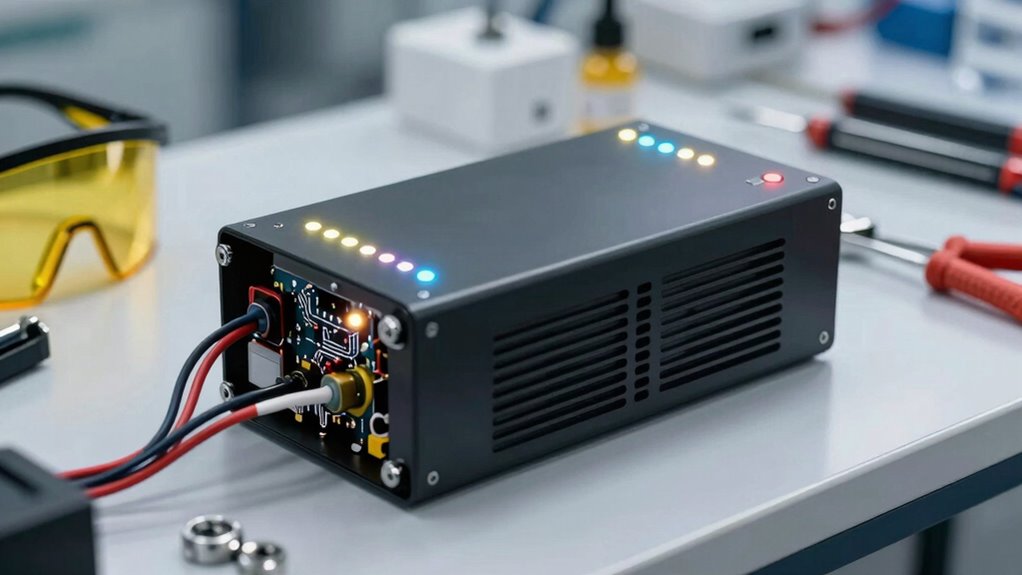
Have you ever considered how better failure planning can boost the reliability of your battery systems? When you’re managing batteries, especially in critical applications like electric vehicles or large-scale energy storage, the stakes are high. A well-designed failure plan helps prevent catastrophic failures, minimizes downtime, and extends the lifespan of your batteries. One of the most vital aspects of failure planning is thermal management. Batteries generate heat during operation, and without proper thermal control, they can overheat, leading to thermal runaway or fires. Incorporating robust thermal management strategies ensures that heat is effectively dissipated, keeping temperatures within safe limits. This not only safeguards your equipment but also enhances overall reliability. Failure to plan for thermal issues can result in sudden, unpredictable failures that are costly and dangerous. Proper cloud server solutions can support real-time monitoring and data analysis, further strengthening your failure management capabilities. Additionally, implementing comprehensive safety protocols** is essential for effective failure planning. Safety protocols define clear procedures for handling abnormal conditions, such as overcurrent, overvoltage, or thermal excess. These protocols help you respond swiftly and effectively to potential hazards, reducing the risk of accidents or damage. Regular safety drills, sensor monitoring, and automated shutdown systems are key components of these protocols. When you’re proactive about safety, you create a resilient system that can contain failures before they escalate. Understanding the failure modes and potential causes of battery system malfunction is crucial for designing effective contingency plans. Conducting thorough failure analysis can help identify vulnerabilities and prevent future incidents. Failing to plan for potential failures can lead to unpredictable consequences, including fires, explosions, or complete system shutdowns. These incidents not only threaten safety but also cause costly repairs and downtime that disrupt your operations. By integrating failure scenarios into your planning, you can develop contingency plans that include redundancies, alert systems, and rapid response measures. This approach ensures that when a failure occurs, you’re prepared to manage it swiftly and effectively, reducing damage and maintaining system integrity. Ultimately, better failure planning revolves around anticipating issues before they happen. It involves designing your battery systems with thermal management in mind and establishing safety protocols that guide your responses. When you take these steps, you create a more reliable, safer environment that can withstand failures and continue functioning smoothly. It’s about being proactive rather than reactive, ensuring your battery systems operate safely and efficiently under all conditions. Proper failure planning isn’t an extra step; it’s an essential part of responsible system management** that saves you time, money, and potential hazards in the long run.
Products Worth Considering

Samsung 27-Inch Odyssey QD-OLED G8 4K 240Hz Gaming Monitor

Samsung 27-inch Odyssey OLED G6 QD-OLED QHD Gaming Monitor

LG UltraGear 32GX850A-B 32-Inch 4K UHD Glossy OLED Gaming Monitor
As an affiliate, we earn on qualifying purchases.
Frequently Asked Questions
How Often Should Battery Failure Simulations Be Conducted?
You should conduct battery failure simulations regularly, ideally at least annually, to guarantee your testing protocols stay effective. During these simulations, you test failure scenarios to identify vulnerabilities and improve response strategies. Frequent testing helps you understand how your system behaves under different failure conditions, enabling you to refine your safety measures and maintenance plans. Consistent failure scenario testing keeps your battery system resilient and ready for real-world issues.
What Are the Latest Technologies for Predicting Battery Failures?
Imagine a crystal ball for batteries—you’d want the latest tech to predict failures. Today, advanced battery analytics and failure diagnostics use AI, machine learning, and IoT sensors to monitor performance and identify early warning signs. These tools analyze data in real-time, helping you catch issues before they escalate. By leveraging such technologies, you can improve safety, extend battery life, and reduce unexpected failures, keeping systems reliable and efficient.
How Can Maintenance Schedules Be Optimized for Battery Longevity?
You can optimize maintenance schedules by closely monitoring battery health indicators, which helps extend battery lifespan. Implement predictive maintenance strategies that utilize real-time data and advanced diagnostics to identify potential issues early. Regularly scheduled check-ups and data-driven adjustments guarantee you address problems before they worsen. This proactive approach not only boosts battery longevity but also reduces downtime and maintenance costs, keeping your system reliable and efficient over time.
What Training Is Necessary for Failure Response Teams?
Think of failure response teams as the guardians of safety, ready to act swiftly. You need thorough training on safety protocols and emergency procedures, including hazard identification, fire suppression, and electrical safety. Regular drills ensure team members respond effectively under pressure. This preparation builds confidence and minimizes risks during failures, transforming chaos into controlled action. Proper training is essential to safeguard lives, property, and the integrity of your battery systems.
How Do Failure Plans Vary Across Different Battery Chemistries?
You’ll find that failure plans vary considerably across different battery chemistries because each chemistry exhibits unique failure patterns. For example, lithium-ion batteries may experience thermal runaway, requiring specific cooling and containment strategies, while lead-acid batteries might need different venting protocols. Understanding these chemistry-specific failure patterns helps you tailor your response plans effectively, ensuring safety and minimizing damage during failures. Adaptability in failure planning is essential for managing diverse battery chemistries.
Conclusion
To stay ahead in this electrified era, you’ve got to plan for battery failures like a seasoned captain steering through a storm. Remember, even in the age of dial-up, foresight was key—so don’t rely solely on luck or hope. By implementing better failure planning now, you’re not just avoiding a tech Titanic; you’re ensuring your system’s voyage continues smoothly. After all, in the game of batteries, foresight beats hindsight every time.