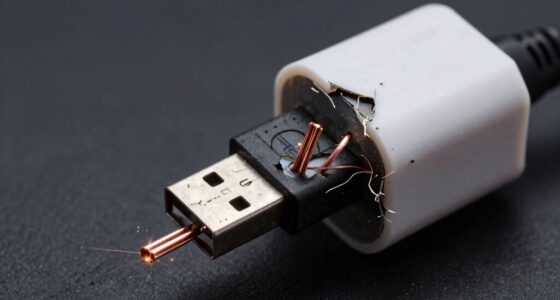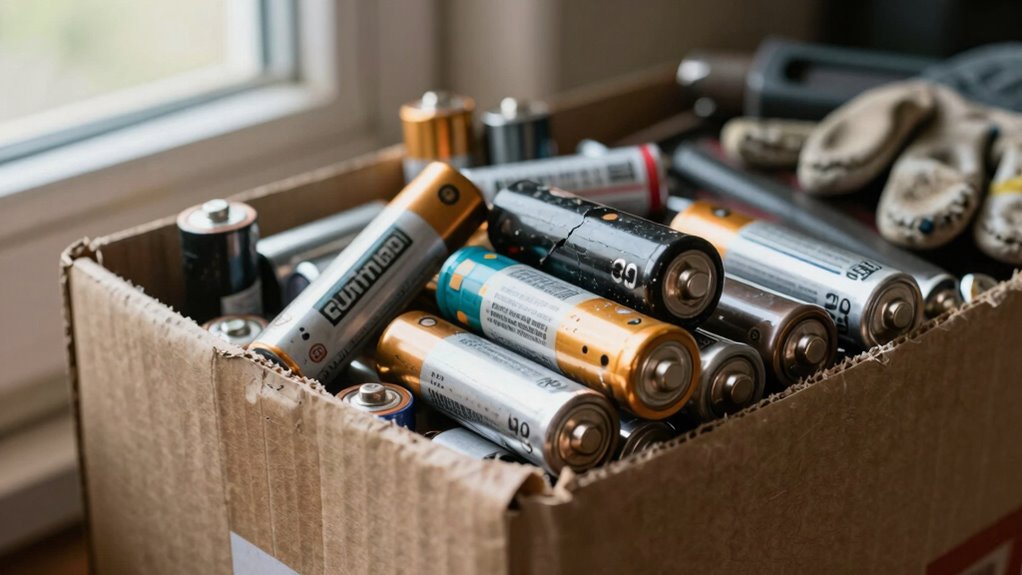

Having a safe disposal plan for batteries before emergencies is essential because damaged or leaking batteries can cause health hazards, environmental contamination, and safety risks. If you’re prepared, you can quickly contain spills, prevent toxic leaks, and avoid legal issues. Proper disposal protects your community and the environment. Staying informed and ready guarantees you handle batteries safely during stressful situations. Keep going to find out more about creating an effective disposal and emergency plan.

Get backup power and energy gear delivered free with Prime
- Fast, free delivery on millions of items
- Prime Video, Amazon Music and more included
- Member-only deals all year
Key Takeaways
- Proper disposal prevents hazardous leaks and chemical exposure during emergencies.
- A safety plan minimizes risks from damaged or leaking batteries in disaster situations.
- Preparedness ensures quick, safe handling of batteries, reducing environmental contamination.
- Having a disposal plan helps comply with regulations, avoiding legal issues during crises.
- Proactive management protects community health and promotes sustainability during emergencies.
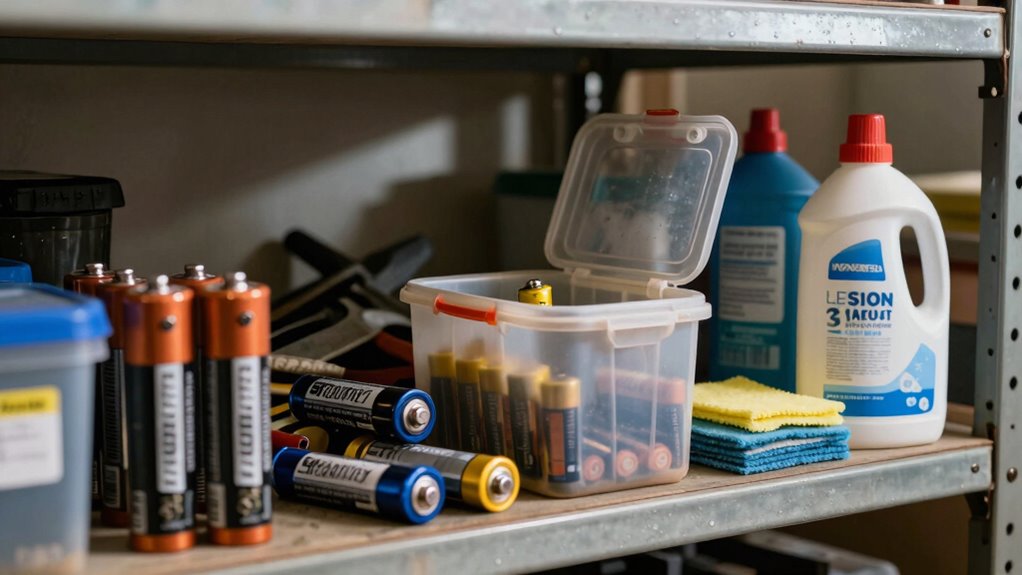
Having a dedicated, accessible collection system for used batteries is essential. Keep a sturdy container in a safe, cool spot where you can store old or damaged batteries until you can take them to a proper recycling facility. Make it a habit to check and replace batteries in your devices regularly, and never throw them in the trash or recycling bin. Instead, be aware of local drop-off points or collection events that handle battery recycling. This proactive approach supports biodiversity by reducing environmental pollution. Proper battery recycling is vital to prevent environmental contamination and promote sustainability. Your emergency preparedness plan should also include information on what to do if batteries leak or are damaged during a disaster. Keep protective gear like gloves and eye protection nearby, and know how to contain and clean up small spills safely. Having this knowledge ahead of time prevents panic and minimizes exposure to toxic substances. Additionally, stay informed about the specific disposal regulations in your area, as rules for battery recycling can vary. Knowing where and how to dispose of batteries properly helps you avoid legal issues and ensures safety for everyone in your household. It’s also helpful to learn about the different types of batteries and their specific disposal needs, which can prevent environmental harm. In short, creating a thorough battery disposal plan before emergencies isn’t just about convenience; it’s about safeguarding your health, protecting the environment, and practicing responsible emergency preparedness. When you prioritize the proper handling and recycling of batteries, you’re not only reducing potential hazards but also making a positive impact on your community’s response to crises. Take the time now to establish a reliable system for battery disposal—your safety and the planet depend on it. Proper waste management further supports community health and environmental safety.
Products Worth Considering

Logitech MX Keys S Wireless Keyboard, Graphite

Bose SoundLink Flex Bluetooth Speaker (2nd Gen), Portable Waterproof Speaker, Black

Bose QuietComfort Ultra Earbuds (2nd Gen), Deep Plum
As an affiliate, we earn on qualifying purchases.
Frequently Asked Questions
How Do I Identify if My Battery Is Hazardous Waste?
You can identify if your battery is hazardous waste by checking for signs like battery corrosion, leaks, or a foul odor, which indicate it’s dangerous. Also, consider storage conditions—if the battery is damaged or has exposed terminals, it’s likely hazardous. Properly dispose of batteries that show corrosion or leaks, and store them in a safe, sealed container until you can take them to a proper recycling facility to prevent accidents.
What Are the Legal Penalties for Improper Battery Disposal?
Ignoring proper disposal can turn your responsibility into a storm. You face serious legal consequences, including hefty penalty fines that can drain your resources and tarnish your reputation. Authorities see improper battery disposal as a threat to safety and the environment, so they enforce strict penalties to deter careless actions. Protect yourself and the planet by following the law, ensuring safe disposal, and avoiding the risk of costly fines and legal trouble.
Can I Recycle Batteries at Home or Do I Need a Professional Service?
You generally can’t recycle batteries at home safely or legally. Instead, you should use a professional service for battery recycling or proper home disposal. Many communities have designated drop-off points or special collection events for batteries, especially for lithium or rechargeable types. Never throw batteries in the trash or attempt home disposal, as this can pose fire hazards or environmental risks. Always follow local guidelines for safe battery recycling.
How Long Can a Battery Sit Before It Becomes Unsafe?
Think of your battery as a ticking time bomb; it doesn’t take long to become unsafe. Generally, batteries can sit for months, but battery expiration varies with type and storage conditions. Follow storage guidelines strictly—keep them cool, dry, and away from metal. If a battery shows corrosion or leaks, it’s time to act. Don’t let it linger too long, or you risk a hazardous situation. Prioritize safe disposal before emergencies strike.
Are There Specific Storage Requirements for Batteries Awaiting Disposal?
Yes, there are specific storage requirements for batteries awaiting disposal. You should store batteries in a cool, dry, well-ventilated area, away from flammable materials. Use non-conductive containers and keep batteries upright to prevent leaks. Follow disposal guidelines to avoid hazards like fires or chemical leaks. Always segregate different types of batteries, such as lithium and alkaline, to guarantee safe storage until proper disposal can be arranged.
Conclusion
Having a safe disposal plan for your batteries isn’t just smart — it’s essential. Did you know that in 2021 alone, over 50,000 reports of battery fires were recorded in the U.S.? Preparing now helps prevent emergencies later, protecting your home and loved ones. Make sure you know how to dispose of batteries properly, so you’re ready before a crisis strikes. Stay safe, stay prepared.