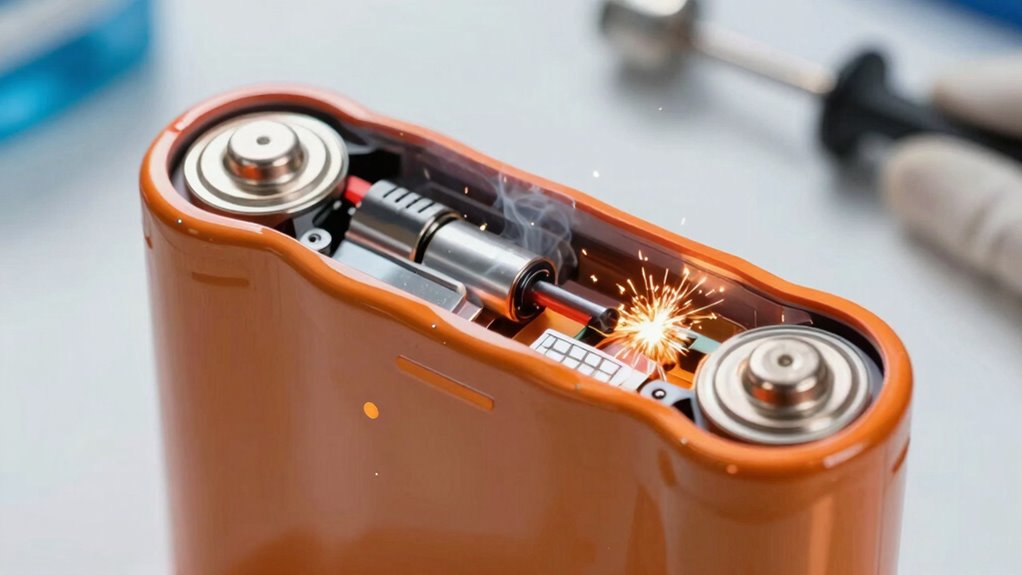

Battery safety rules change by chemistry because each type behaves differently and has unique risks. For example, lithium-ion batteries can overheat and catch fire, requiring fire-resistant containment, while lead-acid batteries mainly risk acid spills and physical damage. Knowing how each chemistry reacts helps you follow the right safety measures, reducing hazards. If you want to understand how these differences influence safety protocols, keep exploring for more details.

Get backup power and energy gear delivered free — and shop member deals
- Fast, free delivery on millions of items
- Access to Prime Big Deal Days deals on October 6–7
- Prime Video, Amazon Music and more included
Key Takeaways
- Different chemistries have unique chemical reactions and failure modes that require tailored safety protocols.
- The risk of thermal runaway varies significantly between chemistries, influencing safety measures.
- Containment strategies must address chemistry-specific hazards like fires, leaks, or acid spills.
- Handling and storage procedures are adapted to prevent damage or reactions unique to each battery type.
- Safety standards evolve to ensure appropriate protections based on each chemistry’s behavior and risks.
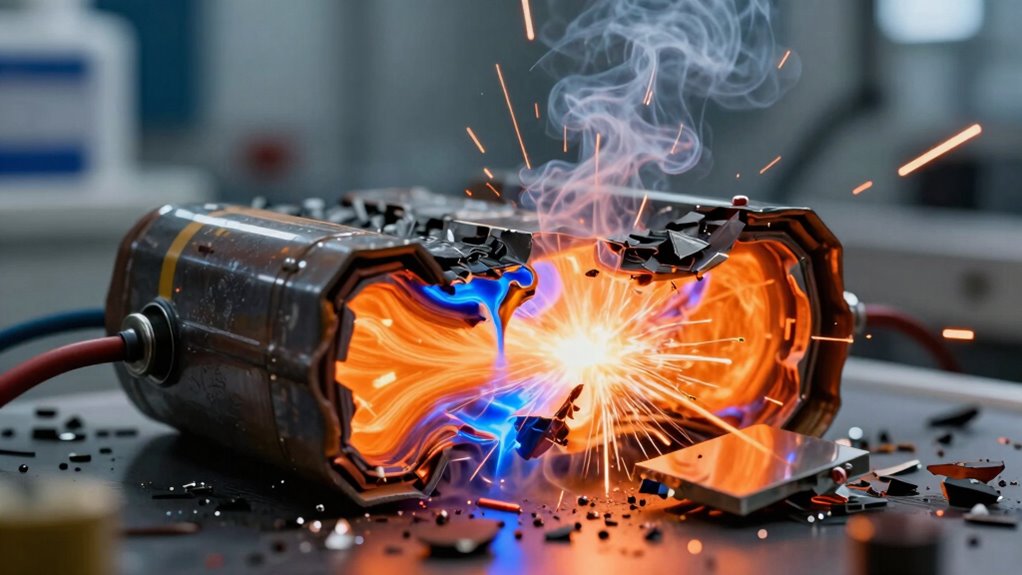
Have you ever wondered what it takes to stay safe around batteries? It’s not just about handling them carefully; it’s about understanding that different battery chemistries have unique safety requirements. Each type, whether lithium-ion, nickel-metal hydride, or lead-acid, behaves differently under various conditions. That’s why safety rules change depending on the chemistry involved. You need to be aware of specific safety measures, including proper battery containment and charging protocols, to prevent accidents and ensure safe operation.
Battery containment is critical because it helps manage the risks associated with different chemistries. For example, lithium-ion batteries can overheat or catch fire if damaged or improperly handled. To avoid such hazards, strict containment measures are necessary—using fire-resistant enclosures, insulated containers, or protective casings. These containment strategies are tailored to the chemistry’s specific risks. Nickel-based batteries, on the other hand, are less prone to thermal runaway but still require careful containment to prevent leaks or short circuits. Lead-acid batteries, which are more stable, still demand proper covers and secure positioning to prevent acid spills or physical damage. Understanding these differences helps you implement the right containment measures for each chemistry, reducing the risk of dangerous failures. Additionally, awareness of battery chemistry behavior can enhance safety practices during handling and storage. Recognizing how different chemical reactions occur within batteries can further improve safety protocols and prevent accidents during use or maintenance. Being knowledgeable about battery safety standards also ensures adherence to regulations and best practices, thereby minimizing hazards and promoting safer use across different applications.
fire-resistant lithium-ion battery enclosure
As an affiliate, we earn on qualifying purchases.
As an affiliate, we earn on qualifying purchases.
Frequently Asked Questions
How Do Different Battery Chemistries Impact Fire Risk?
Different battery chemistries impact fire risk through their electrochemical reactions and chemical stability. Some chemistries, like lithium-ion, have highly reactive electrochemical reactions that can cause thermal runaway if damaged or improperly charged. Others, like nickel-metal hydride, are more chemically stable, reducing fire hazards. Understanding these differences helps you assess risks and follow safety rules tailored to each chemistry, minimizing the chance of fire or explosion.
Are There Specific Storage Guidelines for Each Battery Type?
Yes, there are specific storage guidelines for each battery type, and ignoring them can be dangerous. You must pay close attention to battery packaging and the storage environment. For instance, lithium-ion batteries need cool, dry places away from metal objects, while lead-acid batteries require ventilation. Follow these rules carefully—small mistakes can lead to fires or explosions. Stay vigilant, because the safety of everyone around depends on it.
How Does Temperature Affect Battery Chemistry Safety?
Temperature impacts battery chemistry safety by affecting thermal stability and chemical reactions. When temperatures rise, batteries become less stable, increasing the risk of overheating, leaks, or fires. Cold temperatures can slow chemical reactions, reducing performance and possibly causing internal damage. You should store batteries in a controlled environment to maintain ideal thermal stability, preventing dangerous chemical reactions, and ensuring safe, reliable operation.
Can Mixed Chemistries in One Device Cause Safety Issues?
Mixing chemistries in one device is like putting incompatible puzzle pieces together, which can cause safety issues. If the chemistries aren’t compatible, it risks overheating, leakage, or even fires. That’s why strict manufacturing standards emphasize chemistry compatibility. When different chemistries are combined without proper safeguards, it can lead to unpredictable reactions, compromising device safety and performance. Always follow these standards to keep your device safe and reliable.
What Are the Signs of a Battery Chemistry Failure?
If your battery shows signs of failure, you might notice battery degradation, where it holds less charge or drains quickly. Chemical leakage is another warning, often accompanied by a strange smell, discoloration, or swelling. You should also watch for overheating, unusual bulges, or corrosion around terminals. Recognizing these signs early helps prevent accidents and guarantees safety, especially when dealing with different chemistries in one device.
Conclusion
Understanding why battery safety rules change by chemistry is essential for your safety. Different chemistries, like lithium-ion or nickel-metal hydride, have unique risks, so regulations adapt accordingly. Did you know that lithium-ion batteries can overheat and cause fires in just seconds? Staying informed about these differences helps you handle batteries safely and prevents accidents. Always follow the specific safety guidelines for each chemistry to protect yourself and those around you.
Halloween Picks
halloween
As an affiliate, we earn on qualifying purchases.