
To protect lithium batteries, follow the cold storage rule: keep them in a cool, dry place at 32°F to 68°F (0°C to 20°C). Avoid high temperatures and moisture, which can harm their lifespan. Charge the batteries to about 40% to 60% before storing, as this balances internal reactions. Regularly check for damage to guarantee safety. By sticking to these guidelines, you’ll maximize their durability and learn even more effective strategies along the way.

Get backup power and energy gear delivered free with Prime
- Fast, free delivery on millions of items
- Prime Video, Amazon Music and more included
- Member-only deals all year
Key Takeaways
- Store lithium batteries at a temperature range of 32°F to 68°F (0°C to 20°C) for optimal lifespan.
- Maintain a charge level of 40% to 60% to balance chemical reactions and prevent risks.
- Use sealed, moisture-proof containers to protect batteries from humidity during storage.
- Regularly inspect batteries for damage and swelling to ensure safety and functionality.
- Avoid extreme temperatures and direct sunlight to prevent degradation and safety hazards.
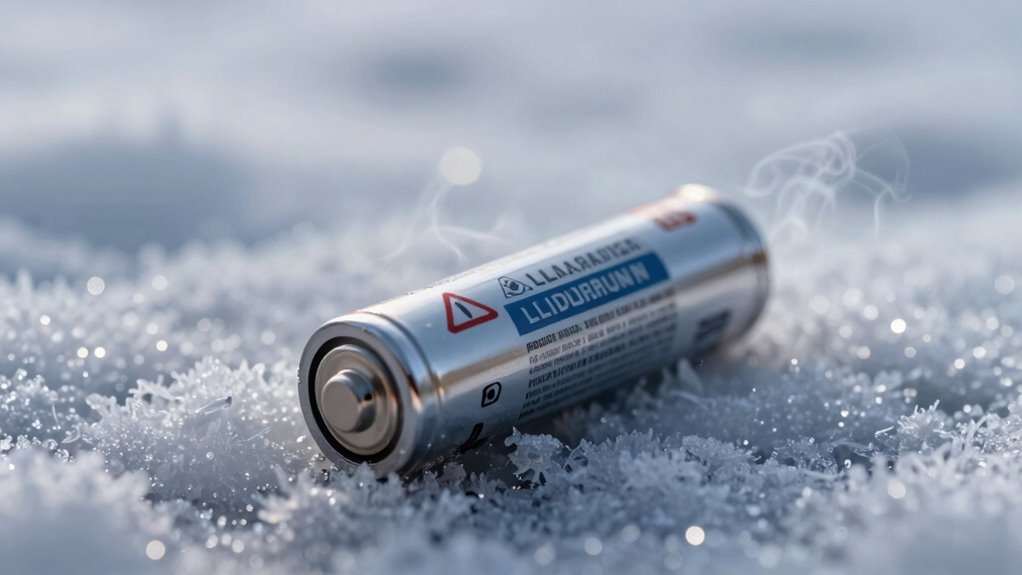
When it comes to storing lithium batteries, following the cold storage rule is important for safety and longevity. You might not realize it, but the way you store these batteries can greatly impact their battery lifespan. By keeping them in a cooler environment, you can slow down the chemical reactions that occur inside the battery, ultimately extending its life. This is especially essential if you’re planning to store them for an extended period. Temperature effects play a critical role in how well lithium batteries perform and age. High temperatures can accelerate degradation, leading to reduced capacity and even potential safety hazards. If you leave your batteries in a hot garage or a sunny spot, you risk diminishing their lifespan and functionality. On the flip side, extremely cold temperatures can also be harmful. However, a moderate cold storage environment—typically between 32°F and 68°F (0°C and 20°C)—can be suitable. Proper security measures should also be implemented to prevent unauthorized access or damage during storage. You may wonder how to achieve this suitable storage. First, consider placing your batteries in a cool, dry area away from direct sunlight. A refrigerator can be a good option, but be cautious; storing them in condensation-prone environments can lead to moisture buildup, which is harmful. Always make sure they’re in a sealed, moisture-proof container to protect them from humidity. It’s also important to avoid leaving batteries fully charged or completely drained during storage. Keeping them at around 40% to 60% charge is ideal. This practice balances the chemical reactions inside the battery, minimizing the risks associated with both overcharging and complete depletion. Regular monitoring of the stored batteries for any signs of damage or swelling is recommended to ensure safety and performance. If you notice any issues, it’s best to dispose of them safely. Utilizing a proper storage method not only helps maintain your batteries but also guarantees your devices function effectively when you need them.
As an affiliate, we earn on qualifying purchases.
Frequently Asked Questions
How Do Temperature Fluctuations Affect Lithium Battery Lifespan?
Temperature fluctuations can greatly shorten your lithium battery’s lifespan. When you expose your battery to extreme heat or cold, it disrupts the battery chemistry, leading to reduced capacity and efficiency. Effective thermal management is essential; it guarantees your battery operates within ideal temperature ranges. By maintaining a stable environment, you can prevent unwanted chemical reactions that degrade performance and longevity, ultimately extending your battery’s usable life.
Can I Store Lithium Batteries in My Refrigerator?
You might think storing lithium batteries in your refrigerator is a good idea, but it’s not. In fact, keeping them at temperatures below 32°F can actually shorten their lifespan. Proper storage conditions are essential for battery maintenance; aim for a cool, dry space instead. Remember, a 20% reduction in temperature can lead to a significant decrease in performance. So, keep them out of the fridge and store them wisely.
What Are Signs of a Damaged Lithium Battery?
You’ll notice signs of a damaged lithium battery like battery swelling or a significant performance drop. If the battery feels hot to the touch or has visible bulges, it’s likely compromised. You might also experience shorter usage times or difficulty charging. Always handle swollen batteries carefully, and if you see any of these signs, it’s best to stop using them immediately to avoid potential hazards. Safety should always come first!
Is It Safe to Dispose of Lithium Batteries in Regular Trash?
No, it’s not safe to dispose of lithium batteries in regular trash. They can leak harmful chemicals and pose fire risks. Instead, you should use proper battery disposal methods, like taking them to a recycling center or participating in local battery collection events. This helps minimize their environmental impact. Always check your community guidelines for specific disposal options to guarantee you’re handling them safely and responsibly.
How Often Should I Check Stored Lithium Batteries?
You should check stored lithium batteries every three to six months, like a well-timed Swiss watch. Regular battery maintenance tips include inspecting for leaks, corrosion, or swelling. Follow storage best practices by keeping them in a cool, dry place, ideally at around 40-60% charge. This way, you’ll extend their lifespan and guarantee they’re ready when you need them. Stay proactive, and your batteries will thank you!
Conclusion
So, next time you store your lithium batteries, remember the cold storage rule. It’s funny how a simple temperature drop can extend their life, just like that one time you found your old phone works better in cooler weather. By keeping them chilly, you’re not just preserving performance; you’re also avoiding potential hazards. It’s a win-win! Who knew that taking care of batteries could feel so much like a little life hack? Stay cool, and your batteries will too!
Fall Picks
fall essentials
As an affiliate, we earn on qualifying purchases.