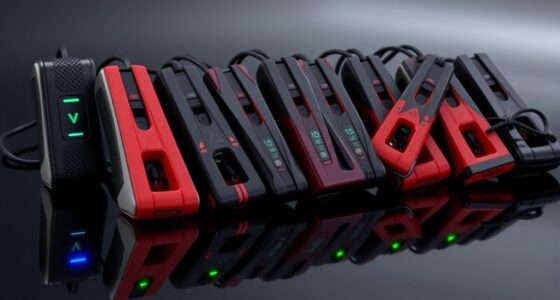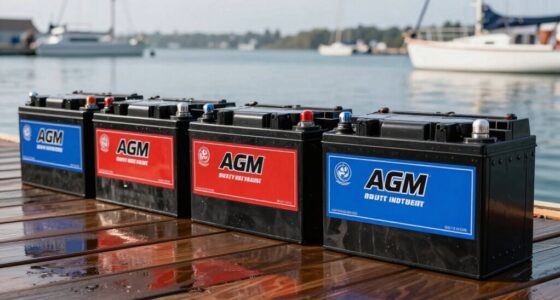

The best power outage emergency supplies combine dependable lighting, a way to keep essential devices charged, and basic provisions suited to your household. My best overall pick is the Jackery Explorer 300 for buyers who need more than phone charging, while the Consciot 1000-lumen lantern stands out for bright, adjustable room lighting and the Ready America 72-Hour Kit offers a simpler starting point for household preparedness. The main tradeoff is between a compact, affordable kit and a more capable setup that can power devices but takes more planning and storage. Lighting choices also differ: battery, rechargeable, solar, and flame-based options each have limits. Read on for the full breakdown and a guide to matching supplies to your outage risks and household needs.

Get backup power and energy gear delivered free with Prime
- Fast, free delivery on millions of items
- Prime Video, Amazon Music and more included
- Member-only deals all year
Key Takeaways
- The Jackery Explorer 300 is the standout for multi-device backup: its 292Wh capacity gives buyers more flexibility than phone-focused power banks, but it is bulkier and still requires a plan for recharging.
- The Consciot lantern prioritizes usable room light: its 1000-lumen output and multiple modes suit shared spaces better than small lanterns, while compact two-packs are easier to distribute or store.
- Ready-made emergency kits trade customization for convenience: the 72-hour kit and two-person backpacks offer a quick baseline, but household-specific medication, food, and device needs may call for additions.
- Thermal blankets are compact backups, not substitutes for safe heat: the Primacare 10-pack supplies more units for a household or group, while smaller packs reduce storage needs.
- There is no single lighting option for every outage: lanterns, lightsticks, emergency bulbs, flashlights, and candles vary in runtime, charging or battery needs, brightness, and safe placement, so a layered setup is more resilient.
| GasOne Emergency Candle Set, 8-Pack, Unscented Liquid Paraffin, Up to 115 Hours |  | Best for Long-Lasting Backup Light | Pack count: 8 candles | Burn time: Up to 115 hours | Fuel material: Liquid paraffin | VIEW LATEST PRICE | See Our Full Breakdown |
| Consciot 1000-Lumen Battery-Powered LED Camping Lantern, Dimmable with 4 Light Modes | 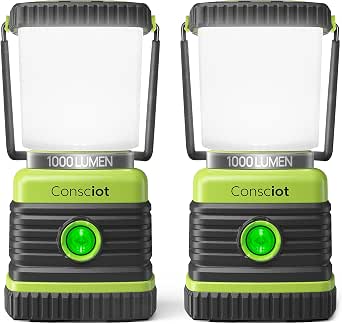 | Best for Bright, Adjustable Room Lighting | Maximum light output: 1000 lumens | Beam angle: 360 degrees | Light modes: Cool white, warm white, combined white, and strobe | VIEW LATEST PRICE | See Our Full Breakdown |
| MalloMe Compact LED Camping Lanterns, 2-Pack |  | Best Compact Lantern Pair | Pack size: 2 lanterns | Light source: COB LED | Maximum light output: 300 lumens | VIEW LATEST PRICE | See Our Full Breakdown |
| Ready America 8-Hour Emergency Lightsticks, Green, 2 Pack |  | Best No-Battery Emergency Marker | Quantity: 2 lightsticks | Color: Green | Activation: Bend and shake | VIEW LATEST PRICE | See Our Full Breakdown |
| BLAVOR Solar Power Bank 20,000mAh with Wireless Charging |  | Best for Charging Multiple Devices | Battery capacity: 20,000mAh | Built-in cables: 4: 2 USB-C, 1 iOS, and 1 USB-A | Ports: 3: USB-C, USB-A, and iOS | VIEW LATEST PRICE | See Our Full Breakdown |
| Ready America 72-Hour Deluxe Emergency Kit for 4 People |  | Best All-in-One Kit for Four | Brand: Ready America | Capacity: 4 people | Preparedness duration: Up to 72 hours | VIEW LATEST PRICE | See Our Full Breakdown |
| Ready America 70280 2-Person, 3-Day Emergency Survival Backpack |  | Best Compact Two-Person Starter Kit | Brand: Ready America | Model: 70280 | Capacity: 2 people | VIEW LATEST PRICE | See Our Full Breakdown |
| Primacare Emergency Mylar Thermal Blankets, 10 Pack, 84 x 52 in, Silver |  | Best Bulk Warmth Supplement | Brand: Primacare | Model: HB-10 | Quantity: 10 blankets | VIEW LATEST PRICE | See Our Full Breakdown |
| Etekcity LED Camping Lanterns, 4-Pack with Batteries |  | Best Multiroom Battery Lighting | Light source: 30 LEDs per lantern | Maximum brightness: 154 lumens per lantern | Beam angle: 360 degrees | VIEW LATEST PRICE | See Our Full Breakdown |
| Jackery Explorer 300 Portable Power Station, 292Wh |  | Best for Recharging Multiple Devices | Model: JE-300E | Battery capacity and chemistry: 292Wh, LiFePO4 | Peak surge output: 600W | VIEW LATEST PRICE | See Our Full Breakdown |
| Mart Cobra Mylar Emergency Blankets, 4-Pack |  | Best Compact Blanket Multipack | Pack size: 4 blankets | Material: Aluminized Mylar | Dimensions: 82 x 52 inches each | VIEW LATEST PRICE | See Our Full Breakdown |
| Mylar Emergency Thermal Blankets, 5 Pack, Extra Large |  | Best for Greater Blanket Coverage | Pack count: 5 in title; product details also state 10 | Material: Mylar | Dimensions: 82 x 64 inches | VIEW LATEST PRICE | See Our Full Breakdown |
| Ready America Deluxe 2-Person 3-Day Emergency Backpack |  | Best All-in-One Two-Person Kit | Capacity: 2 people, up to 3 days | Food: Two 2,400-calorie emergency food bars | Water: Six 4.225 oz pouches and one 32 oz BPA-free bottle | VIEW LATEST PRICE | See Our Full Breakdown |
| DEBAOBULB Rechargeable Emergency LED Light Bulbs, 6-Pack | 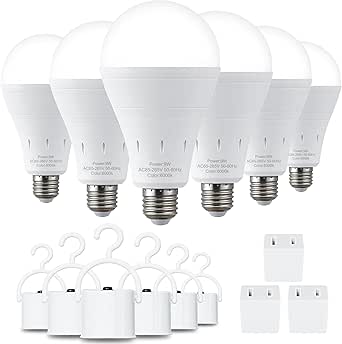 | Best for Keeping Room Fixtures Useful | Quantity: 6 bulbs | Bulb shape and base: A19; E26/E27 | Power: 9 W | VIEW LATEST PRICE | See Our Full Breakdown |
| Energizer WeatheReady Emergency Lighting Kit with Flashlight-Lantern, Headlamp, Batteries, and Storage Case |  | Best Portable Lighting Set | Included lights: 2-in-1 LED flashlight-lantern and LED headlamp | Backup batteries: 8 AA and 9 AAA | Lantern brightness: Up to 90 lumens | VIEW LATEST PRICE | See Our Full Breakdown |
More Details on Our Top Picks
GasOne Emergency Candle Set, 8-Pack, Unscented Liquid Paraffin, Up to 115 Hours
For a blackout that may last beyond a few hours, I’d favor the eight-candle set for its stated burn time of up to 115 hours. That makes it a different kind of backup than the Consciot lantern: the lantern gives brighter, adjustable room light, while these candles prioritize a longer-lasting flame without batteries. Their unscented liquid paraffin and manufacturer-described clean burn may suit indoor use, but open flames still require careful placement and supervision. The compact candle dimensions make them practical to store around the home, though the listed 2.66 kg set weight is less appealing for a grab-and-go kit. There’s also no container included, so I’d plan on a stable, heat-safe surface rather than assuming the set is ready to use anywhere.
Pros:- Eight candles provide multiple light sources for different rooms.
- Manufacturer-stated burn time is up to 115 hours.
- Unscented liquid paraffin is described as clean-burning.
- Compact candle dimensions suit home emergency storage and outdoor kits.
Cons:- Open flames need supervision and a stable, heat-safe surface.
- No container is included.
- The listed 2.66 kg set weight may be inconvenient for portable kits.
Best for: Households building a home blackout kit that want several long-burning lights and can store and use open-flame candles safely.
Not ideal for: Families with young children, pets, or limited safe candle-placement options, and anyone seeking hands-free or battery-free portable lighting.
- Pack count:8 candles
- Burn time:Up to 115 hours
- Fuel material:Liquid paraffin
- Scent:Unscented
- Dimensions:3.46 in W x 4.13 in H
- Weight:2.66 kg
- Size per candle:11.5 oz
- Use:Indoor and outdoor
Our verdict“Choose this set for extended home outages when long burn time matters more than adjustable, hands-free light.”
Consciot 1000-Lumen Battery-Powered LED Camping Lantern, Dimmable with 4 Light Modes
Among the lighting picks here, I’d choose the Consciot lantern when a blackout calls for broad, usable room illumination rather than a small personal light. Its 1000-lumen, 360-degree output can light a shared space, and stepless dimming lets you reduce brightness when full output is unnecessary. Warm, cool, combined, and strobe modes add flexibility that the MalloMe collapsible lanterns, rated up to 300 lumens, do not offer. The tradeoff is power planning: this model needs three D-cell batteries, which are not included, and the stated runtime is up to 12 hours. IPX4 resistance can help with splashes, but this is not a substitute for a sealed waterproof light. The two-lantern pack also gives a household more placement options than a single unit.
Pros:- Up to 1000 lumens with 360-degree illumination.
- Stepless dimming and four modes adapt light to different needs.
- Two lanterns allow coverage in separate rooms.
- IPX4 water resistance and hooks support hanging or carrying.
Cons:- Requires three D-cell batteries per lantern, and batteries are not included.
- Stated battery life is up to 12 hours.
- IPX4 resistance does not make it waterproof.
Best for: Households that want bright, dimmable 360-degree light for a kitchen or shared room and can keep D-cell batteries on hand.
Not ideal for: Buyers who need a compact, low-bulk lantern or do not want to store and replace D-cell batteries.
- Maximum light output:1000 lumens
- Beam angle:360 degrees
- Light modes:Cool white, warm white, combined white, and strobe
- Dimming:Stepless
- Power source:3 D-cell batteries per lantern; not included
- Battery life:Up to 12 hours
- Water resistance:IPX4
- Pack contents:2 LED lanterns and 1 user manual
Our verdict“Pick the Consciot pair for bright, adjustable household lighting if you are prepared to supply the D-cell batteries.”
MalloMe Compact LED Camping Lanterns, 2-Pack
The MalloMe two-pack makes sense when storage space and simple operation matter more than maximum brightness. Each lantern collapses to 3.7 inches tall, making the pair easier to tuck into a drawer or emergency bag than the larger Consciot lanterns. Lift-to-turn-on operation keeps setup straightforward, and the 360-degree beam spreads light around a small room or campsite. At up to 300 lumens, though, these are better suited to close-range tasks than lighting a large shared space; the Consciot’s 1000-lumen output is the stronger choice for that job. Both MalloMe units need three AAA batteries, which are not included, so buyers should store spares with them. The product is described as water resistant, but no resistance rating is supplied.
Pros:- Collapses to 3.7 inches tall for compact storage.
- Two lanterns provide light in separate areas.
- Lift-to-turn-on operation is simple during an outage.
- 360-degree COB LED output provides up to 300 lumens.
Cons:- Each lantern requires three AAA batteries, sold separately.
- Up to 300 lumens is less suited to lighting large rooms than the Consciot lantern.
- Water resistance is stated without a specific rating.
Best for: Apartment dwellers, campers, and emergency-kit builders who need compact lanterns for close-range lighting and can stock AAA batteries.
Not ideal for: Households that need high-output light for a large room or want a defined water-resistance rating.
- Pack size:2 lanterns
- Light source:COB LED
- Maximum light output:300 lumens
- Beam angle:360 degrees
- Power source:3 AAA batteries per lantern; not included
- Collapsed dimensions:3.7 x 3.4 x 3.7 inches
- Item weight:5.76 ounces
- Water resistance:Water resistant; rating not specified
Our verdict“Choose the MalloMe pair when compact storage and simple, modest-output lighting matter more than room-filling brightness.”
Ready America 8-Hour Emergency Lightsticks, Green, 2 Pack
These Ready America lightsticks fill a narrow but useful role: immediate, battery-free light when a lantern is unavailable or battery reserves need to be saved. Bend-and-shake activation avoids a search for batteries or a switch, and the included 32-inch lanyards let users keep the light close during a roadside stop or movement through a dark area. Compared with the MalloMe lanterns, the lightsticks are simpler to activate but offer no reusable lighting and have a shorter stated duration of up to eight hours. They are also not water resistant, which limits their usefulness in wet conditions. I’d treat them as backup or signaling supplies rather than the main light source for a household blackout, especially since the pack contains just two.
Pros:- Bend-and-shake activation requires no batteries.
- Provides up to eight hours of illumination.
- Cool-to-the-touch and described as non-toxic.
- Includes two 32-inch lanyards for carrying.
Cons:- Single-use design does not provide rechargeable or reusable lighting.
- Not water resistant.
- Two lightsticks provide less sustained household coverage than the lantern options.
Best for: Drivers and emergency-kit owners who want simple, battery-free lightsticks for short outages, roadside stops, or backup signaling.
Not ideal for: Households seeking reusable room lighting, long-duration illumination, or a light source suitable for wet conditions.
- Quantity:2 lightsticks
- Color:Green
- Activation:Bend and shake
- Light duration:Up to 8 hours
- Power source:Non-battery powered
- Water resistance:Not water resistant
- Dimensions:2.3 x 0.75 x 8.75 inches
- Included accessories:Two 32-inch lanyards
Our verdict“Keep this pair as a simple, battery-free backup for short emergencies rather than relying on it to light a home through an outage.”
BLAVOR Solar Power Bank 20,000mAh with Wireless Charging
For a power outage where staying connected matters as much as having light, the BLAVOR 20,000mAh power bank stands apart from the lanterns and candles in this lineup. Its capacity, 20W USB-C output, wireless charging, and four built-in cables can reduce the number of separate charging accessories a household needs to keep ready. The listed ability to charge up to six devices at once is useful for a group, although charging results depend on the devices and available output. Compared with a portable power station such as the Jackery Explorer 300, this is a smaller, personal-device-focused option rather than a source for broader power needs. Solar charging and the built-in lights, compass, and thermometer add outdoor utility, but no solar charging speed is specified, so I wouldn’t rely on sunlight alone to replenish it quickly. Its 7.28-inch length may also feel bulky in a small bag.
Pros:- 20,000mAh capacity supports charging personal devices during an outage.
- Four built-in cables reduce the need to pack separate charging leads.
- 20W USB-C output and Qi wireless charging offer multiple charging options.
- Includes a flashlight, camping light, compass, and thermometer.
Cons:- Solar charging speed is not specified, so recharge time from sunlight is unclear.
- At 7.28 inches long, it may be bulky for compact everyday carry.
- Designed for device charging rather than serving as a substitute for a portable power station like the Jackery Explorer 300.
Best for: People preparing for outages who need to keep several phones or small devices charged and want built-in cables and outdoor features.
Not ideal for: Buyers who need to power larger household equipment or depend on predictable, fast solar recharging during an outage.
- Battery capacity:20,000mAh
- Built-in cables:4: 2 USB-C, 1 iOS, and 1 USB-A
- Ports:3: USB-C, USB-A, and iOS
- Maximum output power:20 W
- Wireless charging:Qi
- Listed simultaneous charging capacity:Up to 6 devices
- Dimensions:1.5 x 3.85 x 7.28 inches
- Protection:Overcharge, over-discharge, over-current, and short-circuit protection
Our verdict“Choose the BLAVOR if your outage plan centers on charging phones and small devices, not running larger equipment.”
Ready America 72-Hour Deluxe Emergency Kit for 4 People
For households that want one bag covering several outage needs, this kit stands out for combining food, water, first aid, shelter, and safety gear for four people. Its hand-crank power station adds a flashlight, AM/FM radio, siren, and phone-charging function, giving it more built-in emergency utility than the simpler Ready America 70280 two-person backpack. The tradeoff is that the food and water are only the included quantities, not a reason to skip storing extra drinking water or household-specific supplies. With 33 pieces packed together, some buyers may also want to add medications, preferred hygiene items, or more lighting. I’d choose it as a useful shared starting point for a household, not as a complete substitute for a larger outage plan.
Pros:- Combines food, water, first aid, shelter, lighting, and safety supplies in one backpack.
- Designed to support four people for up to 72 hours.
- Hand-crank power station combines a flashlight, AM/FM radio, siren, and phone charger.
- Suitable for home storage, workplace preparedness, or evacuation use.
Cons:- Included food and water quantities are limited and may need substantial supplementation.
- Packed contents may not cover household-specific medical, dietary, or hygiene needs.
Best for: Households of up to four people who want a single grab-and-go kit with basic supplies across several emergency categories.
Not ideal for: Buyers who need generous food and water reserves, specialized medical supplies, or individually tailored bags for each person.
- Brand:Ready America
- Capacity:4 people
- Preparedness duration:Up to 72 hours
- Number of pieces:33
- Emergency food:Four 2,400-calorie food bars
- Water:Four 1-liter Aqua Literz cartons
- First aid kit:107 pieces
- Power station functions:Flashlight, AM/FM radio, siren, and cell phone charger
Our verdict“Choose this as a broad emergency-kit foundation for a household of four, provided you plan to add water and personal essentials.”
Ready America 70280 2-Person, 3-Day Emergency Survival Backpack
This backpack makes sense for two people who want a basic, organized evacuation kit without packing for a larger household. It covers food, first aid, ponchos, blankets, masks, gloves, signaling, and lightsticks, but its water allowance is the main limitation: 12 pouches contain just 4.225 ounces each. Compared with the four-person Ready America 72-Hour Deluxe kit, this one is scaled for a smaller group and keeps the contents simpler; it also lacks that kit’s hand-crank radio and phone-charging station. The food bars and water pouches have a stated five-year shelf life, which helps with planned storage, though buyers should still track replacement dates. I’d treat it as a portable starting point and add drinking water, a stronger light source, and any personal medical needs.
Pros:- Organizes food, first aid, shelter, protective gear, lighting, and signaling in a backpack.
- Includes two emergency food bars and sealed water pouches.
- Food and water are listed with a five-year shelf life.
- Ponchos and survival blankets provide basic weather and warmth protection.
Cons:- Each water pouch holds only 4.225 ounces, leaving hydration needs largely unmet.
- The 33-piece first aid kit is intended for basic care rather than extensive treatment.
- Lightsticks provide limited illumination compared with a lantern or broader lighting kit.
Best for: One or two adults seeking a compact, ready-to-carry evacuation kit for short outages or severe-weather disruptions.
Not ideal for: Families needing supplies for more than two people or buyers expecting the included water to cover normal hydration for three days.
- Brand:Ready America
- Model:70280
- Capacity:2 people
- Duration:Up to 72 hours
- Food:Two 2,400-calorie emergency food bars; 5-year shelf life
- Water:12 sealed pouches, 4.225 oz each; 5-year shelf life
- First aid kit:33 pieces
- Lighting:Two lightsticks, each rated for 12 hours
Our verdict“Pick this for a compact two-person grab-and-go baseline, but add substantial drinking water and brighter lighting.”
Primacare Emergency Mylar Thermal Blankets, 10 Pack, 84 x 52 in, Silver
When an outage cuts heat or leaves people exposed during evacuation, this 10-pack offers a lightweight way to add basic thermal protection for a group. Each 84-by-52-inch blanket is waterproof and reflective, so it can help retain body warmth or deflect sunlight; the pack is easier to divide among household emergency bags than a smaller blanket bundle. Unlike the blankets included in the Ready America 70280 backpack, this set gives you ten separate pieces, but it does not provide food, lighting, or other kit essentials. The 0.5-mil Mylar is thin and disposable, so I would not treat it as durable bedding or a replacement for insulated blankets in prolonged cold. It’s best as a compact reserve layer for outage kits, cars, or evacuation supplies.
Pros:- Ten blankets make it practical to equip multiple people or emergency bags.
- Waterproof, weatherproof material offers a barrier against wet conditions.
- Reflective surface can help retain body warmth or deflect heat from the sun.
- Lightweight format suits compact emergency storage.
Cons:- Thin 0.5-mil material is vulnerable to tearing and is intended for disposable use.
- Provides no cushioning or insulation comparable to a conventional blanket.
- This is a warmth supplement, not a standalone outage supply kit.
Best for: Families, community groups, or vehicle owners who want several lightweight emergency warmth layers ready to distribute.
Not ideal for: People seeking reusable, durable blankets for regular sleeping or sustained exposure to cold weather.
- Brand:Primacare
- Model:HB-10
- Quantity:10 blankets
- Dimensions:84 x 52 inches each
- Material:Mylar foil
- Thickness:0.5 mil
- Weight:8 ounces
- Features:Lightweight, waterproof, weatherproof, reflective, disposable
Our verdict“Choose this as a lightweight group reserve for emergency kits, not as durable bedding for extended cold.”
Etekcity LED Camping Lanterns, 4-Pack with Batteries
For outages where several rooms need usable light, this four-pack spreads 360-degree illumination across more places than a single lantern. Each collapsible unit reaches 154 lumens, has adjustable brightness, and includes three AA batteries, so the set can be put to work without a separate initial battery purchase. That makes it a more room-by-room choice than the hand-crank light on the Ready America 72-Hour Deluxe kit, though the kit’s radio and phone charger serve needs these lanterns do not. Battery life is listed at up to 50 hours, but every lantern uses three AAs, so keeping replacements on hand matters during a long outage. The water-resistant ABS body adds some practical protection, but no specific resistance rating is provided; I wouldn’t leave these exposed to heavy rain.
Pros:- Four lanterns can illuminate multiple rooms or be shared among household members.
- 360-degree output and adjustable brightness suit general room lighting.
- Each lantern includes three AA batteries and is rated for up to 50 hours of operation.
- Collapsible design and built-in storage compartment support compact storage.
Cons:- Four units require 12 AA batteries, and extended use depends on keeping spares.
- Water resistance is stated without a specific rating.
- Does not recharge devices or provide radio and signaling functions.
Best for: Households that want separate battery-powered lights for multiple rooms, hallways, or family members.
Not ideal for: Buyers seeking rechargeable lighting, verified protection against heavy rain, or a lantern that also serves as a radio or phone charger.
- Light source:30 LEDs per lantern
- Maximum brightness:154 lumens per lantern
- Beam angle:360 degrees
- Battery:Three AA batteries per lantern; 12 included
- Battery life:Up to 50 hours
- Weight:0.67 lb (302 g) per lantern
- Material and water resistance:ABS plastic; water resistant, with no specific rating provided
- Package contents:Four lanterns, 12 AA batteries, and one manual
Our verdict“Choose this set for distributed indoor outage lighting if you’re willing to manage AA battery replacements.”
Jackery Explorer 300 Portable Power Station, 292Wh
Among these picks, the Explorer 300 is the strongest choice for keeping phones and other compatible small devices powered when an outage lasts beyond a quick interruption. Its 292Wh battery and six connection points offer more flexibility than the phone-charging function built into the Ready America four-person kit, while a 100W USB-C port can support compatible devices that need faster charging. The LiFePO4 battery is rated for over 4,000 cycles to 70% capacity, making this a reusable power source rather than a one-time emergency item. Capacity still sets a firm limit: it is not a household backup for high-draw appliances or extended power needs. Solar charging is available with a compatible panel, but that panel is sold separately. The listed weight also differs between the description and item details, so check the unit information before planning around carry weight.
Pros:- 292Wh capacity and multiple ports support charging several compatible devices.
- 100W USB-C PD port offers a higher-power connection for compatible electronics.
- LiFePO4 battery is rated for over 4,000 cycles to 70% capacity.
- Can recharge through AC, a car charger, or a compatible solar panel.
Cons:- Solar panel is sold separately.
- The 292Wh capacity is limited for high-draw appliances or prolonged household backup.
- Listed weight differs between the description and item details.
Best for: Outage-conscious households and campers who need to recharge phones and compatible small electronics from a portable, rechargeable power source.
Not ideal for: Buyers who need to run high-wattage appliances for long periods or expect solar charging without purchasing a compatible panel.
- Model:JE-300E
- Battery capacity and chemistry:292Wh, LiFePO4
- Peak surge output:600W
- Ports:2 AC outlets, 1 USB-C PD (100W), 2 USB-A, and 1 car port (120W)
- Weight:About 7.5 lb in the description; 7.1 lb in item details
- Battery charge time:4 hours
- Solar charging:About 80% in 2.8 hours with a 100W panel; panel sold separately
- Charge cycles:Over 4,000 cycles to 70% capacity
Our verdict“Choose this for portable power to recharge small electronics during outages, not for running a home’s major appliances.”
Mart Cobra Mylar Emergency Blankets, 4-Pack
I’d choose the Mart Cobra 4-pack for emergency kits where small size and flexible use matter more than the feel or durability of a regular blanket. Each 82 x 52-inch sheet can reflect body heat and also serve as a ground cover or makeshift shelter, adding options when an outage brings cold, drafts, or wet conditions. Compared with the larger Mylar Emergency Thermal Blankets, 5 Pack, Extra Large, these offer less coverage per sheet, but their four-pack count is clear and the blankets are described as reusable and tear-resistant. The tradeoff is the 0.01 mm material: it is far thinner than household bedding and can be awkward to handle without tearing. I’d pack these as lightweight backup protection, not as a substitute for warm clothing or a proper blanket.
Pros:- Four blankets provide separate emergency wraps for multiple people
- Compact, lightweight sheets are easy to store in a go-bag
- Can also serve as a ground cover or temporary shelter layer
- Water-resistant and windproof construction helps block exposure
Cons:- Very thin material is less durable and comfortable than a conventional blanket
- Each sheet is narrower than the Extra Large Mylar Emergency Thermal Blankets
- Hand-wash-only care is less convenient than disposable emergency coverings
Best for: Households assembling compact car, backpack, or bedside outage kits that want several lightweight emergency wraps.
Not ideal for: People seeking a durable, comfortable blanket for regular overnight use or broad coverage for larger adults.
- Pack size:4 blankets
- Material:Aluminized Mylar
- Dimensions:82 x 52 inches each
- Thickness:0.01 millimeters
- Features:Lightweight, reversible, tear-resistant, water-resistant, windproof
- Care:Hand wash only
Our verdict“Choose this pack for compact, multipurpose backup warmth, but skip it if you need a sturdy blanket for extended use.”
Mylar Emergency Thermal Blankets, 5 Pack, Extra Large
The clearest reason to pick these is their 82 x 64-inch size, which gives more coverage than the 82 x 52-inch Mart Cobra blankets. That extra width can help when wrapping up in a cold room or using a sheet as a ground cover, while the listed weight of about two ounces keeps it practical for a go-bag. The blankets are described as waterproof, windproof, and reusable, so they can serve beyond simple warmth during an outage. I would not treat the listing details as fully settled, though: the title says five blankets while product information also says ten, and the thickness is reported in conflicting units. Compared with the more clearly specified Mart Cobra pack, this option offers more stated coverage but less certainty about exactly what arrives.
Pros:- Larger 82 x 64-inch dimensions offer more coverage than the Mart Cobra blankets
- About two ounces per blanket makes them easy to carry
- Waterproof and windproof properties suit shelter and ground-cover use
- Reusable design can serve in both home and outdoor emergency kits
Cons:- Pack count conflicts between the title and product details
- Thickness is reported inconsistently, making durability hard to judge
- Still a thin emergency sheet rather than a comfortable everyday blanket
Best for: Preparedness planners who prioritize larger individual coverage and want lightweight Mylar sheets for home or travel kits.
Not ideal for: Buyers who need a confirmed pack quantity or dependable thickness information before building a carefully counted kit.
- Pack count:5 in title; product details also state 10
- Material:Mylar
- Dimensions:82 x 64 inches
- Weight:About 2 ounces per blanket
- Package size:6 x 4 inches
- Thickness:Reported as 15 μm in description; product information also states 0.02 micrometer
- Features:Waterproof, windproof, reusable
Our verdict“Pick these when extra coverage matters most, provided you can tolerate uncertainty about the pack count and material specifications.”
Ready America Deluxe 2-Person 3-Day Emergency Backpack
For outage preparation, this backpack’s advantage is breadth rather than depth: it combines food, water, first aid, hygiene supplies, shelter items, and a hand-crank power station for two people. The crank unit adds a flashlight, AM/FM radio, siren, and phone-charging function, reducing reliance on disposable batteries compared with the Energizer WeatheReady Emergency Lighting Kit. The kit is also more ready-to-grab than assembling supplies one category at a time. Its limits matter: the included water is six small pouches plus a 32-ounce bottle, and the food consists of two emergency bars, so the 72-hour label should not be read as generous meals or drinking-water coverage. The listed two-pound weight also seems difficult to reconcile with the full set of contents. I’d treat it as a starting kit and add supplies for household needs.
Pros:- Combines food, water, first aid, hygiene, shelter, and tools in one backpack
- Hand-crank unit includes a flashlight, radio, siren, and phone charger
- Designed around the needs of two people
- Includes purification tablets and a reusable water bottle alongside water pouches
Cons:- Included food and water quantities are limited for a claimed three-day period
- The stated two-pound weight may not represent the fully stocked kit
- A broad assortment may require supplementing supplies for specific household needs
Best for: Two-person households, renters, or drivers who want a single grab-and-go kit covering several emergency categories.
Not ideal for: Families needing substantial food and drinking water for three full days, or buyers who want a light kit with a clearly verified packed weight.
- Capacity:2 people, up to 3 days
- Food:Two 2,400-calorie emergency food bars
- Water:Six 4.225 oz pouches and one 32 oz BPA-free bottle
- Water purification:Purification tablets
- First aid:33-piece kit
- Power station:Hand-crank flashlight, AM/FM radio, siren, and phone charger
- Dimensions:10 x 8 x 15 inches
- Listed weight:2 pounds
Our verdict“Choose it as a convenient two-person emergency foundation, then add food, water, and personal supplies for longer or more demanding outages.”
DEBAOBULB Rechargeable Emergency LED Light Bulbs, 6-Pack
These bulbs suit a home outage plan built around existing lamps: install them in E26/E27 sockets, and the fixtures can provide backup light without storing a separate lantern in every room. At 800 lumens during regular use, they also function as everyday bulbs; when power fails, their emergency mode offers three brightness settings and a hook for portable placement. Compared with the Energizer WeatheReady Emergency Lighting Kit, this six-pack is better for lighting several familiar rooms, while Energizer offers a dedicated lantern and headlamp that are easier to carry outdoors or aim hands-free. The main limitation is endurance: emergency runtime is listed at 2–6 hours, depending on brightness, and full charging takes seven to eight hours. I’d use them as convenient room-by-room backup, not as the only light source for a prolonged outage.
Pros:- Fits standard E26/E27 sockets for familiar fixture-based lighting
- Six bulbs can distribute backup lighting across multiple rooms
- Three emergency brightness levels let users trade brightness for runtime
- Included hooks allow portable use beyond a socket
Cons:- Emergency runtime ranges from about two to six hours depending on setting
- A full charge takes seven to eight hours
- Less convenient for focused hands-free tasks than the Energizer headlamp
Best for: Homeowners or renters with standard screw-base fixtures who want familiar room lighting during short outages.
Not ideal for: People who need portable light for outdoor tasks or all-night use without access to a charged fixture.
- Quantity:6 bulbs
- Bulb shape and base:A19; E26/E27
- Power:9 W
- Brightness:800 lumens
- Color temperature:6000 K
- Emergency runtime:About 2–6 hours, depending on brightness
- Full charge time:7–8 hours
- Included components:6 bulbs, 6 hooks, 3 plug caps
Our verdict“Choose these to keep several household fixtures useful during shorter outages, but pair them with a longer-running portable light for extended darkness.”
Energizer WeatheReady Emergency Lighting Kit with Flashlight-Lantern, Headlamp, Batteries, and Storage Case
This kit is the more versatile portable-lighting choice in this group because it pairs a lantern-flashlight with a headlamp and includes AA and AAA batteries. The lantern can float and attach magnetically for hands-free placement, while the headlamp reaches up to 325 lumens and has a red-light mode for situations where preserving night vision is useful. That makes it better suited to moving through a dark home or handling repairs than the DEBAOBULB Rechargeable Emergency LED Light Bulbs, which favor room fixtures over task lighting. The tradeoff is dependence on replaceable batteries: the stated 38-plus-hour runtime is per light and depends on using one set, so I’d plan spare batteries for repeated or extended use. IPX4 water resistance helps with splashes, but this is not a waterproof lighting system.
Pros:- Includes both a lantern-flashlight and a headlamp for different outage tasks
- Comes with eight AA and nine AAA backup batteries
- Lantern floats and has a magnetic lens for hands-free placement
- Headlamp offers adjustable brightness, red light, and up to 70 m beam distance
Cons:- Requires batteries rather than rechargeable or hand-crank power
- Runtime varies with use and the stated figure applies per light
- IPX4 protects against splashes, not immersion or severe water exposure
Best for: Households that want portable room lighting and hands-free task lighting in one battery-powered outage kit.
Not ideal for: Buyers seeking rechargeable lights or equipment for heavy rain, immersion, or extended use without spare batteries.
- Included lights:2-in-1 LED flashlight-lantern and LED headlamp
- Backup batteries:8 AA and 9 AAA
- Lantern brightness:Up to 90 lumens
- Headlamp brightness:Up to 325 lumens
- Headlamp beam distance:Up to 70 m
- Water resistance:IPX4
- Drop resistance:Up to 1 m
- Runtime:38+ hours per light with one set of batteries
- Weight:0.65 kg
Our verdict“Choose this kit for flexible, portable outage lighting and hands-free tasks if you are willing to manage batteries.”
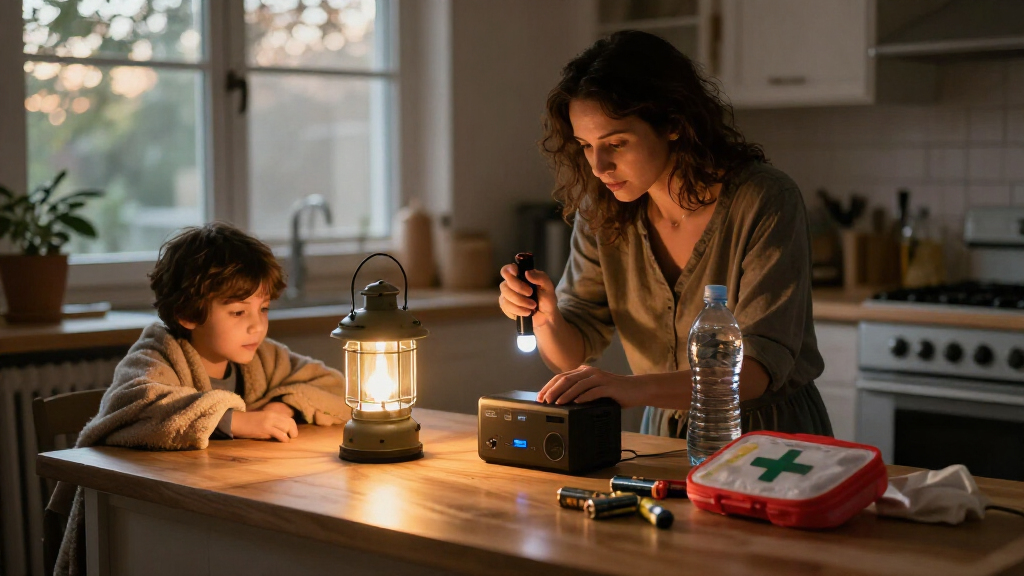
How We Picked
I ranked these supplies by how directly they address common outage needs: safe, practical lighting; backup power for essential devices; warmth; and ready-to-use emergency provisions. I also weighed ease of setup, portability, storage demands, household coverage, and whether a product works as a standalone item or depends on other supplies. For power products, capacity and likely use matter more than a headline feature; for lighting, I considered whether the format suits a room, an individual, or a short-term backup.
The order favors options with broad usefulness during a blackout, then distinguishes specialized or lower-capacity choices by the buyer they serve. A power station ranks ahead of a phone-oriented bank when a household needs more flexibility, while an adjustable lantern outranks tiny lights for shared-room illumination. Ready-made kits earn a place for convenience, but they are not treated as complete plans: buyers should check their contents and add supplies for their own household. Items with narrow roles, such as candles and thermal blankets, can be useful but do not replace lighting, power, or a broader emergency plan.
Factors to Consider When Choosing Best Power Outage Emergency Supplies
A reliable outage setup is a small system, not a pile of unrelated gear. I would first decide what must keep working, how many people need supplies, and how long an interruption could last, then choose products that cover those needs without relying on one power source.
Match backup power to the devices you actually need
List the devices you expect to use during an outage, such as phones, a router, medical equipment, or a small appliance, and check their power requirements before buying a battery. A phone power bank is convenient for personal electronics but cannot fill the role of a larger power station. Battery capacity alone does not tell the whole story: output ports, supported charging methods, and the draw of connected devices affect what you can run. Avoid assuming a portable station can power every household appliance; high-draw equipment may exceed its limits or drain it quickly. Keep a charging plan that does not depend on an outlet being available after the outage starts. If medical equipment is involved, confirm its backup requirements with the provider and keep an appropriate contingency plan.
Build lighting in layers, not around one lamp
A lantern can light a shared room, while a flashlight or headlamp lets one person move through dark hallways without carrying a large light. Lightsticks can provide a simple, low-maintenance backup, but they do not replace brighter task lighting for cooking or reading. Rechargeable bulbs may help where compatible fixtures and charging arrangements are available, so check how they operate before relying on them. Candles are independent of batteries but bring an open-flame risk and need careful placement away from children, pets, curtains, and other combustible materials. Keep lights where they will be needed rather than storing every option in one hard-to-reach kit. A mix of formats helps if one set of batteries runs low or a device cannot be charged.
Treat runtime claims as planning inputs, not guarantees
Published runtimes often depend on settings, usage patterns, and battery condition, so a light used at full brightness may not last as long as its longest listed runtime. Dimming, turning devices off between uses, and reserving power for essential tasks can stretch supplies. Check whether batteries are included, whether they are replaceable, and what type each item needs; a battery-powered product is only useful if its batteries are ready. Rechargeable gear should be charged and checked periodically rather than left untouched for years. Store spare batteries according to their instructions and keep them accessible. For a longer outage, plan how to replenish power instead of assuming one charge or one battery set will cover the entire event.
Choose kits by household fit, then fill the gaps
A packaged emergency kit can save time, but its stated person count and duration do not guarantee that its contents match your household. Check the actual inventory, including food or water provisions if included, and note what is absent or sized for only short-term use. Add prescription medications, glasses, infant or pet supplies, hygiene items, and familiar food where relevant. A two-person backpack may be easier to carry during evacuation than a larger household kit, while a home-focused kit can prioritize shared supplies and storage. Keep copies of important information and a family contact plan with your supplies. Revisit the kit when household members, health needs, or seasonal conditions change.
Plan warmth and safety separately from power
Mylar blankets take little space and can help reduce heat loss, but they are not a heater and do not make an unheated home safe for every person or weather condition. Think about safe layers, dry clothing, and the needs of children, older adults, and anyone with health conditions. Never use outdoor fuel-burning equipment indoors to create heat, and follow product and local safety guidance for any heating device. Keep a battery radio or another way to receive local alerts if your plan depends on changing weather or utility updates. A blackout can also affect water, elevators, traffic signals, and communications, so supplies should support more than just lighting. If outages are frequent in your area, use local emergency guidance to shape a longer-duration plan.
Balance portability with household coverage
Compact gear is easier to store and carry, but small items may not provide enough light, power, or warmth for everyone at once. Decide whether supplies are meant to stay at home, travel in a vehicle, or move with you during an evacuation. A backpack kit favors portability, while a power station and larger lantern make more sense when equipment can remain in one place. Avoid buying several products that solve the same narrow problem while leaving a basic need uncovered. Assign a storage location that adults can reach quickly, and make sure each household member knows where essential items are. A short inventory check can reveal missing batteries, damaged packaging, or supplies that no longer fit your needs.
Frequently Asked Questions
Should I buy a power station or a power bank for a blackout?
Choose based on what you need to keep running, not on capacity labels alone. A power bank is a practical fit for phones and other small personal devices, while a power station can support a wider range of charging needs if its output and capacity match the devices. Neither choice replaces a generator for whole-home backup, and a power station may be depleted quickly by high-draw equipment. Check device wattage, available ports, and the station’s charging options before deciding. If you only need communications and light, a power bank paired with battery-powered lighting may be simpler to store and maintain.
Is a ready-made emergency kit enough for a family?
A ready-made kit can provide a useful starting point, but I would not assume it covers every family member or every outage duration. Compare the kit inventory with your needs for food, water, medications, warm clothing, hygiene, and communication. Add supplies for infants, pets, disabilities, and dietary restrictions where applicable. Check expiration dates and replace anything used or damaged. A kit is most useful when each household member knows where it is and the family has a plan for using it.
Which lighting should I keep if I can only buy one type first?
For many households, a battery-powered or rechargeable lantern is a strong first choice because it can illuminate a shared area without an open flame. If you need to move around or work with both hands, a headlamp or flashlight solves a different problem and may be the better first purchase. Consider whether you already have compatible batteries and how you will recharge a rechargeable light during a long outage. A lantern with adjustable brightness can help balance visibility and runtime. Add a second lighting format when possible so one dead battery or misplaced lamp does not leave the home dark.
Are emergency blankets useful during a winter power outage?
They are compact backup items that can help retain body heat, but they should not be treated as a source of warmth or a replacement for safe heating. Their usefulness depends on how they are combined with dry layers, shelter, and the person’s health and exposure. Keep more than one available if several people may need them, and choose a storage location where they will remain dry and easy to find. For cold-weather planning, follow local guidance on safe indoor temperatures and heating equipment. If someone is especially vulnerable to cold, arrange a safer warm location rather than relying on a blanket alone.
How can I tell whether an emergency light or battery will still work when needed?
Check supplies on a schedule rather than waiting for an outage to find a problem. Test lights, charge rechargeable units according to their instructions, and replace batteries that are depleted, corroded, or past their recommended service period. Keep a note of battery types so replacements are easy to buy and store. Follow manufacturer guidance for long-term storage, since rechargeable products and disposable batteries may need different care. Put the next check date on a household calendar and inspect kits after use or when seasons change.
Conclusion
For the broadest backup-power role in this lineup, I recommend the Jackery Explorer 300 as best overall, especially for households that need more than phone charging and can plan around its capacity. The best value for practical room lighting is the Consciot 1000-lumen lantern, while buyers who want a quick preparedness starting point can choose a Ready America kit as the best option for beginners—then add household-specific supplies. For a more capable backup-power setup, the Jackery is the best premium pick here, though it still cannot power every appliance. Choose the BLAVOR power bank for compact personal-device charging, the thermal blanket multipacks for lightweight warmth backups, and the Etekcity or MalloMe lantern sets when you need lights in several locations. My recommendation is to cover lighting, charging, and household-specific essentials before adding duplicates of any one category.