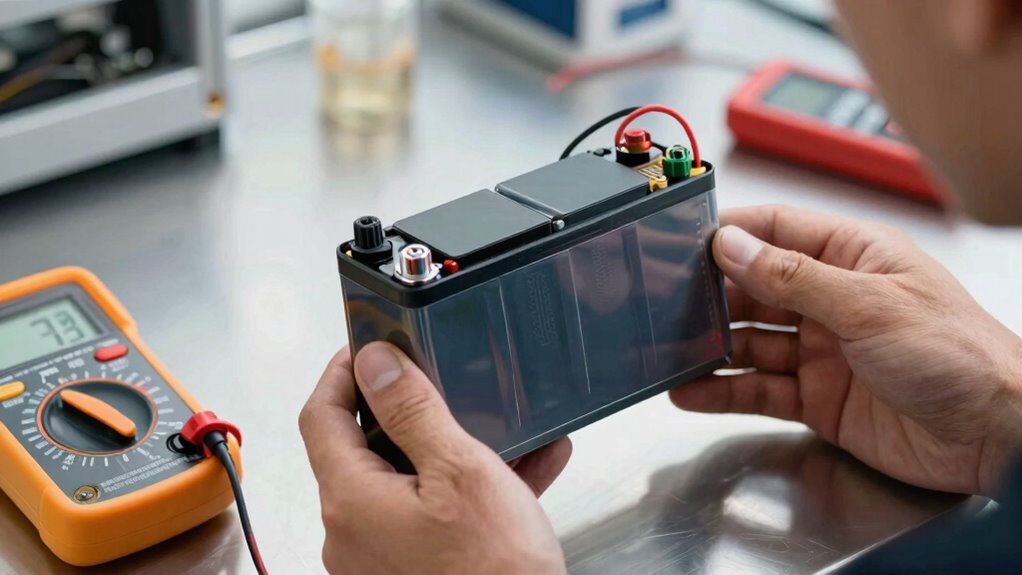

Before you start evaluating battery recovery, remember that short-term voltage or capacity boosts don’t always reflect true health or longevity. It’s common to see temporary improvements after a charge, but these aren’t reliable indicators of long-term performance. Instead, focus on long-term trends and how your battery responds over multiple cycles. By understanding these dynamics, you can set realistic expectations and care routines to extend your battery’s life. Keep exploring to learn more about accurate recovery signs.

Get backup power and energy gear delivered free with Prime
- Fast, free delivery on millions of items
- Prime Video, Amazon Music and more included
- Member-only deals all year
Key Takeaways
- Temporary voltage increases do not necessarily indicate true battery health or full capacity recovery.
- Long-term trends across multiple charge cycles provide a more accurate understanding of battery health.
- Short-term capacity boosts can be false signals; focus on overall capacity decline over time.
- Proper charging habits, such as partial charges, help maintain realistic expectations of recovery.
- Monitoring battery performance regularly helps distinguish between short-term fluctuations and actual recovery progress.
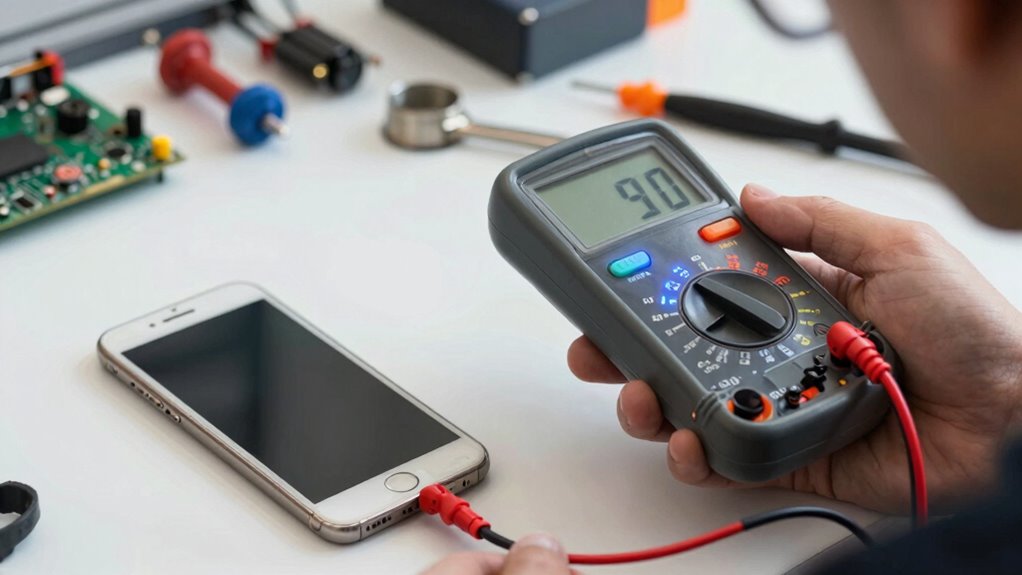
Have you ever wondered what to realistically expect when your battery starts to recover after a charge? Understanding this can help you better manage your device’s performance and prolong its overall lifespan. When your battery begins to regain power, it’s tempting to see this as a sign that everything is back to normal, but in reality, the recovery process is more nuanced. Your battery lifespan, which is the total amount of charge cycles it can handle before noticeably degrading, plays a crucial role here. The way you charge your device significantly influences this lifespan and how your battery behaves during recovery.
Battery recovery is complex; proper charging habits can extend lifespan and improve performance over time.
If you’re diligent about your charging habits, you’ll notice that battery recovery isn’t always linear. For instance, quickly topping off your battery from 20% to 100% might seem efficient, but it can actually stress the battery over time. Frequent, shallow charges tend to be gentler on the battery and help maintain its health longer, leading to a more gradual and predictable recovery process. Conversely, irregular or deep discharges followed by full charges can reduce your battery’s overall lifespan, causing it to recover less effectively and more slowly over time. Additionally, battery health can fluctuate based on usage patterns, making it important to monitor long-term trends rather than short-term gains. Understanding the factors that influence battery performance can help you optimize your charging routine.
When your battery recovers after a charge, it might seem like it’s holding a full charge, but that’s often just a temporary state. Many batteries experience a slight voltage increase and a small boost in capacity, which can give a false impression of full recovery. This is why understanding the difference between a quick recovery and actual battery health is essential. Your device’s battery indicator might show a full charge, but the real capacity could be diminished, especially if your charging habits have not been optimal. Over time, this diminished capacity means your battery won’t last as long between charges, and recovery periods may become shorter or less reliable. Furthermore, battery capacity can fluctuate based on usage patterns, making it important to track long-term trends rather than relying on short-term improvements. To get a more accurate picture of your battery’s health and recovery expectations, pay attention to how your device responds over several charge cycles. Avoid habits like leaving your device plugged in for extended periods or letting it drain completely before recharging. Instead, aim for partial, consistent charges—keeping your battery between 20% and 80%—to preserve its lifespan. Remember, the recovery you see after each charge isn’t just about momentary capacity but also about how well your battery maintains its overall health over time. Battery management practices can significantly influence this process. By understanding these dynamics, you’ll set realistic expectations and take better care of your device’s battery.
smartphone battery health monitor
As an affiliate, we earn on qualifying purchases.
As an affiliate, we earn on qualifying purchases.
Frequently Asked Questions
How Long Does Battery Recovery Typically Take?
Battery recovery usually takes a few days to a week, depending on your usage and charging habits. A battery’s lifespan, measured in charging cycles, influences recovery time—more cycles can shorten lifespan and slow recovery. To optimize, avoid overcharging and let the battery rest after heavy use. Consistent proper care helps your battery regain capacity faster, ensuring it lasts longer and performs reliably over its recovery period.
Can Recovery Improve All Types of Batteries?
Recovery can improve many types of batteries, but not all, like different tools serve different tasks. Battery chemistry plays a key role in how well recovery techniques work. For example, lithium-ion batteries often respond well to proper recovery, while older lead-acid batteries may not benefit as much. You need to understand each battery’s chemistry and use appropriate recovery techniques to maximize the chances of improvement.
What Are Signs of Unsuccessful Battery Recovery?
Signs of unsuccessful battery recovery include persistent poor performance, rapid capacity loss, and inconsistent charging despite applying recovery methods. You might notice the battery still heats up or drains quickly, indicating the battery chemistry hasn’t been restored effectively. If recovery methods don’t improve these issues over multiple attempts, it suggests the battery’s chemistry is too degraded for successful recovery, and replacement may be necessary.
Are There Risks Involved in Attempting Recovery?
Yes, attempting battery recovery involves risks. You should follow safety precautions, like wearing gloves and eye protection, to avoid chemical hazards from leaking or ruptured batteries. Handling batteries improperly can cause fires, chemical burns, or explosions. Make certain you work in a well-ventilated area, stay cautious, and understand the risks involved. If unsure, consulting a professional is the safest way to prevent accidents and ensure proper recovery procedures.
How Often Should I Perform Battery Recovery?
You should perform battery recovery every 3 to 6 months, especially if your device’s battery chemistry shows signs of aging, like reduced capacity. Regular recovery helps maintain ideal performance. Use specialized recovery tools designed for your battery type to avoid damage. This routine ensures your battery stays healthy longer, preventing early replacements and maximizing efficiency. Remember, consistent care can greatly extend your device’s lifespan.
Conclusion
Now that you know what to expect from battery recovery, the real question is—are you prepared for what comes next? Will your efforts pay off, or will unforeseen challenges catch you off guard? The journey to restoring your battery’s health isn’t always straightforward, but understanding the process is your first step. Stay vigilant, keep learning, and don’t be surprised if the results surprise you—sometimes, the biggest breakthroughs come when you least expect them.
Fall Picks
fall essentials
As an affiliate, we earn on qualifying purchases.