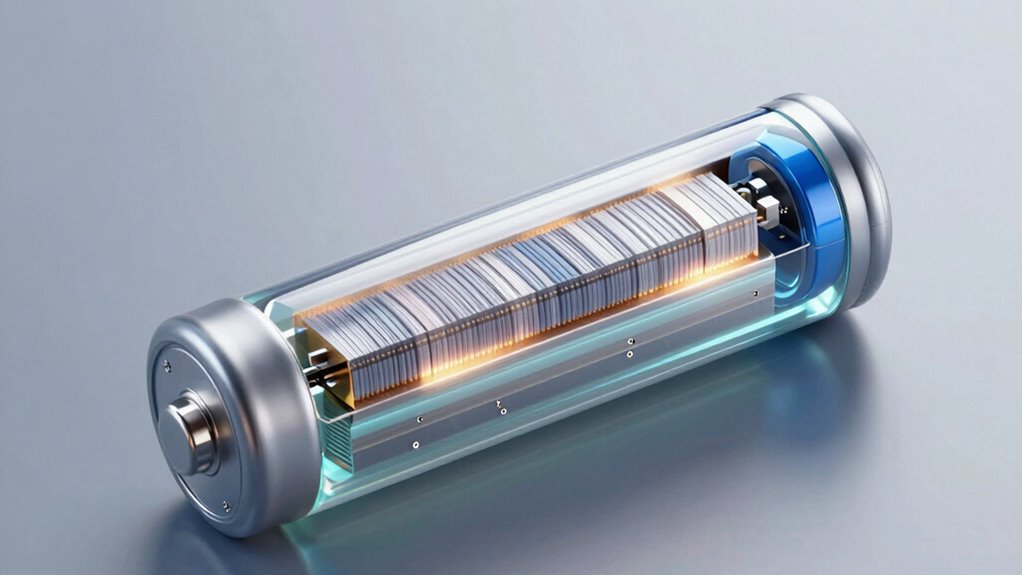

Equalization isn’t just about giving your batteries a longer charge; it’s a precise process that actively balances individual cells to prevent uneven wear and capacity loss. By overcharging in a controlled way, it helps keep each cell within safe voltage limits, boosts overall performance, and extends battery life. Skipping this step can lead to internal resistance buildup, safety hazards, and premature failure. Want to find out how proper equalization can protect your energy system? Keep exploring for more insights.
Key Takeaways
- Equalization involves controlled overcharging to balance cells, unlike a simple longer charge that may cause overvoltage and damage.
- It actively corrects cell imbalances, whereas a longer charge does not address underlying capacity discrepancies.
- Proper equalization enhances battery lifespan and safety, which mere extended charging cannot achieve.
- Equalization manages voltage levels carefully, preventing unsafe overvoltage conditions that longer charges might cause.
- It is a regular maintenance process focused on health and performance, not just increasing charge duration.
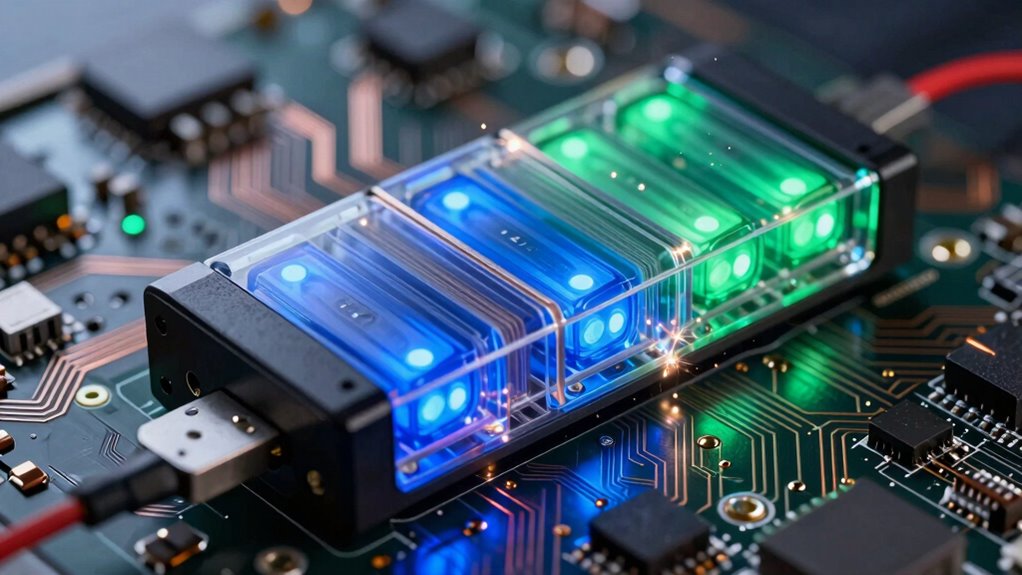
Equalization isn’t just about extending your battery’s lifespan; it’s an essential process that guarantees your energy system operates safely and efficiently. When you perform equalization, you’re not simply giving your battery a longer charge; you’re actively engaged in fundamental battery maintenance that prevents issues before they arise. Over time, individual cells in a battery can develop uneven charge levels, leading to imbalanced voltage across the system. Without proper equalization, some cells might become overcharged while others remain undercharged, which can diminish overall performance, cause premature failure, or even pose safety risks. That’s why voltage balancing is such a pivotal aspect of this process — it ensures each cell operates at its ideal voltage, preventing disparities that compromise the battery’s health.
You might think that equalization is just a longer or more intense charging cycle, but it’s far more strategic. During equalization, you intentionally apply a controlled overcharge to the entire battery bank. This process forces weaker cells to catch up with stronger ones, bringing the voltage levels into harmony. Think of it like tuning a musical instrument: each string must be adjusted to produce the right pitch, or the whole performance suffers. Similarly, equalization adjusts the voltage levels across cells, maintaining a balanced state that maximizes capacity and longevity. Proper battery maintenance through regular equalization can help you avoid costly replacements and keep your system running smoothly for years.
Equalization balances cell voltages, ensuring optimal battery performance and longevity through controlled overcharging.
It’s important to understand that equalization isn’t a one-time fix; it’s an ongoing part of responsible battery management. Depending on your battery type and usage, you might need to perform this process periodically. Skipping it can lead to reduced capacity, increased internal resistance, and uneven wear. When you take the time to regularly equalize, you’re actively managing the health of your energy storage system. This proactive approach ensures that each cell remains within safe voltage limits, preventing dangerous overvoltage situations that could damage the battery or cause safety hazards. Additionally, voltage balancing is crucial in preventing internal resistance buildup and ensuring consistent energy delivery.
In essence, equalization isn’t just about a longer charge — it’s about maintaining a balanced, safe, and efficient energy system. By incorporating proper battery maintenance routines focused on voltage balancing, you’re safeguarding your investment and ensuring reliable performance. This process helps you get the most out of your batteries, avoiding the pitfalls of neglect and extending their effective working life. So, don’t view equalization as just a longer charge; see it as a necessary step in responsible energy management that keeps your battery system healthy and functioning effectively.

BLAVOR Solar Power Bank 20000mAh Built-in Cables, Wireless Charger for Phones & Apple Watch, 20W Fast Charging Battery Pack with USB C, Flashlight, Solar Charger for iPhone, iPad, iWatch, Samsung
- Simultaneously Charge 6 Devices: Multiple cables and ports for 6 devices
- High Capacity & Fast Charging: 20000mAh battery with 20W USB-C fast charge
- Wireless Charging & Built-in Cables: Wireless charger for phones and Apple Watch
As an affiliate, we earn on qualifying purchases.
Frequently Asked Questions
How Does Equalization Affect Battery Lifespan?
Equalization can extend your battery’s lifespan by balancing cell voltage, but improper equalization may harm your battery chemistry. When you follow correct maintenance practices, it prevents overcharging and reduces sulfation, which can degrade the cells over time. Regular, controlled equalization keeps your battery healthy and efficient, ensuring it lasts longer. Always monitor voltage and temperature during equalization to protect your battery’s overall lifespan and performance.
Can Equalization Damage My Battery?
Yes, improper equalization can damage your battery. If you overdo it, you risk disrupting the electrolyte balance, causing excessive heat or gassing that can harm internal components. Think of equalization as a delicate battery calibration; too much or too little can throw off performance. Always follow manufacturer guidelines to guarantee your battery maintains ideal electrolyte balance without risking damage. Proper equalization prolongs life, but misuse can be destructive.
Is Equalization Necessary for All Battery Types?
You might wonder if equalization is necessary for all battery types. It’s crucial mainly for lead-acid batteries, as it balances cell voltage and prevents sulfation, a key maintenance procedure. However, for lithium-ion or other chemistries, equalization isn’t required and can even harm the battery. Always check your battery’s chemistry and follow specific maintenance procedures recommended by the manufacturer to guarantee ideal performance and longevity.
How Often Should I Perform Equalization?
You should perform equalization about once every 20 to 30 charging cycles. This helps maintain electrolyte balance, preventing stratification and sulfation. An interesting statistic shows that batteries with balanced electrolytes last 25% longer. Regular equalization isn’t just a longer charge, but a vital step to guarantee consistent performance and longevity. Keep an eye on your battery’s behavior and adjust the frequency accordingly for ideal results.
What Are the Signs My Battery Needs Equalization?
If your battery shows reduced capacity, frequent water loss, or uneven electrolyte levels, it’s time for an equalization. You’ll notice increased gassing, corrosion, or inconsistent performance, indicating your battery’s electrolyte balance is off. Regular battery maintenance helps restore this balance, preventing damage. Don’t ignore these signs; equalization guarantees your battery stays healthy and performs at its best, extending its lifespan and avoiding costly replacements.
Conclusion
Remember, equalization isn’t simply a matter of extending your charge; it’s a nuanced process that guarantees your battery stays healthier longer. Ignoring its subtle complexities might seem harmless, but over time, it can lead to unseen issues. Think of equalization as a gentle tune-up—helping your battery perform at its best without forcing it beyond its natural limits. Pay attention to these quiet adjustments, and you’ll keep your system running smoothly, quietly reaping the benefits of well-maintained energy.