

Rechargeable batteries usually last between 2 to 7 years, depending on their type and how you use them. For instance, NiMH and lithium-ion batteries typically last 2 to 3 years. You can extend their lifespan by keeping them at room temperature and avoiding extreme heat. Make sure to recharge lithium-ion batteries when they hit around 20% and unplug them once fully charged to prevent overcharging. Don't let them sit unused for too long, as that can cause capacity loss. There's a lot more to know about optimizing battery life, so stick around for more helpful tips!
Key Takeaways
- Rechargeable batteries typically last 2 to 7 years, depending on type and usage; NiMH and lithium-ion last around 2 to 3 years.
- To extend battery life, recharge lithium-ion batteries at around 20% state-of-charge and avoid full discharges.
- Store batteries in a cool, dry place at room temperature, ideally around 40% state-of-charge, to prevent capacity loss.
- Use manufacturer-recommended chargers to avoid overcharging, and unplug devices once fully charged.
- Regularly check and recharge stored batteries, as prolonged inactivity can lead to irreversible capacity loss.
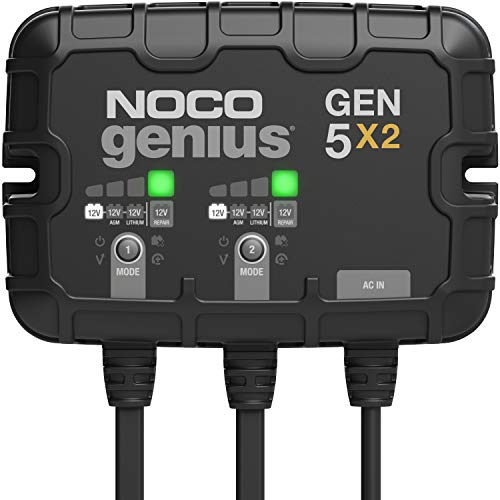
NOCO Genius GEN5X2: 2-Bank, 10A Onboard Battery Charger - 5A Per Bank, 12V Waterproof Marine Charger with Overcharge Protection & Temperature Compensation – for Lead-Acid & Lithium Batteries
- Compact and Powerful: 37% smaller, 43% more powerful than GENM2
- Dual Bank Charging: 10A total, 5A per bank
- Versatile Charging Modes: 12V, AGM, Lithium, Repair modes
As an affiliate, we earn on qualifying purchases.
Lifespan of Rechargeable Batteries
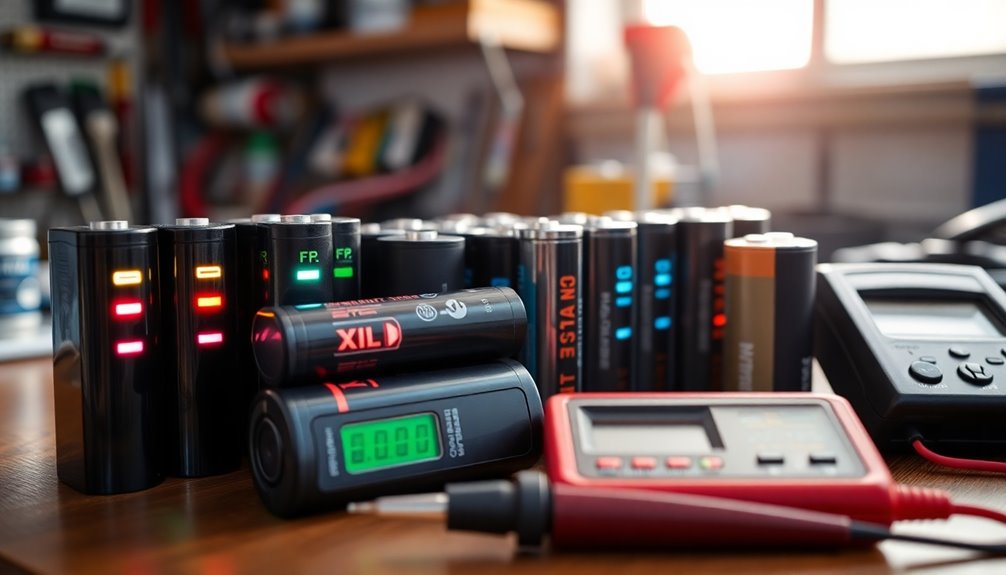
When you rely on rechargeable batteries, it's important to know their lifespan can vary considerably. The average lifespan of rechargeable batteries ranges from 2 to 7 years, depending on battery types and usage.
For instance, Nickel Metal Hydride (NiMH) batteries typically last around 2 to 3 years, while Lithium-ion batteries can also last 2 to 3 years but may suffer capacity loss if overcharged.
Most batteries endure between 500 to 1500 charging and discharging cycles. To extend battery life, practice proper care by avoiding extreme temperatures and not allowing them to fully discharge often.
Signs you need a replacement include decreased charge retention and unexpected shutdowns, so keep an eye on your devices to guarantee peak performance.
Factors Affecting Battery Longevity
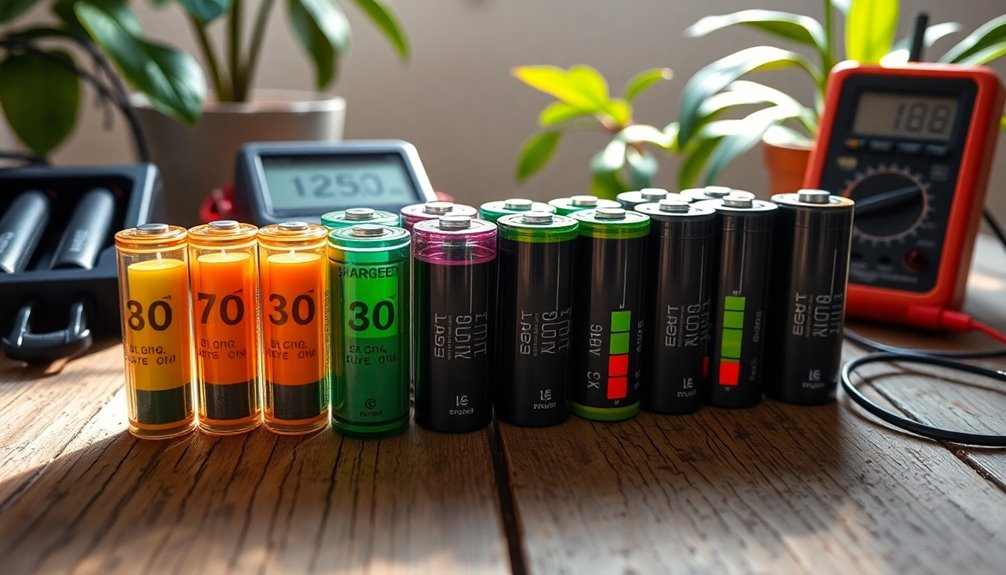
Several factors influence the longevity of rechargeable batteries, and understanding them can help you maximize their performance.
Here are the key elements to take into account:
- Quality: Higher quality rechargeable batteries generally last longer and perform better.
- Charge Cycles: Most batteries handle 500 to 1500 charge cycles, impacting their life considerably.
- Temperature: High temperatures accelerate degradation, so store your batteries in a cool, dry place.
- Overcharging: Avoid overcharging your batteries, as this can lead to reduced capacity and lifespan.
Tips for Extending Battery Life
To get the most out of your rechargeable batteries, implementing a few simple practices can greatly extend their lifespan.
Start by maintaining your batteries at room temperature, as extreme temperatures can degrade performance. Recharge your Lithium-ion batteries when they reach around 20% state-of-charge, avoiding full discharges that stress the battery.
Overcharging can also harm your battery, so unplug devices once they're fully charged. When you need to store batteries, keep them in a cool, dry place away from direct sunlight and moisture to prevent damage.
Finally, invest in high-quality rechargeable batteries and always follow manufacturer guidelines to maximize their performance and longevity.
These tips can help you enjoy longer-lasting power for your devices!
Charging and Storage Best Practices

Proper charging and storage practices are essential for maximizing the lifespan of your rechargeable batteries.
To guarantee you prolong the life of your rechargeable batteries, follow these best practices:
- Always use the manufacturer-recommended charger for your new rechargeable batteries to prevent overcharging.
- Store your batteries in a cool, dry place at room temperature, ideally at around 40% state-of-charge.
- Avoid leaving batteries in chargers for extended periods, especially if they're not in use.
- Regularly check your stored batteries and recharge them if they show signs of depletion, as prolonged inactivity can lead to irreversible capacity loss.
Understanding Battery Life Ratings
When you look at rechargeable batteries, understanding their life ratings is essential for your purchasing decisions.
Each battery has a cycle count that indicates how many times it can be charged and discharged, and this varies by type.
Taking proper care of your batteries can greatly extend their lifespan, making it an important factor to take into account.
Battery Cycle Explained
Understanding battery cycles is essential for maximizing the lifespan of your rechargeable batteries. A battery cycle represents one complete charge and discharge, typically lasting between 500 to 1500 cycles.
Here's how you can extend the life of rechargeable batteries:
- Keep batteries fully charged to prevent deep discharges.
- Limit the amount of power drained before recharging.
- Choose quality NiMH batteries for a longer cycle life of about 500 to 1000 cycles.
- Practice efficient charging habits to enhance performance.
Lifespan by Battery Type
Different types of rechargeable batteries come with varying lifespans, which can greatly affect how long they last in your devices.
Nickel Metal Hydride (NiMH) batteries typically last around 2-3 years when maintained correctly, while lithium-ion batteries, commonly used in smartphones and laptops, also offer a lifespan of 2-3 years but can suffer from overcharging.
Nickel Cadmium (NiCd) batteries generally last 1-2 years due to the memory effect.
The average lifespan of rechargeable batteries can range from 2 to 7 years, influenced by usage frequency and battery quality.
Most rechargeable batteries endure between 500 to 1500 charging cycles before performance degrades.
Understanding these aspects will help you choose the right battery and extend battery life effectively.
Importance of Proper Care
Proper care is essential to maximizing the lifespan of your rechargeable batteries. By understanding battery life ratings and implementing a few simple practices, you can greatly extend battery life.
Here are some tips to help you:
- Avoid overcharging your batteries; this can lead to premature degradation.
- Maintain ideal storage conditions—keep batteries cool and dry to guarantee cycle longevity.
- Follow manufacturer guidelines for charging and usage to enhance performance and safety.
- Monitor for signs of wear, such as reduced charge retention, to know when it's time for a replacement.
Future Trends in Battery Technology

As technology evolves, the future of rechargeable batteries looks promising, with innovations that could transform how we use and rely on these power sources. Lithium-sulfur batteries offer up to five times the energy density of traditional lithium-ion, extending your device's usage considerably. Solid-state batteries enhance safety and energy capacity, promising faster charging and longer lifespans. With ongoing research, we're looking at batteries capable of 1,500 charge cycles or more, tackling safety concerns while minimizing risks like overheating. Additionally, smart batteries that adjust charging based on conditions will optimize performance and extend lifespan.
| Battery Type | Benefits |
|---|---|
| Lithium-Sulfur | Higher energy density |
| Solid-State | Enhanced safety and capacity |
| Rechargeable | Long-lasting and efficient |
| Smart Batteries | Performance optimization |
| Charge Cycles | Up to 1,500 or more |
Frequently Asked Questions
How Can I Prolong My Rechargeable Battery Life?
To prolong your rechargeable battery life, keep it charged between 20% and 80% instead of letting it fully discharge or sit at 100%.
Regularly using and recharging your batteries helps too.
Store them in a cool, dry place away from sunlight, and unplug chargers once they're fully charged to avoid overcharging.
Use the manufacturer's recommended charger, and keep your batteries at room temperature to prevent capacity loss from extreme temperatures.
What Is the Life Expectancy of a Rechargeable Battery?
The life expectancy of a rechargeable battery varies based on its type and usage.
Typically, you can expect Nickel Cadmium (NiCd) batteries to last about 1-2 years, while Nickel Metal Hydride (NiMH) batteries range from 2-3 years.
Lithium-ion batteries generally last between 2-3 years as well.
Frequent usage and overcharging can shorten their lifespan, so keep an eye out for signs like reduced charge retention, which indicates it might be time for a replacement.
Why Do Rechargeable Batteries Wear Out so Fast?
Rechargeable batteries are like marathon runners, tirelessly racing through countless charge cycles, but they can wear out quickly.
High temperatures, overcharging, and heavy usage put them through the wringer, leading to faster wear and tear.
It's not just about usage; poor storage conditions can also deal a blow to their lifespan.
To keep your batteries in top shape, you need to treat them with care, avoiding extremes and excessive charging.
How Do You Keep a Rechargeable Battery Healthy?
To keep your rechargeable battery healthy, store it at room temperature and recharge it when it drops to around 20%.
Avoid letting it sit at 100% for too long, and make sure to use it regularly to prevent self-discharge.
Store batteries in a cool, dry place, and remove them from devices you're not using for a while.
Always follow the manufacturer's charging guidelines to avoid fast charging, which can damage the battery.
Conclusion
Just like a garden thrives with care, your rechargeable batteries flourish with attention. By understanding their lifespan and the factors that impact longevity, you can nurture them to last longer. Treat them to proper charging and storage, and you'll reap the rewards of their extended life. As technology marches forward, think of your batteries as resilient saplings, adapting and growing stronger with each season. Cultivate this knowledge, and watch your power sources bloom!