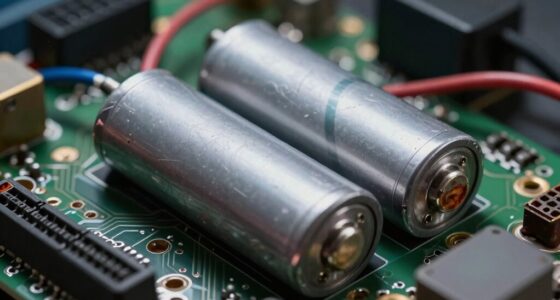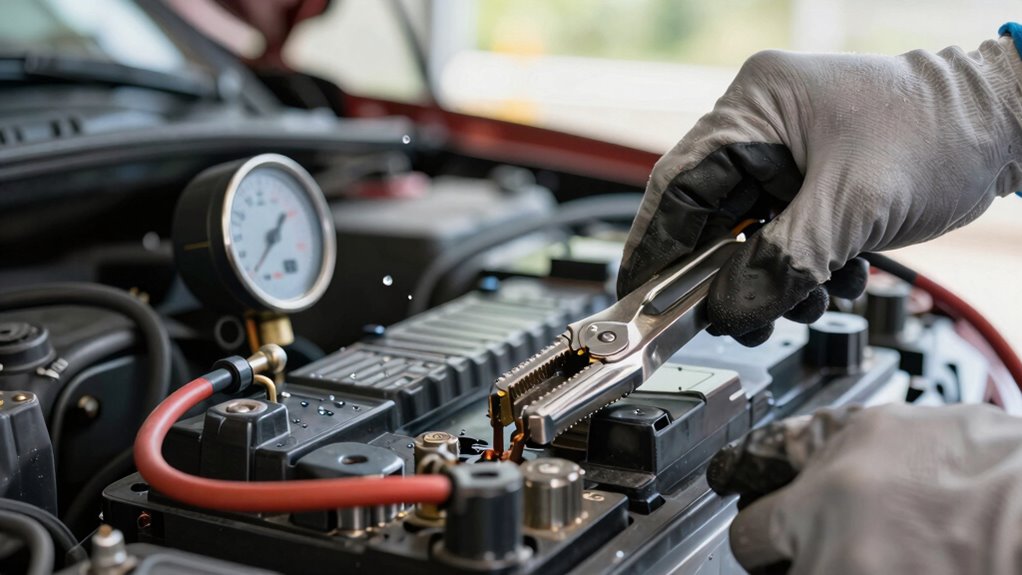

You should start maintaining your battery before problems show up to prevent unexpected failures and save money. Regular checks and proper care help you spot early signs of issues, like temperature changes or voltage drops, which could lead to bigger problems if overlooked. Following recommended charging habits and keeping connections clean extend your battery’s life. Staying proactive now ensures reliable performance later, and if you keep going, you’ll discover more ways to keep your battery in top shape.

Get backup power and energy gear delivered free with Prime
- Fast, free delivery on millions of items
- Prime Video, Amazon Music and more included
- Member-only deals all year
Key Takeaways
- Early maintenance prevents unexpected failures and costly replacements by addressing issues before they escalate.
- Regular checks and proper care extend battery lifespan and ensure reliable performance over time.
- Preventative habits protect against damage from deep discharges, overcharging, and corrosion.
- Monitoring battery health early helps identify problems before they cause device failure.
- Proactive maintenance promotes sustainable usage and reduces long-term operational costs.
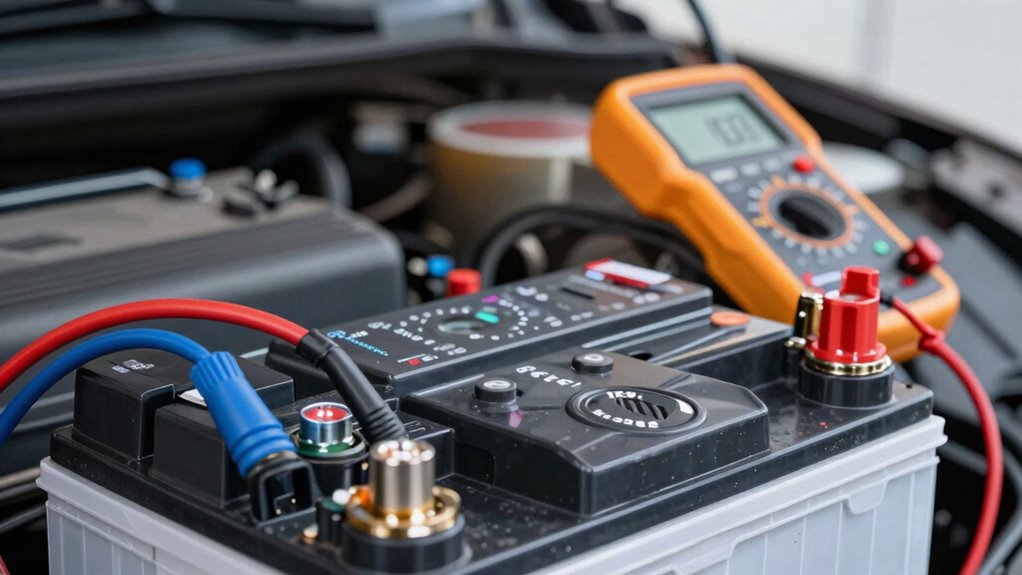
A healthy battery doesn’t just happen; it’s the result of proactive maintenance before issues become obvious. You might not notice it daily, but the way you care for your battery directly impacts its lifespan. Proper maintenance isn’t about waiting for the warning signs to appear—it’s about understanding how your charging habits and routine checks can extend your battery’s life and keep it functioning smoothly. When you pay attention early on, you avoid unexpected failures that could leave you stranded or facing costly replacements. Recognizing the importance of battery chemistry can help you better understand how to care for your device’s power source from the start.
Your charging habits play a critical role in maintaining a healthy battery. Fast or irregular charging can cause stress on the cells, reducing overall capacity over time. It’s best to stick with manufacturer-recommended charging practices, avoiding frequent deep discharges or overcharging, which can accelerate battery deterioration. Charging slowly and consistently, especially when your battery is low, helps preserve its chemistry and prolongs its lifespan. Using the right charger and avoiding cheap, incompatible options can also prevent unnecessary wear. Think of your battery as a delicate component that responds better to gentle, steady care rather than aggressive, aggressive charging sessions.
Follow manufacturer guidelines, charge steadily, and avoid cheap chargers to keep your battery healthy and long-lasting.
In addition to mindful charging, regular checks can make a big difference. Keep an eye on the battery’s health indicators, like voltage levels or temperature. If you notice it’s running hotter than usual or losing charge faster, it’s a sign you should intervene before a complete failure occurs. A monitoring system can help you identify early signs of deterioration, allowing you to take action proactively rather than reactively. Maintaining clean terminals and ensuring connections are secure—corrosion or loose cables can silently sap power and cause unexpected problems. Regularly inspecting and cleaning these components can prevent issues before they develop into major failures. Proper corrosion prevention techniques can further extend your battery’s life and performance.
Taking small, consistent steps today can greatly enhance your battery’s longevity. Avoid leaving your device or vehicle unused for long periods, as batteries tend to deteriorate faster without regular use and charging. If you plan to store your device or vehicle for an extended time, consider removing the battery or using a storage charger to keep it in good condition. By managing these factors early on, you’re actively preventing issues before they escalate, saving you money and hassle later. Remember, a proactive approach isn’t just about fixing problems—it’s about creating habits that support your battery’s health over the long haul. Prioritize proper charging habits and routine maintenance, and your battery will thank you with a longer, more reliable service life.
As an affiliate, we earn on qualifying purchases.
Frequently Asked Questions
How Often Should I Check My Battery’s Health?
You should check your battery’s health at least once every three to six months, especially before extreme weather changes. Regular inspections help you spot issues early, ensuring battery safety and prolonging its life. When you check, consider proper battery recycling practices for old batteries, and avoid neglecting signs of wear. Staying proactive keeps your vehicle safe, efficient, and prevents costly repairs down the line.
What Are Early Signs of Battery Deterioration?
You might notice early signs of battery deterioration like corrosion on the terminals or difficulty starting your vehicle. Pay attention to these signs, as they indicate your battery’s health is declining. Poor charging habits can accelerate this process. Regularly inspecting for corrosion and maintaining good charging habits help prevent major issues, ensuring your battery stays reliable longer. Catching these signs early means you can address problems before they lead to a complete battery failure.
Can Temperature Affect My Battery’s Lifespan?
Think of your battery as a delicate plant needing proper care. Extreme temperatures can damage it, shortening its lifespan. When you maintain thermal regulation and guarantee effective cooling systems, you shield your battery from heat and cold stress. By doing so, you prevent deterioration and keep it performing at its best longer. Regular checks and adjustments act like watering and pruning, making sure your battery stays healthy and ready for the journey ahead.
Is DIY Battery Maintenance Effective?
DIY battery maintenance can be effective if you follow proper charging techniques and understand when to recycle your battery. Regularly cleaning terminals, checking voltage, and ensuring correct charging methods help extend your battery’s life. When it’s no longer usable, recycling it responsibly prevents environmental harm. While DIY efforts work well for minor upkeep, consult professionals for complex issues, ensuring peak performance and safety.
When Should I Replace My Car Battery?
You should replace your car battery when you notice signs like frequent starting issues, slow engine turnover, or corrosion around the terminals. Poor charging habits and battery corrosion accelerate wear, making replacement necessary sooner. Regularly check for corrosion and keep terminals clean to extend your battery’s life. If your battery is over three to five years old and showing these signs, it’s time to replace it to avoid unexpected breakdowns.
Conclusion
If you think neglecting your battery won’t come back to haunt you, think again. The moment you ignore those small signs, you’re risking a surprise breakdown when you least expect it. Stay ahead by maintaining your battery now—because the real trouble begins when problems suddenly appear, catching you off guard. Keep a close eye, and you might just avoid the chaos altogether. Ready to take charge before it’s too late? The choice is yours.
Halloween Picks
halloween
As an affiliate, we earn on qualifying purchases.