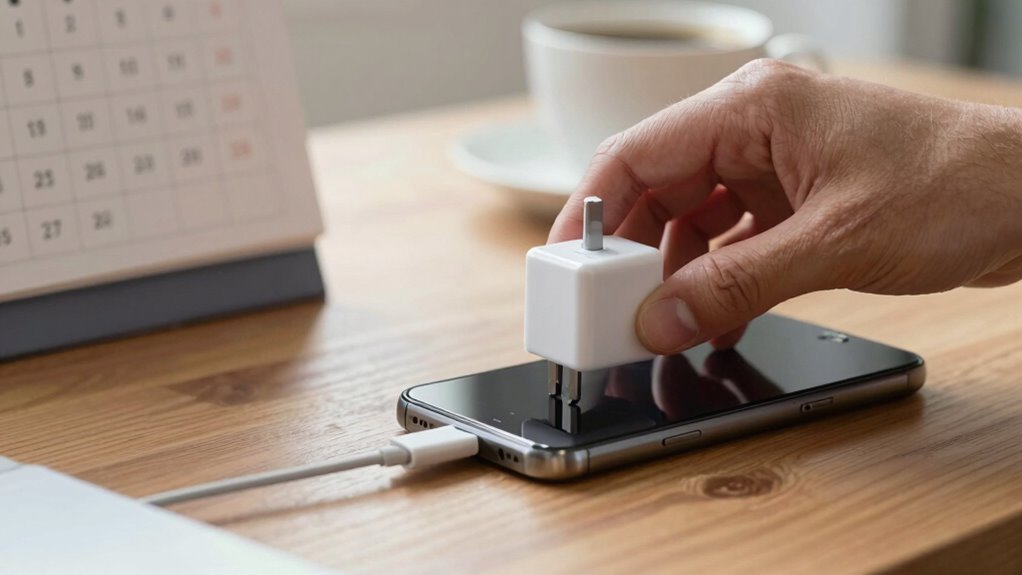

By practicing small habits like keeping your battery between 20% and 80%, avoiding extreme temperatures, and using the right chargers, you can greatly extend your device’s lifespan. Regularly checking for signs of wear and storing batteries properly also make a difference. These simple actions prevent deterioration and reduce the need for replacements. If you follow these habits consistently, you’ll see your device stay healthier longer and save money over time. Keep exploring to learn more effective tips.

Get backup power and energy gear delivered free with Prime
- Fast, free delivery on millions of items
- Prime Video, Amazon Music and more included
- Member-only deals all year
Key Takeaways
- Consistently keeping batteries clean and dry prevents corrosion and maintains performance over time.
- Avoiding extreme temperatures during use and storage protects internal battery chemistry.
- Maintaining charge levels between 20% and 80% reduces stress and extends battery lifespan.
- Regularly calibrating the battery by full charges helps keep indicator accuracy and health.
- Proper storage in cool, dry environments prevents deterioration during long-term inactivity.

Taking small steps to care for your batteries can markedly extend their lifespan. It might seem like minor actions don’t make much difference, but over time, they add up to significant improvements. The foundation of good battery health starts with simple practices like proper maintenance and disciplined charging routines. When you pay attention to these areas, you help prevent issues like capacity loss, overheating, and early failure, saving you money and hassle in the long run.
Battery maintenance is more than just plugging in your device and hoping it lasts. It involves regular checks and mindful handling. For instance, keeping your batteries clean and free from dirt prevents corrosion, which can hinder performance. Additionally, avoiding extreme temperatures—both hot and cold—protects the internal chemistry of the battery. You should also be aware of signs that your battery may be deteriorating, such as reduced charge holding capacity or inconsistent power delivery. Catching these early allows you to take steps to optimize or replace the battery before it causes bigger problems.
Charging routines play an *essential* role in maintaining battery longevity. Instead of letting your device drain completely before recharging, try to keep the battery level between 20% and 80%. This habit minimizes stress on the battery’s cells and reduces the risk of deep discharges, which can accelerate wear. When you do charge, avoid constantly plugging in and unplugging your device, as frequent partial charges can sometimes strain the battery. Instead, let it reach a full charge occasionally, especially if your device’s manufacturer recommends it, to recalibrate the battery indicator and maintain accuracy. Monitoring your battery health regularly can also help you identify early signs of deterioration, allowing you to take proactive measures.
Another key aspect of smart charging is avoiding high heat during the process. Remove your device from chargers once it hits 100%, and don’t leave it plugged in overnight. Modern devices often have built-in protections, but overheating during charging still accelerates battery deterioration. Using the right charger—preferably the one provided by the manufacturer—ensures compatibility and safe charging. Over time, these small, consistent habits help your battery maintain its capacity and efficiency. Being aware of temperature impacts and monitoring your environment can help you create optimal charging and storage conditions. Additionally, storing batteries at moderate charge levels when not in use can further support battery longevity and overall health. Keeping your device in a cool, dry place when not in use further supports battery longevity and overall health.
smartphone battery health monitor
As an affiliate, we earn on qualifying purchases.
As an affiliate, we earn on qualifying purchases.
Frequently Asked Questions
Do Battery Habits Vary Between Different Device Types?
Yes, your battery habits do vary between device types because of differences in device compatibility and battery technology. For example, smartphones often need regular battery calibration to maintain accuracy, while laptops may require different charging routines. Always check your device’s manual for specific care tips, and adapt your habits accordingly to maximize lifespan. Properly managing charging and discharging helps guarantee your device’s battery remains healthy longer.
How Quickly Can Small Habits Improve Battery Lifespan?
You can see improvements in battery lifespan within weeks by practicing small habits like proper battery calibration and managing charging cycles. When you regularly calibrate your battery, it helps the device accurately report its charge, preventing overcharging. Limiting charging cycles by unplugging at 80% or 20% extends battery health. These simple actions, combined, quickly enhance your battery’s longevity, saving you from early replacements and keeping your device running smoothly longer.
Are There Any Habits That Could Unintentionally Harm the Battery?
Yes, certain habits can unintentionally harm your battery. Avoid falling for charging myths, like always fully discharging your device before recharging, which can wear out the battery faster. Also, steer clear of storage mistakes such as leaving your device fully charged or completely drained for long periods. Maintaining ideal charge levels and storing your battery in a cool, dry place helps preserve its lifespan and keeps it healthier longer.
What’s the Best Way to Track Battery Health Over Time?
To track your battery health effectively, monitor key indicators like battery calibration and charging cycles regularly. Use built-in tools or apps that log your charging habits and report capacity loss over time. Keep an eye on how often you fully charge and discharge your device, as these factors influence battery calibration and lifespan. By consistently checking these metrics, you gain insights into your battery’s condition and can take proactive steps to extend its life.
Do Seasonal Changes Affect Battery Maintenance Routines?
Yes, seasonal impact influences your battery maintenance routines. During colder months, you should check your battery more frequently because low temperatures can reduce its efficiency and cause it to drain faster. In warmer seasons, keep an eye on overheating and make sure your battery stays clean and dry. Adjust your maintenance routine accordingly by monitoring voltage levels and cleaning terminals regularly, helping your battery last longer throughout the year.
Conclusion
By adopting small battery habits, you can considerably extend your device’s lifespan. Did you know that regularly unplugging your device before 80% charge can boost battery health by up to 20% over a year? These tiny changes—like avoiding extreme temperatures and using the right charger—add up over time. So, take charge of your habits today; your battery—and your wallet—will thank you with longer-lasting performance.
Halloween Picks
halloween
As an affiliate, we earn on qualifying purchases.