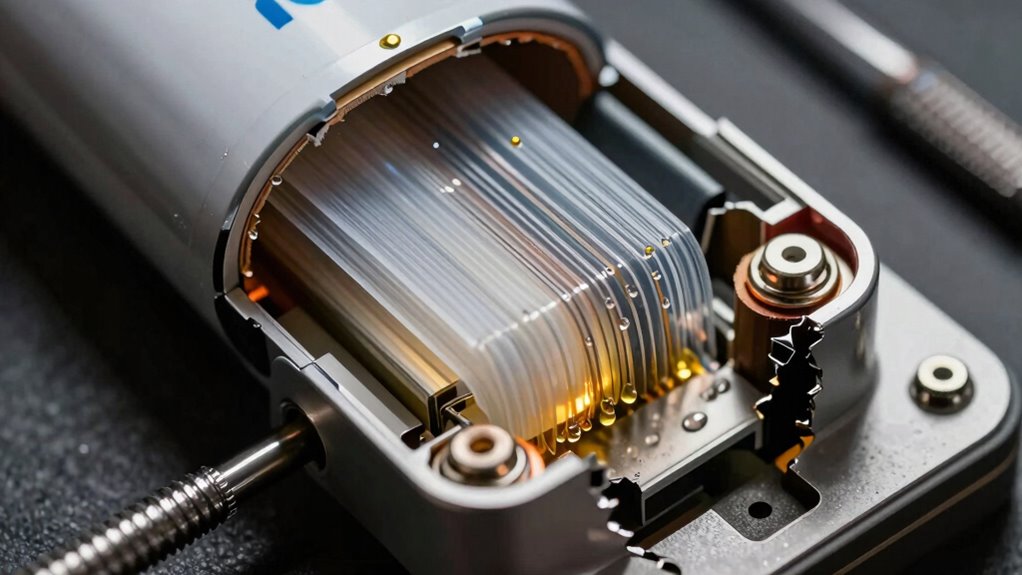

Scaling battery disassembly is hard because the process involves complex internal structures and fragile components, which require specialized tools and skilled workers. Safety risks from flammable chemicals and hazardous materials demand strict protocols that slow down operations. The diversity of battery designs adds to the complexity, making standardization difficult. Handling damaged batteries increases risks even more. If you want to understand how these challenges can be managed, there’s more to explore.

Get backup power and energy gear delivered free with Prime
- Fast, free delivery on millions of items
- Prime Video, Amazon Music and more included
- Member-only deals all year
Key Takeaways
- Complex internal structures and multiple layers complicate standardization and automation of disassembly processes.
- Variability in battery designs requires adaptable methods, hindering large-scale uniform procedures.
- Safety protocols and protective measures increase operational costs and slow down throughput.
- Difficulties in efficiently separating valuable materials reduce processing speed and scalability.
- Need for skilled labor and specialized equipment limits automation and large-scale implementation.
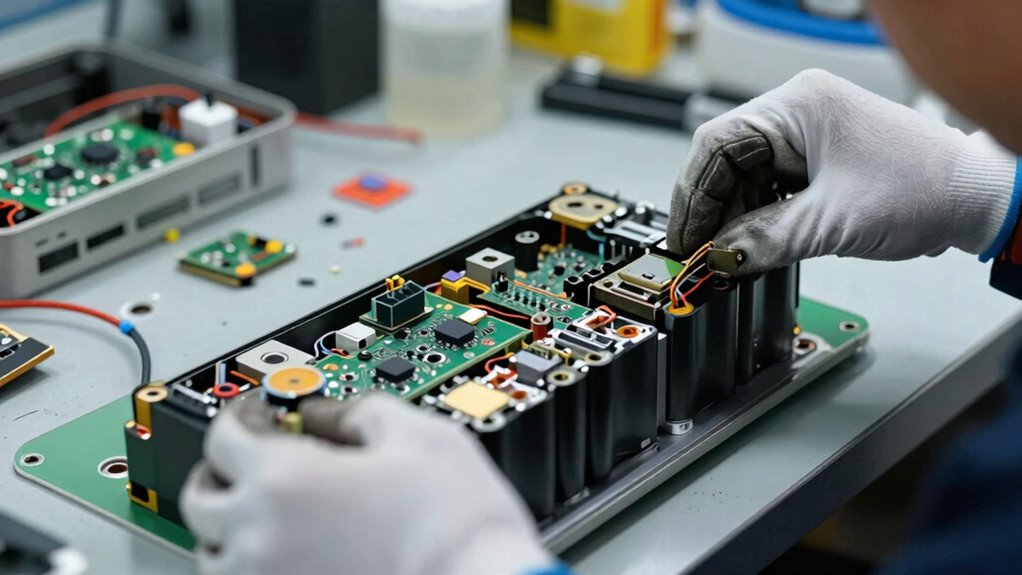
Disassembling batteries presents significant challenges due to their complex design and safety risks. These devices are engineered with multiple layers, intricate components, and specialized materials, making the process far from straightforward. When you attempt to disassemble a battery, you have to navigate through various layers of separators, electrodes, and casings that are often tightly sealed and designed to withstand wear. This complexity complicates material recycling efforts because each component requires careful handling to separate the valuable materials like lithium, cobalt, or nickel without contamination. The goal of material recycling is to recover these materials efficiently, but the intricate construction of batteries hampers large-scale processing, raising costs and limiting throughput. Battery architecture plays a crucial role in these disassembly challenges, as complex internal structures make separation more difficult. Additionally, the design complexity of batteries can vary widely, requiring adaptable disassembly methods to handle different models effectively.
Safety protocols are absolutely critical when you work with batteries, especially large lithium-ion types. The risk of fire, explosion, or chemical leaks is real and significant. Batteries contain flammable electrolytes and potentially hazardous chemicals that can ignite if punctured, overcharged, or improperly handled. Implementing extensive safety protocols is essential to protect workers and prevent environmental contamination. This means using specialized tools, protective gear, and controlled environments to minimize risks. Handling damaged or degraded batteries adds another layer of complexity because they are more likely to leak or catch fire, requiring even more stringent safety measures. These protocols can slow down disassembly processes and increase operational costs, making scaling difficult. Additionally, the complex internal structures of batteries demand highly skilled labor, which further complicates scaling efforts. Proper training and experience are vital to ensure safety and efficiency during disassembly, especially with the increasing variety of battery designs.
As an affiliate, we earn on qualifying purchases.
Frequently Asked Questions
What Materials Are Most Commonly Recovered From Disassembled Batteries?
When you disassemble batteries, you most commonly recover materials like lithium, cobalt, nickel, and copper. These materials are valuable for reuse in new batteries or other products, making material recovery crucial for sustainable battery disposal. Recovering these materials involves complex processes due to safety concerns and contamination risks, which is why scaling battery disassembly remains challenging. Proper disassembly ensures you efficiently salvage these critical components while minimizing environmental impact.
How Does Battery Chemistry Affect Disassembly Difficulty?
Battery chemistry directly impacts disassembly difficulty through its influence on battery composition and chemical stability. You find that chemistries like lithium-ion with complex, delicate materials are harder to disassemble than simpler types. The more chemically stable a battery’s materials are, the more challenging it becomes to safely and efficiently break it down. This complexity increases safety risks and technical hurdles, making scaling disassembly a demanding process regardless of advancements.
Are There Legal Restrictions on Battery Disassembly Methods?
Yes, there are legal restrictions on battery disassembly methods. You’ll face regulatory hurdles designed to guarantee safety and environmental protection. Laws vary by region, often requiring specific permits, certifications, or adherence to hazardous waste disposal rules. These legal barriers aim to prevent accidents and pollution, but they can complicate efforts to scale disassembly processes. To navigate this, stay informed about local regulations and work with authorized facilities to comply with legal standards.
What Safety Protocols Are Essential During Disassembly?
You must prioritize safety during battery disassembly by wearing appropriate safety equipment like gloves, goggles, and protective clothing. Always handle hazardous residue carefully, as it can be toxic or flammable. Confirm proper ventilation to avoid harmful fumes. Follow strict protocols for neutralizing or containing hazardous materials. These steps reduce risks, protect your health, and ensure safe handling of dangerous components throughout the disassembly process.
How Does Disassembly Impact Battery Reuse and Recycling Efficiency?
Ever wonder how disassembly affects reuse and recycling? The complexity of disassembly limits how efficiently you can recover valuable materials, impacting reuse potential and recycling success. When disassembly is complicated, you risk damaging components or missing valuable materials, which increases environmental impact. Simplifying disassembly processes boosts reuse rates, reduces waste, and minimizes environmental harm, making recycling more sustainable and economically viable.
Conclusion
Disassembling batteries at scale remains tough because of safety risks, complex designs, and expensive equipment. Imagine handling thousands of lithium-ion cells daily—each holding enough energy to power hundreds of smartphones—yet their unpredictable reactions make safety a top concern. This complexity and danger drive up costs and slow progress in recycling efforts. Overcoming these hurdles isn’t just about technology; it’s about ensuring everyone stays safe while we work toward a sustainable future.
Halloween Picks
halloween
As an affiliate, we earn on qualifying purchases.