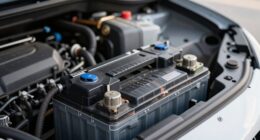

Seasonal charging strategies need to change based on battery type because each type reacts differently to temperature extremes. Lithium-ion batteries perform best in moderate conditions, while extreme heat or cold can hinder performance or cause damage. On the other hand, lead-acid batteries tolerate colder temperatures better but require regular maintenance to avoid sulfation. Understanding these nuances helps you optimize charging cycles and extend battery life. You’ll discover even more tips on how to tailor your approach.

Get backup power and energy gear delivered free — and shop member deals
- Fast, free delivery on millions of items
- Access to Prime Big Deal Days deals on October 6–7
- Prime Video, Amazon Music and more included
Key Takeaways
- Lithium-ion batteries degrade faster in extreme heat, necessitating cooler charging conditions during summer to prolong lifespan.
- Cold temperatures hinder lithium-ion performance; charging should occur in controlled, warmer environments to avoid protective mode.
- Lead-acid batteries are more resilient in cold, but require regular maintenance and topping off to prevent sulfation during winter months.
- Shorter, frequent charging cycles are beneficial for lithium-ion batteries, while lead-acid batteries thrive on consistent charging routines to avoid deep discharges.
- Seasonal temperature fluctuations demand adaptable strategies for both battery types to optimize performance and enhance longevity.

As temperatures vary with the seasons, your battery’s performance can fluctuate considerably. Understanding how to adapt your charging strategies based on battery type is vital for peak performance and longevity. Whether you’re using lithium-ion or lead-acid batteries, each has distinct characteristics that require tailored approaches, especially during seasonal shifts.
When it comes to lithium-ion considerations, you’ll find that these batteries thrive in moderate temperatures. They don’t particularly like the extremes—too much heat can accelerate degradation, while cold can hinder performance. During winter months, it’s important to avoid charging your lithium-ion battery when temperatures dip below freezing. The cold can cause the battery to enter a protective mode, leading to inefficient charging cycles. Ideally, you should charge these batteries in a controlled environment, making sure they’re warmed up before plugging them in. This way, you maximize their efficiency and lifespan. Additionally, understanding the temperature sensitivity of lithium-ion batteries helps you make better decisions about when and how to charge them seasonally. Being aware of seasonal battery behavior can further optimize your maintenance routines.
On the other hand, lead-acid maintenance requires a different approach. These batteries are more forgiving in colder conditions but can suffer from sulfation if left in a discharged state for too long. As the temperature drops, you’ll want to keep a close eye on their charge levels. Regularly topping off your lead-acid battery during winter is essential to prevent sulfation. You might also consider using a maintenance charger, especially if you won’t be using the battery for an extended period. This guarantees it stays at a peak charge level without overcharging.
Temperature effects on batteries can’t be overstated. In the summer, excessive heat can lead to faster chemical reactions within both lithium-ion and lead-acid batteries, but lithium-ion batteries are particularly sensitive. You should avoid charging them in direct sunlight or extremely hot conditions, as this can reduce their effective life. Instead, try charging them during cooler parts of the day.
Ultimately, your charging cycles should reflect these seasonal considerations. For lithium-ion batteries, shorter, more frequent charging cycles can help maintain peak performance, especially in fluctuating temperatures. For lead-acid types, a more consistent charging routine is vital to prevent damage from deep discharges.
Lithium-ion battery charger for cold weather
As an affiliate, we earn on qualifying purchases.
As an affiliate, we earn on qualifying purchases.
Frequently Asked Questions
How Do Temperature Fluctuations Affect Battery Lifespan?
Temperature fluctuations can greatly affect your battery’s lifespan. When temperatures rise or drop, you may notice increased temperature effects like accelerated chemical reactions, leading to a lifespan reduction. In cold conditions, batteries struggle to deliver power, while heat can cause them to degrade faster. By managing your battery’s exposure to extreme temperatures, you can help preserve its longevity and guarantee it performs better throughout its life.
What Are the Signs of a Failing Battery?
You’ll notice several signs of a failing battery. Look for battery symptoms like slow engine cranking, dimming lights, and a dashboard warning light. Pay attention to charging indicators; if they fluctuate or show inconsistent readings, that’s a red flag. You might also experience frequent electrical issues or an unusual smell. Trust your instincts; if your battery’s acting off, it’s time to get it checked before it leaves you stranded.
Can I Mix Different Battery Types in One System?
No, you shouldn’t mix different battery types in one system. Doing so can lead to issues with battery compatibility and charging efficiency. Each type has unique charging requirements and performance characteristics, which can cause imbalances, reducing overall system effectiveness. Stick to one battery type to guarantee peak performance and longevity. If you need to expand your system, choose batteries that are designed to work together for the best results.
How Often Should I Check My Battery’s Health?
You should check your battery’s health every few months, especially as seasons change. Think of it like tuning a guitar; just as strings need adjustment, your battery needs regular attention. Use battery maintenance tips to monitor its performance and make seasonal charging adjustments as necessary. This proactive approach can help extend its life and guarantee peak function. Don’t wait until you notice problems—stay ahead with regular checks!
What Safety Precautions Should I Take When Charging Batteries?
When you’re charging batteries, guarantee a safe charging environment. Keep the area well-ventilated and away from flammable materials. Always use the correct charger for your battery type to prevent overheating. Regular battery maintenance is essential, so check for any damage before charging. Avoid leaving batteries unattended while charging and monitor them for unusual heat or swelling. Following these precautions helps you charge safely and extends your battery’s life.
Conclusion
As you rethink your seasonal charging strategies, remember that not all batteries are created equal. The choices you make now could either extend their lifespan or lead to unexpected failures. Imagine this: a frigid winter morning, and your battery’s performance plummets—will you be ready? By tailoring your approach to each battery type, you can release their full potential. Don’t let the season catch you off guard; take control and guarantee your batteries thrive, no matter the weather.
Halloween Picks
halloween
As an affiliate, we earn on qualifying purchases.