TL;DR

Get backup power and energy gear delivered free with Prime
- Fast, free delivery on millions of items
- Prime Video, Amazon Music and more included
- Member-only deals all year
Daqo New Energy will invest CNY 6 billion to build a smart energy systems manufacturing facility in Kunshan, focusing on advanced power equipment and storage solutions for AI data centers. This marks a strategic diversification beyond its core polysilicon business.
Daqo New Energy has announced a CNY 6 billion ($835 million) investment to establish a smart energy systems manufacturing base in Kunshan, focusing on advanced power equipment and storage solutions for AI data centers. This move signals a strategic diversification beyond its traditional polysilicon manufacturing, aiming to support next-generation energy and data infrastructure.
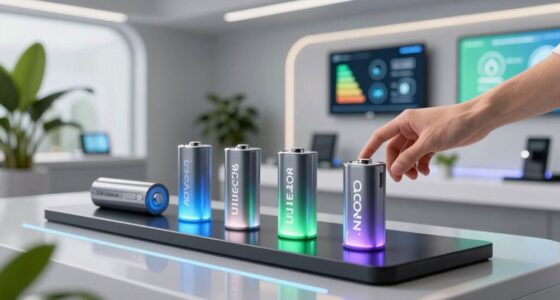
The new facility, to be developed in partnership with the Kunshan Economic and Technological Development Zone, will produce integrated smart energy solutions, including energy storage systems, solid-state transformers, circuit breakers, and batteries, tailored for AI data centers. Daqo’s subsidiary, Daqo Energy Technology (Shanghai), signed an agreement with local authorities to develop the project.
This initiative represents a significant pivot for Daqo, which has historically been focused on polysilicon production for solar modules. The company aims to leverage its expertise in materials to expand into the fast-growing smart energy sector, aligning with the broader industry trend toward integrated energy management and AI infrastructure support.
Meanwhile, industry reports indicate continued decline in polysilicon prices, with N-type recharging polysilicon trading at CNY 33,000–34,000/ton, down 2.31% week on week. Despite this, wafer prices remain stable across major categories, suggesting a potential shift in industry focus and investment priorities.
Strategic Diversification for Daqo Beyond Polysilicon
This development is significant because it indicates a major shift in Daqo’s business strategy toward integrated energy solutions, which could influence the company’s long-term growth and the broader PV industry. As polysilicon prices decline, diversification into smart energy systems may help Daqo mitigate market risks and capitalize on the expanding demand for AI data center infrastructure.
Moreover, this move aligns with China’s broader push toward advanced energy storage and smart grid technologies, potentially positioning Daqo as a key player in next-generation energy infrastructure. For investors and industry observers, this signals a potential evolution in Daqo’s business model and the future landscape of Chinese PV industry players.
energy storage systems for data centers
As an affiliate, we earn on qualifying purchases.
As an affiliate, we earn on qualifying purchases.
Daqo’s Business Evolution and Industry Trends
Daqo New Energy has been a leading polysilicon producer, benefiting from China’s solar expansion. However, polysilicon prices have been declining, with recent reports showing ongoing downward trends. The company’s new investment in smart energy systems reflects an industry-wide shift toward integrated solutions that support AI data centers and smart grids.
China’s PV industry has seen increased focus on module procurement and supply chain stability, with large-scale tenders like CGN New Energy’s 8.4 GW procurement framework highlighting robust demand for PV modules. Meanwhile, industry reports indicate that polysilicon prices continue to fall, but wafer prices remain stable, suggesting a complex market landscape.
This background underscores the importance of Daqo’s strategic move into energy systems, aiming to diversify revenue streams amid market fluctuations and technological advancements.
“Daqo’s new investment could reshape its business model and influence industry trends toward integrated energy and data infrastructure.”
— PV Magazine
Unclear Market Impact and Future Business Scope
It is not yet confirmed how significantly this new venture will impact Daqo’s overall revenue or market share. Details about the timeline for production, specific technologies to be developed, and integration with existing operations remain unclear. Additionally, the broader industry response and potential competition are still emerging.
Next Steps for Daqo’s Smart Energy Initiative
Daqo is expected to finalize project planning and commence construction in the coming months. Monitoring will focus on the project’s progress, technological developments, and how the company integrates its existing polysilicon expertise with new energy solutions. Industry analysts will also watch for further corporate disclosures and market reactions.
Key Questions
Why is Daqo diversifying into energy systems?
Daqo aims to reduce reliance on polysilicon revenue, which has been declining, and capitalize on the growing demand for integrated energy solutions supporting AI data centers and smart grids.
What types of products will the new facility produce?
The facility will focus on energy storage systems, solid-state transformers, circuit breakers, and batteries tailored for AI data centers and advanced power distribution.
How might this impact the overall PV industry?
If successful, Daqo’s expansion could encourage other PV industry players to diversify into integrated energy and data infrastructure, potentially shifting industry investment and innovation priorities.
When will the new manufacturing base be operational?
Details on the project timeline are still emerging, but construction is expected to begin soon, with operational dates to be announced later.
Will this affect polysilicon prices or supply?
While the move indicates a strategic shift, polysilicon prices are still declining, and the impact on supply remains uncertain. Daqo’s core polysilicon business continues to operate independently.
Source: PV Magazine
Halloween Picks
halloween
As an affiliate, we earn on qualifying purchases.