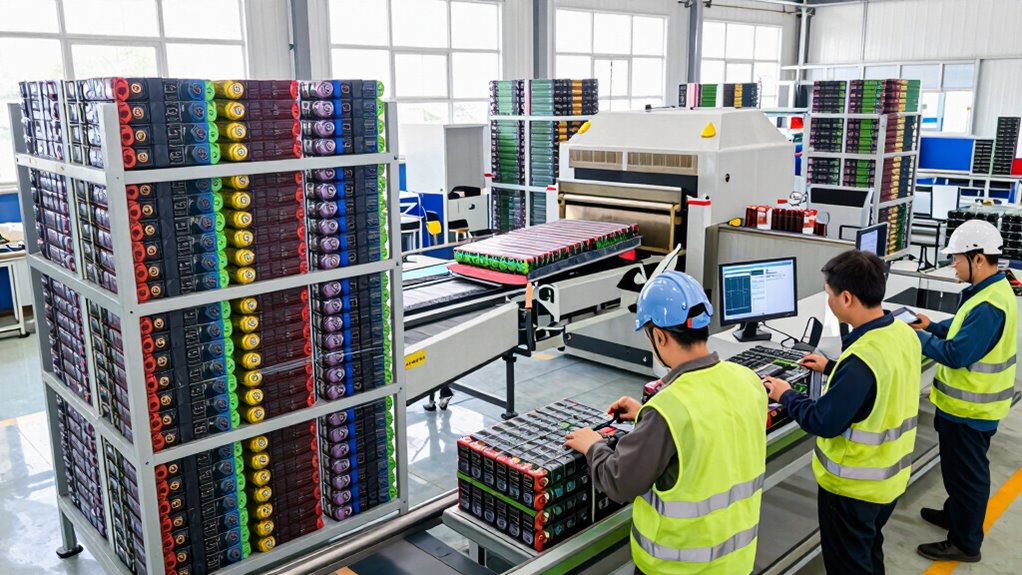

Investing in better battery recycling infrastructure helps you improve environmental impact, reduce hazardous waste, and lower energy use. It boosts your company’s sustainability image and guarantees compliance with evolving regulations. Advanced recycling methods increase recovery of valuable materials like lithium and cobalt, cutting reliance on mining. Building dedicated infrastructure creates cost savings and supply chain resilience. Embracing these practices positions you as a leader in industry innovation—discover how this strategic move benefits your business in the long run.

Get backup power and energy gear delivered free with Prime
- Fast, free delivery on millions of items
- Prime Video, Amazon Music and more included
- Member-only deals all year
Key Takeaways
- Enhances environmental sustainability by reducing hazardous waste and lowering resource extraction needs.
- Improves supply chain resilience and lowers costs through efficient recycling and material recovery.
- Ensures regulatory compliance and positions businesses as industry leaders in sustainability.
- Strengthens brand reputation and stakeholder trust by demonstrating environmentally responsible practices.
- Drives long-term economic benefits through technological innovation and operational cost savings.
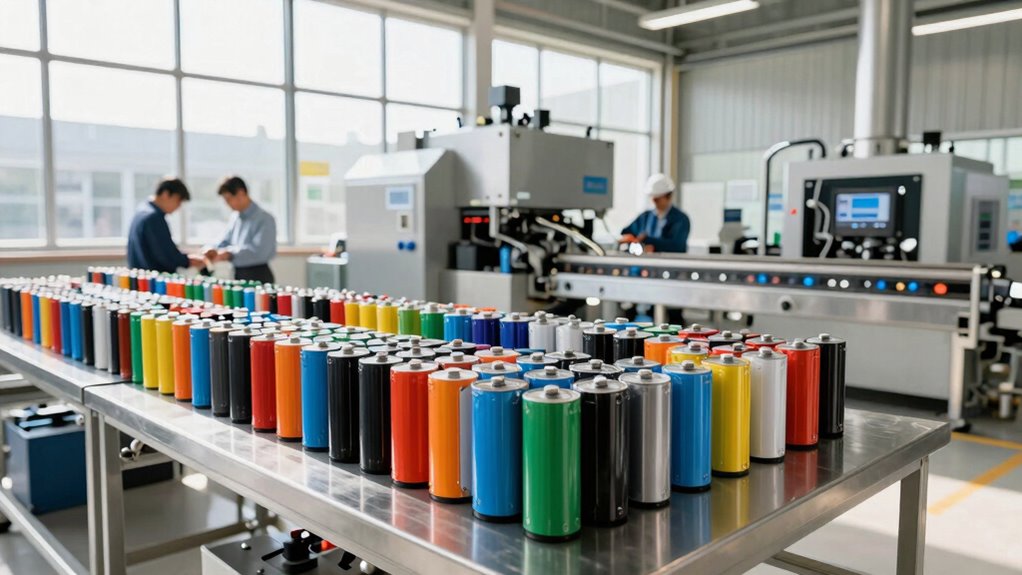
Have you ever considered how improving battery recycling can benefit your business and the environment? As the demand for batteries grows, especially with the rise of electric vehicles and portable electronics, the environmental impact of improper disposal becomes increasingly significant. Investing in better battery recycling infrastructure isn’t just a responsible choice; it’s a strategic one that can lead to competitive advantages. When you prioritize efficient recycling, you help reduce hazardous waste, prevent soil and water contamination, and lower the energy needed to produce new batteries. These benefits contribute to a healthier planet, aligning your company’s operations with sustainability goals and boosting your reputation among eco-conscious consumers.
Advancements in technological innovation play a vital role in making battery recycling more effective and economically viable. New recycling methods are now capable of extracting a higher percentage of valuable materials like lithium, cobalt, and nickel, which can then be reused in manufacturing. This process minimizes the need for mining raw resources, decreasing environmental strain and lowering costs over time. Embracing these innovations means your business can stay ahead of regulatory requirements, avoiding penalties and ensuring compliance with increasingly strict environmental standards. It also positions you as a leader in sustainable practices, which can attract investors, partners, and customers who prioritize corporate responsibility. Additionally, ongoing research and development in recycling technology continue to improve efficiency and material recovery rates, making the process even more beneficial.
Building a resilient recycling infrastructure demonstrates your commitment to environmental stewardship and can lead to long-term cost savings. By establishing dedicated collection points and efficient processing facilities, you reduce waste disposal fees and create a closed-loop system for battery materials. This approach not only cuts expenses but also enhances supply chain resilience by relying less on volatile raw material markets. Furthermore, a holistic recycling strategy signals to stakeholders that you’re invested in innovative solutions, fostering trust and loyalty. Incorporating biodiversity considerations into your recycling processes can further enhance your company’s environmental impact and community relations. As regulations tighten globally, having a strong infrastructure becomes even more valuable, ensuring your business remains compliant and prepared for future mandates.
In the end, improving battery recycling infrastructure isn’t just a matter of environmental responsibility—it’s a smart business move. It’s about leveraging technological innovation to maximize resource efficiency, reduce costs, and meet evolving regulatory standards. By doing so, you position your company as a forward-thinking leader committed to sustainability and operational excellence. The benefits extend beyond compliance; they reinforce your brand’s reputation and create a more sustainable future for your business and the planet. Investing now in better recycling infrastructure ensures you’re not only part of the solution but also ahead of the curve in this rapidly evolving industry landscape.
As an affiliate, we earn on qualifying purchases.
Frequently Asked Questions
How Does Battery Recycling Impact Overall Supply Chain Resilience?
Battery recycling boosts your supply chain resilience by reducing dependence on raw materials like rare earth elements. Recycling second life batteries helps you recover valuable materials, ensuring a steady supply and lowering vulnerability to market fluctuations. It also minimizes shortages, delays, and costs associated with sourcing new materials, making your supply chain more robust and sustainable. This proactive approach keeps your operations running smoothly despite global resource constraints.
What Are the Long-Term Economic Benefits of Improved Recycling Infrastructure?
You’ll see long-term economic benefits from improved recycling infrastructure as it boosts economic growth by creating jobs and fostering innovation. It also enhances resource sustainability, reducing reliance on finite raw materials and lowering costs over time. As recycling becomes more efficient, industries save money, and governments can allocate resources more effectively, ensuring a resilient economy that benefits both current and future generations.
How Can Policies Incentivize Private Investment in Recycling Facilities?
You can encourage private investment in recycling facilities through effective policy incentives like tax credits, grants, or subsidies. These incentives reduce financial risks and boost profitability, motivating businesses to develop recycling infrastructure. Additionally, streamlining permitting processes and establishing clear regulations can create a more attractive environment for private investors. By aligning policies with industry needs, you foster innovation and growth in battery recycling, ensuring a sustainable and profitable future.
What Technological Innovations Are Shaping the Future of Battery Recycling?
You’ll see advanced sorting technologies, like AI-driven systems, revolutionize battery recycling by efficiently separating materials. Chemical breakthroughs are also key, enabling safer and more effective extraction of valuable metals. These innovations reduce waste, lower costs, and improve sustainability. As you adopt these cutting-edge methods, you’ll enhance recycling efficiency, support environmental goals, and strengthen the supply chain for critical materials, making the industry more resilient and eco-friendly.
How Does Battery Recycling Contribute to Reducing Global Carbon Emissions?
Imagine a world where every battery’s end sparks new beginnings. You see, battery recycling reduces global carbon emissions by harnessing electrochemical processes to recover valuable materials, cutting down on raw resource extraction. This cycle not only diminishes greenhouse gases but also promotes sustainable practices. By prioritizing material recovery, you help lessen environmental impact, turning waste into a resource, and actively contributing to a greener, more resilient planet.
Conclusion
By investing in better battery recycling infrastructure, you’re planting seeds for a greener future that will grow strong and resilient. Imagine transforming discarded batteries into a treasure trove of resources, turning waste into wealth. Your actions can ignite a ripple effect, fueling innovation and sustainability. Embrace this opportunity to be a catalyst for change, because when you nurture better recycling, you’re helping the planet breathe easier—creating a legacy that shines brighter with every recycled cell.
Fall Picks
fall essentials
As an affiliate, we earn on qualifying purchases.