

Short trips prevent your car’s battery from fully recharging, which over time speeds up its decline. When you make frequent quick runs, your battery stays in a semi-discharged state, causing chemical reactions that degrade internal components. Modern electronics demand more power, making proper charging even more essential. If you keep ignoring this issue, your battery may weaken faster and lead to starting problems. To understand how to protect your battery, keep exploring these important insights.

Get backup power and energy gear delivered free with Prime
- Fast, free delivery on millions of items
- Prime Video, Amazon Music and more included
- Member-only deals all year
Key Takeaways
- Short trips prevent the battery from fully recharging, leading to gradual capacity loss.
- Frequent quick runs keep batteries in a semi-discharged state, accelerating chemical degradation.
- Modern electronics increase power demands, worsening battery strain during short trips.
- Incomplete charging hampers chemical reactions necessary for battery health, causing faster decline.
- Longer drives help the alternator fully recharge the battery, extending its lifespan.
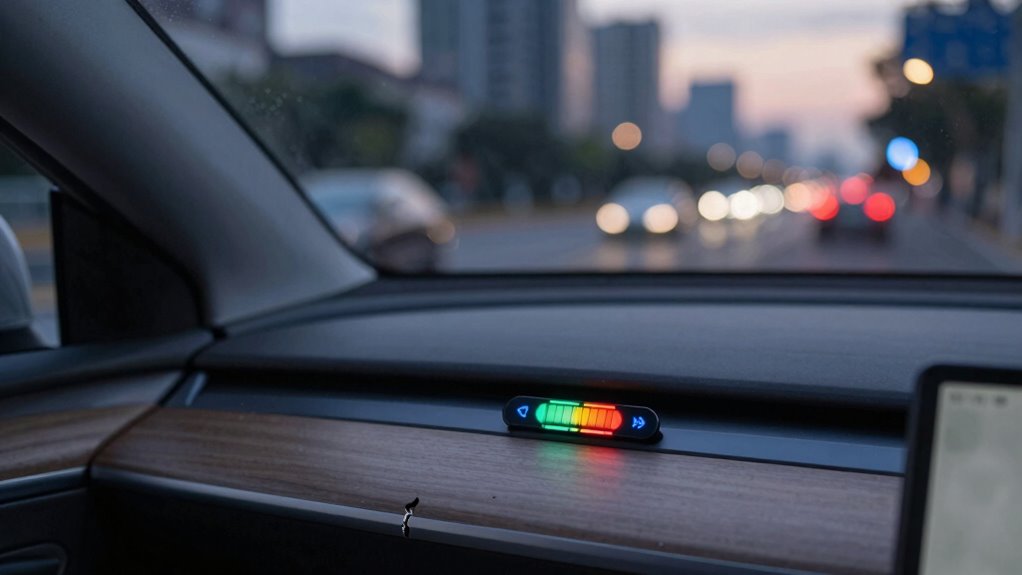
Many drivers overlook the impact of frequent short trips on their vehicle’s battery life, but these short journeys can remarkably accelerate battery decline. When you regularly make quick runs around town, your battery isn’t getting enough time to fully recharge. This incomplete charging can lead to a gradual weakening of the battery’s capacity, ultimately shortening its lifespan. Understanding how battery chemistry and your charging habits play into this can help you avoid unnecessary replacements and maintain a healthier vehicle.
Your car’s battery relies on chemical reactions to generate power, and these reactions require consistent, sustained charging to stay balanced. Short trips often don’t allow the alternator enough time to fully replenish the battery’s charge. Instead, the battery remains in a semi-discharged state, which over time causes the internal chemical processes to degrade more quickly. This is especially true in modern vehicles with complex electronic systems that demand more power during startup and operation. When you’re only driving for a few miles, your battery never gets the chance to reach a full, stable charge, which leads to gradual deterioration. A proper charging cycle is essential to maintaining optimal battery health.
Your charging habits are critical here. If you frequently take short trips and then turn off your engine, you’re essentially putting your battery through a cycle of partial charging and discharging. Over time, this cycle wears down the internal plates and reduces the battery’s ability to hold a charge. Conversely, longer drives allow the alternator to work more effectively, ensuring your battery is properly recharged and maintaining its chemical integrity. Neglecting this can cause the battery to become weak, leading to problems like difficulty starting your car or unexpected failures. Additionally, modern vehicles with advanced electronic systems tend to consume more power, making proper battery maintenance even more important. Recognizing these issues early through battery health checks can save you from costly replacements later. Moreover, understanding the impact of driving patterns on battery health can encourage more mindful driving habits that extend the life of your vehicle’s electrical components.
To mitigate this, you should consider adjusting your charging habits. If short trips are unavoidable, it’s a good idea to periodically give your vehicle a longer drive, especially in the colder months when batteries are more vulnerable. Maintaining a regular maintenance routine can also help identify potential issues before they become serious. Also, keeping an eye on your battery’s health through regular inspections can alert you to early signs of decline. Using a battery charger occasionally, particularly if your vehicle is parked for extended periods, can help maintain ideal chemical balance and extend its lifespan. Ensuring your vehicle’s electrical system is functioning properly can also prevent unnecessary strain on the battery.
In principle, understanding how battery chemistry responds to your driving style and charging habits can make a significant difference. By giving your battery the right conditions—longer drives, proper maintenance, and avoiding constant partial charges—you can prevent premature decline and keep your vehicle reliable for years to come.
As an affiliate, we earn on qualifying purchases.
Frequently Asked Questions
Can Battery Type Affect Degradation From Short Trips?
Yes, battery chemistry can influence how quickly your battery degrades from short trips. Some chemistries, like lithium iron phosphate, handle frequent shallow discharges better, while others, such as lithium cobalt oxide, may wear out faster. Your charging habits also matter—avoiding deep discharges and maintaining proper charge levels can minimize degradation. By understanding your battery’s chemistry and adjusting your charging routine, you can extend its lifespan despite short trips.
How Does Climate Influence Battery Wear During Short Trips?
Climate variability and temperature fluctuations considerably influence how your battery wears during short trips. Extreme heat accelerates chemical reactions inside the battery, causing faster degradation, while cold temperatures can reduce its capacity temporarily. During short trips, these fluctuations don’t allow the battery to fully recharge or stabilize, leading to increased wear. To protect your battery, try to keep your vehicle in a temperature-controlled environment and minimize exposure to extreme weather conditions.
Are There Specific Maintenance Tips for Short-Trip Drivers?
They say, “An ounce of prevention is worth a pound of cure,” and that’s true for short-trip drivers. To maintain your battery, regularly calibrate it by fully charging and discharging it. Also, keep an eye on your charging habits—avoid frequent partial charges. These simple steps help prevent battery wear and guarantee dependable performance, especially when short trips prevent the battery from reaching ideal temperature and charge levels.
What’s the Average Lifespan Impact of Frequent Short Trips?
Frequent short trips can particularly reduce your car battery’s lifespan because they hinder proper battery chemistry. Short drives don’t allow the battery to fully recharge, leading to faster degradation. To mitigate this, maintain good charging habits, like occasionally taking longer drives to fully recharge the battery. This helps preserve the battery’s health and extends its lifespan, ensuring it stays reliable over time despite your short trip routines.
Do Electric Vehicles Experience Similar Battery Decline From Short Trips?
While electric vehicles generally handle short trips well, frequent short trips can subtly influence battery longevity. Your charging habits matter—rapid or incomplete charges can accelerate wear, leading to early need for battery recycling. To preserve your EV’s health, aim for consistent, full charges when possible. This gentle approach helps maintain peak performance and extends battery life, letting you enjoy your vehicle’s capabilities longer and reducing environmental impact through mindful energy use.
Conclusion
If you keep ignoring those short trips, you’re basically zapping your battery’s soul and sending it straight to an early grave. Think of every quick jaunt as a tiny hammer pounding away at your battery’s lifespan—eventually, it’ll give out faster than you can say “dead battery.” Don’t let your short trips turn your car into a relic of the past. Take action now, or soon enough, you’ll be stranded, wishing you’d paid attention before it was too late!
Fall Picks
fall essentials
As an affiliate, we earn on qualifying purchases.