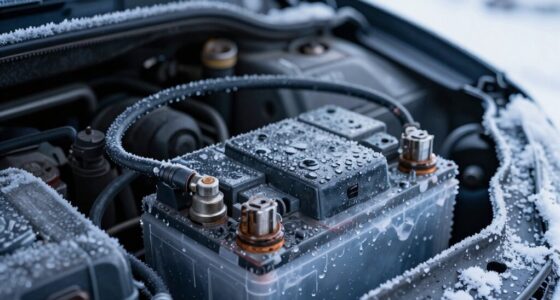
Small systems can boost efficiency and battery life by adopting proven practices from larger operations. Regularly check and maintain battery water levels, keep terminals clean, and use smart chargers to prevent overcharging. Schedule charging during off-peak hours to save on costs, and make sure your charging stations are organized for quick access. Educating your team on proper charging techniques is essential, too. There’s plenty more you can implement to enhance performance across your systems.

Get backup power and energy gear delivered free with Prime
- Fast, free delivery on millions of items
- Prime Video, Amazon Music and more included
- Member-only deals all year
Key Takeaways
- Implement routine battery maintenance, such as checking water levels and cleaning terminals, to enhance performance regardless of system size.
- Optimize charging schedules by utilizing off-peak hours and smart chargers to extend battery lifespan and reduce costs.
- Organize charging stations with clear signage and designated pathways for efficient and safe access for all operators.
- Educate staff on proper charging techniques and signs of battery wear to improve overall maintenance and operational efficiency.
- Adapt successful energy efficiency strategies from larger warehouses, emphasizing structured layouts and consistent routines for smaller systems.
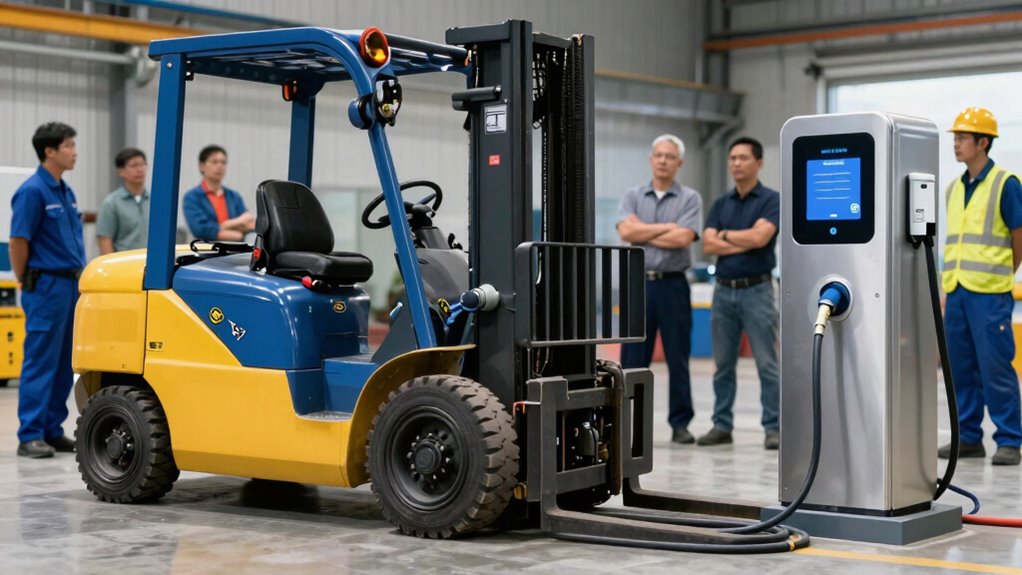
When you’re managing a warehouse, understanding forklift battery charging isn’t just important—it’s vital for keeping operations running smoothly. The way you handle battery charging can considerably impact not only the lifespan of your equipment but also the overall efficiency of your operation. Smaller systems often overlook these lessons, but they can benefit greatly by applying the same principles that larger warehouses use.
First off, let’s talk about battery maintenance tips. Regularly checking the water levels in your lead-acid batteries is essential. If you let them run dry, you risk damaging the cells, which can lead to costly replacements. Make it a routine to inspect and refill the water weekly. Additionally, keep terminals clean and free from corrosion. A simple wipe-down can improve conductivity and extend battery life. Don’t forget to schedule regular maintenance checks with your service provider; it’s a small investment that can save you a lot in the long run. Being aware of battery health indicators can help you catch potential issues early before they become costly.
Regularly check water levels in lead-acid batteries and keep terminals clean to extend battery life and prevent costly replacements.
Next, consider implementing energy efficiency strategies. Charging your forklifts during off-peak hours can lead to considerable savings. Electric rates are often lower at night, so you can reduce operational costs by timing your charging accordingly. If your system allows, use smart chargers that can optimize the charging cycle and prevent overcharging. These chargers not only enhance battery life but also improve your energy efficiency. Properly managing your battery charging schedule can significantly extend the overall lifespan of your batteries.
Also, think about the layout of your charging station. A well-organized space guarantees that drivers can quickly and safely access the chargers. This minimizes downtime and keeps your operations running smoothly. Confirm that there’s enough room for multiple forklifts to charge simultaneously to avoid bottlenecks. Proper planning and organization can also help in preventing unnecessary downtime and ensuring continuous productivity. Incorporating clear signage and designated pathways further enhances safety and efficiency.
Don’t underestimate the power of training your staff. Educate your team on the importance of proper charging techniques. This includes not leaving batteries on the charger longer than necessary and understanding the signs that a battery needs replacement. A well-informed team can make all the difference in maintaining efficiency and prolonging battery life. Additionally, understanding how smaller systems can effectively adopt these best practices is crucial for optimizing overall performance. Emphasizing the importance of consistent charging routines helps maximize battery performance across different system sizes.
lead-acid forklift battery water level checker
As an affiliate, we earn on qualifying purchases.
As an affiliate, we earn on qualifying purchases.
Frequently Asked Questions
How Do I Choose the Right Forklift Battery for My System?
To choose the right forklift battery for your system, start by evaluating your operational needs. Consider battery types like lead-acid and lithium-ion, as each has distinct advantages. Review your charging options too; fast charging can minimize downtime, while traditional methods might suit longer shifts. Don’t forget to factor in maintenance requirements and lifespan. By aligning your choice with your specific application, you’ll guarantee peak performance and efficiency in your operations.
What Are the Signs of a Failing Forklift Battery?
You might think your forklift battery’s fine, but watch for signs of failure. Diminished lifting power and shorter run times are key battery performance indicators. If it struggles to hold a charge and requires frequent charging cycle efficiency checks, it’s time to act. Swelling or leakage are red flags too. Keep an eye on these signs to avoid costly downtime and guarantee your operations run smoothly.
How Often Should I Replace My Forklift Battery?
You should replace your forklift battery every 4 to 6 years, depending on usage and maintenance. Follow battery maintenance tips, like keeping terminals clean and checking water levels, to prolong its life. Adhere to charging frequency guidelines, ensuring you charge the battery after each shift and avoid deep discharges. Regularly monitoring performance can also help you decide when it’s time for a replacement, keeping your operations running smoothly.
Can I Charge My Forklift Battery Overnight Safely?
Yes, you can charge your forklift battery overnight safely if you follow proper charging practices. In fact, about 60% of battery issues stem from improper charging. To guarantee battery safety, always use the right charger and monitor the process. Avoid overcharging, as it can lead to damage and shorten battery life. Regularly inspect your battery and charging equipment to maintain peak performance and safety during overnight charging sessions.
What Is the Lifespan of a Typical Forklift Battery?
A typical forklift battery lasts about five to seven years, depending on battery maintenance and charging techniques. You can extend its lifespan by regularly checking water levels, ensuring proper charging practices, and avoiding deep discharges. If you follow these tips, you’ll keep your battery healthy and efficient. Regular maintenance not only maximizes performance but also saves you money in the long run, so it’s definitely worth investing the time.
Conclusion
In the end, it’s ironic that something as straightforward as forklift battery charging can teach us so much about efficiency. While we might overlook the small systems in our lives, they often hold the keys to greater productivity. So, as you roll your eyes at the next mundane task, remember that even the simplest lessons can spark innovation. After all, if a forklift can power through its day with a little care, shouldn’t we be able to do the same?
Halloween Picks
halloween
As an affiliate, we earn on qualifying purchases.