TL;DR

Get backup power and energy gear delivered free with Prime
- Fast, free delivery on millions of items
- Prime Video, Amazon Music and more included
- Member-only deals all year
A GreenBuildingAdvisor contributor described fitting a Refoss EM16P electricity monitor to an HVAC subpanel that lacked room for the monitor itself. The homeowner mounted a separate enclosure above the panel and added a breaker to provide the monitor with an electrical reference; the account stresses that panel work requires safe de-energizing and attention to local codes.
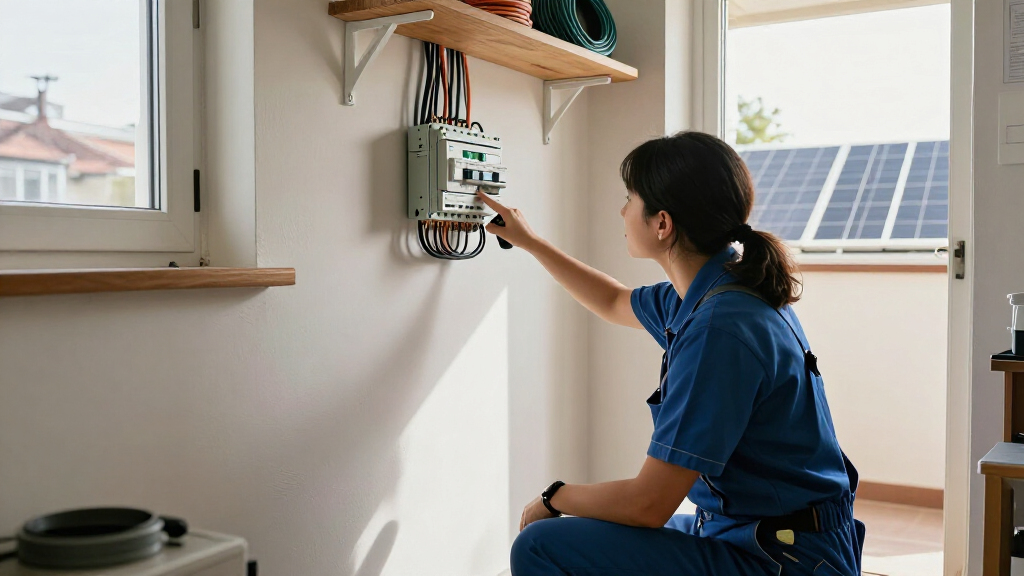
A homeowner who wanted to track electricity use by two heat pumps installed a Refoss EM16P monitor on an HVAC subpanel that could not fit the device inside it, according to a report published by GreenBuildingAdvisor. The workaround was a separate enclosure mounted above the panel, along with an additional breaker to provide the monitor with a needed electrical reference.
The contributor said the project followed a basement remodel that left the all-electric home with several electrical panels and a photovoltaic system. Since starting to monitor electricity use in 2022, the homeowner had installed three monitors and wanted another for the HVAC subpanel serving two heat pumps. Current transformers, or CTs, could fit inside that panel, but the monitor unit they connect to was too large for the available space.
The solution was to mount a separate, weatherproof enclosure above the subpanel and connect the two with fittings and conduit. The report says the existing Square D panel had an opening at the top that could be used for the connection. The contributor used one-inch conduit, describing it as just large enough, and said sourcing parts took multiple trips to hardware stores. Installing the enclosure accounted for much of the work.
The installation also required a fourth breaker. The panel already had two double-pole 40-amp breakers for the heat pumps and a 20-amp breaker for an outdoor receptacle. The report explains that the monitor needed power and voltage and phase references from both sides of the panel. The receptacle circuit supplied one reference, but the contributor said the heavier-gauge heat-pump wiring could not be used for the other through the standard pigtail method. The homeowner added a breaker matching the receptacle breaker instead. The contributor reports that the monitor has worked since installation.
Monitoring Heat-Pump Electricity Use
Separately tracking the heat pumps can give a homeowner a clearer picture of how much electricity those systems use, rather than relying only on readings for the whole home or another panel. That information may help the homeowner understand household energy patterns, though the report does not provide measured savings, cost reductions, or a comparison of heat-pump consumption before and after installation.
The account also shows that installing monitoring equipment is not always a matter of following a device manual. Panel space, wiring size, circuit references and code requirements can affect whether a particular setup works. For readers considering similar monitoring, the example is a description of one installation—not a general wiring plan or a substitute for advice from a licensed electrician.
electricity monitor for HVAC subpanel
As an affiliate, we earn on qualifying purchases.
As an affiliate, we earn on qualifying purchases.
From One Panel to Several
The report’s author said electricity monitoring began in 2022, when the home had a single panel to track. A basement remodel later added complexity: the home now has a 200-amp main panel, a basement subpanel, an HVAC subpanel, a panel beneath the meter and a photovoltaic system. The author said three monitors were already installed and another was still needed.
The HVAC subpanel was the challenge described in the report. Although it appeared to have room, its usable space could accommodate the CTs but not the monitor unit. The contributor initially considered giving up on monitoring the heat pumps, then used the panel’s top opening to connect a separate enclosure. The article describes the resulting arrangement and the author’s own experience; it does not establish that the same panel opening or enclosure will be suitable for other homes.
““The subpanel has enough room for the current transformers (CTs).””
— GreenBuildingAdvisor contributor
Limits of the Installation Report
The report describes one homeowner’s installation but does not identify the local electrical-code provisions that applied, whether the work was inspected, or whether an electrician reviewed the finished setup. It also does not give the monitor’s readings, the heat pumps’ electricity consumption, or evidence that monitoring changed energy use or bills. The author’s account that the system is working is not an independent assessment of the installation or its compliance.
Whether a separate enclosure, a panel opening, conduit of a particular size or an added breaker is suitable will depend on the equipment and local requirements. The report does not provide enough information to determine whether its configuration can be used safely or legally in another home.
Professional Review Before Panel Work
The contributor says the monitor has remained in operation, but the report names no further project milestone or planned follow-up. Readers considering a similar installation should first check local requirements and consult a licensed electrician, especially before modifying a panel or adding a breaker. Electrical work should not begin unless the relevant equipment is properly de-energized and absence of voltage is verified; a breaker’s off position alone does not prove a panel is safe to touch.
Any future assessment of the project’s energy value would require actual monitor readings over a defined period and a clear comparison, such as usage before and after installation. The report does not yet provide those figures.
Key Questions
What problem did the homeowner encounter?
The CTs fit inside the HVAC subpanel, but the Refoss EM16P monitor unit was too large to fit in the available space.
How did the homeowner make room for the monitor?
The contributor installed a separate weatherproof enclosure above the subpanel and connected it using fittings and conduit. The report says the existing panel had an opening at the top that could be used for the connection.
Why was another breaker added?
The report says the monitor needed power and electrical references from both sides of the panel. The homeowner added a breaker after concluding that the existing heat-pump wiring was not suitable for the standard pigtail approach described in the account.
Does the report show that the monitor reduced electricity bills?
No. The contributor says the monitor has worked since installation, but the report provides no consumption readings or evidence of energy or cost savings.
Is this a do-it-yourself guide?
No. The contributor describes a personal project and cautions readers to verify that a panel is de-energized before touching it, follow local electrical requirements and consult a licensed electrician if they lack the relevant expertise.
Source: rss
Halloween Picks
halloween
As an affiliate, we earn on qualifying purchases.