TL;DR

Get backup power and energy gear delivered free with Prime
- Fast, free delivery on millions of items
- Prime Video, Amazon Music and more included
- Member-only deals all year
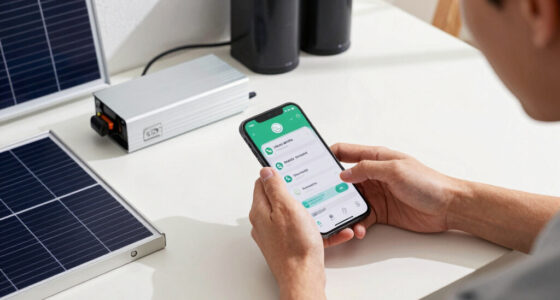
Solar-powered laptop chargers provide a sustainable, portable power source ideal for outdoor adventures and remote work. Advances in efficiency and design make them more practical than ever, but understanding their limitations helps you get the most out of them.
Imagine working on a mountain trail, the sun warming your back, your laptop humming softly as it charges from a foldable solar panel strapped to your backpack. Solar-powered laptop chargers aren’t just a gadget for adventurers—they’re a glimpse into a future where off-grid power becomes effortless.
If you’ve ever faced a dead battery in the middle of nowhere or wanted to cut your carbon footprint, understanding how these chargers work can change your outdoor game. This guide covers what to look for, the latest tech breakthroughs, and real-world tips to get the most juice out of your solar setup.
High-efficiency solar panels now reach over 23% conversion, drastically reducing charging times even on cloudy days.
Position your solar panels at a 90-degree angle to the sun during peak hours to maximize power output.
Choose a charger with the right wattage—50W to 100W for most laptops—based on your typical usage needs.
Use built-in batteries or external power banks to store energy for cloudy days or nighttime.
Remember, solar chargers work best outdoors and as a backup, not a replacement for traditional power sources.
How Do Solar Laptop Chargers Actually Work?
Solar laptop chargers convert sunlight directly into electricity through photovoltaic panels. When sunlight hits the panels, electrons start moving, creating a flow of power that can charge your device or fill a built-in battery.
For example, a typical foldable solar charger with a 20W panel can produce around 20 watts under optimal conditions, enough to slowly top off a 50Wh laptop battery over a day.
Most models include multiple output options—USB, DC, or even AC—to match different laptops’ power needs. Some have built-in batteries that store energy for cloudy days or nighttime.
Understanding this process is crucial because it highlights the importance of sunlight exposure and the quality of your panels. The efficiency of converting sunlight into usable power directly impacts how quickly your device charges. The tradeoff lies in balancing portability with panel size—smaller panels are easier to carry but may require more time to charge your device, especially in less-than-ideal weather. Recognizing these mechanics helps you optimize placement and usage, ensuring you get the most out of your solar investment.
As an affiliate, we earn on qualifying purchases.
3 Key Features That Make Solar Laptop Chargers Worth Your Money
- Portability and Design: Many fold into compact shapes, like a thick notebook or a sturdy folder, making them easy to pack for hiking, camping, or remote work trips. This portability isn’t just about convenience; it influences how often you will use the charger. A bulky, heavy panel might be less likely to accompany you on spontaneous adventures, reducing its utility. Conversely, a lightweight, foldable design encourages more frequent use, maximizing your investment and ensuring you’re prepared when off-grid power is needed.
- Power Output and Compatibility: Ranges from 10W to 100W; higher wattage chargers can power or charge most laptops faster. However, higher wattage often means increased size and weight, which could compromise portability. It’s essential to balance your laptop’s power requirements with the travel-friendly nature of the charger. The tradeoff involves choosing a device that provides sufficient power without sacrificing convenience, especially if you’ll be carrying it over long distances or rugged terrain.
- Efficiency and Weather Resistance: Monocrystalline panels deliver 20-23% efficiency, turning more sunlight into usable power. This efficiency matters because it determines how much energy you can generate in a given time, especially under less-than-ideal conditions like cloudy weather or partial shade. Rugged, waterproof designs withstand rain, dust, and rough handling—crucial for outdoor use. However, increased durability often adds to the cost. The implication here is that investing in a weather-resistant, efficient panel can significantly extend your charging opportunities, but it may require a higher upfront investment. Weighing these features against your typical outdoor conditions will help you select the best fit for your needs.
For instance, a hiker using a 50W panel with an IP65 rating can work through rain and still keep their laptop alive, but they must consider the added weight and cost associated with this durability.
What’s New? The Latest Tech in Solar Chargers for Your Laptop
Recent advancements are making solar chargers faster and more adaptable. Higher efficiency panels now reach 23% conversion rates, shaving hours off charging times.
Many incorporate smart circuitry that detects your device’s power needs, preventing overcharging and voltage spikes. This not only protects your device but also optimizes energy transfer, meaning you get more usable power out of the same sunlight. Some models include lightweight, flexible panels that can attach to backpacks or tents, turning your gear into mobile power stations. This flexibility allows for better positioning and increased exposure, which is crucial when sunlight is limited or scattered.
Eco-conscious brands are using sustainable materials to reduce environmental impact while boosting durability. The implication of these technological improvements is that solar chargers are becoming more efficient, reliable, and versatile—making outdoor power solutions more practical and accessible than ever before.
How Long Will It Take to Charge Your Laptop with Solar Power?
Charging times depend on sunlight strength, panel size, and your laptop’s power draw. Under bright, direct sunlight, a 50W panel might fully charge a 50Wh laptop battery in about 2-3 hours.
On cloudy days, expect that to stretch out to 4-6 hours or more. For example, a camper with a 20W panel might need all day to get a decent charge, making it more of a supplement than a primary power source. Recognizing these timeframes is important because it influences how you plan your outdoor activities and device usage. If you rely solely on solar power, you need to account for weather variability and daylight hours, which may mean adjusting your expectations or supplementing with other power sources.
Positionting your panel at a 90-degree angle to the sun and avoiding shadows can boost efficiency by up to 25%. These small adjustments can make a significant difference in how quickly your device charges, especially when timing is critical for your outdoor plans.
Comparison Table: Which Solar Charger Fits Your Needs?
| Feature | Basic (<$50) |
|---|---|
| Wattage | 10W-20W |
| Portability | Compact, foldable |
| Weather Resistance | Limited, basic waterproofing |
| Battery Storage | Usually none |
| Mid-Range ($50-$150) | |
|---|---|
| Wattage | 30W-60W |
| Portability | Lightweight, foldable, some with carrying cases |
| Weather Resistance | Waterproof, rugged build |
| Battery Storage | Optional, built-in or external power banks |
| High-End (>$150) | |
|---|---|
| Wattage | 80W-100W |
| Portability | Ultra-lightweight, flexible panels |
| Weather Resistance | High waterproof ratings, durable materials |
| Battery Storage | Integrated high-capacity batteries |
Real-World Tips to Max Out Your Solar Charging Power
- Position panels correctly: Angle the panels directly toward the sun, typically at a 90-degree tilt during midday.
- Clean the surface: Dust, dirt, or bird droppings reduce efficiency. Wipe with a damp cloth before use.
- Use during peak sunlight hours: Aim for between 10 am and 2 pm for maximum output.
- Combine with battery storage: Store excess energy in a power bank to use at night or cloudy days.
For example, a backpack with a foldable panel can be positioned on the ground or hung on a tent for maximum sun exposure while you hike or camp.
Limitations You Need to Know Before Buying
Solar chargers depend heavily on sunlight. Cloudy weather, shade, or indoor use severely reduce output. Charging speeds lag behind traditional outlets, often taking hours to fully power a laptop.
Compatibility is another issue—some chargers only work with specific connectors or voltage ranges, so double-check before buying. Durability varies; cheaper models may not withstand rough outdoor conditions.
In essence, they’re best as backups or for extended outdoor stays—not as a sole power source for daily indoor use.
Is It Worth Investing in a Solar Laptop Charger?
If you spend a lot of time outdoors, travel often, or want a green alternative, these chargers are a smart investment. They can keep your device alive during long hikes, camping trips, or in emergencies.
However, for regular indoor work, traditional chargers are faster and more reliable. Think of solar chargers as a supplement—an eco-friendly backup that’s worth it if you value sustainability and independence from grid power.
Frequently Asked Questions
Can a solar-powered charger fully power my laptop?
It depends on your laptop’s wattage and the solar panel’s capacity. A 50W panel can charge most laptops, but expect slower speeds compared to wall outlets. For full, quick charging, higher wattage panels are better.
How long does it take to charge a laptop with a solar charger?
Under ideal sunlight, a 50W panel may take 2-3 hours to fully charge a 50Wh battery. On cloudy days, it can extend to 4-6 hours or more. Positioning and sunlight quality play key roles.
Are solar laptop chargers worth the investment?
If you often work outdoors, travel, or want a green power backup, they’re a smart choice. For indoor daily charging, traditional chargers are faster and more convenient. Think of them as an eco-friendly backup, not a primary power source.
What are the main limitations of solar-powered laptop chargers?
The biggest issues are dependence on sunlight, weather variability, and slower charging speeds. They’re useful as a backup or for outdoor use but aren’t practical for quick, daily indoor charging needs.
How durable are these devices really?
High-quality models with waterproof ratings and rugged build can withstand outdoor conditions. Cheaper options may not last long under harsh weather. Always check product specifications before buying.
Conclusion
Solar-powered laptop chargers are rapidly improving, making off-grid work and outdoor adventures more feasible than ever. They’re not a magic bullet, but with proper positioning and realistic expectations, they turn sunlight into a reliable power source.
Next time you pack your gear for a remote trip, toss in a foldable solar panel. That burst of sunshine could be the difference between work and waiting—your portable power ally under the endless sky.
Fall Picks
fall essentials
As an affiliate, we earn on qualifying purchases.