
TL;DR
Endurance Energy says its Adélie test unit generated about 60 watt-hours of electricity from heat at a natural hydrothermal vent off Oregon on Sept. 27. The turbine ran for about 29 seconds, and the company says it plans another test this winter after redesigning components; commercial viability remains unproven.
Endurance Energy says its Adélie test unit generated about 60 watt-hours of electricity from heat at a hydrothermal vent off the Oregon coast on Sept. 27, in a run lasting about 29 seconds. The Seattle startup described the demonstration as an end-to-end test of subsea geothermal power, but the brief output does not establish that the technology can operate reliably or produce electricity at commercial scale.

Get backup power and energy gear delivered free with Prime
- Fast, free delivery on millions of items
- Prime Video, Amazon Music and more included
- Member-only deals all year
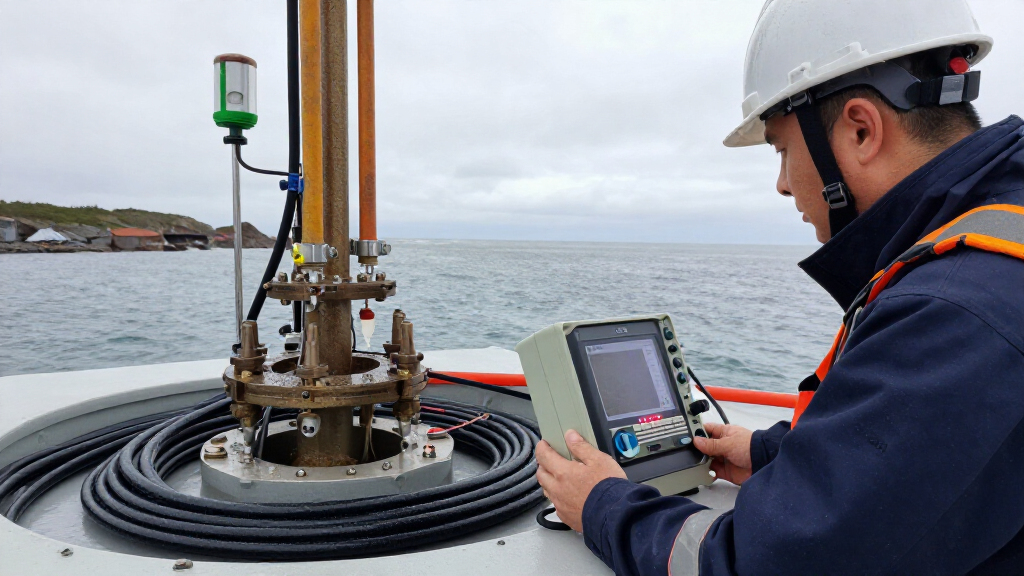
Endurance deployed the three-ton Adélie system during a three-week expedition aboard the research vessel Ocean Guardian. The vessel traveled about 300 miles west of Oregon to Axial Seamount, an active submarine volcano on the Juan de Fuca Ridge. The test site is also an area of ongoing ocean research, including work associated with the University of Washington and the National Science Foundation’s Ocean Observatories Initiative.
The team used a modified geotechnical drill to make a relatively shallow well in a vent field. Hot, mineral-rich seawater flowed from the well, but Adélie did not generate electricity from that drilled well. The company moved the unit to a nearby natural vent, where a remotely operated submarine connected it to the source. An organic Rankine cycle system transferred heat from the fluid to drive a turbine.
According to Endurance, the turbine generated about 60 watt-hours over roughly 29 seconds. For nearly nine seconds, the unit produced more power than it consumed, sending the surplus to its backup battery. The test ended when an overcurrent protection system activated; a power cable failed soon afterward, ending the dive. The company said staff in Seattle received temperature and flow data in real time and operated the plant remotely through an existing fiber-optic cable network.
A brief test, not a power plant
The demonstration offers a limited proof of concept: Endurance says it produced electricity using heat from a natural seafloor vent and remotely operated the equipment from shore. That is a technical milestone for a field with few real-world tests, but the run lasted less than half a minute and did not show sustained operation, dependable output or the cost of delivering electricity to customers.
The distinction matters because the company’s long-term case depends on more than generating a small amount of power once. Subsea equipment must withstand high pressure, corrosive seawater and difficult maintenance conditions. Electricity also has to reach users, potentially over long distances. Those challenges could make offshore geothermal more expensive than other available energy sources, particularly on islands where solar panels and batteries may be simpler to deploy.
Endurance has raised $63 million and is working with the Kingdom of Tonga on a proposed two-megawatt project intended to reduce reliance on imported diesel. That is a plan, not evidence that a commercial project has been built or that the technology can yet supply power at that scale. The Oregon test makes the company’s next engineering steps more concrete, while leaving the economic case unresolved.
Products Worth Considering

Anker SOLIX C1000 Gen 2 Portable Power Station with 200W Solar Panel

Jackery Explorer 2000 v2 Portable Power Station with Two 200W Solar Panels

Bose TV Speaker Compact Soundbar with Bluetooth and HDMI-ARC, Black
As an affiliate, we earn on qualifying purchases.
Why Endurance went offshore
Most geothermal development targets heat beneath land. Founder and CEO Andrew Redd says Endurance is focused instead on volcanically active areas where tectonic plates spread apart. The company, launched in January 2025, says it is designing equipment from scratch for deep-sea pressure and corrosion, including using substantial amounts of titanium.
Offshore geothermal efforts have largely been research projects. Canary Media reported that Chinese scientists produced a few watts of sustained power at a hydrothermal vent in 2016. In Iceland, a government-backed effort drilled a geothermal well near the Mid-Atlantic Ridge but encountered major engineering problems from corrosive seawater. Endurance argues its system is designed to operate at a larger scale, though that ambition has not yet been demonstrated.
Redd called the initial approach “make it exist, then make it good,” and said Adélie “made it exist, and now we know it’s possible.” Those comments describe the company’s view of the test’s value. They do not establish how long a future unit can run or whether subsea generation can compete economically with alternatives.
“We follow the adage ‘make it exist, then make it good.’ Adélie made it exist, and now we know it’s possible.”
— Andrew Redd, Endurance Energy founder and CEO
Output and costs remain unproven
The reported output was brief and small, and the source material does not provide enough information to determine whether it could be sustained, repeated or scaled. Endurance has not established the system’s expected capacity factor, operating life, maintenance needs, full project costs or the cost of transmitting power to users. The test also ended after battery protection activated and a cable failed.
It remains unclear whether the company’s planned Tonga project will proceed, when it might be built, or whether its proposed two-megawatt scale is achievable with the current technology. Pope’s assessment that offshore geothermal may be difficult to make economical is an expert’s view, not a settled finding about Endurance’s future project.
Another test is planned this winter
Endurance says it is redesigning some core Adélie components and plans to deploy a refurbished unit this winter, aiming for greater output and a longer run. That test could show whether the company can address the battery and cable problems and maintain generation for more than seconds. The company is also developing a larger system that Redd said might begin generating electricity in 2027; that timeline is a company projection, not a confirmed commissioning date.
The next useful evidence will include how long the equipment operates, how much net electricity it produces after powering its own systems, and whether it can repeat the result under seafloor conditions. Details about project costs, permitting and the Tonga partnership’s development schedule have not been provided in the source material.
Key Questions
How much electricity did the seafloor test produce?
Endurance Energy reported about 60 watt-hours over roughly 29 seconds at a natural hydrothermal vent. The company said the unit produced more power than it used for nearly nine seconds.
Where did the test take place?
The test was conducted at Axial Seamount, an active submarine volcano about 300 miles west of Oregon, during a three-week expedition in September 2026.
Did Adélie generate power from the well Endurance drilled?
No. According to the report, the unit did not generate power from the drilled well. The team moved it to a nearby natural hydrothermal vent, where the turbine generated electricity.
Is the technology ready to supply commercial electricity?
That has not been demonstrated. The test lasted about 29 seconds, and commercial reliability, output and costs remain unknown. Endurance says it plans another test this winter.
What is Endurance planning next?
The company says it is redesigning parts of Adélie for a winter deployment aimed at longer operation and greater output. It is also developing a larger system that CEO Andrew Redd said might start generating power in 2027.
Source: rss