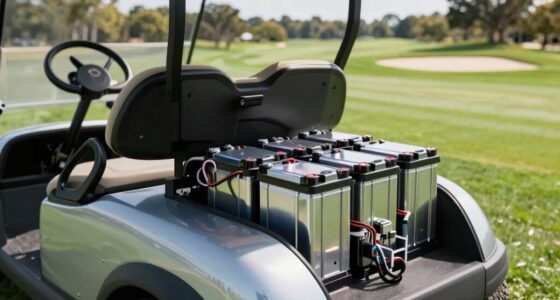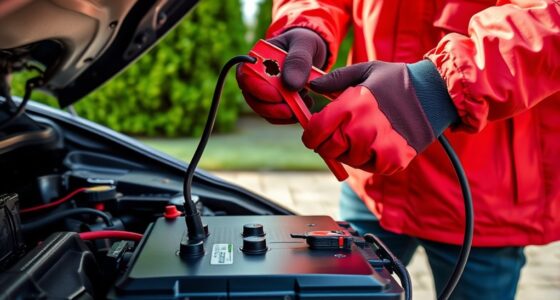
EV battery diagnostics focus on evaluating the health, capacity, and overall lifespan of the entire high-voltage pack, using specialized equipment to identify issues like cell imbalance and degradation. In contrast, 12V battery checks are quick tests that only assess if the auxiliary systems can start reliably, mainly by measuring voltage and inspecting the battery’s physical condition. To understand how these processes support your vehicle’s performance, keep exploring the details behind each diagnostic approach.
Key Takeaways
- EV battery diagnostics evaluate the entire high-voltage pack, focusing on cell health, capacity, and overall lifespan, unlike simple 12V checks.
- They use specialized equipment to measure internal resistance, voltage, and temperature of individual cells, unlike basic voltage tests for 12V batteries.
- EV diagnostics provide comprehensive insights into long-term battery health, while 12V checks primarily assess immediate starting reliability.
- The scope of EV diagnostics includes detecting cell imbalance and degradation, whereas 12V checks focus on ensuring auxiliary system functionality.
- EV diagnostics are detailed and time-consuming, designed for ongoing maintenance, while 12V checks are quick, routine safety checks.
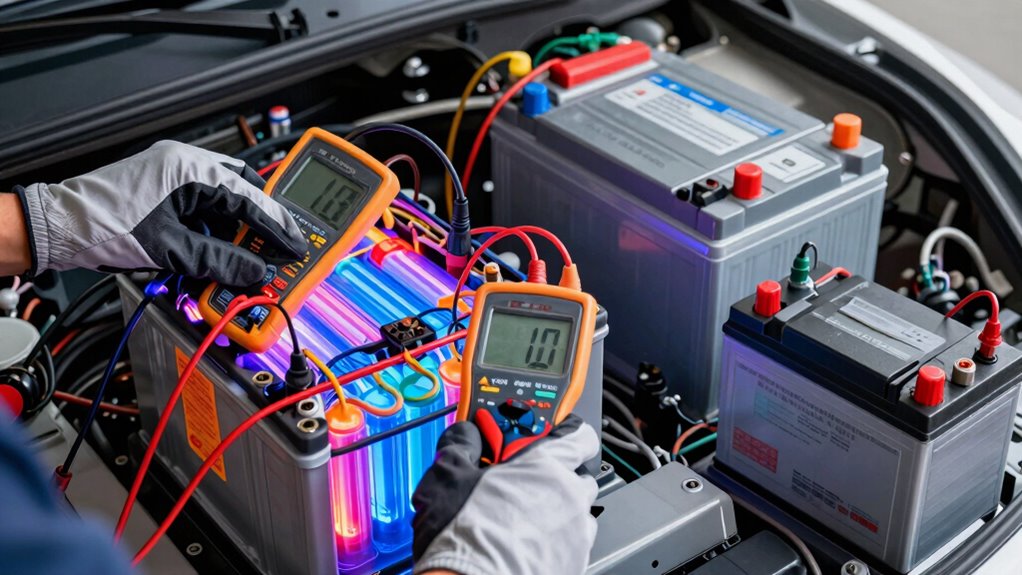
When it comes to maintaining your vehicle’s electrical health, understanding the difference between EV battery diagnostics and 12V battery checks is essential. Both are crucial, but they serve different purposes and involve distinct processes. EV batteries, which power the main drivetrain, are large, high-voltage packs that need comprehensive diagnostics to assess their overall health, including battery lifespan and charging efficiency. In contrast, 12V batteries are smaller, low-voltage units that support auxiliary systems like lights, infotainment, and starting mechanisms. Recognizing these differences helps you prioritize maintenance and avoid unexpected failures.
Understanding the difference between EV battery diagnostics and 12V checks helps prioritize maintenance and prevent unexpected failures.
EV battery diagnostics are sophisticated and involve detailed testing of the entire battery pack. These tests measure the capacity of individual cells, check for imbalances, and evaluate how well the battery holds charge over time. The goal is to identify any degradation that could impair the battery’s ability to deliver power efficiently, which directly impacts the vehicle’s range and performance. As the battery ages, its ability to hold a full charge diminishes, reducing overall efficiency. Diagnostics can pinpoint issues early, enabling repairs or replacements before the battery’s lifespan is significantly compromised. This process often involves specialized equipment that measures voltage, internal resistance, and temperature across the entire pack, providing a comprehensive view of the battery’s health. Battery health assessment is a crucial part of maintaining EV performance and longevity. Additionally, understanding the battery management system helps in ensuring the entire pack functions harmoniously. Proper diagnostics can also reveal cell imbalance, which is vital for maintaining optimal battery operation. Regularly performing these tests can also help detect early signs of battery degradation, preventing costly repairs down the line. Furthermore, staying informed about state of health metrics can guide timely maintenance decisions, extending the lifespan of your EV’s battery.
On the other hand, 12V battery checks are more straightforward and typically involve basic voltage testing and visual inspections. These checks are aimed at ensuring the battery can reliably start your vehicle and power auxiliary systems. They’re usually quick, often performed during routine maintenance or if you notice symptoms like dimming lights or difficulty starting. While these checks are less complex, they’re just as important because a failing 12V battery can cause electrical issues that affect your vehicle’s overall operation. Unlike EV batteries, the focus here isn’t on long-term capacity or charging efficiency but on whether the battery can perform its immediate function reliably. Regularly monitoring the 12V battery’s condition can prevent unexpected breakdowns and ensure your vehicle remains dependable.
In essence, EV battery diagnostics are about assessing the health and longevity of the high-voltage pack, ensuring it performs optimally for years to come. Meanwhile, 12V battery checks focus on the immediate reliability of the auxiliary power source. Both are vital for your vehicle’s electrical system, but understanding their differences helps you take more targeted actions, whether it’s scheduling a detailed diagnostic for your EV’s main battery or a quick check to keep your vehicle starting smoothly.
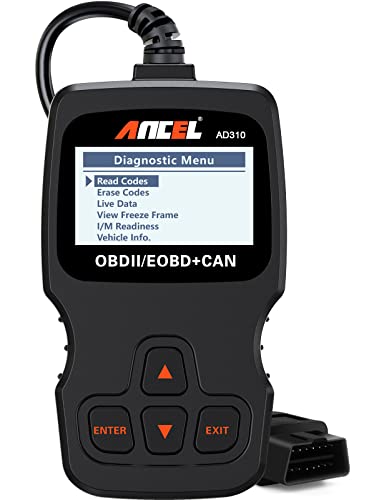
ANCEL AD310 Classic Enhanced Universal OBD II Scanner Car Engine Fault Code Reader CAN Diagnostic Scan Tool, Read and Clear Error Codes for 1996 or Newer OBD2 Protocol Vehicle (Black)
- Diagnoses Check Engine Light: Easily identify cause of check engine light
- Clear Diagnostic Codes: Read and erase trouble codes quickly
- Live Data & Freeze Frame: View real-time data and snapshots
As an affiliate, we earn on qualifying purchases.
As an affiliate, we earn on qualifying purchases.
Frequently Asked Questions
How Often Should EV Batteries Be Diagnosed Compared to 12V Batteries?
You should diagnose your EV battery more frequently than your 12V battery because EV batteries experience more charging cycles and have a longer battery lifespan. Regular diagnostics help detect issues early and optimize performance. Typically, check your EV battery every 6 to 12 months, depending on usage, while 12V batteries need checks every 1 to 2 years. Staying proactive guarantees your EV runs smoothly and maximizes battery longevity.
What Tools Are Required for EV Battery Diagnostics?
Imagine the difference between a simple check and a life-saving diagnosis. For EV battery diagnostics, you’ll need specialized tools like a high-voltage multimeter, battery management system (BMS) interface, and advanced diagnostic scanners. These tools guarantee diagnostic accuracy, helping you assess capacity, health, and safety. Unlike basic checks, they provide detailed insights into the battery’s performance, ensuring your EV runs safely and efficiently.
Can EV Battery Diagnostics Detect All Types of Faults?
EV battery diagnostics can detect many faults, but they might not catch every issue affecting the battery lifespan. You should know that some faults, like internal cell degradation or subtle capacity losses, require advanced testing methods. While diagnostics excel at fault detection, they may not identify all problems. Regular testing helps monitor battery health, but be aware of limitations in detecting every fault impacting long-term performance.
How Does Temperature Affect EV Battery Diagnostic Results?
Temperature acts like the weather’s mood swing, impacting your EV battery diagnostic results. When it’s hot or cold, thermal influence can cause fluctuations, making diagnostics less reliable. You might get false readings or miss issues entirely. To guarantee diagnostic accuracy, it’s vital to take temperature effects into account and conduct tests in stable conditions. Ignoring thermal influence risks misdiagnosing faults, which could lead to unnecessary repairs or overlooked problems.
Are There Industry Standards for EV Battery Diagnostic Procedures?
Yes, industry protocols exist to guarantee diagnostic accuracy for EV batteries. You should follow standardized procedures set by organizations like SAE and ISO, which provide guidelines for testing methods and safety measures. These protocols help you perform consistent, reliable diagnostics, reducing errors and improving battery performance assessments. Adhering to industry standards also ensures your diagnostics meet regulatory requirements, giving you confidence in your results and supporting effective maintenance and troubleshooting.
Conclusion
In the end, understanding the difference between EV battery diagnostics and 12V battery checks is like comparing a marathon to a sprint—you need the right tools and knowledge for each. While a 12V check is quick and simple, diagnosing an EV battery dives deep into complex systems, revealing the true health beneath the surface. Mastering both guarantees your vehicle stays on the road, not stranded in the ditch. Think of it as tending to your car’s heartbeat for a smooth ride ahead.