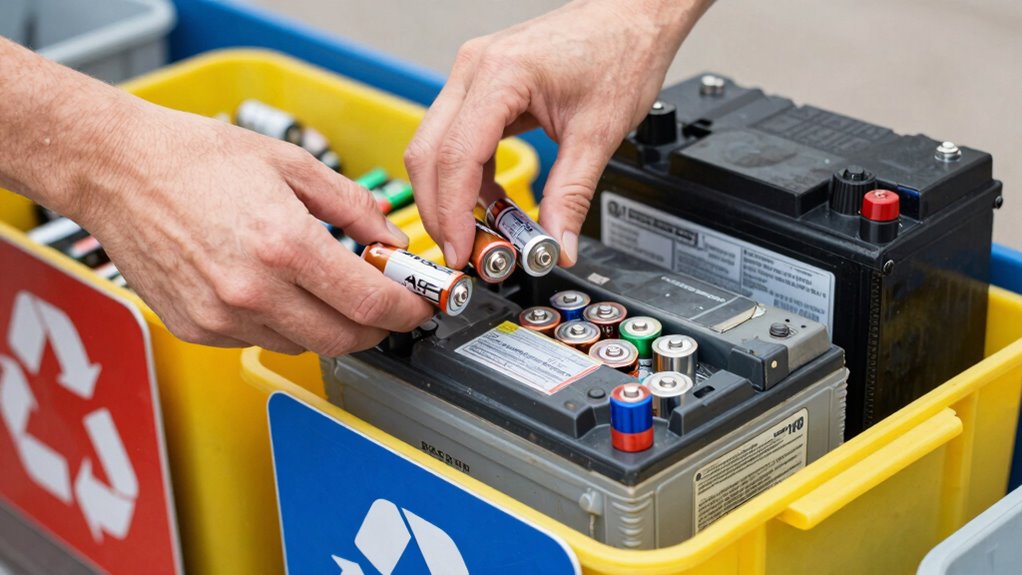

You start with better sorting because it boosts recycling efficiency, safety, and environmental benefits. Properly separating batteries based on chemistry, size, and condition prevents contamination and makes dismantling safer. It also helps recover more valuable materials like lithium, cobalt, and nickel, reducing the need for environmentally harmful mining. Good sorting minimizes waste and contamination, streamlining the process. If you keep exploring, you’ll discover even more ways that proper sorting makes battery recycling smarter and more sustainable.
Key Takeaways
- Proper sorting ensures safe dismantling and prevents hazards during battery processing.
- Accurate sorting improves recovery of valuable materials like lithium, cobalt, and nickel.
- It reduces contamination, leading to higher recycling efficiency and better product quality.
- Better sorting minimizes environmental impact by decreasing waste and harmful emissions.
- It streamlines recycling operations, making them safer, faster, and more cost-effective.
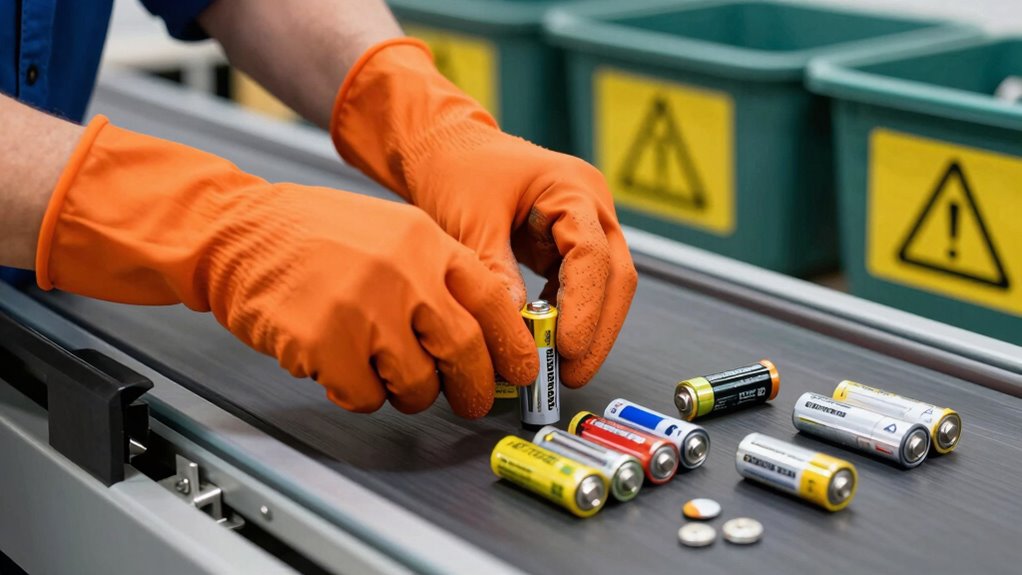
Properly sorting batteries is vital to improving recycling efficiency and reducing environmental harm. When you sort batteries correctly, you help guarantee that each type is processed in the most effective way. This not only extends the battery lifespan by preventing contamination during recycling but also maximizes the recovery of valuable materials. Proper sorting allows recycling facilities to separate batteries based on chemistry, size, and condition, which directly impacts how efficiently they can be processed. When batteries are mixed or mishandled, it creates complications that slow down recycling efforts and diminish the quality of recovered materials.
Proper sorting of batteries enhances recycling efficiency and reduces environmental impact by preventing contamination and ensuring effective processing.
The key to better recycling starts with recognizing the significance of sorting. Different batteries—such as lithium-ion, nickel-metal hydride, or alkaline—require specific recycling methods. Lithium-ion batteries, often used in electronics and electric vehicles, need careful handling because of their chemical makeup and potential fire risks. When these batteries are sorted correctly, they can be safely dismantled, and their valuable components, like lithium, cobalt, and nickel, can be recovered more efficiently. This process helps to conserve natural resources and reduces the need for mining new materials, which is both costly and environmentally damaging. Proper sorting plays a crucial role in ensuring these processes are carried out safely and effectively. Additionally, understanding the different types of batteries involved helps improve the overall recycling process. Recognizing the importance of battery chemistry further enhances sorting accuracy and safety.
Additionally, proper sorting directly influences recycling efficiency by reducing contamination. If batteries are mixed with other waste or improperly categorized, it can lead to defects in the recycling process. Contaminated batches may require additional cleaning or treatment, which consumes more energy and time, ultimately decreasing the overall efficiency. Your role in sorting batteries accurately helps create a smoother, more streamlined process that maximizes material recovery and minimizes waste. Moreover, implementing standardized sorting procedures can significantly enhance the safety and efficiency of recycling operations. Using advanced sorting technologies can further improve accuracy, making the process safer and more efficient.
Furthermore, sorting batteries correctly extends their lifespan in the recycling chain. When batteries are not sorted properly, they can malfunction or pose safety hazards during processing, leading to delays or even dangerous incidents. Properly sorted batteries, on the other hand, are safer to handle and process, ensuring the entire recycling operation runs smoothly. This efficiency not only benefits the environment but also makes recycling more cost-effective, encouraging more widespread participation and investment.
In short, your attention to detail when sorting batteries is vital. It directly impacts recycling efficiency by enabling safer, faster, and more effective processing. Proper sorting ensures that valuable materials are recovered, environmental harm is minimized, and the entire battery recycling system becomes more sustainable. When you make the effort to sort batteries correctly, you contribute to a cleaner, greener future—one where natural resources are preserved, and waste is kept to a minimum.
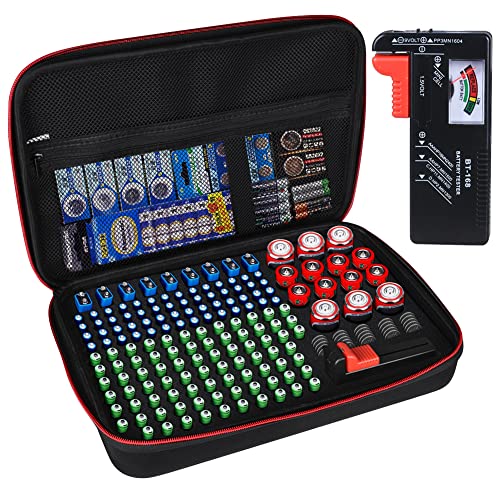
Battery Organizer Storage Box with Tester, Battery Vault Case Fireproof Waterproof Explosionproof Holder Box with Tester BT-168 Checker Carrying Case Container Bag Fit for 200+ Batteries AA AAA C D 9V
- Fireproof and Waterproof Material: Made of silicone coated fiberglass for safety
- High Capacity Storage: Holds over 200 batteries of various sizes
- Secure and Safe Design: Double zipper and handle for safe transport
As an affiliate, we earn on qualifying purchases.
As an affiliate, we earn on qualifying purchases.
Frequently Asked Questions
How Are Batteries Sorted Before Recycling Begins?
You first sort batteries by their composition, such as lithium-ion, nickel-cadmium, or lead-acid. This step guarantees the right recycling processes are applied, maximizing material recovery. You carefully separate damaged or leaking batteries to prevent hazards. Proper sorting allows recycling facilities to efficiently break down the batteries, recover valuable materials, and minimize environmental risks, making the entire process safer and more effective.
What Technologies Assist in Accurate Battery Sorting?
Did you know automated sorting systems can process thousands of batteries daily? These systems rely heavily on sensor technologies like X-ray, near-infrared, and laser sensors to identify battery types accurately. Automated sorting streamlines the recycling process, reducing human error and increasing efficiency. By using advanced sensor technologies, you guarantee that batteries are sorted precisely, which helps recover valuable materials and prevents hazardous waste from contaminating the environment.
Can Improper Sorting Affect Recycling Efficiency or Safety?
Improper sorting can substantially impact recycling efficiency and safety. When batteries are not sorted correctly, hazardous waste and contamination risks increase, making the recycling process more dangerous and less effective. You could accidentally mix batteries with different chemistries or damaged units, leading to leaks or fires. This not only complicates recycling but also poses health and environmental hazards, emphasizing the need for precise sorting to guarantee safe, efficient recycling.
Are There Specific Regulations for Battery Sorting in Recycling Facilities?
Yes, there are strict regulations for battery sorting in recycling facilities. You must adhere to rules on regulation compliance and hazardous waste management, or risk catastrophic environmental damage and hefty fines. These laws ensure batteries are sorted accurately to prevent dangerous chemical reactions and contamination. Ignoring these regulations can turn a recycling process into a hazardous disaster, highlighting the critical importance of precise sorting and adherence to safety standards.
How Does Sorting Impact the Environmental Benefits of Recycling?
Sorting batteries accurately enhances the environmental impact of recycling by ensuring hazardous materials are safely managed and valuable resources are recovered efficiently. When you sort batteries properly, you help conserve resources like metals and plastics, reducing the need for new extraction. This process minimizes pollution and energy use, ultimately protecting ecosystems. Your effort in proper sorting directly supports resource conservation and promotes a cleaner, healthier environment for everyone.
Conclusion
By sorting batteries better, you’re like a skilled gardener tending to delicate plants—each one needs the right care to thrive. When you prioritize proper sorting, you help guarantee that valuable materials are recovered efficiently and safely. This not only reduces environmental harm but also conserves resources for future generations. So, think of your sorting efforts as planting seeds for a cleaner, greener world—one battery at a time, you’re making a lasting difference.