
Your battery’s capacity decreases gradually over time due to chemical changes inside it, but it can feel sudden because your brain perceives sharp drops more than slow declines. External factors like temperature fluctuations can make the loss seem more abrupt, even though it’s happening subtly inside. Quick performance drops are often influenced by these environmental effects, amplifying the feeling of sudden failure. If you keep exploring, you’ll gain a better understanding of what causes these perceptions.

Get backup power and energy gear delivered free with Prime
- Fast, free delivery on millions of items
- Prime Video, Amazon Music and more included
- Member-only deals all year
Key Takeaways
- Gradual capacity decline often feels abrupt due to human perception of drastic changes over slow processes.
- External temperature fluctuations can temporarily worsen performance, making capacity loss seem sudden.
- Internal chemical reactions slow down or recover temporarily, affecting perceived battery health.
- Symptoms like shutdowns or frequent charging highlight sudden-appearing drops despite ongoing gradual decline.
- Understanding internal chemistry and external influences helps explain why capacity loss feels abrupt but is gradual.
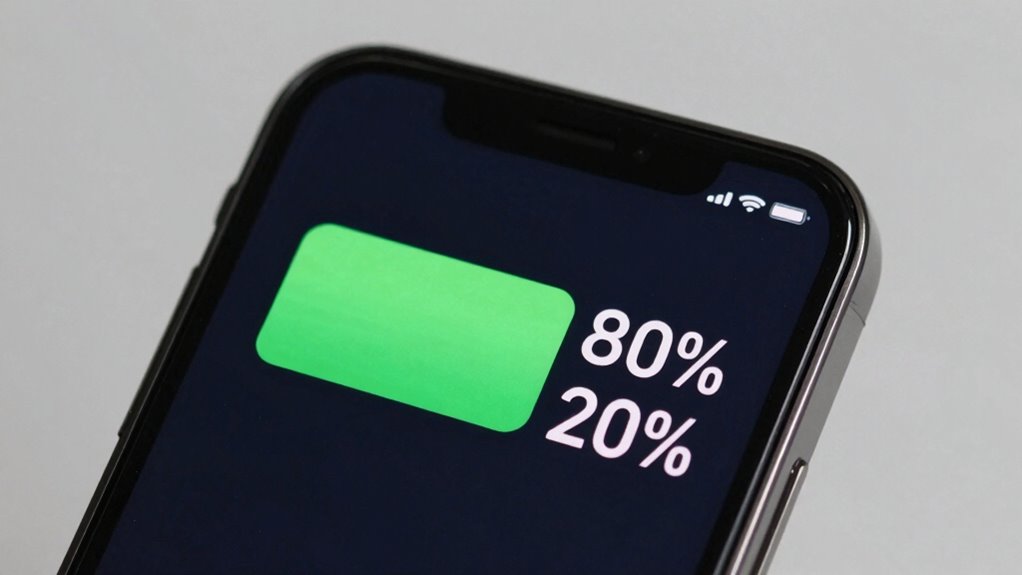
Many people notice their device’s battery life suddenly feels much shorter, but the truth is, capacity loss usually happens gradually over time. It’s easy to think that something has gone wrong overnight, but in reality, your battery’s decline is a slow process. The reason it can feel so abrupt is tied to how your perception and the internal chemistry of the battery interact. Battery chemistry, in particular, plays a significant role in how we experience battery performance. Over numerous charge cycles, the chemical reactions inside your device’s battery change, leading to a gradual decrease in the maximum energy it can store. However, this slow chemical shift often isn’t noticeable until it crosses a certain threshold, making the decline seem sudden.
Battery capacity declines gradually, but perception makes it seem sudden due to chemical changes and thresholds.
Your perception of battery health is heavily influenced by how your device responds to these chemical changes. When the battery’s capacity diminishes, you might notice that your device shuts off unexpectedly or requires more frequent charging. These symptoms seem to come out of nowhere, but they’re actually the result of incremental capacity loss building up over time. The human mind tends to notice drastic changes more than gradual ones, so when the battery suddenly can’t hold a charge as long as it used to, it feels like a sharp drop rather than a slow decline. External conditions, such as temperature or usage patterns, can further amplify this perception, making the decline seem even more unpredictable. Additionally, external factors can amplify this perception, such as when the battery’s chemical reactions slow down temporarily in colder environments, further affecting perceived performance.
For example, if you’re using your device intensely or in colder environments, the battery’s chemical reactions slow down temporarily, making it seem like the battery is failing faster than it actually is. When conditions normalize, the battery might seem to recover briefly, only to decline again, which further fuels the feeling of unpredictability. The key here is understanding that these fluctuations are normal, and they stem from the complex chemistry at work inside your device’s battery. Recognizing that capacity loss can be affected by external conditions helps to demystify these sudden-sounding drops. Moreover, understanding the internal chemical processes provides insight into why batteries age gradually despite seemingly abrupt changes in performance. It is also helpful to understand that external factors like temperature can temporarily alter chemical reactions, influencing performance perception.
Furthermore, being aware of the battery’s chemical aging can help you better anticipate and manage your device’s changing performance over time. In essence, the sensation of a sudden capacity loss isn’t an indication of a malfunction but a combination of gradual chemical changes, how your brain perceives changes in performance, and external influences. Understanding this helps you understand that your battery isn’t failing overnight but is slowly losing its ability to store energy. The real challenge is managing expectations and knowing that such declines are inevitable, even if they seem to happen all at once. That awareness can prepare you to better handle changing battery performance without undue concern.
smartphone battery capacity tester
As an affiliate, we earn on qualifying purchases.
As an affiliate, we earn on qualifying purchases.
Frequently Asked Questions
Can Software Updates Improve Battery Capacity?
Yes, software updates can improve battery capacity by addressing issues related to battery aging and optimizing how your device manages power. Software optimization can enhance charging algorithms and power efficiency, helping you get the most out of your battery. While updates may not fully reverse battery aging, they can reduce unnecessary drain and improve overall performance, making your device feel more responsive and extending its usable life.
How Does Temperature Affect Capacity Loss Perception?
Ever wonder why temperature makes capacity loss seem sudden? When you hit temperature thresholds, thermal fatigue accelerates battery degradation, causing capacity loss to feel abrupt. Extreme heat or cold stresses the battery’s chemistry, making it appear like the capacity suddenly drops. This perception isn’t just in your mind—temperature fluctuations push batteries past their usual limits, triggering faster wear. Staying within ideal temperature ranges helps you avoid these sudden-sounding capacity drops.
Is Capacity Loss Reversible Through Calibration?
Capacity loss from battery degradation isn’t fully reversible through calibration alone. Calibration techniques can help improve the accuracy of capacity readings and optimize performance temporarily, but they don’t reverse the underlying chemical changes causing capacity loss. To truly restore capacity, you’d need more extensive measures like battery replacement or advanced reconditioning methods. Calibration simply helps you better gauge your battery’s current state, not undo the degradation itself.
Do Different Devices Have Varying Capacity Loss Rates?
Yes, different devices have varying capacity loss rates because of battery aging and usage patterns. You’ll notice some batteries degrade faster due to frequent charging cycles, high temperatures, or intensive use. Others may retain capacity longer if handled gently and kept in ideal conditions. Understanding how your device’s usage influences battery health can help you manage and extend its lifespan, reducing sudden capacity drops over time.
Can Charging Habits Influence Perceived Capacity Decline?
Charging habits can definitely influence perceived capacity decline. If you frequently overcharge or let your battery drain completely, it accelerates battery aging and impacts charging cycles. This makes capacity loss seem sudden, even if it’s gradual. Think of it like boiling a frog slowly—you might not notice the change until it’s quite advanced. By managing charging habits, you can slow down capacity decline and keep your device functioning smoothly longer.
Conclusion
Ever notice how your battery seems to drop suddenly, even when the capacity loss is gradual? It’s because your perception lags behind the actual decline, making it feel abrupt. But isn’t it interesting how our senses can deceive us, making a slow change feel like a quick drop? Staying aware of this can help you better understand your device’s true health. So next time it feels sudden, remember — it’s just your perception playing tricks on you.
Halloween Picks
halloween
As an affiliate, we earn on qualifying purchases.