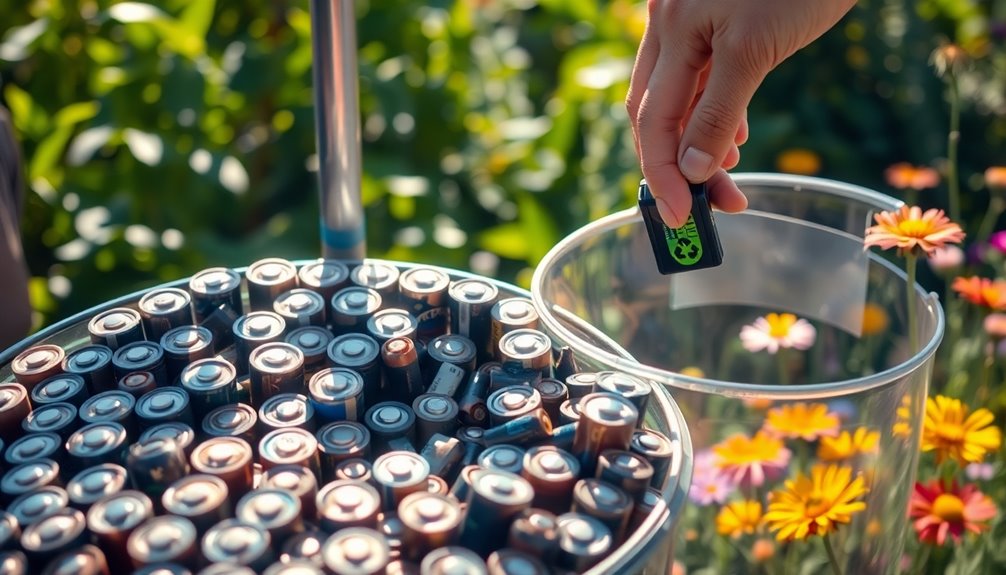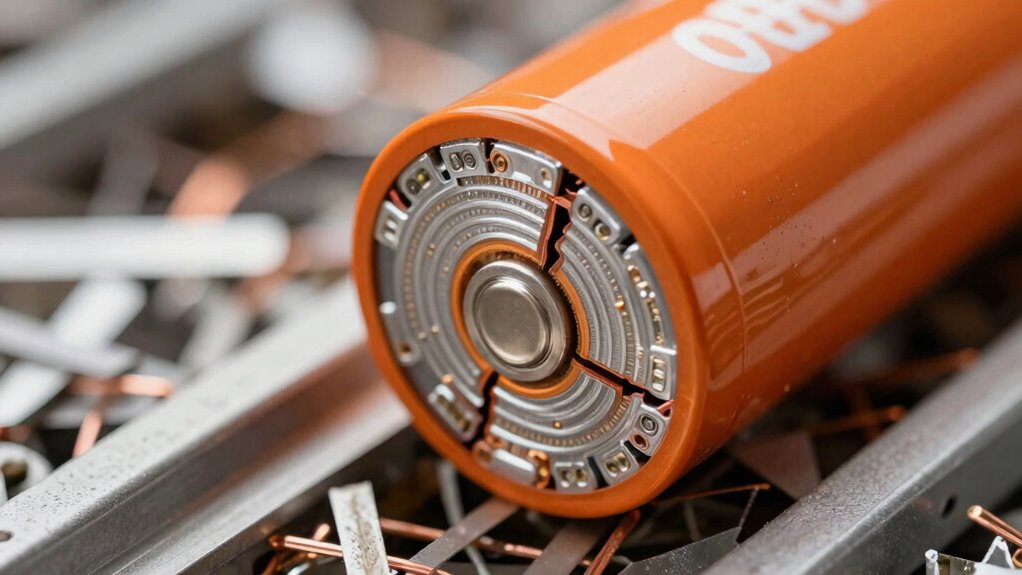

Your approach to battery design directly affects how easy it is to recycle its components. Choosing recyclable electrode materials and creating a modular, disassembly-friendly structure can simplify the recycling process. Avoiding complex coatings or adhesives helps separate materials more efficiently. When batteries are designed with compatibility and standardization in mind, recycling becomes quicker and less costly. If you keep exploring, you’ll discover how innovative design principles can make batteries more eco-friendly and sustainable.
Key Takeaways
- Choice of electrode materials impacts ease of component separation during recycling.
- Modular and simplified battery architectures facilitate quicker and more efficient disassembly.
- Material compatibility and standardization enhance recycling processes and reduce costs.
- Incorporating disassembly-friendly and eco-design principles promotes sustainable battery recycling.
- Consumer and manufacturer preferences influence the development of more recyclable battery designs.
Have you ever wondered how the design of batteries impacts their recyclability? The way a battery is built influences how easily its components can be recovered and reused. One of the key factors is the choice of electrode materials. These materials, like lithium cobalt oxide or nickel-manganese-cobalt (NMC), are integral to the battery’s function but can be tricky to separate once the battery reaches the end of its life. If electrode materials are tightly bound within complex structures or embedded in non-recyclable matrices, recycling becomes more challenging and costly. Conversely, designing batteries with electrode materials that are easier to disassemble or extract can markedly streamline recycling processes, making it more efficient and less environmentally damaging.
Battery design choices, especially electrode materials, greatly influence ease of recycling and environmental sustainability.
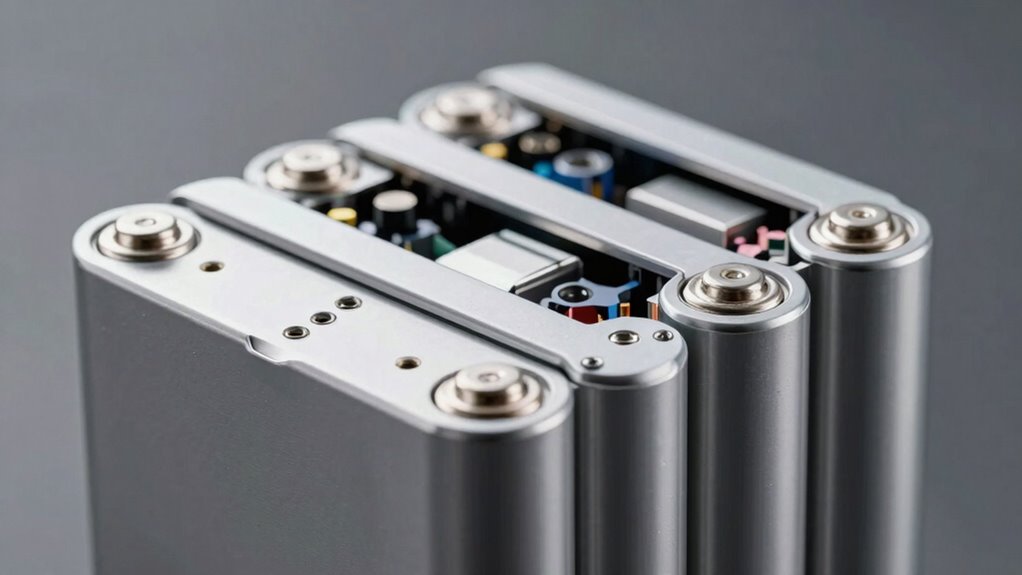
The design choices extend beyond just electrode materials. The overall architecture of the battery affects how straightforward it is to recover its parts. For example, batteries assembled with modular components or simplified layers allow recyclers to access critical elements without breaking down the entire unit. This kind of design consideration reduces the time and effort needed during recycling processes, lowering costs and increasing the likelihood that valuable materials will be reclaimed. Batteries that use adhesives or coatings that are difficult to remove can hinder recycling efforts, leading to waste and loss of raw materials. Hence, thoughtful design that considers disassembly and separation at the manufacturing stage can drastically improve the recyclability of batteries. Additionally, standardized materials can further facilitate efficient recycling.
Another aspect to contemplate is how the materials are combined within the battery. When electrode materials are tightly integrated or coated with substances that resist separation, recycling becomes more complex. Some designs incorporate materials that are incompatible with standard recycling processes, forcing recyclers to develop specialized, costly methods. On the other hand, batteries designed with standardized, compatible materials enable existing recycling processes to work more efficiently. This means that, with better design choices, we can reduce the environmental impact of battery disposal and maximize the reuse of critical raw materials like lithium, cobalt, and nickel. Additionally, advancements in recyclability-focused design can further enhance the sustainability of battery technology. Recognizing how disassembly-friendly design principles impact the overall recyclability can lead to more innovative approaches in battery manufacturing. Furthermore, promoting eco-friendly design can incentivize manufacturers to prioritize sustainability from the outset, encouraging ongoing innovation in this vital area.
Ultimately, your role as a consumer or manufacturer can influence battery design. Encouraging or choosing products with batteries that are easier to disassemble and recycle helps promote sustainable practices. By understanding the importance of electrode materials and how they fit into recycling processes, you can support innovations that prioritize eco-friendly design. As battery technology advances, integrating recyclability into the initial design will become essential for reducing waste, conserving resources, and building a more sustainable future.

Energizer Ultimate Lithium AA Batteries (2 Pack), 1.5V Lithium Double A Batteries
- Package Quantity: 2-pack of AA batteries
- Longest Lasting: World's longest lasting AA batteries
- Temperature Range: Operates from -40°F to 140°F
As an affiliate, we earn on qualifying purchases.
As an affiliate, we earn on qualifying purchases.
Frequently Asked Questions
How Do Different Battery Chemistries Impact Recyclability?
Different battery chemistries impact recyclability through their chemical stability and material compatibility. You’ll find that lithium-ion batteries, with stable chemistries, are easier to recycle because their materials respond well to standard processes. Conversely, batteries with less stable or more complex chemistries, like lithium-sulfur, pose challenges due to material incompatibilities. Your recycling efforts are more efficient when chemistries are designed for better chemical stability and compatible materials.
What Innovations Are Improving Battery Recycling Processes?
You see innovations like advanced sorting techniques, automated dismantling, and improved chemical recovery methods transforming battery recycling. These innovations extend battery lifespan by making recycling more efficient, reduce environmental impact, and lower costs. Recycling incentives encourage manufacturers and consumers to participate, fostering a circular economy. Together, these advancements make recycling more accessible, effective, and sustainable, ensuring batteries are reused and recycled responsibly for a cleaner future.
How Does Battery Size Influence Recycling Efficiency?
Larger batteries tend to slow down recycling speed because they contain more materials, making disassembly and processing more time-consuming. Smaller batteries are easier to handle, which boosts recycling efficiency and reduces waste. When designing batteries, consider size carefully, as optimizing for smaller sizes can improve overall recyclability. By reducing battery size, you help streamline the recycling process, making it quicker and more effective, ultimately supporting sustainable disposal practices.
Are There Environmental Risks Associated With Specific Battery Designs?
Yes, certain battery designs pose environmental risks due to hazardous materials like lithium, cobalt, or nickel, which can leak if not properly contained. These designs also create disposal challenges, especially if they lack recyclability features, increasing the chance of harmful substances contaminating ecosystems. You should prioritize batteries with safer, more recyclable components to reduce environmental risks and ease disposal, protecting both the environment and human health.
How Does Consumer Behavior Affect Battery Recycling Rates?
Think of battery recycling like tending a garden; your habits determine its bloom. When you’re aware of the environmental impact, you’re more likely to recycle batteries properly. Consumer awareness directly influences recycling rates, especially when combined with effective recycling incentives. If you ignore these factors, batteries end up in landfills, risking pollution. Your proactive choices can make a real difference, turning small actions into a greener, healthier planet.
Conclusion
Your choices in battery design could hold the key to a more sustainable future. As technology advances, the way batteries are built might either ease or complicate recycling efforts—changing the game entirely. Will manufacturers prioritize eco-friendly materials and modular designs? The next steps you take now could determine whether our planet can handle the surge in battery waste or if we’ll face unforeseen challenges. The future of recycling depends on what you decide today—are you ready to make that choice?