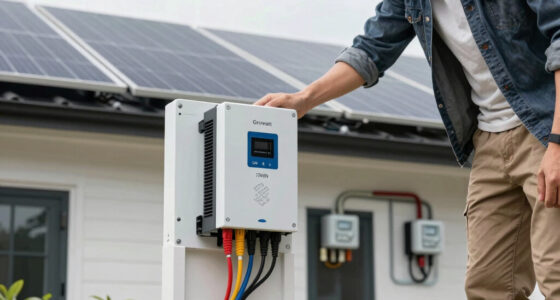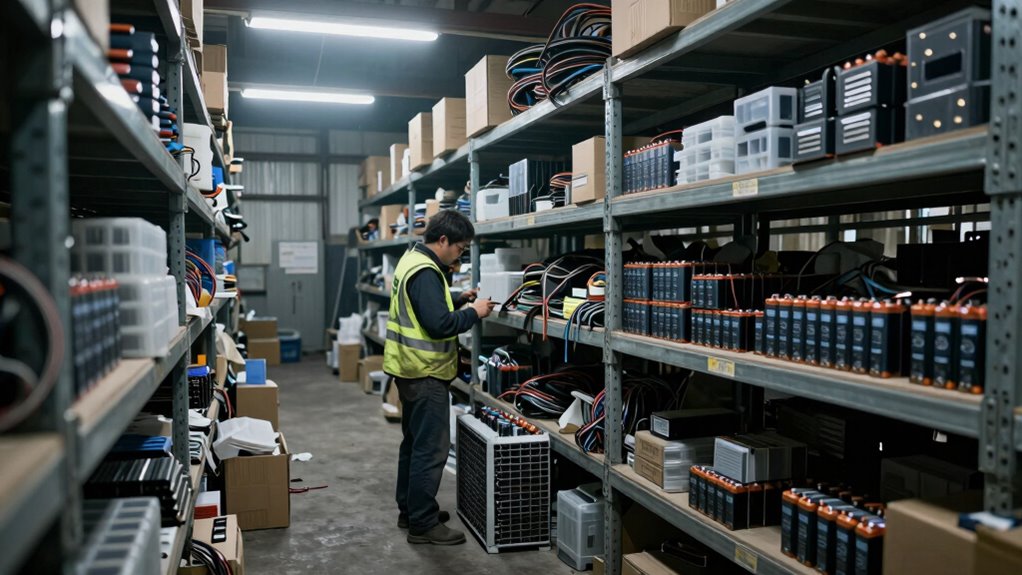

In 2026, your battery supply chain stays strained because critical material shortages persist, and recycling processes remain inefficient and costly. Geopolitical risks in regions like the DRC and China keep supply unstable, making it hard to diversify sources quickly. Waste and environmental concerns also limit supply stability. If you want to understand how these challenges keep impacting the system—and what’s being done to fix them—stick around for more insights.

Get backup power and energy gear delivered free with Prime
- Fast, free delivery on millions of items
- Prime Video, Amazon Music and more included
- Member-only deals all year
Key Takeaways
- Recycling processes remain inefficient and costly, limiting the availability of recycled materials and increasing dependence on primary sources.
- Concentration of critical mineral resources in geopolitically unstable regions raises supply risks and disrupts global supply chains.
- Ongoing geopolitical tensions and trade restrictions in key mineral-producing countries continue to threaten resource stability.
- Infrastructure gaps in recycling and sourcing methods hinder efforts to create a resilient, sustainable supply chain.
- Rapid demand growth outpaces supply, compounded by the complexity of diversifying sources and improving recycling technologies.
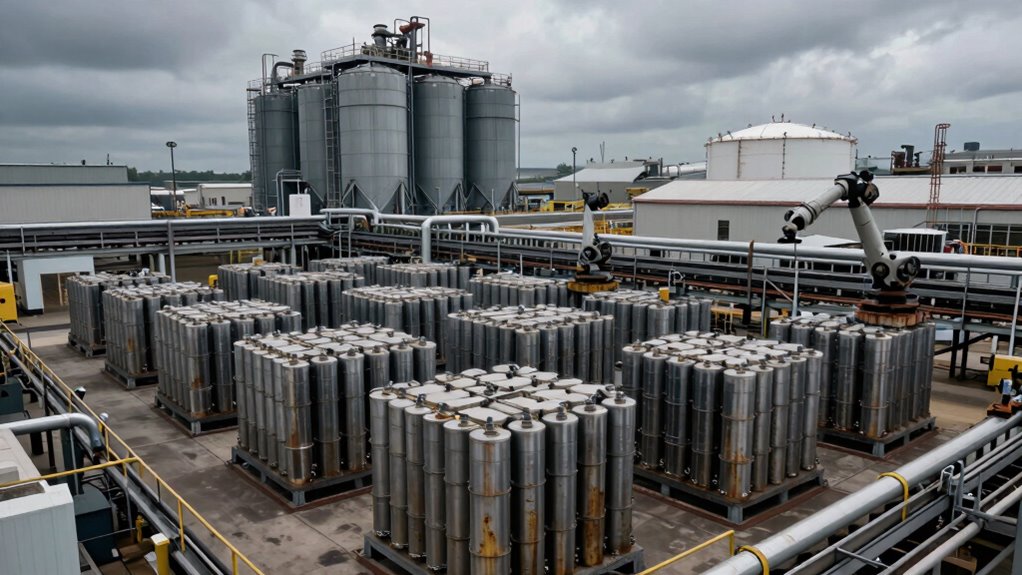
As recycling methods improve, they could eventually stabilize supply chains, but for now, the process remains a bottleneck that keeps pressure high. You may think recycling is simply about reusing old batteries, but in reality, it’s complex and still developing. Recycling efforts help reduce dependency on newly mined materials, which can ease some pressure on supply chains. However, current processes are often inefficient and costly, meaning a significant portion of batteries still end up in landfills or are disposed of improperly. This not only wastes valuable materials but also risks environmental harm. As recycling methods advance and material recovery techniques improve, they could eventually help stabilize supply chains, but for now, the process remains a bottleneck that keeps pressure high. Adding to the complexity are geopolitical risks that threaten the stability of supply chains. Countries rich in critical minerals, like the Democratic Republic of Congo or China, hold a monopoly over key resources. Political instability, trade restrictions, or conflicts in these regions can cause sudden disruptions, leaving manufacturers scrambling to secure supplies. You might not realize how susceptible the entire battery industry is to these geopolitical shifts. When supply chains are concentrated in a few regions, any disturbance can ripple through the global market, driving prices up and delaying production. This instability compels companies to diversify sources, but doing so takes time and investment, leaving the pressure ongoing. In essence, even as innovation in recycling and material sourcing continues, the combination of geopolitical risks and the current limitations of battery recycling technology keeps battery supply chains under stress. The reliance on specific regions remains a significant vulnerability that could exacerbate supply chain disruptions. You can’t overlook the geopolitical landscape, which remains unpredictable and impactful, nor can you ignore the need for advancements in recycling infrastructure. Both factors are key to alleviating some of that pressure, yet they also highlight how fragile the current system remains. Improving recycling infrastructure is crucial for creating a more resilient supply chain in the long term. As demand keeps climbing, the challenge will be balancing resource security with sustainable practices—something that requires coordinated global efforts and innovative solutions.
lithium-ion battery recycling kit
As an affiliate, we earn on qualifying purchases.
As an affiliate, we earn on qualifying purchases.
Frequently Asked Questions
How Are Geopolitical Tensions Impacting Battery Material Sourcing?
You’re likely feeling the effects of geopolitical tensions through trade restrictions and diplomatic conflicts that disrupt battery material sourcing. Countries impose tariffs or export bans, making it harder for you to access essential raw materials like lithium and cobalt. Diplomatic conflicts also create uncertainties, causing supply chain delays and increased costs. These tensions force you to seek alternative sources, often at higher prices, adding complexity to maintaining a stable battery supply.
What New Technologies Could Alleviate Supply Chain Pressures?
Think of battery innovation as a beacon guiding you through turbulent supply waters. Breakthroughs like solid-state batteries and advanced recycling tech can reduce dependence on scarce materials, while logistics optimization streamlines your supply routes, cutting delays and costs. These technologies act as tools opening smoother supply chains, helping you meet demand confidently. Embracing these innovations guarantees you stay resilient, turning challenges into opportunities for growth amidst ongoing pressures.
Are Recycling Efforts Enough to Meet Future Battery Demands?
Recycling efforts alone won’t fully meet future battery demands, but they’re vital for resource efficiency. You should support advancements in battery recycling technology to recover valuable materials like lithium and cobalt more effectively. By prioritizing battery recycling, you help reduce reliance on raw material extraction, lessen environmental impact, and improve supply chain resilience. However, ongoing innovation and sustainable practices are necessary to guarantee these efforts keep pace with rising demand.
How Does Consumer Demand Influence Supply Chain Stability?
You might think consumer demand doesn’t impact supply chains, but it definitely does. When consumer behavior shifts toward electric vehicles or renewable energy, it causes market fluctuations, straining supply chains. High demand can lead to shortages and delays, while decreased interest can cause overstocking. Your purchasing choices directly influence how companies manage inventory and resources, making consumer demand a vital factor in maintaining supply chain stability for batteries.
What Role Do Government Policies Play in Supply Chain Resilience?
Government policies profoundly impact supply chain resilience by addressing regulatory hurdles and promoting supply chain transparency. You can expect policies to streamline regulations, reduce delays, and encourage transparency, which helps identify vulnerabilities early. When governments prioritize clear, consistent policies, it becomes easier for you to navigate supply chain disruptions, ensuring a more stable flow of materials. Ultimately, proactive policies strengthen your ability to adapt and maintain battery supply chain stability amid ongoing challenges.
Conclusion
So, even in 2026, your battery supply chain faces a stormy sea, with waves of demand, geopolitical tensions, and resource scarcity threatening smooth sailing. Just like a skilled sailor navigates rough waters, you need strategic foresight and resilient planning to keep your supply chain afloat. Staying adaptable is your compass—guiding you through unpredictable currents and ensuring your batteries keep powering the future without capsizing under pressure.
Fall Picks
fall essentials
As an affiliate, we earn on qualifying purchases.