
Equalization charging helps your lead-acid batteries by balancing voltage levels, breaking down sulfate crystals, and promoting uniform chemistry, which extends their lifespan and boosts performance. Use it only when necessary, like when you notice voltage imbalances or reduced capacity, and always follow safety guidelines to prevent damage. Misusing equalization—like overcharging or exceeding recommended durations—can cause overheating, gassing, or permanent damage. To keep your batteries healthy and safe, understanding proper procedures is essential—more insights await you.

Get backup power and energy gear delivered free with Prime
- Fast, free delivery on millions of items
- Prime Video, Amazon Music and more included
- Member-only deals all year
Key Takeaways
- Equalization helps by balancing cell voltages, preventing stratification, and breaking down lead sulfate crystals to extend battery life.
- It should only be performed when signs like uneven voltage or reduced capacity indicate imbalance or sulfation.
- Proper timing and controlled voltage prevent overcharging, gassing, and damage; excessive or frequent equalization can harm batteries.
- Misuse, such as overdoing equalization or neglecting safety precautions, can cause water loss, plate damage, or safety hazards.
- Post-equalization, batteries need cooling and stabilization before use; improper procedures can shorten lifespan or cause failure.
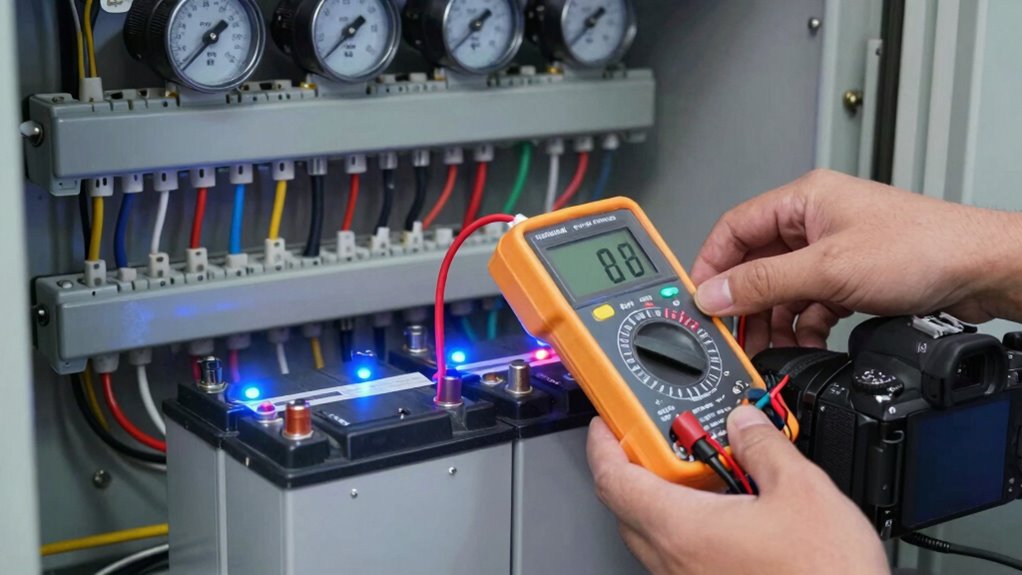
Have you ever wondered how to keep your battery packs balanced and performing at their best? Proper battery maintenance is essential to ensure longevity and reliable performance, especially with lead-acid batteries. One key aspect of this maintenance is equalization charging, a process designed to balance the individual cells within a battery bank. When done correctly, it can prevent issues like sulfation, uneven wear, and reduced capacity. However, if misused or ignored, it can do more harm than good, leading to damage and safety hazards. Understanding when equalization is beneficial and when it’s dangerous is crucial to maintaining your batteries safely.
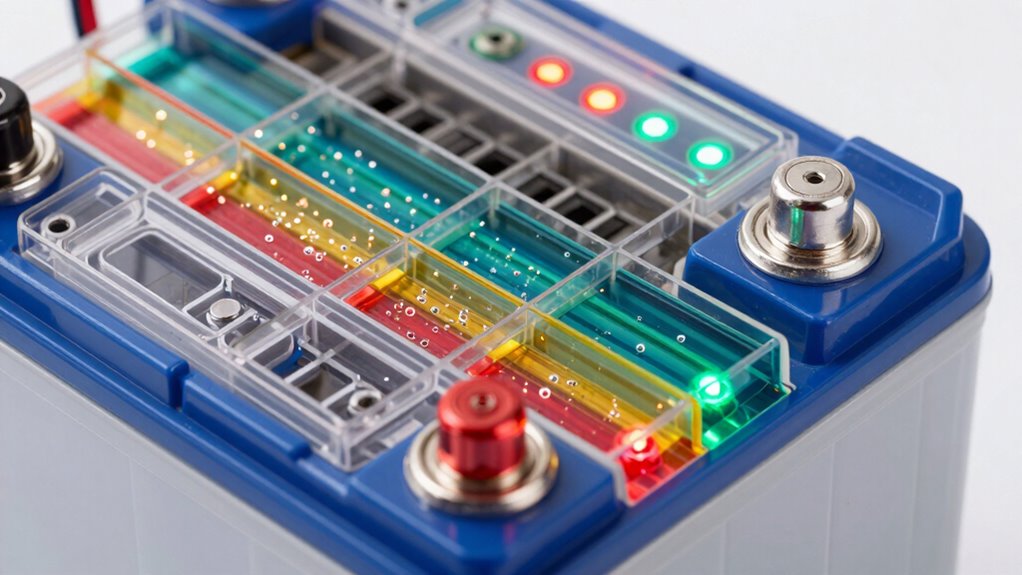
Equalization charging involves applying a controlled, higher voltage than the standard charging voltage to equalize the voltage levels across all cells. This process helps to eliminate stratification—where the electrolyte becomes uneven—and breaks down lead sulfate crystals that form during normal use. When your batteries are regularly equalized, you promote uniform cell chemistry, which can extend their lifespan and improve overall performance. But before you proceed with equalization, you should always review the manufacturer’s guidelines and follow safety precautions meticulously. Lead-acid batteries contain sulfuric acid and produce explosive gases during charging, so working in a well-ventilated area, wearing protective gear, and avoiding sparks or open flames are vital safety precautions.
Regular equalization balances cells and extends battery life; always follow safety guidelines and manufacturer instructions carefully.
Knowing when to perform an equalization charge is equally important. Typically, it’s recommended when your batteries show signs of uneven voltage, reduced capacity, or if you notice a specific cell consistently underperforming. Regular testing of your battery bank’s voltage and specific gravity helps identify these issues early. However, don’t attempt equalization too often or without proper monitoring. Excessive or improper equalization can cause overheating, excessive gassing, and damage to the plates. Overcharging can lead to water loss, requiring frequent electrolyte top-ups, which, if neglected, can cause permanent damage. Additionally, understanding whole-home backup power needs and proper sizing can help determine if equalization is appropriate for your setup.
In addition, you need to be cautious about the timing and duration of the process. Usually, equalization lasts a few hours, but it should never be prolonged beyond the manufacturer’s recommendations. Always disconnect or isolate your batteries during this process to prevent damage to connected devices and reduce safety risks. Finally, after equalization, give your batteries adequate time to cool down and stabilize before reconnecting and resuming normal use. Proper battery maintenance, including cautious and informed equalization charging, can substantially enhance your battery’s lifespan and safety. But remember, when in doubt, consult your battery manufacturer’s instructions or seek professional advice to avoid potential hazards and ensure peak performance.
lead-acid battery equalization charger
As an affiliate, we earn on qualifying purchases.
As an affiliate, we earn on qualifying purchases.
Frequently Asked Questions
Can Equalization Be Performed on All Types of Lead-Acid Batteries?
You can’t perform equalization on all lead-acid batteries. Battery compatibility varies, especially between flooded, AGM, and gel types. Always check the manufacturer’s guidelines before attempting this maintenance procedure. For flooded batteries, equalization can help balance cells and extend lifespan, but it risks damage if done improperly. For sealed AGM or gel batteries, avoid equalization unless explicitly recommended, as it can harm their internal structure.
How Often Should Equalization Charging Be Conducted for Optimal Battery Life?
You should conduct equalization charging about once every 30 to 60 days, depending on your battery’s usage and manufacturer’s recommendations. Regular battery maintenance and proper charging schedules are key to extending your lead-acid batteries’ lifespan. Keep an eye on voltage and specific gravity levels, and don’t overdo it, as excessive equalization can damage your batteries. Always follow the manufacturer’s guidelines for ideal results.
What Are the Signs That a Battery Needs Equalization?
Did you know that 60% of lead-acid battery failures are due to imbalance? If you notice signs of imbalance like voltage inconsistencies or uneven charge levels, it’s time for equalization. These symptoms indicate your batteries aren’t balanced, risking damage and reduced lifespan. Keep an eye on voltage readings and performance to catch issues early. Proper equalization helps maintain battery health, but avoid overdoing it to prevent harm.
Are There Safety Precautions to Consider During Equalization Charging?
Yes, you should take safety precautions during equalization charging. Always wear protective gear like gloves and goggles to prevent acid splashes. Guarantee proper ventilation in the area to disperse harmful gases released during the process. Keep a fire extinguisher nearby, and avoid open flames or sparks. Monitoring the battery and following manufacturer instructions also helps prevent accidents, ensuring a safe and effective equalization.
How Does Temperature Affect the Equalization Process?
Temperature markedly impacts the equalization process by affecting the thermal impact on your batteries. If it’s too hot, excessive heat can cause thermal runaway or damage the plates, so you need to monitor ambient influence carefully. Cooler temperatures slow chemical reactions, making equalization less effective. Always perform equalization in a stable environment, avoiding extreme temperatures, to ensure it benefits your batteries without risking thermal damage.
Conclusion
Think of equalization charging as a delicate dance—it can harmonize your lead-acid batteries or throw them off balance. When done correctly, it’s like watering a garden just enough to help every plant thrive. But push too hard or do it improperly, and you risk damaging the very roots you’re trying to nurture. Keep it precise and intentional, and your batteries will sing in perfect harmony for years to come.
Halloween Picks
halloween
As an affiliate, we earn on qualifying purchases.