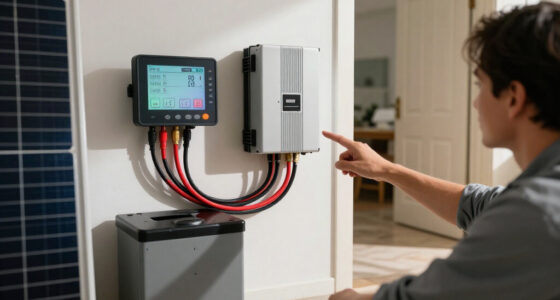

When it comes to maintaining balanced battery cells and ensuring optimal performance, a reliable battery balancer is essential. The MAZAVA Battery Equalizer HX02 stands out as the best overall choice thanks to its versatile LCD display and compatibility across multiple voltages. For those with smaller systems, the ISDT Active Battery Balancer offers excellent accuracy and ease of use, while the Victron Energy Battery Balancer shines for high-end, professional setups. The main challenge in this category lies in balancing cost versus features—more advanced options tend to be pricier but deliver better long-term reliability. Keep reading for a detailed breakdown of these options and how to pick the right one for your system.

Get backup power and energy gear delivered free with Prime
- Fast, free delivery on millions of items
- Prime Video, Amazon Music and more included
- Member-only deals all year
Key Takeaways
- Top choices balance between affordability and advanced features, with the MAZAVA model offering broad compatibility and user-friendly displays.
- Many products excel in specific systems like LiFePO4 or lead-acid, emphasizing the importance of matching the balancer to your battery chemistry.
- Active balancing technology generally provides more consistent performance compared to passive options, but at a higher cost.
- Build quality and ease of installation vary widely; robust design and clear instructions make a significant difference in long-term use.
- Pricing reflects features such as voltage range, display quality, and compatibility, so buyers should weigh immediate costs against future reliability.
| MAZAVA Battery Equalizer HX02 LCD Display 4S 12V/24V/36V/48V Connect Voltage Active Balancer for Lead Acid Batteries | 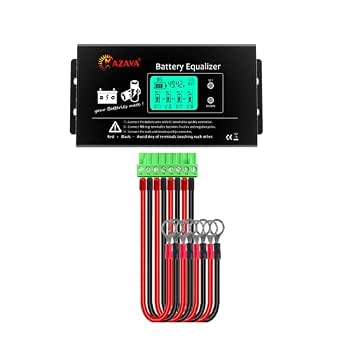 | Best Overall for Lead Acid Systems | Model: HX02 | Display: LCD | Voltage Range: 7-18V | VIEW ON AMAZON | See Our Full Breakdown |
| Redodo 24V Battery Equalizer with LED Display for LiFePO4, Lead Acid, Gel Batteries |  | Best for Multi-Battery Types and Flexibility | Voltage Range: 3-18V | Max Equalization Current: 10A | Battery Compatibility: LiFePO4, GEL, SLA, FLD | VIEW ON AMAZON | See Our Full Breakdown |
| 48V Battery Equalizer, Max 4 x 12V Batteries Voltage Balancer Charger for 24V/36V/48V Bank, Especially for Series-connected 48V Golf Cart Batteries |  | Best for 48V Golf Cart and Marine Systems | Voltage Compatibility: 24V/36V/48V | Battery Configuration: Up to 4 x 12V | Balance Activation: Voltage difference > 10mV | VIEW ON AMAZON | See Our Full Breakdown |
| 4S 6S 8S Active Balancer with Voltage Display for LiFePO4, Lipo, LTO Batteries |  | Best for Lithium Battery Pack Maintenance | Working Voltage: 1.8V-4.5V | Output Voltage: 4.5V DC | Plug Type: Type A | VIEW ON AMAZON | See Our Full Breakdown |
| Mazava HC02 LED Tube Display Battery Equalizer Voltage Regulator 4pcs Batteries Active Balancer 4S for 48V Battery System |  | Best for 48V Solar and Off-Grid Systems | Number of Batteries: 4pcs | Battery Connection: 4S series | Application: 48V battery system, solar | VIEW ON AMAZON | See Our Full Breakdown |
| ISDT Active Battery Balancer for 2S to 8S Lithium Batteries with Voltage Display |  | Best for Portable, On-the-Go Lithium Battery Maintenance | Power Source: Battery Powered | Style: Handy | Color: Black | VIEW ON AMAZON | See Our Full Breakdown |
| Battery Equalizer 48V Voltage Balancer for N×48V Battery Systems |  | Best for Versatile Multi-Chemistry 48V Battery Management | Voltage: 48V | Battery configuration: Four 12V batteries in series or parallel | Maximum compensation current: 10A | VIEW ON AMAZON | See Our Full Breakdown |
| PowMr Battery Equalizer 48V – Battery Voltage Balancer for 4×12V or 8×12V Battery Banks |  | Best for Auto, Marine, and Solar Battery Banks | Operation Mode: Automatic | Current Rating: 10 Amps | Operating Voltage: 48 Volts | VIEW ON AMAZON | See Our Full Breakdown |
| Power Queen 48V Battery Balancer for 24V/36V/48V Systems |  | Best for Wide-Range System Compatibility and Auto Balancing | Battery Voltage Support: 24V, 36V, 48V | Connection Ports: 4 | Auto-Balancing: Yes | VIEW ON AMAZON | See Our Full Breakdown |
| Mazava HA02 Battery Equalizer Voltage Regulator Balancer for 4 Batteries in 48V Systems |  | Best for Simple, Reliable Series or Parallel Battery Balancing | Output Voltage: 12 Volts | Input Voltage: 12 Volts | Current Rating: 10 Amps | VIEW ON AMAZON | See Our Full Breakdown |
| ECO-WORTHY 48V Battery Equalizer and Balancer for Series Batteries |  | Best Versatile Multi-Chemistry Balancer | Product Dimensions: 7.1 x 4.3 x 1.6 inches | Item Weight: 1.06 pounds | Supported Voltage: 24V/36V/48V | VIEW ON AMAZON | See Our Full Breakdown |
| Victron Energy Battery Balancer |  | Best for Series and Parallel Battery Systems | Voltage: 12V, 24V, 48V | Current: Up to 1 Amp | Application: Series and parallel battery configurations | VIEW ON AMAZON | See Our Full Breakdown |
| Tenergy 5-in-1 Battery Meter, Digital Cell Checker and Balancer for LiPo, LiFePO4, Li-ion, NiCd, NiMH Batteries |  | Best Multi-Function Battery Tester and Balancer | Power Source: Battery Powered | Measurement Type: Battery Tester | Style: Voltage Tester | VIEW ON AMAZON | See Our Full Breakdown |
| PowMr Battery Equalizer Voltage Balancer for 24V Lead-Acid Batteries |  | Best Budget Lead-Acid Balancer | Voltage: 24V | Battery Types: Lead-Acid (AGM, Gel, Flood) | Maximum Compensation Current: 5A | VIEW ON AMAZON | See Our Full Breakdown |
| LiTime 48V Battery Equalizer Active Balancer for 24V/36V/48V Battery Banks |  | Best for Active Balancing with High-Temperature Protection | Battery Voltage Support: 24V/36V/48V | Connection Ports: 4 | Max Working Current: 10A | VIEW ON AMAZON | See Our Full Breakdown |
More Details on Our Top Picks
MAZAVA Battery Equalizer HX02 LCD Display 4S 12V/24V/36V/48V Connect Voltage Active Balancer for Lead Acid Batteries
The MAZAVA HX02 stands out for its versatile support of multiple configurations, making it a top choice for users with varied lead acid battery setups. Its LCD display offers clear real-time voltage monitoring, which is essential for maintaining balanced cells. Compared with products like the Mazava HC02, the HX02’s broader compatibility and support for parallel modules provide greater flexibility. However, its specialization for lead acid batteries limits its use with newer lithium-based chemistries. Its robust aluminum shell aids heat dissipation, but the absence of detailed balancing speed data means I need to consider installation carefully for optimal performance. This makes the HX02 ideal for those needing a durable, easy-to-monitor solution for traditional lead acid banks, especially in stationary or solar applications.
Pros:- Supports multiple configurations and parallel modules
- LCD display for straightforward monitoring
- Durable aluminum alloy shell enhances heat management
Cons:- Limited to lead acid batteries only
- Lacks detailed info on balancing speed and cycle life
Best for: Owners of lead acid battery banks seeking a reliable, monitorable balancing solution.
Not ideal for: Users with lithium or mixed chemistries who require faster or more advanced balancing features.
- Model:HX02
- Display:LCD
- Voltage Range:7-18V
- Supported Configurations:4S, 12V, 24V, 36V, 48V
- Application:Lead acid batteries
- Material:Aluminum alloy
Our verdict“Ideal for lead acid system owners who prioritize durability and monitoring ease over advanced features.”
Redodo 24V Battery Equalizer with LED Display for LiFePO4, Lead Acid, Gel Batteries
The Redodo 24V Equalizer offers broad compatibility with various battery chemistries, including LiFePO4 and Gel, making it suitable for diverse applications like RVs, solar, and marine systems. Its automatic balancing helps prolong battery life, and the LED display provides straightforward voltage monitoring. Compared to the 48V Mazava HC02, this model’s support for multiple chemistries and its 10A current capacity make it more adaptable for different setups. Still, its 24V limitation and installation sensitivity mean users need to be cautious to avoid long-term reverse polarity issues. The protections against high temperatures and reverse connections are beneficial, but the lack of detailed balancing speed or cycle data suggests it’s better suited for maintenance rather than heavy-duty balancing tasks. This pick makes the most sense for owners of mixed battery systems who want an easy, versatile balancing solution.
Pros:- Supports multiple battery types including LiFePO4 and Gel
- LED voltage display simplifies monitoring
- Automatic balancing extends battery lifespan
Cons:- Limited to 24V systems, less suited for larger setups
- Installation requires careful handling to avoid reverse polarity
Best for: DIY enthusiasts managing varied battery chemistries needing a flexible, easy-to-read balancer.
Not ideal for: Large-scale or high-current applications where detailed specs and higher capacity are required.
- Voltage Range:3-18V
- Max Equalization Current:10A
- Battery Compatibility:LiFePO4, GEL, SLA, FLD
- Cable Length:50cm
- Protection Features:Reverse connection, high temperature
- Warranty:1 year
Our verdict“Best for owners of mixed batteries seeking a user-friendly, adaptable balancing device.”
48V Battery Equalizer, Max 4 x 12V Batteries Voltage Balancer Charger for 24V/36V/48V Bank, Especially for Series-connected 48V Golf Cart Batteries
The 48V Max Equalizer excels in balancing multiple 12V batteries in larger banks, such as those used in golf carts and marine applications. Its automatic balancing activates when voltage differences exceed 10mV, which helps optimize battery lifespan over many cycles—up to 3000 cycles in theory. Compared with the MAZAVA HX02, this model’s focus on 48V systems makes it more specialized but less versatile for other configurations. Its reverse polarity protection adds safety, yet understanding battery configurations is crucial for correct use, which could pose a challenge for beginners. The high cycle life and compatibility with various chemistries make it suitable for demanding environments, but it might be overkill for small or simple setups. This makes it a solid pick for those managing multiple series-connected batteries in demanding applications like golf carts or solar systems.
Pros:- Automatic balancing improves battery lifespan
- Compatible with multiple chemistries including LiFePO4
- Reverse polarity protection enhances safety
- Supports up to 4 batteries for larger setups
Cons:- Requires understanding of battery configurations for proper installation
- May be unnecessarily complex for small or simple systems
Best for: Golf cart or marine system owners needing reliable, long-life battery balancing.
Not ideal for: Small or single-battery users who don’t require extensive balancing features or multiple batteries.
- Voltage Compatibility:24V/36V/48V
- Battery Configuration:Up to 4 x 12V
- Balance Activation:Voltage difference > 10mV
- Cycle Life:Up to 3000
- Capacity:15000 Ah
- Protection Features:Reverse polarity
Our verdict“Designed for users with larger 48V battery banks needing consistent, long-term balancing performance.”
4S 6S 8S Active Balancer with Voltage Display for LiFePO4, Lipo, LTO Batteries
This Active Balancer is tailored for lithium packs, supporting 4S, 6S, and 8S configurations with a clear voltage display, making it a good choice for hobbyists or small-scale solar projects. Its low standby current and integrated protections help keep batteries healthy without excessive power drain. Compared to the Redodo 24V Equalizer, this device offers more detailed support for lithium-based chemistries and multiple cell configurations, but it requires correct wiring to avoid short circuits—an important consideration for DIY users. Manual balancing steps may be necessary, which could be less convenient for those seeking automatic, plug-and-play solutions. Its compatibility with batteries from 60 to 300Ah makes it suitable for larger lithium packs but less so for smaller or older batteries. This makes it an excellent choice for maintaining lithium packs in a controlled manner.
Pros:- Supports multiple lithium configurations (4S, 6S, 8S)
- Includes voltage display for easy monitoring
- Low standby current and built-in protections
Cons:- Requires correct wiring to prevent short circuits
- Manual operation may be needed for balancing
Best for: Lithium battery pack owners needing precise voltage monitoring and balancing for 4S to 8S configurations.
Not ideal for: Users with lead acid or other chemistries or those seeking automatic balancing without manual intervention.
- Working Voltage:1.8V-4.5V
- Output Voltage:4.5V DC
- Plug Type:Type A
- Power Source:Corded Electric
- Item Weight:0.3 kg
- Warranty & Support:30-Day Return
Our verdict“Perfect for lithium pack users who want detailed voltage info and reliable balancing in small to medium configurations.”
Mazava HC02 LED Tube Display Battery Equalizer Voltage Regulator 4pcs Batteries Active Balancer 4S for 48V Battery System
The Mazava HC02 offers a straightforward solution for balancing four series-connected 12V batteries, especially in 48V solar power systems. Its LED tube display makes voltage readings clear, aiding quick assessments. Compared to the 48V Max Equalizer, the HC02’s simplicity suits smaller, fixed systems well but lacks detailed specs on balancing speed or cycle life, which might be a concern for long-term maintenance. Its technical installation requires some familiarity, and it may not support more complex or larger battery banks without additional units. Still, for users focused on solar off-grid setups, the HC02 provides a dependable, easy-to-read balance function that helps extend battery life when used properly.
Pros:- LED display for clear voltage readings
- Helps extend battery life through balancing
- Suitable for 48V solar power systems
Cons:- Limited detail on balancing performance and cycle life
- Requires technical installation and understanding
Best for: Solar panel users with 48V battery banks needing simple, reliable balancing.
Not ideal for: High-capacity or highly dynamic systems requiring advanced or automated balancing features.
- Number of Batteries:4pcs
- Battery Connection:4S series
- Application:48V battery system, solar
Our verdict“Best suited for small to medium 48V solar systems seeking a basic, easy-to-monitor balancing solution.”
ISDT Active Battery Balancer for 2S to 8S Lithium Batteries with Voltage Display
The ISDT BL8 stands out for its compact size and real-time voltage monitoring, making it ideal for field use or hobbyists managing multiple lithium packs. Compared to the Power Queen 48V Balancer, it offers more precise cell-level data via its color display and app connectivity, which is valuable for detailed management. However, its focus on lithium batteries means it can’t support lead-acid or other chemistries, limiting versatility. The app control provides advanced settings, but this adds complexity for casual users. Its lightweight build (28.8 grams) and support for 2S-8S packs suit users who need portable, active balancing without bulky equipment. The tradeoff is reliance on app connectivity for full feature access, which could be inconvenient in remote environments.
Pros:- Efficient active balancing reduces heat waste and improves battery health
- Color display and app connectivity enable detailed cell monitoring
- Supports a wide range of lithium battery packs (2S-8S)
Cons:- Advanced features require smartphone app setup, which may be complex
- Limited to lithium chemistries, not suitable for other battery types
Best for: Hobbyists or technicians balancing lithium batteries in the field requiring detailed voltage data and app control.
Not ideal for: Users with primarily lead-acid batteries or those seeking a simple, plug-and-play solution without app dependencies.
- Power Source:Battery Powered
- Style:Handy
- Color:Black
- Item Weight:28.8 Grams
- Item Dimensions:2.6 x 1.68 x 0.51 inches
- Supported Battery Packs:2S-8S Lithium (LiPo, LiFe, Li-ion)
- Maximum Current:3A
- Display:Color screen for voltage and cell monitoring
- Connectivity:Smart app monitoring
Our verdict“This balancer is best for lithium users who want detailed, portable control but are comfortable with app-based management.”
Battery Equalizer 48V Voltage Balancer for N×48V Battery Systems
The Battery Equalizer 48V is designed to maintain charge balance across four 12V batteries, making it suitable for a variety of setups like solar or RV systems. Compared with the PowMr 48V Balancer, it offers support for multiple chemistries, including lead acid and LiFePO4, providing broader flexibility. Its maximum current of 10A allows for effective balancing, but the system requires multiple units for higher voltages, which can increase complexity and cost. Its reverse polarity protection adds reliability, yet the limited info on durability and long-term performance suggests it’s better suited for users with some technical experience. The compact design and wide compatibility make it appealing for small to medium-sized battery banks, but it may not be the best choice for very large or high-current applications.
Pros:- Supports multiple battery chemistries including lead acid and LiFePO4
- Easy to connect in series or parallel configurations
- Provides reverse polarity protection and low-voltage cutoff
Cons:- Requires multiple units for larger systems, increasing complexity
- Limited to 10A current compensation, possibly slow for large banks
Best for: DIY solar enthusiasts balancing mixed battery chemistries in small to medium off-grid systems.
Not ideal for: Large-scale industrial or high-current battery setups where higher current balancing is needed.
- Voltage:48V
- Battery configuration:Four 12V batteries in series or parallel
- Maximum compensation current:10A
- Activation voltage difference:Exceeds 10mV
- Protection features:Reverse polarity, low-voltage cutoff
Our verdict“This balancer suits users managing varied battery types in small to medium systems who need reliable, versatile balancing tools.”
PowMr Battery Equalizer 48V – Battery Voltage Balancer for 4×12V or 8×12V Battery Banks
The PowMr Battery Equalizer 48V emphasizes automatic balancing with intelligent protection for various applications like boats, solar setups, and electric vehicles. Compared with the Mazava HA02, it offers a higher wattage (480W) and a broader set of features, including automatic operation and multiple protection modes, making it suitable for users who prefer hands-off management. Nonetheless, it can produce operational sounds, which might be distracting in quiet environments. Its 10A current limit makes it suitable for smaller banks but less effective for larger, high-current systems. Installation requires some technical skill, especially in ensuring proper connections. Its automatic features and compatibility make it appealing for users seeking a set-and-forget solution.
Pros:- Extends battery lifespan through automatic balancing
- Compatible with a variety of battery configurations and types
- Includes intelligent protection features like reverse polarity and temperature sensors
Cons:- Installation complexity requires some electrical knowledge
- Operational sounds may be disruptive in quiet environments
Best for: Automotive, marine, or solar users seeking an automatic, low-maintenance balancing solution for 48V battery banks.
Not ideal for: High-current or industrial applications where larger balancing capacity is needed or for users who prefer manual control.
- Operation Mode:Automatic
- Current Rating:10 Amps
- Operating Voltage:48 Volts
- Control Method:Flow Switch, Temperature Switch
- Wattage:480 watts
- Compatible Vehicle Types:autos, boats, golf carts, motorcycles, trucks, RVs, electric forklifts
Our verdict“This balancer offers automatic, safe balancing for users who prioritize ease of use in small to medium battery systems.”
Power Queen 48V Battery Balancer for 24V/36V/48V Systems
The Power Queen 48V Balancer supports multiple voltages, making it flexible for various applications such as RVs, solar setups, or off-grid power. Compared to the Mazava HA02, it offers support for 24V, 36V, and 48V systems, along with automatic balancing, which simplifies maintenance. Its safety features, including reverse polarity and high-temperature protection, add confidence for DIY or semi-professional users. Its compact size and auto operation make it appealing for those with technical knowledge who want an adaptable solution, but it may fall short for users seeking detailed long-term durability data.
Pros:- Supports multiple voltages (24V, 36V, 48V)
- Automatically balances batteries, reducing manual intervention
- Includes safety features like reverse polarity and high-temp protection
Cons:- Customer satisfaction is moderate, indicating some setup or durability issues
- May require technical expertise for optimal installation
Best for: Off-grid or RV owners needing a versatile, auto-balancing system across multiple voltages.
Not ideal for: Large-scale industrial systems or those requiring high current capacity beyond 10A.
- Battery Voltage Support:24V, 36V, 48V
- Connection Ports:4
- Auto-Balancing:Yes
- Standby Power Consumption:5mA
Our verdict“This balancer fits owners of small to medium systems who want flexible, automatic battery management, provided they have some technical skill.”
Mazava HA02 Battery Equalizer Voltage Regulator Balancer for 4 Batteries in 48V Systems
The Mazava HA02 is a straightforward, reliable solution for maintaining four 12V batteries in series or parallel, making it suitable for solar, marine, and EV applications. Compared with the PowMr Balancer, it offers a compact form factor and automatic balancing features, but with the same 10A current limit, which might be slow for larger banks. Its automatic operation helps users avoid manual adjustments, though the lack of detailed long-term performance data suggests it’s best for users who want a basic, dependable device. Its small dimensions (2.44″D x 4.88″W x 1.06″H) make it easy to install in tight spaces, but reliance on proper connection is critical for effectiveness.
Pros:- Automatically maintains battery balance to extend lifespan
- Compact size facilitates installation in confined spaces
- Suitable for various applications including solar and automotive
Cons:- Limited to 10A current, possibly slow for large banks
- No extensive user feedback on long-term durability
Best for: DIY or small-scale solar, marine, and electric vehicle systems needing simple, automatic balancing.
Not ideal for: Large or high-current battery banks that demand faster balancing or manual control for precision.
- Output Voltage:12 Volts
- Input Voltage:12 Volts
- Current Rating:10 Amps
- Number of Ports:4
- Dimensions:2.44″D x 4.88″W x 1.06″H
- Color:Black, Red
Our verdict“This device is suitable for users seeking a compact, automatic balancer for small to medium battery setups with moderate current needs.”
ECO-WORTHY 48V Battery Equalizer and Balancer for Series Batteries
This model stands out for supporting a wide range of battery chemistries, including LiFePO4, lead-acid, gel, SLA, NiMH, and NiCd, making it highly adaptable to different setups. Compared with simpler, single-chemistry balancers like the PowMr 24V Lead-Acid Equalizer, the ECO-WORTHY offers automatic self-balancing, which significantly extends battery lifespan without manual intervention. Its ease of installation and reverse polarity protection add to its user-friendliness, but it may emit faint operational sound, and it’s primarily designed for series batteries, limiting its use with parallel configurations. This pick makes the most sense for users with mixed battery types or those seeking a plug-and-play balancing solution across various chemistries. Supports multiple chemistries, automatic self-balancing, reverse polarity protection. Limited to series batteries, minor operational noise.Pros:- Supports multiple battery chemistries for versatile use
- Automatic self-balancing enhances battery lifespan
- Reverse polarity protection improves safety
- Easy to install and operate
Cons:- May emit faint operational sound during balancing
- Designed primarily for series batteries, limited for parallel setups
Best for: DIY enthusiasts or professionals managing diverse battery systems who want a versatile, automatic balancer.
Not ideal for: Users with only lead-acid batteries in small setups, as this device’s multi-chemistry support may be unnecessary and slightly more complex than needed.
- Product Dimensions:7.1 x 4.3 x 1.6 inches
- Item Weight:1.06 pounds
- Supported Voltage:24V/36V/48V
- Battery Types:LiFePO4, Lead Acid, Gel, SLA, NiMH, NiCd
- Activation Voltage Difference:10 mV
Our verdict“This is a solid choice for users with mixed battery chemistries seeking reliable, automatic balancing in series configurations.”
Victron Energy Battery Balancer
The Victron Energy Balancer excels at maintaining charge equality across series and parallel configurations, helping extend battery life in various system setups. It compares voltages, drawing current to balance multiple batteries, making it suitable for 12V, 24V, and 48V systems. Unlike the ECO-WORTHY, it requires multiple units for larger 48V banks, which can increase complexity and cost. It’s ideal for users comfortable with setting up multiple components, but beginners may find the setup challenging. This device makes the most sense for those with sizeable or complex battery banks that need precise, ongoing balancing. Suitable for multiple voltage configurations, parallels for larger banks. Requires multiple units for larger systems, setup complexity.Pros:- Helps extend battery life by balancing charge
- Suitable for various voltage systems (12V, 24V, 48V)
- Can be paralleled for larger battery banks
Cons:- Requires multiple units for larger systems
- Limited to balancing only, not charging
- Potential setup complexity for beginners
Best for: Advanced users managing large or complex battery banks in series and parallel configurations who need precise balancing.
Not ideal for: Casual users with small, simple 12V or 24V systems, as the device’s complexity and cost may outweigh the benefits.
- Voltage:12V, 24V, 48V
- Current:Up to 1 Amp
- Application:Series and parallel battery configurations
- Number of units for 48V system:Up to 3
Our verdict“This balancer is best suited for experienced users with larger or more complex battery systems needing precise, multi-unit balancing.”
Tenergy 5-in-1 Battery Meter, Digital Cell Checker and Balancer for LiPo, LiFePO4, Li-ion, NiCd, NiMH Batteries
The Tenergy 5-in-1 combines testing, balancing, discharging, and internal resistance measurement in one device, making it highly valuable for battery health assessment. Unlike dedicated balancers like the PowMr 24V Lead-Acid, this unit provides detailed insights into cell health, helping users identify weak cells before failure. Its versatility across chemistries and connector types makes it suitable for hobbyists and professionals alike. However, it requires connection to compatible battery packs and doesn’t serve as a standalone charger, which limits its convenience. This device makes the most sense for those who want a comprehensive tool to maintain and evaluate batteries over time. Multi-function device for testing and balancing, compatible with various chemistries. Requires connection to batteries, not a standalone charger.Pros:- Multi-function device for testing, balancing, and discharging
- Compatible with various battery chemistries
- Helps extend battery lifespan by identifying weak cells
- Provides detailed internal resistance data
Cons:- Requires connection to compatible batteries
- No included batteries or charger
- Limited to testing and balancing, not a charger
Best for: Hobbyists and technicians seeking a comprehensive tool for battery health monitoring and cell balancing.
Not ideal for: Users wanting a simple, plug-and-play balancer or charger, as this device requires setup and isn’t a charger itself.
- Power Source:Battery Powered
- Measurement Type:Battery Tester
- Style:Voltage Tester
- Color:Black
- Certification:CE, RoHS
Our verdict“This is an excellent choice for those who need in-depth battery diagnostics combined with balancing capabilities, especially in hobbyist or professional contexts.”
PowMr Battery Equalizer Voltage Balancer for 24V Lead-Acid Batteries
The PowMr 24V Lead-Acid Equalizer offers a straightforward, affordable solution for balancing 24V lead-acid batteries, including AGM, gel, and flood types. Its simplicity makes it appealing for small setups or users who prefer a basic device, but with a maximum current of only 5A, it may fall short for larger or high-capacity systems. Unlike the more advanced options like the LiTime Active Balancer, it doesn’t feature automatic mode or protection against high temperatures, which could limit its durability over time. This pick suits those on a budget or with small, low-current batteries but may require multiple units for larger systems. Cost-effective choice for small 24V lead-acid setups. Limited current capacity and features for larger or complex systems.Pros:- Affordable and straightforward to use
- Compatible with various lead-acid battery types
- Helps maintain battery health in small systems
Cons:- Limited to 24V systems
- Maximum current of 5A may be insufficient for larger batteries
- Lacks automatic balancing and advanced protections
Best for: Budget-conscious users with small 24V lead-acid batteries seeking a basic balancing solution.
Not ideal for: Users with high-capacity or off-grid systems, as the limited current and features may not provide sufficient balancing support.
- Voltage:24V
- Battery Types:Lead-Acid (AGM, Gel, Flood)
- Maximum Compensation Current:5A
- Connection:Series or parallel
Our verdict“This balancer is perfect for small-scale, budget-minded users with simple 24V lead-acid batteries who want basic balancing.”
LiTime 48V Battery Equalizer Active Balancer for 24V/36V/48V Battery Banks
The LiTime 48V Active Balancer distinguishes itself with active balancing technology, supporting battery banks up to 48V, suitable for various chemistries including LiFePO4, lead acid, GEL, and SLA. Its automatic mode and reverse polarity protection contribute to safer, more efficient balancing, especially in applications like RVs, solar, or off-grid systems. Compared to the ECO-WORTHY, it offers higher maximum working current at 10A, making it more adaptable to higher-capacity systems. However, its 10A limit may still be insufficient for very large banks, and the wiring instructions are somewhat sparse, requiring careful attention during setup. This device makes the most sense for experienced users seeking active balancing with protective features in a compact form. Supports multiple chemistries and voltages, automatic and standby modes. Limited to 10A, wiring details sparse.Pros:- Supports multiple battery types and voltages
- Automatic balancing with standby mode for energy efficiency
- Reverse polarity and high-temperature protection
- Supports up to 10A current
Cons:- Maximum current limited to 10A, less suitable for very large banks
- Requires careful wiring and setup
- Limited detailed instructions in the description
Best for: Experienced off-grid or solar system operators needing an active, automatic balancer with protection features for 24V-48V battery banks.
Not ideal for: Beginners or systems with very high current demands, as the 10A limit may restrict performance for large banks or high-capacity batteries.
- Battery Voltage Support:24V/36V/48V
- Connection Ports:4
- Max Working Current:10A
- Protection Features:Reverse polarity, high temperature
Our verdict“This active balancer is best suited for experienced users who need automatic balancing with safety features for mid-sized battery banks up to 48V.”

How We Picked
These products were selected based on a combination of performance, usability, build quality, versatility, and value. Preference was given to models that support multiple battery chemistries and voltages, as well as those with intuitive displays and easy installation. We also evaluated customer feedback for reliability and the availability of technical support. The ranking prioritizes balance between affordability and advanced features, ensuring options suit a range of needs from hobbyists to professionals.Factors to Consider When Choosing Battery Balancer
Choosing the right battery balancer requires understanding several key factors that influence system performance and longevity. Beyond basic features, it’s important to consider compatibility with your battery chemistry, ease of use, and build quality. Making the right choice involves balancing your budget against the need for reliability and future expansion. Here are the main factors to keep in mind:Compatibility With Battery Chemistry and Voltage
Not all balancers work equally well across different chemistries like LiFePO4, lead-acid, or Li-ion. Confirm that the device supports your specific batteries to avoid ineffective balancing or damage. Additionally, check the voltage range—some models are designed for 12V systems, while others support up to 48V or more. Matching the balancer to your system ensures optimal performance and prevents issues such as overbalancing or incomplete cell balancing.
Ease of Installation and Use
Ease of setup and operation can save time and reduce errors, especially for DIY enthusiasts. Look for models with clear instructions, plug-and-play connectors, and user-friendly displays. Digital readouts that show real-time voltage levels help monitor system health without additional tools. A straightforward installation process minimizes the risk of wiring mistakes that could lead to system failure or damage.
Build Quality and Durability
Since battery balancing is an ongoing process, a durable device withstands environmental conditions and frequent use. High-quality components and solid construction reduce the risk of failure over time. Cheaper models with plastic housings or flimsy connectors may save money upfront but could require replacement sooner. Investing in a well-built balancer pays off through long-term reliability and safety.
Active vs. Passive Balancing
Active balancers transfer energy between cells to equalize voltage, offering more precise and efficient balancing, especially in larger or more complex systems. Passive balancers dissipate excess energy as heat, which is simpler and often cheaper but less effective for maintaining tight balance over time. Your choice depends on your system size, chemistry, and budget—active options are generally better for high-performance or critical applications.
Price and Future Expansion
While budget models can suffice for small or infrequent use, investing in a slightly more expensive unit can provide scalability and better long-term performance. Consider whether you might expand your system later, requiring a balancer with higher voltage support or additional features. Also, compare warranty periods and customer support quality, as these factors impact overall value and peace of mind.
Frequently Asked Questions
Do I need a battery balancer if I have a small 12V lead-acid system?
For small lead-acid batteries, a balancer is not always necessary, as these batteries tend to self-balance over time with regular use. However, if you notice uneven charging or capacity issues, a simple passive balancer can help maintain battery health. In most cases, for small systems, ensuring proper charging practices and occasional maintenance suffice without additional balancing equipment.
Can I use a lithium battery balancer with lead-acid batteries?
Using a lithium-specific balancer with lead-acid batteries is generally not recommended. Different chemistries have distinct voltage and charging characteristics, so a balancer designed for lithium systems might not provide the correct balancing or could even cause damage. Always choose a balancer compatible with your battery type to ensure safe and effective operation.
How often should I check or balance my batteries?
Regular monitoring is key to maintaining battery health. For most systems, checking voltage levels monthly or after heavy usage is sufficient. If you notice voltage discrepancies or reduced capacity, more frequent balancing may be needed. Active balancers can often handle ongoing balancing automatically, reducing the need for manual checks, but periodic inspection remains a good practice.
Is a more expensive battery balancer worth the investment?
Higher-priced models typically offer better build quality, advanced features, and support for larger or more complex systems. For critical applications or larger battery banks, investing in a premium balancer can improve system longevity and safety. However, for small or infrequent use, a mid-range model with essential features may provide sufficient value without overspending.
What should I do if my battery system still isn’t balanced after using a balancer?
If balancing issues persist, verify all connections are correct and that the balancer supports your system’s voltage and chemistry. Sometimes, underlying issues like damaged cells, faulty chargers, or uneven aging can cause imbalance. In such cases, addressing these root causes is essential, and consulting a professional may be necessary to prevent further damage and ensure system reliability.
Conclusion
For those new to battery systems or small setups, a basic passive balancer offers simplicity and affordability, making it easy to maintain system health without complex features. Hobbyists with moderate systems should consider mid-range active models like the ISDT Active Battery Balancer, which balances performance with user-friendly design. Professionals or users with large, high-demand systems should look at premium options like the Victron Energy Battery Balancer for robust, scalable performance. Budget-conscious buyers will find reliable options in the lower-priced models, while those seeking maximum longevity and advanced features should be prepared to invest in higher-end units.
As an affiliate, we earn on qualifying purchases.Halloween Picks
halloween